Bleached Home Textile Fabric
CN → US| HS Code | Tariff Rate | Origin | Destination | Doc |
|---|---|---|---|---|
| 5407619910 | 49.9% | CN | US | Official Doc |
| 5407691010 | 49.9% | CN | US | Official Doc |
| 5209490040 | 43.4% | CN | US | Official Doc |
| 5208292020 | 42.7% | CN | US | Official Doc |
| 5209290040 | 42.7% | CN | US | Official Doc |
Product Images
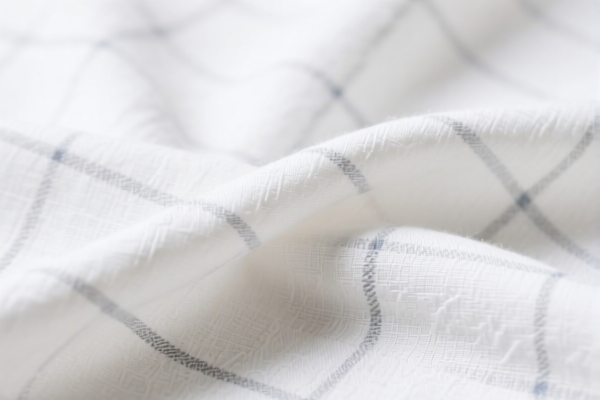
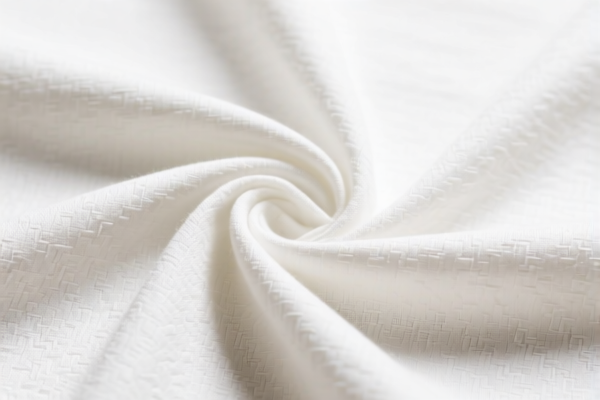
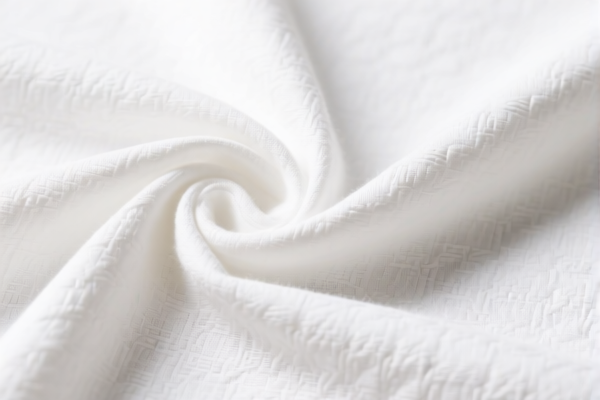
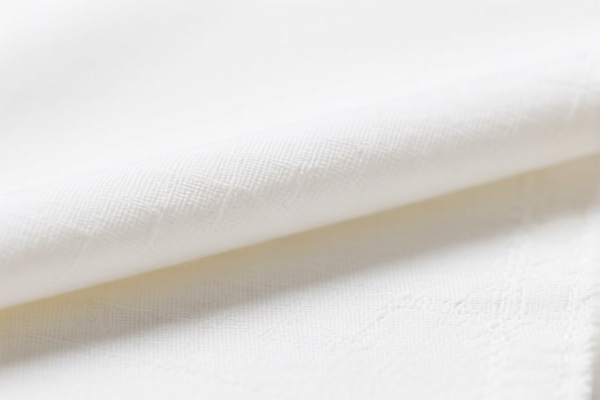
AI Analysis
🧵 Bleached Home Textile Fabric (漂白家纺面料)
🌐 HS Code Reference & Customs Clearance Guide | 2026 Latest Tariff Analysis | Professional Strategy
📌 I. Product Definition & Classification: What Exactly Are You Importing?
"Bleached Home Textile Fabric" is a broad category. In international trade, accuracy in HS Code classification is not just about semantics—it determines your total tax burden. The difference between polyester, cotton, and the specific weaving structure can change your tax rate from 42.7% to 49.9%.
Based on the provided data, the fabrics fall into two main material categories: Polyester (Synthetic) and Cotton (Natural).
⚠️ Critical Distinction Point:
- Material Matters: Is it Polyester Filament (smooth, strong, synthetic) or Cotton (natural fiber)?
- Structure Matters: Is it a standard weave, or a Jacquard (patterned) / Twill/Satin (specific texture) weave?
- Processing: All items listed are "Bleached" (漂白), which generally commands a higher base tariff than unbleached (greige) fabrics.
📦 II. HS Code Classification Details (2026 Latest Tariff Authority)
Here are the precise classifications for the specific variants of bleached fabrics found in your data. Note that while the summary is similar, the HS Code and Base Tariff differ significantly.
| HS Code | Material | Key Characteristics & Summary | Why This Code? |
|---|---|---|---|
5407.61.99.10 |
Polyester (Polyester Filament) | Bleached polyester fabric. Processing state: Bleached. | Specific subheading for polyester filament fabrics, not elsewhere specified. Highest Base Tariff (14.9%). |
5407.69.10.10 |
Polyester (General Polyester) | Bleached polyester fabric. Form: Fabric. Meets bleached characteristics. | General catch-all for other polyester filament fabrics. Matches 5407.61 tax burden. High Base Tariff (14.9%). |
5209.49.00.40 |
Cotton | Bleached Cotton Jacquard Fabric. Form: Jacquard weave. | "Jacquard" (提花) is a specific structural feature. Falls under Cotton Twill/Satin/Jacquard section. Lower Base Tariff (8.4%). |
5208.29.20.20 |
Cotton | Bleached Cotton Fabric. Form: Woven. Contains bleached attributes. | General bleached cotton woven fabric (not jacquard/twill/satin specific). Lowest Base Tariff (7.7%). |
5209.29.00.40 |
Cotton | Bleached Cotton Fabric. Form: Bleached woven. Specific structure: Twill or Satin. | Specific subheading for Cotton Twill or Satin weaves. Low Base Tariff (7.7%). |
🔍 Key Insight:
- Polyester fabrics (5407.xx) carry a base tariff of 14.9%.
- Cotton fabrics (5208/5209.xx) carry a base tariff of 7.7% - 8.4%.
- Cotton is cheaper to import regarding base duties, but the additional taxes remain the same.
💰 III. 2026 Latest Tariff Rate Breakdown (Including Surtaxes & Policy Add-ons)
✅ Applicable Country: USA (US)
✅ Origin: China (CN)
✅ Effective Date: 2025+ (Current Policy Era)
The total tax consists of three components. Let's break them down for both Material Types.
🎯 1. Polyester Bleached Fabrics (5407.61.99.10 & 5407.69.10.10)
| Item | Detail |
|---|---|
| Base Tariff | 14.9% (Ad Valorem) |
| Section 301 Surtax | +25.0% (Standard China-US trade war tariff) |
| 122 Clause Tariff | +10.0% (Specific add-on for certain textile/fabrics) |
| Total Tax Rate | 49.9% |
| Tax Calculation | CIF Value × 49.9% |
| De Minimis Exemption? | ❌ NO (Section 321/De Minimis does NOT apply to these surtaxes) |
| Legal Basis Path | HTSUS:5407 → USITC Footnote: 301-301 → Section 122 Rule |
📌 Explanation:
- The 14.9% is the standard Most Favored Nation (MFN) rate for polyester fabrics.
- The 25% is the standard "Section 301" tariff imposed on Chinese goods.
- The 10% is the "122 Clause" tariff, often applied to specific textile categories to protect domestic producers.
- Result: You pay nearly 50% of the item's value in taxes alone.
🎯 2. Cotton Bleached Fabrics (5209.49.00.40, 5208.29.20.20, 5209.29.00.40)
| Item | Detail |
|---|---|
| Base Tariff | 7.7% - 8.4% (Depends on weave/structure) |
| Section 301 Surtax | +25.0% (Standard China-US trade war tariff) |
| 122 Clause Tariff | +10.0% (Specific add-on for certain textile/fabrics) |
| Total Tax Rate | 42.7% - 43.4% |
| Tax Calculation | CIF Value × 42.7% (Lowest) to 43.4% (Highest) |
| De Minimis Exemption? | ❌ NO |
| Legal Basis Path | HTSUS:5208/5209 → USITC Footnote: 301-301 → Section 122 Rule |
📌 Explanation:
- Cotton benefits from a lower base tariff (7.7-8.4%) compared to polyester (14.9%).
- However, the 25% + 10% add-ons remain fixed.
- Savings: Cotton fabrics save you ~6.5% - 7.2% in total tax burden compared to polyester.
🛠️ IV. Customs Clearance Practical Advice (Avoid Pitfalls)
✅ 1. Documentation Checklist (Non-Negotiable)
| Document | Required? | Why? |
|---|---|---|
| ✅ Product Specification Sheet | YES | Must state: Material (100% Polyester or 100% Cotton), Weave Type (Plain, Twill, Satin, Jacquard), Weight (GSM), Width, and Bleached Status. |
| ✅ Commercial Invoice | YES | Must clearly describe as "Bleached [Material] Fabric". Avoid vague terms like "Textile". |
| ✅ Packing List | YES | Include roll dimensions, weight, and number of rolls. |
| ✅ Lab Test Report | Highly Recommended | Proves material composition (e.g., ASTM D276 for fiber content). Prevents re-classification by CBP. |
| ✅ Certificate of Origin | YES | Required to claim any potential FTA benefits (though unlikely for CN origin with these tariffs). |
✅ 2. Classification Strategy (The "Cotton vs. Polyester" Decision)
🔥 "Check the Fiber, Check the Weave, Save the Fee!"
| Scenario | Recommended HS Code | Estimated Total Tax | Why? |
|---|---|---|---|
| Polyester Filament, Bleached | 5407.61.99.10 or 5407.69.10.10 |
49.9% | Polyester base is high (14.9%). |
| Cotton, Jacquard, Bleached | 5209.49.00.40 |
43.4% | Jacquard has a slightly higher base (8.4%) than plain weave. |
| Cotton, Twill/Satin, Bleached | 5209.29.00.40 |
42.7% | Twill/Satin has a low base (7.7%). |
| Cotton, Plain Weave, Bleached | 5208.29.20.20 |
42.7% | General bleached cotton has the lowest base (7.7%). |
📌 Strategic Advice:
- If you have control over the supply chain, Cotton fabrics are more tax-efficient than Polyester fabrics due to the lower base tariff.
- If you are importing Polyester, ensure you are not misclassifying it as Cotton to avoid fraud penalties and back-taxes.
✅ 3. Common Errors & How to Avoid Them
❌ Error 1: Using "Unbleached" or "Grey" in the description for a Bleached product.
👉 Consequence: CBP may reject the entry for misrepresentation. Bleached fabrics have higher base tariffs. Be honest in the description.
❌ Error 2: Confusing "Polyester Filament" (5407) with "Polyester Staple Fiber" (55.
👉 Consequence: 5407 has a 14.9% base; 55 may have a different base. Misclassification leads to audits.
❌ Error 3: Ignoring the "122 Clause" (10%).
👉 Consequence: Some importers only account for 301 (25%). The additional 10% is automatic for these codes. Factor it into your landed cost.
🌍 V. Global Market Comparison (2026)
| Country/Region | Recommended HS Code | Approx. Total Tax (CN Origin) | Notes |
|---|---|---|---|
| 🇺🇸 USA | 5407 or 5208 |
42.7% - 49.9% | Includes 301 (25%) + 122 (10%) + Base. |
| 🇨🇳 China | 5407 or 5208 |
0% (Import Duty) | Domestic trade, no import tariff. |
| 🇪🇺 EU | 5407 or 5208 |
9% - 12% | No 301 surtax. Base duty applies only. |
| 🇬🇧 UK | 5407 or 5208 |
9% - 12% | Post-Brexit tariff structure similar to EU. |
| 🇯🇵 Japan | 5407 or 5208 |
0% - 15% | Varies by FTA status. No 301 tax. |
📌 Conclusion:
- The USA is the most expensive market for these fabrics due to the 35% surcharge (25% + 10%).
- If you are targeting the US, consider supply chain diversification (e.g., sourcing from Vietnam or India if possible) to potentially avoid or reduce these surcharges, though textile rules of origin are strict.
📌 VI. Summary & Final Recommendation
💡 The "Tax Efficiency" Hierarchy for Bleached Fabrics:
- 🥇 Best (Lowest Tax): Cotton, Plain/Twill/Satin, Bleached (
5208.29.20.20/5209.29.00.40) → 42.7% - 🥈 Middle: Cotton, Jacquard, Bleached (
5209.49.00.40) → 43.4% - 🥉 Worst (Highest Tax): Polyester, Bleached (
5407.61.99.10/5407.69.10.10) → 49.9%
🚀 Action Plan:
- Confirm Material: Is it Polyester or Cotton?
- Confirm Weave: Is it Jacquard, Twill, Satin, or Plain?
- Select HS Code: Use the table above to pick the exact code.
- Calculate Landed Cost: Add 42.7%-49.9% to your CIF value.
- Prepare Docs: Ensure your invoice says "Bleached [Material] Fabric" and includes weave details.
🎯 Pro Tip:
"Polyester pays the premium. Cotton offers the discount. Jacquard is the middle ground. Always declare accurately!"
✨ Professional Customs Clearance Starts with Precise Classification!
💼 Your Bottom Line Depends on These Digits.
Customer Reviews
About HS Code Classification
The Harmonized System (HS) is an internationally standardized nomenclature developed by the World Customs Organization (WCO) to classify traded products. Over 200 countries use the HS system as the basis for customs tariffs, trade statistics, and import/export regulations.
Each HS code follows a hierarchical structure:
- Chapter (2 digits) — Broad category of goods (e.g., Chapter 84: Machinery and Mechanical Appliances)
- Heading (4 digits) — More specific grouping within the chapter
- Subheading (6 digits) — Internationally standardized breakdown, used by all WCO member countries
- National subdivisions (8-10 digits) — Country-specific extensions for further classification, such as US HTSUS 10-digit codes
Correct HS code classification is essential for smooth customs clearance, accurate duty payment, and compliance with trade regulations. Misclassification can lead to customs delays, overpayment of duties, or penalties.
When importing from CN to US, the applicable tariff rates may include:
- Most-Favored-Nation (MFN) rate — The standard duty rate applied to WTO members
- General rate — Applied to countries without trade agreements
- Trade remedy duties — Additional tariffs such as Section 301 (anti-dumping), Section 232 (national security), or countervailing duties
The information provided on this page is for reference purposes only. For official classification, please consult with your local customs authority or a licensed customs broker.