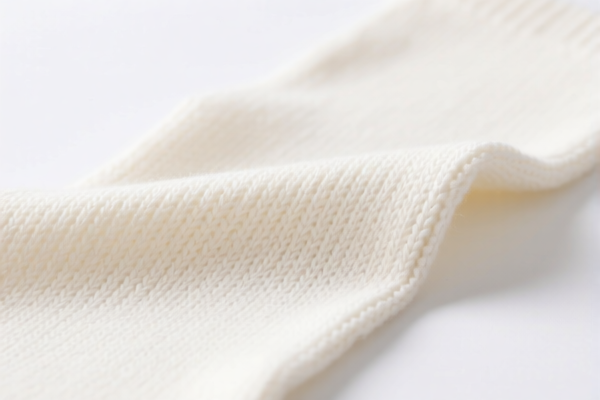
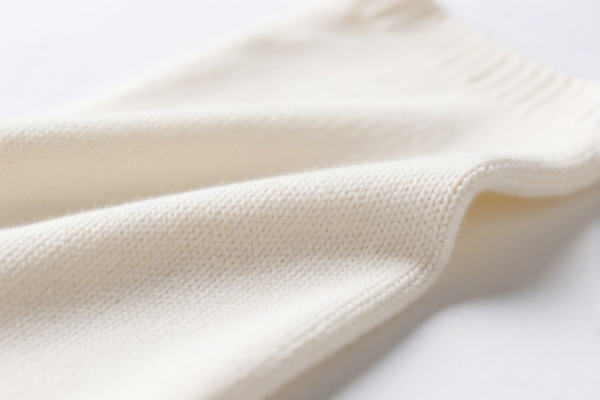
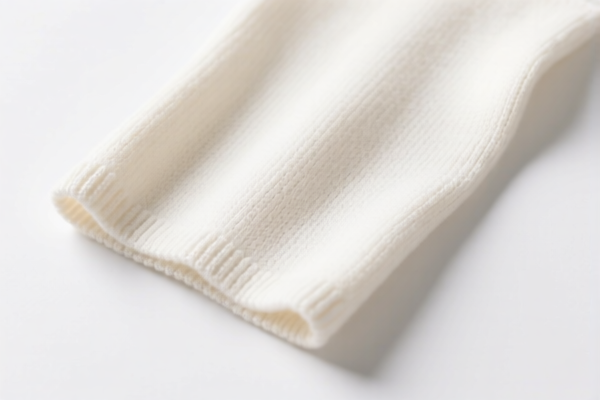
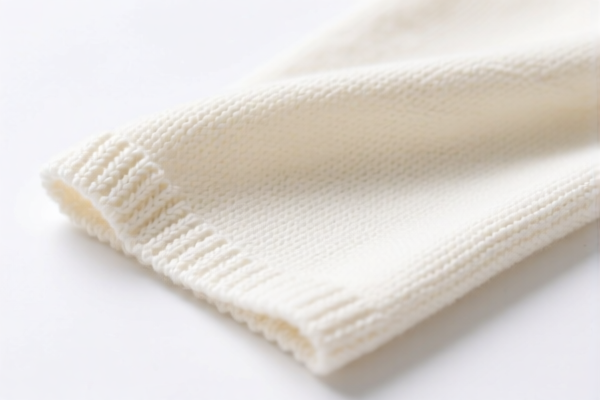
Bleached Knitted/Crocheted Cotton Fabric for Decoration
CN → US| HS Code | Tariff Rate | Origin | Destination | Doc |
|---|---|---|---|---|
| 6006219080 | 45.0% | CN | US | Official Doc |
| 6004100085 | 47.3% | CN | US | Official Doc |
| 6006219020 | 45.0% | CN | US | Official Doc |
| 6001910020 | 53.5% | CN | US | Official Doc |
| 5209210020 | 42.7% | CN | US | Official Doc |
Product Images
AI Analysis
🧵 Bleached Knitted/Crocheted Cotton Fabric for Decoration
🌐 HS Code Reference & Customs Clearance Guide | 2026 Latest Tariff Analysis | Professional通关Strategy
📌 I. Product Definition & Classification: What Exactly Is "Bleached Cotton Fabric"?
Bleached knitted/crocheted cotton fabric is a versatile textile material widely used in home decoration (curtains, upholstery, table linens) and apparel. In international trade, its classification depends heavily on fabric structure (weight/texture), knitting method (double vs. single), and processing stage.
⚠️ Key Distinction Points:
- Double-knitted (Interlock/Jersey double layer): Thicker, more stable, often used for heavy decor → Likely 6006.
- Single-knitted or Specific Weight (400g/m²+): Can sometimes fall under 6004 if specific weight criteria are met.
- Wadded/Embroidered vs. Plain: If it’s plain woven/knitted, it stays in Chapter 60. If it’s heavily embroidered or tufted, it might shift to Chapter 58 or 52.
- Bleached: The fabric has undergone chemical whitening, not just "white in color."
📦 II. HS Code Classification Matrix (Based on Provided Data)
Below is the detailed breakdown of the 5 HS Codes provided in the dataset, explaining why each applies and how to choose the correct one for "Bleached Knitted/Crocheted Cotton Fabric for Decoration."
| HS Code | Product Description (Summary) | Key Classification Criteria | Why It Fits "Decoration Fabric" |
|---|---|---|---|
| 6006.21.90.80 | Bleached double-knitted cotton fabric, classified by material & form | Double-knitted structure; >50% cotton; Bleached | ✅ Most Common for Decor: Double-knit is stable, less prone to curling, ideal for curtains/upholstery. |
| 6004.10.00.85 | Bleached knitted cotton fabric, meeting 6004 section characteristics | Specific Weight/Texture: Meets Chapter 60, Heading 6004 criteria (often heavier or specific loop structure) | ✅ Heavy Decor Fabrics: If the fabric is thicker or has a specific "weft-knitted" structure defined in 6004, this applies. |
| 6006.21.90.20 | Bleached knitted cotton fabric, matched to "Other" category | Double-knitted; General "Other" bleached cotton | ✅ Standard Double-Knit: Similar to .80 but different suffix. Use if product specs don’t match .80’s specific "form" definition. |
| 6001.91.00.20 | Bleached knitted cotton fabric, specific processing classification | Pile/Terry/Velour: Likely involves napping, terry, or plush processing | ✅ Textured Decor: If the fabric has a nap, terry loops, or plush surface (e.g., towel-like decor fabric), this applies. |
| 5209.21.00.20 | Bleached cotton fabric, meeting material & bleaching requirements | Woven (Not Knitted): Note: This is a Woven code, not knitted! | ⚠️ Misclassification Risk: Only use if the fabric is Woven, not Knitted/Crocheted. For "Knitted," this code is incorrect unless the fabric is technically woven but declared as knitted by mistake. |
🔍 Critical Note on 5209.21.00.20:
- Chapter 52 is for Cotton Woven Fabrics.
- Chapter 60 is for Knitted/Crocheted Fabrics.
- If your product is truly Knitted, do NOT use 5209.21.00.20. It will cause customs delays or penalties.
- If your product is Woven but labeled "Knitted," correct the name to "Bleached Woven Cotton Fabric" to use 5209.21.00.20.
💰 III. 2026 Latest Tariff Rate Breakdown (US Imports from China)
✅ Applicable Country: United States (US)
✅ Origin: China (CN)
✅ Effective Date: 2025–2026 (Includes Section 301 & 122 Tariffs)
🎯 1. 6006.21.90.80 – Bleached Double-Knitted Cotton Fabric
| Item | Detail |
|---|---|
| Base Tariff | 10.0% |
| Section 301 Add-on | 25.0% |
| Section 122 Add-on | 10.0% |
| Total Tariff | 45.0% |
| Tax Calculation | CIF Value × 45% |
| De Minimis Exemption | ❌ Not Eligible (Value > $800 triggers full duty) |
| Legal Basis | HTSUS 6006.21.90.80 + Section 301 + Section 122 |
📌 Explanation:
- This is a high-tariff category. The 45% total rate includes base duty (10%), US-China trade war tariffs (25%), and additional Section 122 tariffs (10%).
- Cost Impact: For a $10,000 shipment, you pay $4,500 in duties.
- Strategy: Ensure the fabric is truly double-knitted to justify this code. Misclassification as single-knit could lead to audits.
🎯 2. 6004.10.00.85 – Bleached Knitted Cotton Fabric (6004 Section)
| Item | Detail |
|---|---|
| Base Tariff | 12.3% |
| Section 301 Add-on | 25.0% |
| Section 122 Add-on | 10.0% |
| Total Tariff | 47.3% |
| Tax Calculation | CIF Value × 47.3% |
| De Minimis Exemption | ❌ Not Eligible |
| Legal Basis | HTSUS 6004.10.00.85 + Section 301 + Section 122 |
📌 Explanation:
- Highest Tariff in the List: 47.3% is slightly higher than 6006 codes.
- Why?: The base tariff is 12.3% vs. 10% for 6006.
- When to Use: Only if the fabric meets specific weight/structure criteria under Heading 6004 (e.g., heavier gauge, specific loop type).
- Risk: If classified under 6006 instead, you could save 2.3% per unit. Always prefer 6006 if specs allow.
🎯 3. 6006.21.90.20 – Bleached Knitted Cotton (Other Category)
| Item | Detail |
|---|---|
| Base Tariff | 10.0% |
| Section 301 Add-on | 25.0% |
| Section 122 Add-on | 10.0% |
| Total Tariff | 45.0% |
| Tax Calculation | CIF Value × 45.0% |
| De Minimis Exemption | ❌ Not Eligible |
| Legal Basis | HTSUS 6006.21.90.20 + Section 301 + Section 122 |
📌 Explanation:
- Same Total Rate as .80: 45.0%.
- Difference: The suffix (.20 vs .80) may reflect different sub-classifications within "Other" double-knitted fabrics.
- Usage: Use when the fabric is double-knitted but doesn’t meet the specific "form" criteria of .80.
- Strategy: Check with your supplier if the fabric matches .80 specs; otherwise, .20 is the safe fallback.
🎯 4. 6001.91.00.20 – Bleached Knitted Cotton (Specific Processing)
| Item | Detail |
|---|---|
| Base Tariff | 18.5% |
| Section 301 Add-on | 25.0% |
| Section 122 Add-on | 10.0% |
| Total Tariff | 53.5% |
| Tax Calculation | CIF Value × 53.5% |
| De Minimis Exemption | ❌ Not Eligible |
| Legal Basis | HTSUS 6001.91.00.20 + Section 301 + Section 122 |
📌 Explanation:
- Highest Tariff: 53.5%!
- Why?: The base tariff is 18.5% (vs. 10% for 6006).
- When to Use: Only if the fabric is processed (e.g., napped, terry, plush, or flocked).
- Warning: If your fabric is plain knitted, do not use this code. It’s a costly mistake.
- Decoration Use: If you’re selling "plush curtains" or "terry bath mats," this may be correct. Otherwise, avoid.
🎯 5. 5209.21.00.20 – Bleached Cotton Fabric (Woven)
| Item | Detail |
|---|---|
| Base Tariff | 7.7% |
| Section 301 Add-on | 25.0% |
| Section 122 Add-on | 10.0% |
| Total Tariff | 42.7% |
| Tax Calculation | CIF Value × 42.7% |
| De Minimis Exemption | ❌ Not Eligible |
| Legal Basis | HTSUS 5209.21.00.20 + Section 301 + Section 122 |
📌 Explanation:
- Lowest Tariff: 42.7%.
- CRITICAL: This code is for WOVEN cotton fabric, not knitted.
- When to Use: Only if your fabric is Woven (e.g., cotton sheeting, cotton poplin, cotton canvas).
- Risk: If you declare "Knitted" but use this code, customs will flag it as a misdeclaration.
- Strategy: If your fabric is truly knitted, do not use this code. If it’s woven, you save 2.3% vs. 6006 codes.
🛠️ IV. Customs Clearance Practical Advice (Avoid Pitfalls)
✅ 1. Document Checklist (Non-Negotiable)
| Document | Required? | Notes |
|---|---|---|
| ✅ Product Specification Sheet | ✔️ | Must state: Fiber Content (100% Cotton), Construction (Knitted/Woven), Weight (gsm), Bleached Status |
| ✅ Fabric Sample (Lab Dip) | ✔️ | Customs may request a physical sample to verify knit structure |
| ✅ Commercial Invoice | ✔️ | Clearly state "Bleached Knitted Cotton Fabric, for Decoration" |
| ✅ Packing List | ✔️ | Include roll length, width, and gross weight |
| ✅ Certificate of Origin | ✔️ | Proves Chinese origin (triggers tariffs) |
| ✅ Third-Party Test Report | ✔️ | Fiber content test (ASTM D276) and bleach residual test |
✅ 2. Declaration Tips (Key Rules)
🔥 “Knitted vs. Woven is King! Name It Right!”
| Scenario | Correct Declaration | Wrong Declaration |
|---|---|---|
| Double-Knit Fabric | HS 6006.21.90.80 or .20 | 5209.21.00.20 (Woven) → Penalty |
| Single-Knit/Plain Knit | HS 6006.21.90.80 | 6001.91.00.20 (Processed) → Overpay 8.5% |
| Woven Cotton | HS 5209.21.00.20 | 6006... (Knitted) → Misdeclaration |
| Plush/Terry Fabric | HS 6001.91.00.20 | 6006... (Plain) → Underpay Duty, Risk Audit |
| Heavy Knit (6004 Spec) | HS 6004.10.00.85 | 6006... → May Save 2.3% if Correct |
📌 Pro Tip:
- If you’re unsure whether it’s knitted or woven, request a fiber construction report from your supplier.
- Bleached must be declared. If it’s just "white" but not bleached, the base tariff may differ.
✅ 3. Special Cases & Handling
| Situation | Recommendation |
|---|---|
| Mixed Fabrics (Cotton + Polyester) | If <50% cotton, it falls under Chapter 61 or 54/55, not 60 or 52. Recalculate tariffs! |
| Embossed/Printed Fabric | If printed, it may still fall under 6006/5209, but declare "Printed Bleached Cotton Knitted Fabric" |
| Sample Shipments (< $800) | De Minimis Applies! No duty if value < $800 per person per day. But not for commercial batches. |
| OEM Custom Fabric | Provide design specs to prove it’s not a standard commodity |
| Fabric for Home Decor | Ensure it’s labeled for "Home Use" to avoid "Textile Restriction" flags |
🌍 V. Global Market Comparison (2026)
| Market | Recommended HS Code | Estimated Tariff | Key Certification | Notes |
|---|---|---|---|---|
| 🇺🇸 USA | 6006.21.90.80 | 45.0% | None specific | High tariff due to Section 301 & 122 |
| 🇨🇳 China | 6006.21.90 | 8–10% | GB Standards | No Section 301 |
| 🇪🇺 EU | 6006.21 | 12% | OEKO-TEX® | No additional tariffs |
| 🇬🇧 UK | 6006.21 | 12% | UKCA | Post-Brexit rules |
| 🇨🇦 Canada | 6006.21 | 15% | None | NAFTA/USMCA doesn’t apply to China |
📌 Conclusion:
- USA has the highest effective duty rate (45%) for Chinese knitted cotton fabric.
- EU and UK offer lower rates (12%), making them more attractive for re-export.
- China’s domestic tariff is low (8–10%), but import into China from elsewhere may vary.
📌 VI. Common Mistakes & Pitfalls (Learn from Others!)
❌ Mistake 1: Declaring Woven fabric as Knitted
👉 Result: Customs seizes goods, imposes 50% penalty + back duties.
❌ Mistake 2: Using 6001.91.00.20 for plain fabric
👉 Result: Overpay 8.5% more in duties. No benefit.
❌ Mistake 3: Ignoring Section 122 Tariffs
👉 Result: Underestimate costs by 10%. Total duty should include all add-ons.
❌ Mistake 4: Not declaring Bleached status
👉 Result: If it’s bleached, but you declare "Unbleached," customs may reclassify and adjust duty.
✅ Correct Declaration Example:
"BLEACHED KNITTED COTTON FABRIC, 100% COTTON, DOUBLE KNIT, 180GSM, FOR HOME DECORATION, BLEACHED, NO PRINT, NO EMBROIDERY"
🎯 VII. Conclusion: Professional Declaration, Cost Efficiency
🎯 Remember These Keys:
🔹 “Knitted = 6006, Woven = 5209, Plush = 6001”
🔹 “Total Duty = Base + 25% + 10% = ~45% for USA”
🔹 “Verify Fabric Structure Before Declaring!”
📌 Pro Tip:
- If your supplier is in Vietnam, India, or Bangladesh, tariffs may be 0–15% due to trade agreements.
- For USA imports, consider bonded warehouses or foreign trade zones (FTZ) to defer duties.
- Always pre-classify with a customs broker to avoid penalties.
📣 Immediate Action Required:
📞 Contact a Licensed Customs Broker + Provide Fabric Swatch + Request Advance Ruling for your specific batch.
🚀 Optimize Your Supply Chain: If tariffs are too high, explore tariff engineering or country-of-origin shifts.
✨ Precision in Classification Saves Thousands!
💼 Every Fiber Counts in Customs!
Customer Reviews
About HS Code Classification
The Harmonized System (HS) is an internationally standardized nomenclature developed by the World Customs Organization (WCO) to classify traded products. Over 200 countries use the HS system as the basis for customs tariffs, trade statistics, and import/export regulations.
Each HS code follows a hierarchical structure:
- Chapter (2 digits) — Broad category of goods (e.g., Chapter 84: Machinery and Mechanical Appliances)
- Heading (4 digits) — More specific grouping within the chapter
- Subheading (6 digits) — Internationally standardized breakdown, used by all WCO member countries
- National subdivisions (8-10 digits) — Country-specific extensions for further classification, such as US HTSUS 10-digit codes
Correct HS code classification is essential for smooth customs clearance, accurate duty payment, and compliance with trade regulations. Misclassification can lead to customs delays, overpayment of duties, or penalties.
When importing from CN to US, the applicable tariff rates may include:
- Most-Favored-Nation (MFN) rate — The standard duty rate applied to WTO members
- General rate — Applied to countries without trade agreements
- Trade remedy duties — Additional tariffs such as Section 301 (anti-dumping), Section 232 (national security), or countervailing duties
The information provided on this page is for reference purposes only. For official classification, please consult with your local customs authority or a licensed customs broker.