Bleached Man made Short Fiber Woven Cotton Linen Fabric
CN → US| HS Code | Tariff Rate | Origin | Destination | Doc |
|---|---|---|---|---|
| 5311003090 | 35.0% | CN | US | Official Doc |
| 5309213070 | 41.9% | CN | US | Official Doc |
| 5311003070 | 35.0% | CN | US | Official Doc |
| 5309214090 | 35.0% | CN | US | Official Doc |
| 5407912030 | 49.9% | CN | US | Official Doc |
Product Images
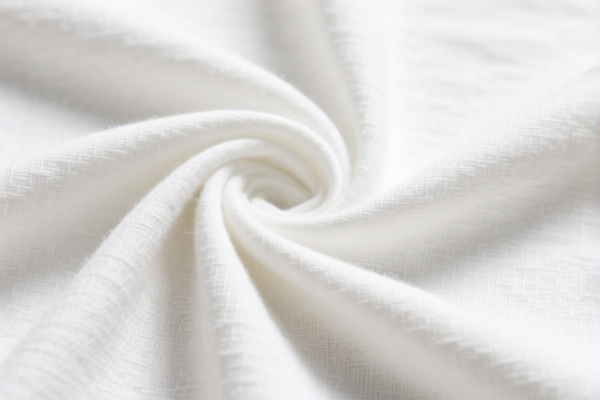
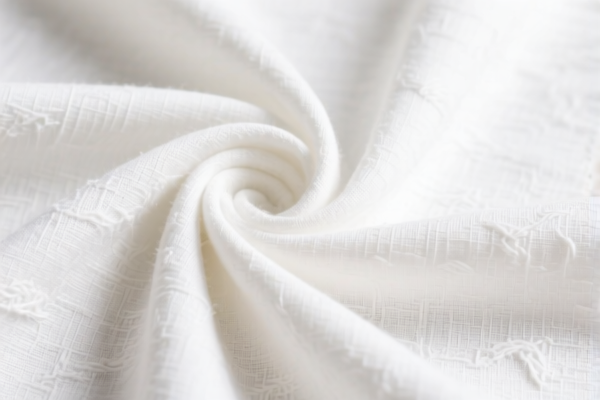
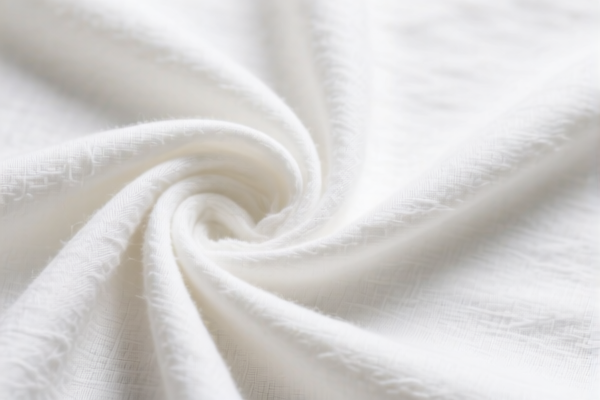
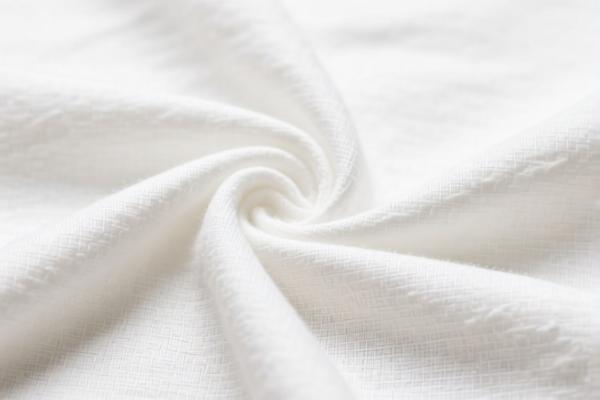
AI Analysis
🧵 Bleached Man-made Short Fiber Woven Cotton Linen Fabric (Decorative)
🌐 HS Code Reference & Customs Clearance Guide | 2026 Latest Tariff Analysis | Professional Strategy for US Imports
📌 I. Product Definition & Classification: Decoding "Cotton Linen Fabric"
"Bleached Man-made Short Fiber Woven Cotton Linen Fabric" is a complex textile blend often used for decorative purposes (drapery, upholstery, curtains). It is NOT pure cotton or pure linen. The key components are: * Man-made Short Fibers (V/Staple): The primary structural component (often viscose/rayon or polyester staple). * Linen/Cotton: Blended in for texture, breathability, or cost reduction. * Process: Woven + Bleached (White/Off-white base). * End Use: Decorative (Household furnishing).
⚠️ Critical Distinction:
- If the fabric is mainly man-made fiber (e.g., >85% viscose/staple) with small linen/cotton blends → Look at Chapter 53/54.
- If it is decorative fabric (not apparel/garment), it falls under specific heading 5311 or 5309 depending on the exact fiber composition priority.
- "Cotton" in the name is a misnomer if the main component is man-made. US Customs (CBP) looks at Chapter 11 Note 2 and HS General Rule of Interpretation 3(b) for mixtures.
📦 II. HS Code Classification Details (2026 Latest Tariff Concordance)
| HS Code | Product Description | Key Criteria | Application Scenario |
|---|---|---|---|
5311.00.30.90 |
Bleached Woven Fabrics of Man-Made Staple Fibres, Other, Decorative | Main component: Man-made staple fiber (e.g., Viscose/Rayon). Includes linen/cotton blend. Bleached. | High-end drapery, upholstery, decor fabrics where man-made fiber dominates. |
5311.00.30.70 |
Bleached Woven Fabrics of Man-Made Staple Fibres, Other, Decorative | Same as above, but specific sub-heading for certain duty rates/exclusions. Often used for generic bleached decor fabrics. | Standard bleached decor fabric, viscose-heavy blends. |
5309.21.30.70 |
Woven Fabrics of Flax (Linen), Bleached, Other, Weight ≤ 200g/m² | Main component: Flax/Linen. Bleached. Man-made fibers are secondary. | High-linen content decor fabric (e.g., 70% Linen, 30% Viscose). Higher Base Duty. |
5309.21.40.90 |
Woven Fabrics of Flax (Linen), Bleached, Other, Weight > 200g/m² or Non-Specific | Main component: Flax/Linen. Bleached. | Heavy linen decor fabrics, curtains with high linen content. |
5407.91.20.30 |
Woven Fabrics of Synthetic Filament Yarn, Bleached, Hospital Bedding Type | Specific Use: Hospital Bedding. Synthetic Filament (not staple). | Do NOT use unless it is specifically for hospital bedding and made of filament (not short fiber). |
🔍 Key Insight:
- HS Code5311is the most likely fit for "Man-made Short Fiber" (staple) fabrics, even if they contain linen/cotton.
- HS Code5309applies only if Linen is the primary fiber by weight.
- HS Code5407is incorrect for "Short Fiber" (it’s for Filament) and "Decorative" (it’s for specific textile products like hospital bedding).
💰 III. 2026 Latest Tariff Rate Breakdown (Including Add-On Duties & Policy Surcharges)
✅ Applicable Country: United States (US)
✅ Country of Origin: China (CN)
✅ Effective Date: November 10, 2025 onwards (Includes subsequent imports)
🎯 1. 5311.00.30.90 & 5311.00.30.70 – Bleached Man-Made Staple Fiber Decorative Fabric
| Item | Detail |
|---|---|
| Base Tariff Rate | 0.0% (Ad Valorem) |
| Section 301 / USITC Surcharge | +25.0% |
| IEEPA 122-Clause Surcharge | +10.0% |
| Total Tariff Rate | 35.0% |
| Calculation Basis | CIF Value × 35% |
| De Minimis Exemption? | ❌ No (Denied for Chinese-origin goods under 301 & IEEPA) |
| Legal Authority Path | USITC:5311.00.30 → SECTION_301:Footnote_9903.88.01 → IEEPA:9903.01.25 |
📌 Explanation:
- These codes fall under Chapter 53 (Vegetable fibers; paper yarn) but specifically for Man-Made Staple Fibers (like viscose/rayon).
- The 0% base duty is common for many textiles, but the 25% (Section 301) + 10% (IEEPA) makes the total 35%.
- Critical: This is a high tariff category for decorative fabrics.
🎯 2. 5309.21.30.70 & 5309.21.40.90 – Bleached Linen/Flax Decorative Fabric
| Item | Detail |
|---|---|
| Base Tariff Rate | 6.9% (Ad Valorem) |
| Section 301 / USITC Surcharge | +25.0% |
| IEEPA 122-Clause Surcharge | +10.0% |
| Total Tariff Rate | 41.9% |
| Calculation Basis | CIF Value × 41.9% |
| De Minimis Exemption? | ❌ No |
| Legal Authority Path | USITC:5309.21 → SECTION_301:Footnote_9903.88.01 → IEEPA:9903.01.25 |
📌 Explanation:
- If your fabric is mostly linen (even if blended with man-made fibers), it may be misclassified under 5309.
- Higher Total Duty (41.9%) due to the 6.9% base rate.
- Risk: Misclassifying a 5311 fabric (35%) as 5309 (41.9%) leads to underpayment. Misclassifying 5309 as 5311 leads to overpayment.
🎯 3. 5407.91.20.30 – Bleached Synthetic Filament Fabric (Hospital Bedding)
| Item | Detail |
|---|---|
| Base Tariff Rate | 14.9% (Ad Valorem) |
| Section 301 / USITC Surcharge | +25.0% |
| IEEPA 122-Clause Surcharge | +10.0% |
| Total Tariff Rate | 49.9% |
| Calculation Basis | CIF Value × 49.9% |
| De Minimis Exemption? | ❌ No |
| Legal Authority Path | USITC:5407.91.20 → SECTION_301:Footnote_9903.88.01 → IEEPA:9903.01.25 |
📌 Explanation:
- Do NOT use this code unless the fabric is:
1. Made of Synthetic Filament (not short fiber/staple).
2. Intended for Hospital Bedding (not general decor).
- Highest Tariff (49.9%). Misclassification here is a major compliance risk.
🛠️ IV. Customs Clearance Practical Advice (Pitfall Avoidance Guide)
✅ 1. Required Documentation Checklist (Non-Negotiable)
| Document | Mandatory? | Purpose |
|---|---|---|
| ✅ Product Specification Sheet | ✔️ | Must list: Fiber Composition (e.g., 80% Viscose, 20% Linen), Weave Type, Width, Weight (g/m²), Bleaching Status. |
| ✅ Fiber Composition Label | ✔️ | Physical label on fabric/package stating % Man-made, % Linen, % Cotton. |
| ✅ Certificate of Origin (CO) | ✔️ | Essential for IEEPA 10% surcharge application. Must declare China origin. |
| ✅ Commercial Invoice | ✔️ | Must explicitly state: "Bleached Woven Fabric of Man-Made Staple Fibers, for Decorative Use." |
| ✅ Packing List | ✔️ | Include gross/net weight, number of rolls, dimensions. |
| ✅ HS Code Pre-Ruling (Optional but Recommended) | ✔️ | To confirm 5311 vs 5309 classification. |
✅ 2. Classification Strategy (Key Mnemonic)
🔥 "Check Fiber First, Then Use, Then Bleach!"
| Scenario | Correct HS Code | Total Duty | Reason |
|---|---|---|---|
| Mainly Man-Made Staple (e.g., Viscose) + Decorative Use | 5311.00.30.90 / 70 |
35.0% | Primary fiber is man-made staple. |
| Mainly Linen (Flax) + Decorative Use | 5309.21.30.70 / 40.90 |
41.9% | Primary fiber is linen. Higher base duty. |
| Hospital Bedding + Synthetic Filament | 5407.91.20.30 |
49.9% | Specific end-use + Filament. Avoid unless certain. |
| Garment Fabric (Apparel) | Not Listed | Varies | This data is for Decorative fabrics. Apparel has different codes (e.g., 5407, 6006). |
⚠️ Critical Warning:
- "Cotton" in the name is dangerous. If cotton is < 10%, it does not determine classification. Man-made staple fiber dominates Chapter 53/54.
- "Bleached" is a key descriptor for HS Code specificity in Chapter 53.
- "Decorative" excludes apparel and industrial uses.
✅ 3. Special Cases & Handling
| Scenario | Handling Advice |
|---|---|
| Blended Fabric (50% Linen, 50% Viscose) | Misclassification Risk! CBP may assign 5309 (Linen) if Linen is perceived as principal. Fight for 5311 with fiber tests. |
| Fabric with Print/Embroidery | If print/embroidery is dominant, it may shift to 5803 or 5804. Check if decorative effect is primary. |
| Small Sample Imports | No De Minimis Exemption. Even samples are subject to 35-49.9% duty if from China. |
| Origin Marking | Must clearly mark "Made in China" on each roll or package. |
🌍 V. Global Market Comparison (2026 Latest)
| Country/Region | Recommended HS Code | Tariff (China Origin) | Certification | Notes |
|---|---|---|---|---|
| 🇺🇸 USA | 5311.00.30.90 |
35.0% | None | High tariffs due to 301 + IEEPA. |
| 🇪🇺 EU | 5311.00.30.90 |
0-9% | CE (if applicable) | No Section 301. Lower burden. |
| 🇨🇳 China | 5311.00.30.90 |
5-14% | CCC (if applicable) | Import duty varies. |
| 🇬🇧 UK | 5311.00.30.90 |
0-12% | UKCA | Post-Brexit rules apply. |
📌 Conclusion:
- USA is the most expensive market for these fabrics due to 35-49.9% combined tariffs.
- EU/UK/Asia offer significantly lower tariff burdens. Consider supply chain diversification if targeting the US.
📌 VI. Common Mistakes & Pitfalls (Lessons from the Field)
❌ Mistake 1: Using 5407.91.20.30 for all bleached fabrics.
👉 Consequence: 49.9% duty instead of 35%. Overpayment + CBP scrutiny.
❌ Mistake 2: Ignoring "Man-Made Short Fiber" vs "Filament".
👉 Consequence: Misclassification. Short fiber = 5311. Filament = 5407. Different duties!
❌ Mistake 3: Assuming "Cotton" means Chapter 52.
👉 Consequence: If cotton is < 50%, it likely falls under Chapter 53/54. Misclassification leads to audits.
❌ Mistake 4: Not declaring "Bleached" status.
👉 Consequence: CBP may assess higher duties for "Unbleached" or impose penalties for false declaration.
✅ Correct Approach:
"Bleached Woven Decorative Fabric, 80% Viscose (Man-Made Staple), 20% Linen, White, Width 150cm, for Drapery Use."
🎯 VII. Conclusion: Precision Classification Saves Money!
🎯 Remember the Mantra:
🔹 "Staple Fiber? Check 5311. Linen Main? Check 5309. Hospital Bedding? Check 5407!"
🔹 "35% vs 41.9% vs 49.9% – One Word Difference Costs Thousands!"
🔹 "China Origin? Expect 25% + 10% On Top of Base Duty!"
📌 Pro Tip:
If your fabric is blended, obtain a fiber analysis report from a third-party lab (e.g., SGS, Intertek) to prove the principal fiber is man-made staple. This supports the 5311 classification (35%) over 5309 (41.9%).
📣 Immediate Action:
📞 Contact your freight forwarder + Provide fiber composition sheet + Request HS Code Pre-Ruling from CBP.
🚀 Ensure accurate declaration to avoid penalties and delayed shipments!
✨ Professional Customs Clearance Starts with Accurate Classification!
💼 Every Percent of Duty Saved is Pure Profit!
Customer Reviews
About HS Code Classification
The Harmonized System (HS) is an internationally standardized nomenclature developed by the World Customs Organization (WCO) to classify traded products. Over 200 countries use the HS system as the basis for customs tariffs, trade statistics, and import/export regulations.
Each HS code follows a hierarchical structure:
- Chapter (2 digits) — Broad category of goods (e.g., Chapter 84: Machinery and Mechanical Appliances)
- Heading (4 digits) — More specific grouping within the chapter
- Subheading (6 digits) — Internationally standardized breakdown, used by all WCO member countries
- National subdivisions (8-10 digits) — Country-specific extensions for further classification, such as US HTSUS 10-digit codes
Correct HS code classification is essential for smooth customs clearance, accurate duty payment, and compliance with trade regulations. Misclassification can lead to customs delays, overpayment of duties, or penalties.
When importing from CN to US, the applicable tariff rates may include:
- Most-Favored-Nation (MFN) rate — The standard duty rate applied to WTO members
- General rate — Applied to countries without trade agreements
- Trade remedy duties — Additional tariffs such as Section 301 (anti-dumping), Section 232 (national security), or countervailing duties
The information provided on this page is for reference purposes only. For official classification, please consult with your local customs authority or a licensed customs broker.