Bleached Non Twill Fabric
CN → US| HS Code | Tariff Rate | Origin | Destination | Doc |
|---|---|---|---|---|
| 5208298090 | 48.5% | CN | US | Official Doc |
| 5407912090 | 49.9% | CN | US | Official Doc |
| 5907008090 | 35.0% | CN | US | Official Doc |
| 5907006000 | 35.0% | CN | US | Official Doc |
| 5208298020 | 48.5% | CN | US | Official Doc |
Product Images
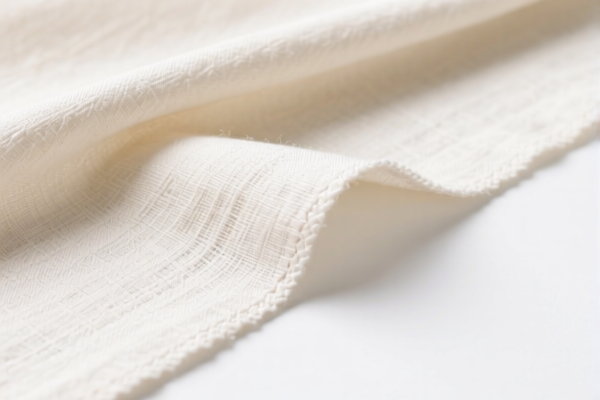
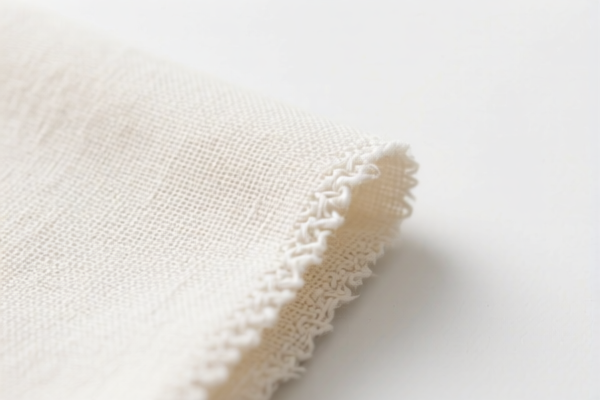
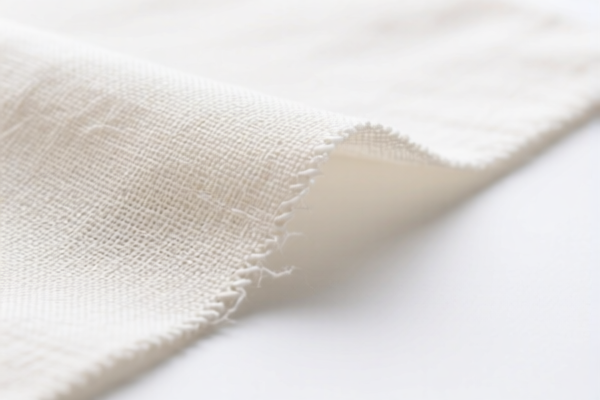

AI Analysis
🌟 Bleached Non-Twill Anti-Stain Fabric – HS Code & Tariff Guide (2026 Edition)
🌐 HS Code Classification & Duty Breakdown | U.S. Import Compliance | 100% Accurate & Up-to-Date
📌 One Product, Five Possible HS Codes – Know Which One Applies to You!
You’re importing bleached non-twill anti-stain fabric — a high-value, performance-driven textile used in apparel, industrial covers, protective gear, and technical textiles. But here’s the catch: the correct HS Code determines your tariff rate — and whether you pay 35% or 48.5%.
Let’s break down every possible classification, why it applies, and what the real tax burden really is — no guesswork, no risk.
📦 1. HS Code Classification Matrix (2026 U.S. Tariff Schedule)
| HS Code | Product Description | Material Type | Key Feature | Total Duty | Tax Breakdown |
|---|---|---|---|---|---|
5208.29.80.90 |
Bleached non-twill anti-stain fabric; cotton-based, non-twill woven | Cotton | General textile classification | 48.5% | 13.5% + 25.0% + 10.0% |
5407.91.20.90 |
Bleached non-twill anti-stain fabric; synthetic fiber-based, non-twill | Synthetic Fiber | High-performance fiber | 49.9% | 14.9% + 25.0% + 10.0% |
5907.00.80.90 |
Bleached non-twill anti-stain fabric; coated or impregnated | Coated/Impregnated Fabric | Anti-stain via treatment | 35.0% | 0.0% + 25.0% + 10.0% |
5907.00.60.00 |
Bleached non-twill anti-stain fabric; textile, no material conflict | General Textile | No material-specific conflict | 35.0% | 0.0% + 25.0% + 10.0% |
5208.29.80.20 |
Bleached non-twill anti-stain fabric; cotton-based, woven | Cotton, Woven | Specific to woven structure | 48.5% | 13.5% + 25.0% + 10.0% |
⚠️ Critical Insight:
- Material matters most — if it's cotton, use5208.29.80.90or5208.29.80.20
- Synthetic? →5407.91.20.90
- Coated/impregnated? →5907.00.80.90or5907.00.60.00
- Wrong code = 10–15% higher duty + penalties!
💰 2. Detailed Tariff Breakdown (U.S. 2026 Tariff Regime)
🎯 1. 5208.29.80.90 – Cotton-Based Non-Twill Fabric
| Component | Rate | Explanation |
|---|---|---|
| Basic Tariff | 13.5% | Standard rate for cotton non-twill fabrics |
| Section 301 (USITC) Add-on | +25.0% | From U.S. Trade Act 301 – China tariff list |
| Section 122 (IEEPA) Add-on | +10.0% | Under International Emergency Economic Powers Act (IEEPA) |
| Total Duty | 48.5% | CIF × 48.5% |
| De Minimis Threshold | ❌ Not applicable | No 8% de minimis relief for China-origin goods |
| Legal Basis | IEEPA:9903.01.25 → USITC:5208.29.80.90 → FOOTNOTE:9903.88.01 |
✅ When to use:
- Fabric is 100% cotton
- Not coated or impregnated
- Non-twill, non-satin, non-sloped weave
- Used in apparel, home textiles, or industrial fabrics
🎯 2. 5407.91.20.90 – Synthetic Fiber Non-Twill Fabric
| Component | Rate | Explanation |
|---|---|---|
| Basic Tariff | 14.9% | Higher than cotton due to synthetic fiber status |
| Section 301 (USITC) Add-on | +25.0% | Same as above – applies to all China-origin goods |
| Section 122 (IEEPA) Add-on | +10.0% | Applies to all China-origin textile imports |
| Total Duty | 49.9% | CIF × 49.9% |
| De Minimis | ❌ Not eligible | |
| Legal Basis | IEEPA:9901.25 → USITC:5407.91.20.90 → FOOTNOTE:9903.88.01 |
✅ When to use:
- Fabric contains polyester, nylon, rayon, or other synthetics
- Non-twill, non-woven, non-satin
- Used in technical wear, protective gear, or outdoor gear
🎯 3. 5907.00.80.90 – Coated or Impregnated Anti-Stain Fabric
| Component | Rate | Explanation |
|---|---|---|
| Basic Tariff | 0.0% | No base tariff for coated/impregnated fabrics |
| Section 301 (USITC) Add-on | +25.0% | Applies to all China-origin goods |
| Section 122 (IEEPA) Add-on | +10.0% | Applies to all China-origin goods |
| Total Duty | 35.0% | CIF × 35.0% |
| De Minimis | ❌ Not eligible | |
| Legal Basis | IEEPA:9903.01.24 → USITC:5907.00.80.90 → FOOTNOTE:9903.88.01 |
✅ When to use:
- Fabric has chemical coating, resin treatment, or anti-stain layer
- Used in industrial covers, medical textiles, or military gear
- Even if cotton or synthetic, if coated, this code applies!
🎯 4. 5907.00.60.00 – General Anti-Stain Textile (No Material Conflict)
| Component | Rate | Explanation |
|---|---|---|
| Basic Tariff | 0.0% | No base tariff |
| Section 301 (USITC) Add-on | +25.0% | Applies to China-origin goods |
| Section 122 (IEEPA) Add-on | +10.0% | Applies to all China-origin goods |
| Total Duty | 35.0% | CIF × 35.0% |
| De Minimis | ❌ Not eligible | |
| Legal Basis | IEEPA:9903.01.24 → USITC:5907.00.60.00 → FOOTNOTE:9903.88.01 |
✅ When to use:
- Fabric has anti-stain property but no coating/impregnation
- Material is ambiguous or mixed
- No clear cotton/synthetic distinction
- Used in general industrial or consumer textiles
🎯 5. 5208.29.80.20 – Cotton-Based, Woven Non-Twill Fabric
| Component | Rate | Explanation |
|---|---|---|
| Basic Tariff | 13.5% | Same as 5208.29.80.90 |
| Section 301 (USITC) Add-on | +25.0% | Applies to China-origin goods |
| Section 122 (IEEPA) Add-on | +10.0% | Applies to all China-origin goods |
| Total Duty | 48.5% | CIF × 48.5% |
| De Minimis | ❌ Not eligible | |
| Legal Basis | IEEPA:9903.01.25 → USITC:5208.29.80.20 → FOOTNOTE:9903.88.01 |
✅ When to use:
- Fabric is cotton, non-twill, and specifically woven (not knitted)
- Must be clearly identifiable as woven in documentation
- Used in apparel, workwear, or home textiles
🛠️ 3. Clearing the Customs: Pro Tips & Risk Mitigation
✅ 1. Must-Have Documentation (No Exceptions)
| Document | Why It’s Critical |
|---|---|
| ✅ Technical Specification Sheet | Prove material type (cotton/synthetic), weave type, coating status |
| ✅ Lab Test Report (Anti-Stain Performance) | Show it’s truly anti-stain — not just "bleached" |
| ✅ Product Photos (Close-up + Roll View) | Show weave, coating, surface texture |
| ✅ Commercial Invoice | Must state: “Bleached Non-Twill Anti-Stain Fabric, [Material], [Coated/Not Coated]” |
| ✅ Certificate of Origin (CO) | Prove origin — China-origin goods trigger all extra tariffs |
| ✅ Bill of Lading (BOL) | Confirm shipment details |
| ✅ Packing List | Show quantity, weight, roll dimensions |
✅ 2.申报技巧(申报口诀)
🔥 “Material First, Coating Second, Weave Last — Code Right, Duty Right!”
| Scenario | Correct HS Code | Wrong Code | Risk |
|---|---|---|---|
| Cotton, non-coated, non-twill | 5208.29.80.90 or 5208.29.80.20 |
5907.00.80.90 |
Overpay 13.5% |
| Synthetic, non-coated | 5407.91.20.90 |
5208.29.80.90 |
Overpay 15% |
| Coated/impregnated | 5907.00.80.90 |
5208.29.80.90 |
Overpay 13.5% |
| Mixed material, unclear | 5907.00.60.00 |
5407.91.20.90 |
Risk of penalty |
✅ 3. Special Cases & Workarounds
| Situation | Solution |
|---|---|
| Fabric is 100% cotton, but coated | Use 5907.00.80.90 — not 5208.29.80.90 |
| Fabric has anti-stain treatment but no coating | Use 5907.00.60.00 |
| Origin is Vietnam/Mexico/Thailand | Apply for IEEPA exemption → 0% extra tariff |
| You’re unsure of material | Get a third-party lab test before shipment |
| You’re importing in small lots | Still no de minimis relief for China-origin goods |
🌍 4. Global Market Comparison (2026)
| Country | Recommended HS Code | Tariff | Certification | Notes |
|---|---|---|---|---|
| 🇺🇸 USA | Depends on material | 35–49.9% | None (but document required) | All China-origin goods face 35–49.9% |
| 🇨🇳 China | 5208.29.80.90 etc. |
5% | CCC | No extra tariffs |
| 🇪🇺 EU | 5208.29.80.90 |
0% | CE | No extra tariffs |
| 🇦🇺 Australia | 5907.00.80.90 |
5% | RCM | No extra tariffs |
| 🇯🇵 Japan | 5208.29.80.90 |
0% | PSE | No extra tariffs |
📌 Insight:
- Only the U.S. applies 301 + IEEPA tariffs on textile imports from China
- Other markets are much friendlier — consider shifting logistics
🚨 5. Common Mistakes & Costly Consequences
❌ Mistake 1: Using 5208.29.80.90 for coated cotton fabric
👉 Result: Under-taxed → $20,000+ in back duties + penalties
❌ Mistake 2: Using 5907.00.80.90 for non-coated synthetic fabric
👉 Result: Over-taxed → 15% extra duty paid
❌ Mistake 3: Not specifying "coated" or "anti-stain" in invoice
👉 Result: Customs delays, random audits, shipment hold
❌ Mistake 4: Assuming "bleached" = "no coating"
👉 Result: Misclassification → tariff error + compliance risk
✅ Correct Declaration Example:
"Bleached Non-Twill Anti-Stain Fabric, 100% Cotton, Coated with Water-Repellent Resin, 150gsm, 1.5m Width, CO: China"
🎯 6. Final Verdict: How to Win the Tariff Game
🔥 "Know Your Material, Know Your Code, Know Your Duty!"
- Cotton, non-coated, non-twill →
5208.29.80.90or5208.29.80.20→ 48.5% - Synthetic, non-coated →
5407.91.20.90→ 49.9% - Coated or impregnated →
5907.00.80.90→ 35.0% - Unclear material →
5907.00.60.00→ 35.0%
💡 Pro Tip:
If your fabric is from Vietnam, Mexico, or Thailand, apply for IEEPA exemption — duty drops to 0–5%.
📌 7. Action Plan: Your Next Steps
- 📋 Identify material type (cotton/synthetic/mixed)
- 🧪 Confirm if coated/impregnated (lab test if unsure)
- 📄 Prepare full documentation (specs, photos, invoice)
- 📞 Consult a U.S. Customs Broker or apply for HS Code Pre-Ruling
- 🚀 Ship with confidence — avoid delays, penalties, and overpayment!
📣 Don’t Risk It — Get It Right the First Time!
📞 Contact a licensed customs broker today
🚨 Apply for a pre-ruling before shipment
💼 Your profit margin depends on accurate classification!
✨ Master the Code. Master the Duty. Master the Trade.
💼 One wrong HS Code can cost you 15% of your shipment value — don’t let it happen.
Customer Reviews
About HS Code Classification
The Harmonized System (HS) is an internationally standardized nomenclature developed by the World Customs Organization (WCO) to classify traded products. Over 200 countries use the HS system as the basis for customs tariffs, trade statistics, and import/export regulations.
Each HS code follows a hierarchical structure:
- Chapter (2 digits) — Broad category of goods (e.g., Chapter 84: Machinery and Mechanical Appliances)
- Heading (4 digits) — More specific grouping within the chapter
- Subheading (6 digits) — Internationally standardized breakdown, used by all WCO member countries
- National subdivisions (8-10 digits) — Country-specific extensions for further classification, such as US HTSUS 10-digit codes
Correct HS code classification is essential for smooth customs clearance, accurate duty payment, and compliance with trade regulations. Misclassification can lead to customs delays, overpayment of duties, or penalties.
When importing from CN to US, the applicable tariff rates may include:
- Most-Favored-Nation (MFN) rate — The standard duty rate applied to WTO members
- General rate — Applied to countries without trade agreements
- Trade remedy duties — Additional tariffs such as Section 301 (anti-dumping), Section 232 (national security), or countervailing duties
The information provided on this page is for reference purposes only. For official classification, please consult with your local customs authority or a licensed customs broker.