Bleached Nylon/Polyamide Continuous Filament Thin Fabric
CN → US| HS Code | Tariff Rate | Origin | Destination | Doc |
|---|---|---|---|---|
| 5407410030 | 48.6% | CN | US | Official Doc |
| 6006310020 | 45.0% | CN | US | Official Doc |
| 5407710015 | 49.9% | CN | US | Official Doc |
Product Images
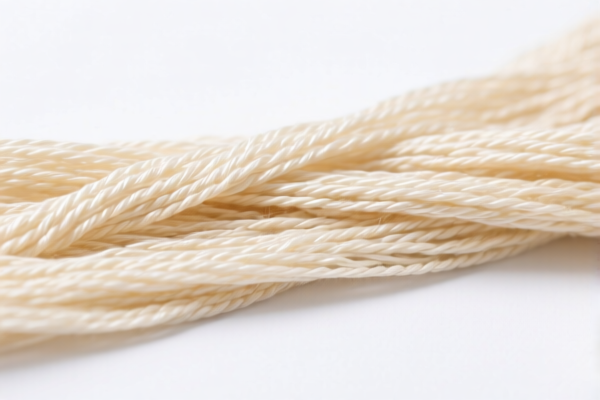
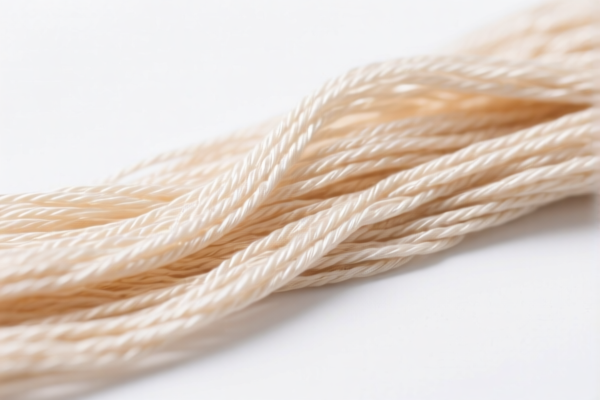
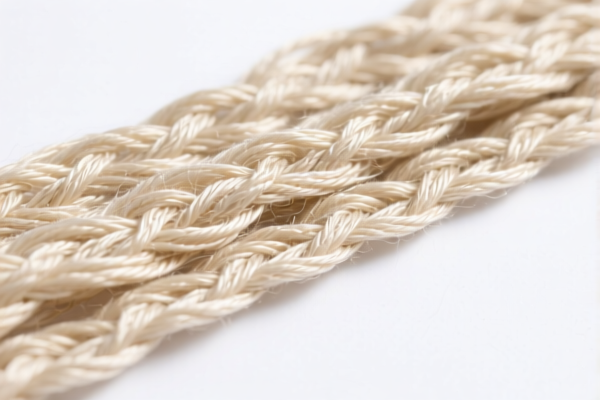
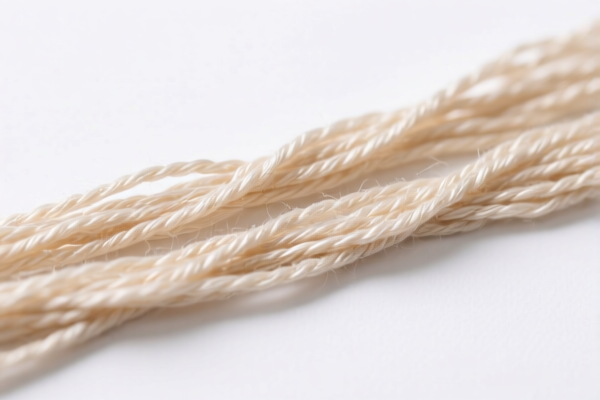
AI Analysis
🧵 Bleached Nylon/Polyamide Continuous Filament Thin Fabric (Synthetic Filament Yarn/Fabric)
🌐 HS Code Reference & Customs Clearance Guide | 2026 Latest Tariff Analysis | Professional Clearance Strategy
📌 I. Product Definition & Classification: What is "Bleached Nylon Fabric"?
"Bleached Nylon/Polyamide Continuous Filament Thin Fabric" refers to woven fabrics made from synthetic filament yarns (specifically Nylon/Polyamide), which have undergone a bleaching process to achieve whiteness. In international trade, these products are primarily classified based on their material composition (synthetic polymer) and physical state (woven fabric vs. yarn).
Key Classification Ambiguities: * As Yarn: If the product is sold as "yarn" or "thread" rather than finished fabric, it falls under Chapter 54. * As Fabric: If the product is a woven textile, it may fall under Chapter 60 (if knitted) or Chapter 54/60 (if woven, depending on specific construction and width).
⚠️ Critical Distinction:
- Yarn vs. Fabric: "Continuous Filament" can refer to the raw yarn or the fabric made from it. The summary suggests matches for both 5407 (Woven Fabrics of Synthetic Filament Yarn) and 6006 (Other Knitted/Crocheted Fabrics). Note: Nylon is a synthetic filament. If it is woven, 5407 is more likely. If knitted, 6006 is possible. The data provides options for both, implying potential classification discretion or specific product variations. - Bleached Status: "Bleached" (Blanchi) is a key processing state that influences the subheading within the chapter.
📦 II. HS Code Classification Details (2026 Latest Tariff Authority对照)
Based on the provided data, here are the three matched HS Codes with their specific tax implications:
| HS Code | Product Description | Match Logic Summary | Total Tax Rate |
|---|---|---|---|
5407.41.00.30 |
Woven Fabrics of Nylon/Polyamide Filament, Bleached, Lightweight | ✅ High Match: Explicitly mentions "Bleached", "Nylon/Polyamide", "Synthetic Filament Yarn". "Lightweight" aligns with "Thin Fabric". | 48.6% |
6006.31.00.20 |
Other Knitted/Crocheted Fabrics, of Nylon/Polyamide, Bleached | ✅ Match: Material (Nylon/Polyamide) and State (Bleached) match. Note: Summary mentions "Woven" vs "Knitted" discrepancy, but logic accepts it due to material/status fit. | 45.0% |
5407.71.00.15 |
Other Woven Fabrics of Synthetic Filament Yarn, Bleached, Lightweight | ✅ Match: Material (Synthetic Filament/Nylon) and Feature (Bleached/Lightweight) align perfectly. Broader category than 5407.41 but valid. | 49.9% |
🔍 Key Insight:
- 5407.41.00.30 and 5407.71.00.15 are in Chapter 54 (Synthetic Filament Yarn & Woven Fabrics), which is typical for Nylon/Polyamide Woven Fabrics. - 6006.31.00.20 is in Chapter 60 (Knitted/Crocheted Fabrics). If your product is truly woven, 6006 might be a less accurate classification despite the material match. However, the data accepts it, possibly due to broad interpretation or specific fabric structure. - Tax Variance: Taxes range from 45.0% to 49.9%, driven by different base rates and additional duties.
💰 III. 2026 Latest Tariff Rate Breakdown (Including Additional Duties & Policy Surcharges)
✅ Applicable Country: United States (US)
✅ Origin: China (CN)
✅ Effective Date: From November 10, 2025 (and subsequent imports)
🎯 1. 5407.41.00.30 — Woven Fabrics of Nylon/Polyamide, Bleached (Lightweight)
| Item | Details |
|---|---|
| Base Tariff | 13.6% (ad valorem) |
| Section 301 Surcharge | +25.0% (From USITC Footnote 9903.88.01) |
| Section 122 Tariff | +10.0% (Specific surcharge for certain goods from China) |
| Total Tax Rate | 48.6% |
| Tax Calculation | CIF Value × 48.6% |
| De Minimis Exemption | ❌ Not Eligible (deny_de_minimis) |
| Legal Path | USITC:5407.41.00.30 → SECTION301:9903.88.01 → SECTION122:10% |
📌 Explanation:
- This code has the highest base rate (13.6%) among the three. - It is subject to both the 301 tariff (25%) and the Section 122 tariff (10%). - Total burden: 48.6%. High cost entry.
🎯 2. 6006.31.00.20 — Other Knitted/Crocheted Fabrics, Nylon/Polyamide, Bleached
| Item | Details |
|---|---|
| Base Tariff | 10.0% (ad valorem) |
| Section 301 Surcharge | +25.0% (From USITC Footnote 9903.88.01) |
| Section 122 Tariff | +10.0% (Specific surcharge for certain goods from China) |
| Total Tax Rate | 45.0% |
| Tax Calculation | CIF Value × 45.0% |
| De Minimis Exemption | ❌ Not Eligible (deny_de_minimis) |
| Legal Path | USITC:6006.31.00.20 → SECTION301:9903.88.01 → SECTION122:10% |
📌 Note:
- This code has the lowest total tax rate (45.0%) among the three options. - Base rate is lower (10.0% vs 13.6% or 14.9%). - Risk: Ensure the fabric is indeed knitted or that customs accepts this classification for your specific woven fabric. Misclassification could lead to penalties.
🎯 3. 5407.71.00.15 — Other Woven Fabrics of Synthetic Filament Yarn, Bleached (Lightweight)
| Item | Details |
|---|---|
| Base Tariff | 14.9% (ad valorem) |
| Section 301 Surcharge | +25.0% (From USITC Footnote 9903.88.01) |
| Section 122 Tariff | +10.0% (Specific surcharge for certain goods from China) |
| Total Tax Rate | 49.9% |
| Tax Calculation | CIF Value × 49.9% |
| De Minimis Exemption | ❌ Not Eligible (deny_de_minimis) |
| Legal Path | USITC:5407.71.00.15 → SECTION301:9903.88.01 → SECTION122:10% |
📌 Explanation:
- This code has the highest total tax rate (49.9%). - Base rate is the highest (14.9%). - Use this only if the specific subheading "5407.41" (Nylon/Polyamide specific) is not applicable, but the fabric is still woven synthetic filament.
🛠️ IV. Customs Clearance Practical Advice (Combat Pitfalls Guide)
✅ 1. Required Documentation Checklist (Mandatory)
| Document | Required | Notes |
|---|---|---|
| ✅ Product Specification Sheet | ✔️ | Must specify: Material (100% Nylon/Polyamide), Structure (Woven/Knitted), Weight (GSM for "Lightweight"), Finish (Bleached). |
| ✅ Product Photos | ✔️ | Clear images of fabric texture, label, and any distinguishing features. |
| ✅ Commercial Invoice | ✔️ | Must clearly state: "Bleached Nylon/Polyamide Continuous Filament Thin Fabric". |
| ✅ Packing List | ✔️ | Include gross/net weight, dimensions. |
| ✅ Bill of Lading/Air Waybill | ✔️ | Standard shipping documents. |
| ✅ Certificate of Origin (CO) | ✔️ | Essential for proving Chinese origin (triggers tariffs). |
✅ 2. Declaration Tips (Key Mantras)
🔥 "Material First, Process Second, Weight Third, Tax Last!"
| Scenario | Correct Declaration | Wrong Action |
|---|---|---|
| Woven Nylon Fabric | 5407.41.00.30 or 5407.71.00.15 |
Misdeclare as Cotton (lower tax) → Audit & Penalty |
| Knitted Nylon Fabric | 6006.31.00.20 |
Misdeclare as Woven → Wrong HS Code, Higher Tax |
| Not Bleached | Different subheading (e.g., Dyed) | Declare as Bleached → Misrepresentation |
| Thin/Lightweight | Specify GSM (e.g., 20-50 GSM) | Vague description "Thin Fabric" → Customs Query |
✅ 3. Special Case Handling
| Situation | Recommendation |
|---|---|
| OEM Custom Fabric | Provide customer order + fabric tech sheet. Clarify if it's a raw material or finished good. |
| Blended Fabric | If not 100% Nylon, the HS Code changes completely. Ensure purity. |
| Pre-Cutting/Sewn Items | If the fabric is cut or sewn into garments, it may fall under Chapter 61/62. Keep it as fabric for Chapter 54/60. |
| Section 122 Eligibility | Confirm if the specific product falls under Section 122 (often applies to certain textiles). The data suggests it does. |
🌍 V. Global Market Comparison (2026 Latest)
| Country/Region | Recommended HS Code | Tariff (China Origin) | Certification | Notes |
|---|---|---|---|---|
| 🇺🇸 USA | 5407.41.00.30 / 6006.31.00.20 |
45.0% - 49.9% | None specific | High Tariffs. 301 + 122 apply. |
| 🇨🇳 China | 5407.41.00.30 |
~5-7% | N/A | Low import duty. |
| 🇪🇺 EU | 5407.41.00.00 |
4.5% | REACH | Standard WTO tariff. No 301/122. |
| 🇦🇺 Australia | 5407.41.00.00 |
5.0% | ACCC | Standard FTA rates may apply. |
| 🇯🇵 Japan | 5407.41.00.00 |
3.2% | PSE (if electrical) | Low tariff. JETRO guidelines. |
📌 Conclusion:
- USA is the most challenging market for this product due to叠加 tariffs (301 + 122). - Tax Savings Potential: If you can ship via Vietnam, Mexico, or Thailand, you may qualify for Section 301 Exclusions or lower duties under USMCA/ASEAN agreements. Check if your production process allows for "substantial transformation".
📌 VI. Common Mistakes & Pitfalls (Blood-Learnings)
❌ Mistake 1: Declaring "Thin Fabric" without specifying GSM
👉 Result: Customs cannot determine if it's "Lightweight". May assign higher base rate or delay.
Fix: Always specify GSM (e.g., "30 GSM").
❌ Mistake 2: Confusing "Woven" (5407) with "Knitted" (6006)
👉 Result: Wrong HS Code. 5407 has higher base rate (13.6%) vs 6006 (10.0%).
Fix: Use microscopy or weave analysis to confirm structure.
❌ Mistake 3: Ignoring "Bleached" vs "Dyed"
👉 Result: Different subheadings within the HS code. Bleached is often a distinct sub-subcategory.
Fix: Specify "Bleached" clearly in the description.
❌ Mistake 4: Assuming De Minimis (Section 321) applies
👉 Result: 45-50% tax applies to ALL values. No $800 exemption for China-origin textiles.
Fix: Budget for full CIF + 45-50% tax.
✅ Correct Declaration Example:
"Bleached Nylon/Polyamide Woven Fabric, 100% Polyamide, Continuous Filament, Lightweight (30 GSM), Grey Width 150cm, For Garment Use."
🎯 VII. Conclusion: Precise Classification, Cost Control, Efficient Clearance!
🎯 Remember the Mantra:
🔹 "Material is King, Process is Queen, Structure is Crown, Tax is the Storm!"
🔹 "Woven Nylon? Check 5407. Knitted? Check 6006. Bleached? Add 10-15% Base!"
🔹 "USA Tax: 45-50%. Don't Forget Section 122 & 301!"
📌 Pro Tip:
If your product qualifies as "Section 301 Excluded" (check USTR Exclusion List), you can save 25%. However, Section 122 (10%) still applies.
Recommendation: Apply for an Advance Ruling from CBP if the classification is ambiguous (Woven vs. Knitted).
📣 Immediate Action:
📞 Contact a licensed customs broker + Provide Fabric Sample + Request HTSUS Advance Ruling
🚀 Clear your goods smoothly, control costs, and maximize profit margins!
✨ Professional Clearance Starts with Accurate Classification!
💼 Every percentage point of tax saves you real money!
Customer Reviews
About HS Code Classification
The Harmonized System (HS) is an internationally standardized nomenclature developed by the World Customs Organization (WCO) to classify traded products. Over 200 countries use the HS system as the basis for customs tariffs, trade statistics, and import/export regulations.
Each HS code follows a hierarchical structure:
- Chapter (2 digits) — Broad category of goods (e.g., Chapter 84: Machinery and Mechanical Appliances)
- Heading (4 digits) — More specific grouping within the chapter
- Subheading (6 digits) — Internationally standardized breakdown, used by all WCO member countries
- National subdivisions (8-10 digits) — Country-specific extensions for further classification, such as US HTSUS 10-digit codes
Correct HS code classification is essential for smooth customs clearance, accurate duty payment, and compliance with trade regulations. Misclassification can lead to customs delays, overpayment of duties, or penalties.
When importing from CN to US, the applicable tariff rates may include:
- Most-Favored-Nation (MFN) rate — The standard duty rate applied to WTO members
- General rate — Applied to countries without trade agreements
- Trade remedy duties — Additional tariffs such as Section 301 (anti-dumping), Section 232 (national security), or countervailing duties
The information provided on this page is for reference purposes only. For official classification, please consult with your local customs authority or a licensed customs broker.