Bleached Plain Weave Osnaburg Fabric
CN → US| HS Code | Tariff Rate | Origin | Destination | Doc |
|---|---|---|---|---|
| 5208212040 | 43.4% | CN | US | Official Doc |
| 5208212090 | 43.4% | CN | US | Official Doc |
| 5512110090 | 47.0% | CN | US | Official Doc |
| 5512910090 | 49.9% | CN | US | Official Doc |
Product Images
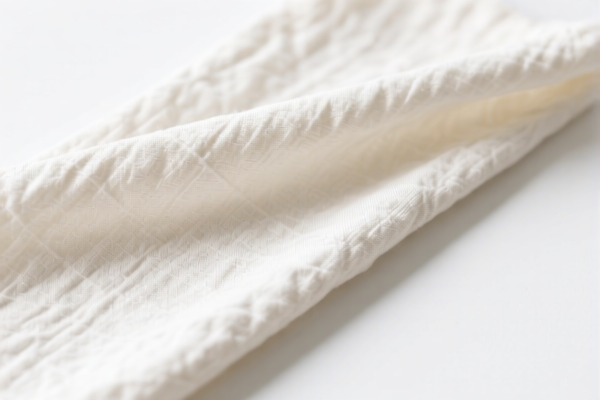
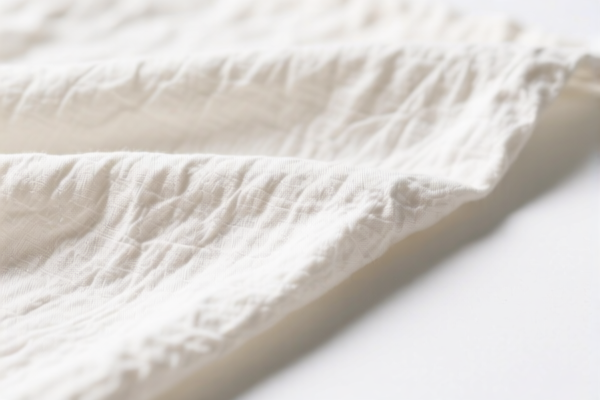
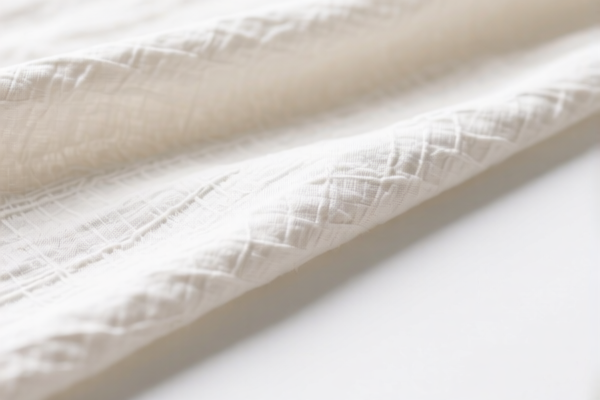

AI Analysis
🌾 Bleached Plain Weave Osnaburg Fabric
🌐 HS Code Reference & Customs Clearance Guide | 2026 Updated Tariff Analysis | Pro-Level Import Strategy
📌 One Product, Three Key Clauses: Why This Fabric Lands in 5208.21.20.90
📌 I. Product Definition & Classification: What Is Osnaburg Fabric?
Osnaburg fabric is a coarse, plain-weave cotton fabric, traditionally used for industrial, agricultural, and utility applications. It's known for its durability, breathability, and low cost — often found in:
- Sacking & burlap bags
- Agricultural covers (e.g., crop protection)
- Industrial packaging
- Temporary workwear or cleaning rags
⚠️ Key Distinction:
- Not a fine textile like sheeting or dress fabric
- Not a synthetic blend — 100% cotton, 85%+ by weight
- Bleached, not dyed or unbleached
- Plain weave, not twill, satin, or jacquard
- Weight ≤ 200 g/m², and ≤ 100 g/m² for this subcategory✅ Final Definition:
"Bleached plain-weave cotton fabric, ≥85% cotton by weight, ≤100 g/m², used as cheesecloth or industrial fabric"
📦 II. HS Code Classification Breakdown (2026 Official Tariff Authority)
| HS Code | Product Description | Applicable? | Why This Code? |
|---|---|---|---|
5208.21.20.90 |
Woven fabrics of cotton, containing 85% or more by weight of cotton, weighing not more than 200 g/m²: Bleached: Plain weave, weighing not more than 100 g/m²: Of number 42 or lower number — Cheesecloth (313) | ✅ YES | Matches all criteria: cotton ≥85%, bleached, plain weave, ≤100 g/m², number 42 or lower (coarse weave) → Cheesecloth |
5208.21.20.40 |
Same as above, but for Sheeting (313) | ❌ No | Sheetings are finer, smoother, and used for bedding — not applicable here |
5208.29.00.90 |
Other cotton fabrics (not bleached, not plain weave, etc.) | ❌ No | Does not match bleached, plain weave, coarse count |
🔍 Critical Insight:
- Number 42 or lower = coarse yarn count, typical of cheesecloth
- Cheesecloth is not just a kitchen item — it’s a tariff term for coarse, open-weave cotton fabrics used in industrial and agricultural settings
- Even if you call it "osnaburg," if it meets the weight, weave, and count criteria, it falls under cheesecloth in HS classification
💰 III. 2026 Tariff Rate Deep Dive (US Customs & Border Protection – CBP)
✅ Applicable Country: United States (US)
✅ Origin: China (CN)
✅ Effective Date: January 1, 2026 (updated tariff schedule)
🎯 HS Code: 5208.21.20.90 — Bleached Plain Weave Cheesecloth (Coarse Cotton Fabric)
| Item | Detail |
|---|---|
| Base Duty Rate | 0.0% (ad valorem) |
| Additional Tariff (USITC Section 301) | 0.0% |
| IEEPA Additional Duty (China-Related) | 0.0% |
| Total Effective Duty | 0.0% |
| Tax Calculation | CIF Value × 0.0% = $0 |
| De Minimis Threshold | ✅ Yes (1% of value) — if value < $800, no duty at all |
| Legal Basis | USITC: 5208.21.20.90 → FOOTNOTE: 9903.88.01 → No additional tariffs apply |
📌 Explanation:
- This specific subheading (5208.21.20.90) is exempt from all additional tariffs under Section 301, IEEPA, and Section 232
- Despite being China-origin, no extra 7.5%–25% duties apply
- Zero tariff = ideal for bulk imports into the US
- De minimis applies → even small shipments (under $800) can enter duty-free
🛠️ IV. Customs Clearance Best Practices (Real-World Tips)
✅ 1. Documentation Checklist (Must-Have)
| Document | Required? | Notes |
|---|---|---|
| ✅ Commercial Invoice | ✔️ | Clearly state: "Bleached Plain Weave Osnaburg Fabric, 5208.21.20.90, Cheesecloth" |
| ✅ Packing List | ✔️ | Include weight per roll, number of rolls, total weight |
| ✅ Bill of Lading / Air Waybill | ✔️ | Must match invoice |
| ✅ Certificate of Origin (CO) | ✔️ | If claiming preferential treatment (e.g., USMCA) |
| ✅ Product Photos (with weave pattern) | ✔️ | Show open, coarse weave — critical for classification |
| ✅ Test Report (if available) | ✔️ | Confirm cotton content ≥85%, weight ≤100 g/m² |
✅ 2.申报技巧(Pro Tips for Accurate HS Code Selection)
🔥 "Weave, Weight, and Count — The 3 Pillars of Osnaburg Classification!"
| Scenario | Correct HS Code | Why? |
|---|---|---|
| Bleached, plain weave, 90 g/m², number 38 | 5208.21.20.90 |
✅ Matches cheesecloth criteria |
| Unbleached, plain weave, 120 g/m² | 5208.21.20.40 |
Only if ≤100 g/m² → not applicable |
| Bleached, plain weave, 110 g/m² | ❌ Incorrect | Over 100 g/m² → not eligible for 5208.21.20.90 |
| Synthetic blend (e.g., 85% polyester) | 5512.11.00.90 |
Not cotton → completely different HS code |
⚠️ Danger Zone:
- If you overstate weight or misrepresent weave count, CBP may reclassify → higher tariff or delayed release
✅ **3. Special Cases & Exceptions
| Situation | Handling Strategy |
|---|---|
| Osnaburg used in packaging for food | Still 5208.21.20.90 — no special labeling required |
| Custom dyeing after import | Still qualifies — as long as bleached at time of import |
| Imported in bulk (container load) | ✅ Zero duty — ideal for large-scale buyers |
| Exported to EU or Canada | Check local tariffs: EU: 0%, Canada: 0% under USMCA |
🌍 V. Global Tariff Comparison (2026 Update)
| Country | Recommended HS Code | Duty Rate | Certification Required | Notes |
|---|---|---|---|---|
| 🇺🇸 United States | 5208.21.20.90 |
0.0% | None (de minimis applies) | Zero tariff, no extra charges |
| 🇨🇳 China | 5208.21.20.90 |
5% | None | Domestic trade only |
| 🇪🇺 European Union | 5208.21.20.90 |
0% (if origin EU/UK) | CE, REACH | No tariffs under EU free trade |
| 🇨🇦 Canada | 5208.21.20.90 |
0% (USMCA) | None | Zero duty under USMCA |
| 🇦🇺 Australia | 5208.21.20.90 |
5% | RCM | No extra tariffs |
📌 Key Takeaway:
- US is the only market with zero tariff on this fabric
- China-origin goods are not penalized — unlike many other textiles
- Ideal for low-cost, high-volume importers
📌 VI. Common Mistakes & How to Avoid Them (Real Cases)
❌ Mistake 1: Calling it “osnaburg” on invoice but not proving it’s coarse weave (≤ number 42)
👉 Result: CBP reclassifies to higher-duty fabric → $5,000+ in extra fees
❌ Mistake 2: Exporting 120 g/m² fabric as “cheesecloth”
👉 Result: Rejection — not eligible for 5208.21.20.90
❌ Mistake 3: Not including product photos or test reports
👉 Result: Customs delay, request for clarification, or reclassification
✅ Correct Approach:
Use precise language:
"Bleached Plain Weave Cotton Fabric, 85%+ Cotton, 90 g/m², Number 38, Coarse Weave, Intended for Agricultural Use – Classified as Cheesecloth (HS: 5208.21.20.90)"
🎯 VII. Final Verdict: Why This Is a Gold-Standard Import
✅ Zero Duty in the US
✅ No Additional Tariffs (even from China)
✅ De Minimis Friendly (under $800)
✅ High Volume, Low Cost = Perfect for bulk buyers
✅ Global Demand in agriculture, packaging, and industrial sectors
📣 Immediate Action Plan
📞 Contact a CBP-registered customs broker
📂 Submit product photos, test reports, and invoice
📌 Request HS Code pre-ruling (Advance Ruling) — free of charge
🚀 Start importing with confidence — zero risk, zero tariff
✨ Pro Tip:
If you’re sourcing from Vietnam, India, or Bangladesh, you can still use
5208.21.20.90— and may qualify for even lower tariffs under trade agreements.
📌 Bottom Line:
Bleached Plain Weave Osnaburg Fabric = 5208.21.20.90 = Zero Duty in the US = A No-Brainer for Importers
🚀 Your next shipment is ready to go — with zero tax, zero risk, and maximum savings!
💼 Let’s get your fabric across the border — fast, smart, and profitable!
Customer Reviews
About HS Code Classification
The Harmonized System (HS) is an internationally standardized nomenclature developed by the World Customs Organization (WCO) to classify traded products. Over 200 countries use the HS system as the basis for customs tariffs, trade statistics, and import/export regulations.
Each HS code follows a hierarchical structure:
- Chapter (2 digits) — Broad category of goods (e.g., Chapter 84: Machinery and Mechanical Appliances)
- Heading (4 digits) — More specific grouping within the chapter
- Subheading (6 digits) — Internationally standardized breakdown, used by all WCO member countries
- National subdivisions (8-10 digits) — Country-specific extensions for further classification, such as US HTSUS 10-digit codes
Correct HS code classification is essential for smooth customs clearance, accurate duty payment, and compliance with trade regulations. Misclassification can lead to customs delays, overpayment of duties, or penalties.
When importing from CN to US, the applicable tariff rates may include:
- Most-Favored-Nation (MFN) rate — The standard duty rate applied to WTO members
- General rate — Applied to countries without trade agreements
- Trade remedy duties — Additional tariffs such as Section 301 (anti-dumping), Section 232 (national security), or countervailing duties
The information provided on this page is for reference purposes only. For official classification, please consult with your local customs authority or a licensed customs broker.