Bleached Preparation Fabric
CN → US| HS Code | Tariff Rate | Origin | Destination | Doc |
|---|---|---|---|---|
| 5903101000 | 37.7% | CN | US | Official Doc |
| 5903901000 | 37.7% | CN | US | Official Doc |
Product Images
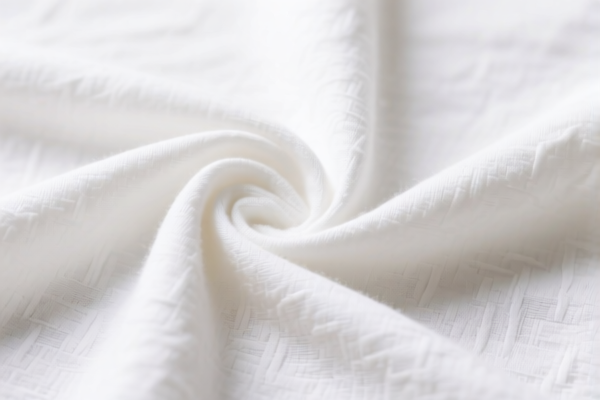
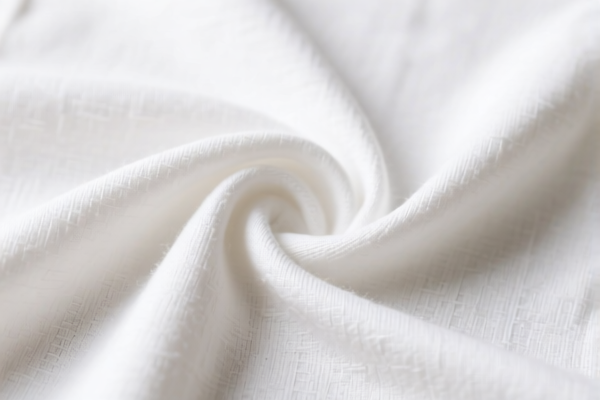

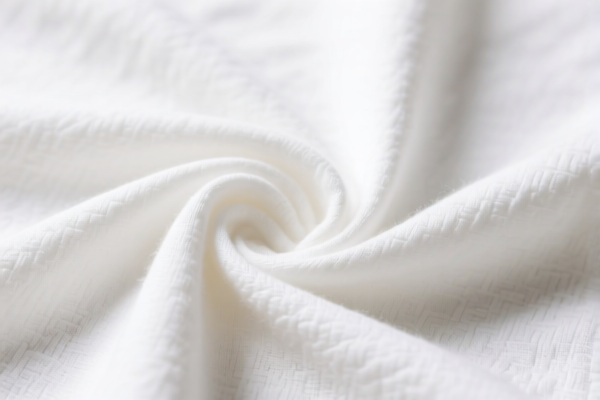
AI Analysis
🧵 Bleached Preparation Fabric (Textile Fabrics Impregnated/Coated/Laminated)
🌐 HS Code Reference & Customs Clearance Guide | 2024/2025 Latest Tariff Analysis | Professional Compliance Strategy
📌 I. Product Definition & Classification: What is "Bleached Preparation Fabric" in this context?
The term "Bleached Preparation Fabric" in the context of your provided data refers specifically to Textile fabrics impregnated, coated, covered or laminated with plastics. It is not plain woven cotton, but rather a composite material where the base textile (specifically Cotton, as per the data) has been treated with plastic materials (PVC or Other).
⚠️ Critical Distinction:
- Plain Bleached Cotton Fabric: Would fall under Chapter 52 (e.g., 5208, 5209, 5211), typically with low or zero base tariffs depending on the trade agreement.
- Plastic-Impregnated/Coated/Laminated Cotton Fabric: Falls under Heading 5903. The presence of plastic changes the essential character of the good, pushing it into a different chapter with specific tariff implications (especially under US Section 301 tariffs).
📦 II. HS Code Classification Details (Based on Provided DATA)
| HS Code | Product Description | Key Characteristics | Base Tariff | Additional Tariff (US) | Total Tariff Rate |
|---|---|---|---|---|---|
5903.10.10.00 |
Textile fabrics impregnated, coated, covered or laminated with plastics: With poly(vinyl chloride) [PVC]: Of cotton | Cotton base + PVC coating/layering | 2.7% | 25.0% | 27.7% |
5903.90.10.00 |
Textile fabrics impregnated, coated, covered or laminated with plastics: Other (non-PVC plastics): Of cotton | Cotton base + Non-PVC plastic (e.g., Polyurethane, PE, Acrylic) | 0.0% | 0.0% | 0.0% |
🔍 Key Takeaway:
- The type of plastic is the deciding factor.
- PVC triggers the 25% additional tariff (Section 301), resulting in a 27.7% total rate.
- Non-PVC plastics enjoy a 0% total rate (0% base + 0% additional).
- Both require Cotton as the textile component.
💰 III. Detailed Tariff Structure & Legal Basis (US Context)
✅ Applicable Jurisdiction: United States (US)
✅ Origin: Likely China (based on typical Section 301 application, though data implies "Additional Tariff" applies broadly to specific codes)
✅ Effective Date: Current as of latest USITC lists
🎯 1. 5903.10.10.00 — PVC-Coated/Laminated Cotton Fabric
| Item | Details |
|---|---|
| Base Tariff (General Rate) | 2.7% (ad valorem) |
| Section 301 Additional Tariff | +25.0% (List 3 / List 4A items) |
| Total Effective Rate | 27.7% |
| Calculation Basis | Applied to CIF Value (Cost, Insurance, Freight) |
| De Minimis Exemption | ❌ Not Eligible (Section 301 tariffs generally apply to all imports, including de minimis unless specifically exempted by CBP) |
| Legal Reference | 19 CFR 123.14 (Section 301); USITC Statistical Number 5903.10.10.00 |
📌 Explanation:
- PVC is a high-volume plastic often targeted for trade action.
- The 25% surcharge is significant and can erode margins for low-value textile goods.
- No duty drawback is typically available for Section 301 tariffs if the finished product is not re-exported under specific conditions.
🎯 2. 5903.90.10.00 — Non-PVC Coated/Laminated Cotton Fabric
| Item | Details |
|---|---|
| Base Tariff (General Rate) | 0.0% |
| Section 301 Additional Tariff | 0.0% |
| Total Effective Rate | 0.0% |
| Calculation Basis | Applied to CIF Value |
| De Minimis Exemption | ✅ May be Eligible (if value < $800, but verify current CBP rulings on textile composites) |
| Legal Reference | USITC Statistical Number 5903.90.10.00 |
📌 Explanation:
- This is a tax-optimized classification if the product uses non-PVC plastics.
- Materials like Polyurethane (PU), Polyethylene (PE), or Acrylic may fall here.
- Zero duty provides a massive competitive advantage over PVC-coated alternatives.
🛠️ IV. Customs Clearance Practical Advice (Avoid Pitfalls)
✅ 1. Documentation Checklist (Mandatory)
| Document | Requirement | Notes |
|---|---|---|
| Commercial Invoice | Must specify "Cotton Fabric + Plastic Type" | e.g., "100% Cotton PVC Laminated Fabric" vs "100% Cotton PU Coated Fabric" |
| Product Specification Sheet | Detail the Plastic Composition | Must clearly state if the plastic is PVC or Non-PVC |
| Material Safety Data Sheet (MSDS) | For the plastic layer | Helps customs verify chemical composition |
| Origin Certificate | Required for trade remedy compliance | If claiming exemption or non-China origin |
| Bill of Lading / Air Waybill | Match invoice details | Consistent description across all docs |
✅ 2. Classification Strategy (Key Tips)
🔥 "Plastic Type is King! PVC = 27.7%, Non-PVC = 0%!"
| Scenario | Recommended HS Code | Risk if Misclassified |
|---|---|---|
| PVC Coated Cotton | 5903.10.10.00 |
If declared as plain cotton (52xx), risk of penalty + back duties + seizure |
| PU/PE Coated Cotton | 5903.90.10.00 |
If declared as PVC, you overpay 27.7% unnecessarily |
| Mixed/Unknown Plastic | Do Not Import | CBP will reject or reclassify based on lab tests; delays inevitable |
✅ 3. Proactive Measures
- Lab Testing: If unsure about the plastic type, send a sample to a third-party lab (e.g., SGS, Intertek) for FTIR (Fourier Transform Infrared Spectroscopy) analysis to confirm if it contains Polyvinyl Chloride.
- Pre-Ruling: Apply for a Customs Ruling from US CBP if the plastic composition is ambiguous. This provides legal certainty.
- Supplier Verification: Require suppliers to certify the plastic type in writing. If they claim "PVC" but you want to classify under 5903.90, you must prove it’s not PVC.
🌍 V. Global Market Comparison (2025 Context)
| Country | HS Code | Tariff Rate | Notes |
|---|---|---|---|
| 🇺🇸 USA | 5903.10.10.00 |
27.7% | High due to Section 301 |
| 🇺🇸 USA | 5903.90.10.00 |
0.0% | Optimal if non-PVC |
| 🇪🇺 EU | 5903 10 | Varies (0-5%) | No Section 301 equivalent; check EU-Trade Defense |
| 🇨🇳 China | 5903 10 | ~10-15% | Import tariff on foreign coated fabrics |
| 🇮🇳 India | 5903 10 | ~10-20% | High protectionist tariffs |
📌 Conclusion:
- USA is the most critical market for tariff optimization.
- Switching from PVC to non-PVC plastic can save 27.7% on every shipment.
- EU and other markets may have lower base tariffs but different environmental regulations (e.g., REACH in EU restricts certain PVC additives).
📌 VI. Common Errors & Pitfalls (Lessons Learned)
❌ Error 1: Declaring PVC-coated fabric as "Plain Cotton Fabric" (HS 52xx)
👉 Consequence: Misclassification → Back duties + 20% penalty + potential fraud allegations.
❌ Error 2: Assuming all coated fabrics are PVC
👉 Consequence: If it’s actually PU, you might declare 5903.10.10.00 and overpay 27.7% when you could have paid 0%.
❌ Error 3: Ignoring the "Cotton" requirement
👉 Consequence: If the base is polyester, it falls under 5903.20 or 5903.90 (non-cotton), which may have different tariffs. Your data only covers Cotton.
✅ Best Practice:
Always specify: "100% Cotton Base + [Plastic Type] Coating/Lamination".
Example:"Cotton Fabric, Bleached, PVC Laminated, for Tarpaulin Use"
vs.
"Cotton Fabric, Bleached, Polyurethane Coated, for Apparel Use"
🎯 VII. Final Recommendations
- Identify Plastic Type: Before shipment, confirm if the plastic is PVC or Non-PVC.
- Optimize Classification: If possible, reformulate or source Non-PVC coated fabrics to benefit from 0% tariff.
- Document Everything: Keep lab reports and supplier certifications to support your HS code declaration.
- Consult a Customs Broker: For large volumes, invest in a Pre-Ruling to lock in your classification and avoid disputes.
📌 Pro Tip:
"PVC costs 27.7%, Non-PVC costs 0%. The difference is profit!"
📞 Action Step: Contact your supplier today to ask: "Is the plastic coating PVC, Polyurethane, Polyethylene, or Other?"
🚀 Result: Clearer classification, lower duties, smoother customs clearance.
✨ Professional clearance starts with precise classification!
💼 Your margin depends on this 27.7% difference!
Customer Reviews
About HS Code Classification
The Harmonized System (HS) is an internationally standardized nomenclature developed by the World Customs Organization (WCO) to classify traded products. Over 200 countries use the HS system as the basis for customs tariffs, trade statistics, and import/export regulations.
Each HS code follows a hierarchical structure:
- Chapter (2 digits) — Broad category of goods (e.g., Chapter 84: Machinery and Mechanical Appliances)
- Heading (4 digits) — More specific grouping within the chapter
- Subheading (6 digits) — Internationally standardized breakdown, used by all WCO member countries
- National subdivisions (8-10 digits) — Country-specific extensions for further classification, such as US HTSUS 10-digit codes
Correct HS code classification is essential for smooth customs clearance, accurate duty payment, and compliance with trade regulations. Misclassification can lead to customs delays, overpayment of duties, or penalties.
When importing from CN to US, the applicable tariff rates may include:
- Most-Favored-Nation (MFN) rate — The standard duty rate applied to WTO members
- General rate — Applied to countries without trade agreements
- Trade remedy duties — Additional tariffs such as Section 301 (anti-dumping), Section 232 (national security), or countervailing duties
The information provided on this page is for reference purposes only. For official classification, please consult with your local customs authority or a licensed customs broker.