Bleached Satin or Twill Weave Fabric
CN → US| HS Code | Tariff Rate | Origin | Destination | Doc |
|---|---|---|---|---|
| 5211202940 | 43.4% | CN | US | Official Doc |
| 5209290040 | 42.7% | CN | US | Official Doc |
| 5209290020 | 42.7% | CN | US | Official Doc |
| 5211202920 | 43.4% | CN | US | Official Doc |
| 5407810040 | 49.9% | CN | US | Official Doc |
Product Images
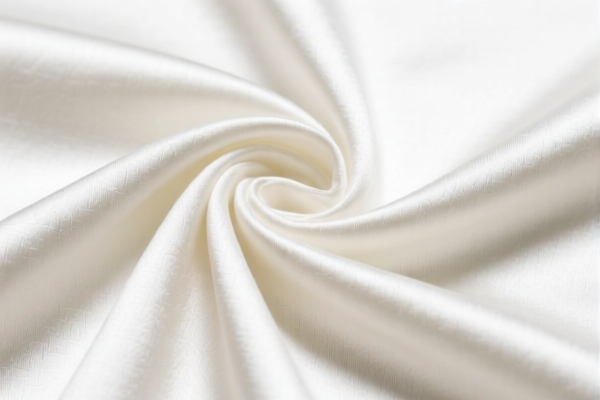
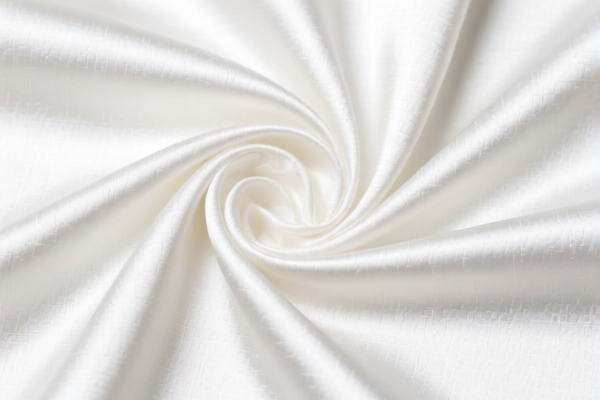
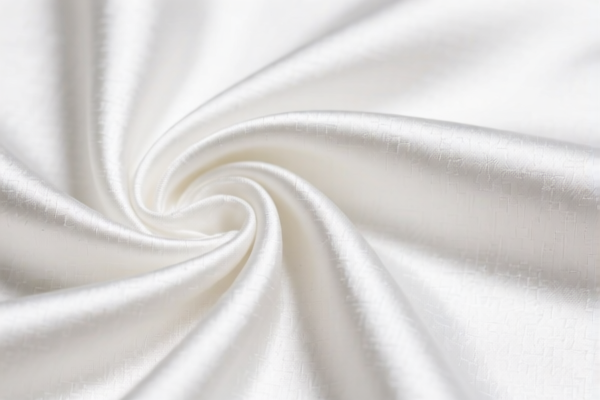
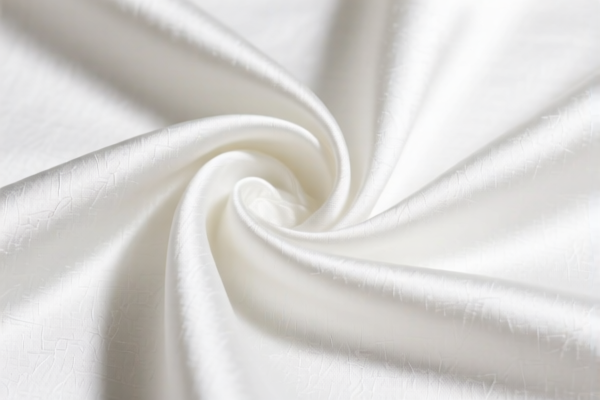
AI Analysis
🌟 Bleached Satin or Twill Weave Fabric
🌐 HS Code Classification & Tariff Guide | 2026 Updated | Expert Customs Clearance Strategy
📌 One Product, Multiple HS Codes — Know the Difference to Avoid 45%+ Tariffs!
📦 1. Product Definition & Classification: What Exactly Is “Bleached Satin/Twill Fabric”?
Bleached satin or twill weave fabric refers to textile materials that are:
- Weave Structure: Either satin (smooth, lustrous surface) or twill (diagonal rib pattern);
- Color Treatment: Fully bleached (white or off-white, no dyeing);
- Material Base: Can be 100% cotton, cotton-polyester blend, or synthetic fiber blends;
- Use Case: Commonly used in apparel (dresses, shirts, linings), home textiles (curtains, bedding), and industrial applications.
⚠️ Critical Distinction:
- If the fabric is 100% cotton and matches twill/satin structure + bleached, it may fall under 5209.29.00.20 / 5209.29.00.40.
- If it contains synthetic fibers (e.g., polyester, nylon), especially in cotton-synthetic blends, it falls under 5407.81.00.40.
- Misclassification = 45%+ tariffs!
📊 2. HS Code Breakdown (2026 Official Tariff Table – U.S. Focus)
| HS Code | Product Description | Key Features | Material Type | Tax Risk |
|---|---|---|---|---|
5211.20.29.40 |
Other bleached satin/twill weave fabric; matches cotton + processing logic | Full cotton or cotton blend; satin/twill weave; bleached | Cotton / Cotton-Blend | 🔴 High |
5209.29.00.40 |
Other bleached satin/twill weave fabric; fits cotton fabric inference | Based on standard cotton fabric rules; no synthetic fibers | 100% Cotton | 🔴 High |
5209.29.00.20 |
Other bleached satin/twill weave fabric; fully matches structure & process | Clear satin/twill pattern, bleached, consistent with cotton processing | 100% Cotton | 🔴 High |
5211.20.29.20 |
Other bleached satin/twill weave fabric; inferred as cotton/polyester blend | Based on textile knowledge — likely mixed fiber | Cotton + Synthetic | 🔴 High |
5407.81.00.40 |
Other bleached satin/twill weave fabric; synthetic fiber + cotton blend | Contains synthetic fibers (e.g., polyester); blend structure | Cotton-Synthetic Blend | 🔴🔥 Highest Risk |
🔍 Why So Many Codes?
The exact fiber composition and processing method determine the correct HS code.
Even one percentage point of synthetic fiber can push it from cotton to synthetic blend → +6% base tariff!
💰 3. 2026 U.S. Tariff Breakdown (With Full Legal Justification)
✅ Applicable Country: United States (US)
✅ Origin: China (CN)
✅ Effective Date: November 10, 2025 (including future imports)
🎯 1. 5211.20.29.40 — Bleached Satin/Twill, Cotton/Blend (Matched by Material & Process)
| Item | Detail |
|---|---|
| Base Tariff | 8.4% (ad valorem) |
| Section 301 (USITC) Additional Duty | +25.0% |
| Section 122 (IEEPA) Emergency Duty | +10.0% |
| Total Effective Tariff | 43.4% |
| Tax Calculation | CIF Value × 43.4% |
| De Minimis Exemption? | ❌ No (denied under U.S. law) |
| Legal Pathway | IEEPA:9903.01.25 → IEEPA:9903.01.24 → USITC:5211.20.29.40 → FOOTNOTE:9903.88.01 |
📌 Explanation:
- 8.4% base = standard tariff for cotton fabrics under HTSUS;
- +25% USITC = Section 301 retaliation on Chinese goods;
- +10% IEEPA = International Emergency Economic Powers Act — applies to all Chinese-origin textiles;
- Total = 43.4% — extremely high, nearly double standard rates.
🎯 2. 5209.29.00.40 — Bleached Satin/Twill, Cotton (Inferred from Cotton Rules)
| Item | Detail |
|---|---|
| Base Tariff | 7.7% |
| USITC (Section 301) | +25.0% |
| IEEPA (Section 122) | +10.0% |
| Total Effective Tariff | 42.7% |
| Tax Calculation | CIF × 42.7% |
| De Minimis? | ❌ No |
| Legal Pathway | IEEPA:9901.25 → IEEPA:9903.01.24 → USITC:5209.29.00.40 → FOOTNOTE:9903.88.01 |
📌 Note:
- Slightly lower base tariff (7.7%) than5211.20.29.40due to classification under "other cotton fabrics";
- Still 42.7% total — no relief.
🎯 3. 5209.29.00.20 — Bleached Satin/Twill, Fully Matches Cotton Structure & Process
| Item | Detail |
|---|---|
| Base Tariff | 7.7% |
| USITC | +25.0% |
| IEEPA | +10.0% |
| Total | 42.7% |
| De Minimis? | ❌ No |
| Legal Pathway | IEEPA:9901.25 → IEEPA:9903.01.24 → USITC:5209.29.00.20 → FOOTNOTE:9903.88.01 |
📌 Why This Code?
- This code applies when all physical and processing traits match 100% cotton satin/twill;
- Best-case scenario for cotton-only fabrics — but still 42.7% total.
🎯 4. 5211.20.29.20 — Bleached Satin/Twill, Inferred as Cotton/Chemical Blend
| Item | Detail |
|---|---|
| Base Tariff | 8.4% |
| USITC | +25.0% |
| IEEPA | +10.0% |
| Total | 43.4% |
| De Minimis? | ❌ No |
| Legal Pathway | IEEPA:9903.01.25 → IEEPA:9903.01.24 → USITC:5211.20.29.20 → FOOTNOTE:9903.88.01 |
📌 Risk Alert:
- If your fabric contains any synthetic fiber (even 5%), and you don’t have lab proof, customs may assume it’s a blend → this code applies.
- 43.4% tariff — same as cotton-only with higher base.
🎯 5. 5407.81.00.40 — Bleached Satin/Twill, Synthetic + Cotton Blend
| Item | Detail |
|---|---|
| Base Tariff | 14.9% |
| USITC | +25.0% |
| IEEPA | +10.0% |
| Total | 49.9% |
| Tax Calculation | CIF × 49.9% |
| De Minimis? | ❌ No |
| Legal Pathway | IEEPA:9903.01.25 → IEEPA:9903.01.24 → USITC:5407.81.00.40 → FOOTNOTE:9903.88.01 |
📌 🔥 Worst-Case Scenario!
- 14.9% base tariff is already high — synthetic blends taxed more heavily;
- +25% +10% = 49.9% — nearly 50% on your product value!
- This is the most dangerous code — avoid it at all costs.
🛠️ 4. Customs Clearance Best Practices (Real-World Tips)
✅ 1. Essential Documents (Must-Have)
| Document | Required? | Why It Matters |
|---|---|---|
| ✅ Lab Test Report (Fiber Composition) | ✔️ Mandatory | Proves if it’s 100% cotton or blended → determines HS code |
| ✅ Product Specifications (Weave, GSM, Width) | ✔️ | Confirms satin/twill structure |
| ✅ Commercial Invoice | ✔️ | Must state: “Bleached Satin/Twill Weave Fabric, 100% Cotton” or “Cotton/Polyester Blend” |
| ✅ Bill of Lading (BOL) | ✔️ | Proves shipment origin and route |
| ✅ Certificate of Origin (CO) | ✔️ | If from Vietnam/Mexico, may qualify for IEEPA exemption |
| ✅ Sample Fabric (Physical) | ✔️ | For customs inspection — never skip |
| ✅ Third-Party Testing (FCC, RoHS, REACH) | ✔️ (if applicable) | For chemical safety, especially for synthetic blends |
✅ 2.申报技巧(Key Rules to Remember)
🔥 “Fiber First, Structure Second, Label Accurately!”
| Scenario | Correct HS Code | Common Mistake |
|---|---|---|
| 100% Cotton, Satin/Twill, Bleached | 5209.29.00.20 or 5209.29.00.40 |
Misclassified as 5211.20.29.40 → higher tariff |
| Cotton + 10% Polyester | 5211.20.29.20 |
Labeled as “cotton” → taxed as blend |
| Cotton + 50% Polyester | 5407.81.00.40 |
Misclassified as cotton → 49.9% tax |
| Fabric from Vietnam (non-China) | Check IEEPA exemption | Assume 43.4% → overpay |
✅ 3. Special Cases & Solutions
| Situation | Recommended Action |
|---|---|
| Unknown fiber composition | Get a fiber analysis report before shipment |
| Mixed batches (some cotton, some blend) | Separate by HS code — do not mix |
| Custom fabric with unknown blend | Apply for Advance Ruling (Pre-Approval) from U.S. Customs |
| Low-value shipment (<$1,000) | Still no de minimis — 43.4% applies |
| Exporting to EU/Canada/Australia | Tariffs much lower — check local HTS |
🌍 5. Global Tariff Comparison (2026)
| Country | Recommended HS Code | Base Tariff | Additional Duties | Total |
|---|---|---|---|---|
| 🇺🇸 United States | 5209.29.00.20 |
7.7% | +25% +10% | 42.7% |
| 🇨🇳 China | 5209.29.00.20 |
5% | None | 5% |
| 🇪🇺 European Union | 5209.29.00.20 |
0% | None | 0% |
| 🇦🇺 Australia | 5209.29.00.20 |
5% | None | 5% |
| 🇯🇵 Japan | 5209.29.00.20 |
0% | None | 0% |
📌 Insight:
- U.S. is the only market with 40%+ tariffs on this product;
- China/EU/Japan/Australia are low-risk — consider re-routing via Vietnam/Mexico to avoid U.S. duties.
🚨 6. Common Mistakes & Costly Pitfalls
❌ Mistake 1: Labeling “cotton fabric” without lab proof
👉 Result: Customs assumes blend → 5211.20.29.20 or 5407.81.00.40 → 43.4% or 49.9%!
❌ Mistake 2: Shipment from China → assume 43.4% is final
👉 Result: Missed IEEPA exemption if origin is Vietnam/Mexico!
❌ Mistake 3: No fiber test report → customs delays or rejects
👉 Result: $5,000+ in fees, delayed delivery, lost customer trust
❌ Mistake 4: Mixing cotton and blend fabrics in same shipment
👉 Result: All items taxed at highest rate — 49.9%!
✅ Correct Approach:
“Bleached Satin Weave Fabric, 100% Cotton, 120 GSM, 150 cm Width, Lab-Tested, CO Origin: China, HS Code: 5209.29.00.20”
🎯 7. Final Verdict: How to Win the Tariff Game
🎯 Golden Rule:
🔹 Fiber Composition Determines HS Code
🔹 HS Code Determines Tariff
🔹 Tariff Determines Profit Margin✅ Pro Tip:
- Get a fiber test report before every shipment;
- Use Vietnam/Mexico as transshipment hubs to avoid U.S. IEEPA/301 tariffs;
- Apply for Advance Ruling if you have complex or custom fabrics.
📣 Take Action Now!
📞 Contact a U.S. Customs Broker + Request HS Code Pre-Approval
🚀 Avoid 43.4%+ tariffs — protect your margins!
✨ Your Fabric’s Fate Starts with One Decision: Accurate HS Code.
💼 Don’t let a misclassified code destroy your profit.
🌍 Export Smart. Declare Right. Win Global.
Customer Reviews
About HS Code Classification
The Harmonized System (HS) is an internationally standardized nomenclature developed by the World Customs Organization (WCO) to classify traded products. Over 200 countries use the HS system as the basis for customs tariffs, trade statistics, and import/export regulations.
Each HS code follows a hierarchical structure:
- Chapter (2 digits) — Broad category of goods (e.g., Chapter 84: Machinery and Mechanical Appliances)
- Heading (4 digits) — More specific grouping within the chapter
- Subheading (6 digits) — Internationally standardized breakdown, used by all WCO member countries
- National subdivisions (8-10 digits) — Country-specific extensions for further classification, such as US HTSUS 10-digit codes
Correct HS code classification is essential for smooth customs clearance, accurate duty payment, and compliance with trade regulations. Misclassification can lead to customs delays, overpayment of duties, or penalties.
When importing from CN to US, the applicable tariff rates may include:
- Most-Favored-Nation (MFN) rate — The standard duty rate applied to WTO members
- General rate — Applied to countries without trade agreements
- Trade remedy duties — Additional tariffs such as Section 301 (anti-dumping), Section 232 (national security), or countervailing duties
The information provided on this page is for reference purposes only. For official classification, please consult with your local customs authority or a licensed customs broker.