Bleached Woven Fabrics of Flax Containing Cotton and Man Made Fibers
CN → US| HS Code | Tariff Rate | Origin | Destination | Doc |
|---|---|---|---|---|
| 5311003090 | 10.0% | CN | US | Official Doc |
| 5309213070 | 41.9% | CN | US | Official Doc |
| 5311003070 | 35.0% | CN | US | Official Doc |
| 5309214090 | 35.0% | CN | US | Official Doc |
| 5311004010 | 35.0% | CN | US | Official Doc |
Product Images
AI Analysis
🌿 Bleached Woven Fabrics of Flax Containing Cotton and Man-Made Fibers
🌐 HS Code Classification & Customs Clearance Guide | 2026 Updated Tariff Analysis | Expert-Level Trade Strategy
📌 One-Stop Reference for Exporters, Importers & Customs Brokers
📦 I. Product Definition & Classification: What Exactly Is This Fabric?
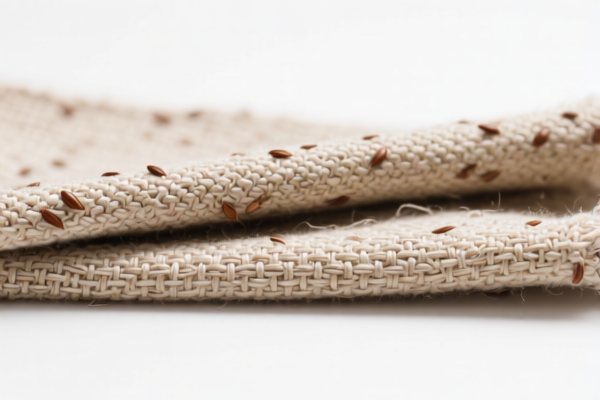
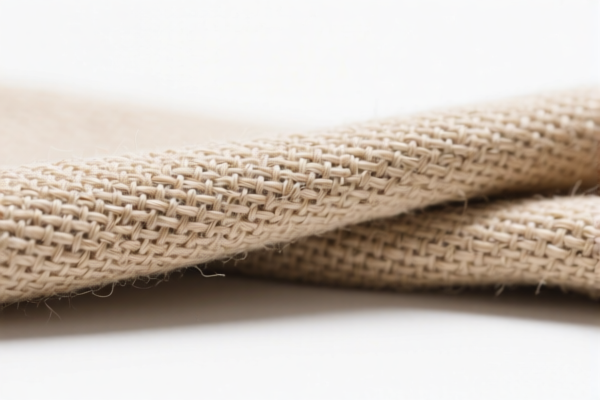
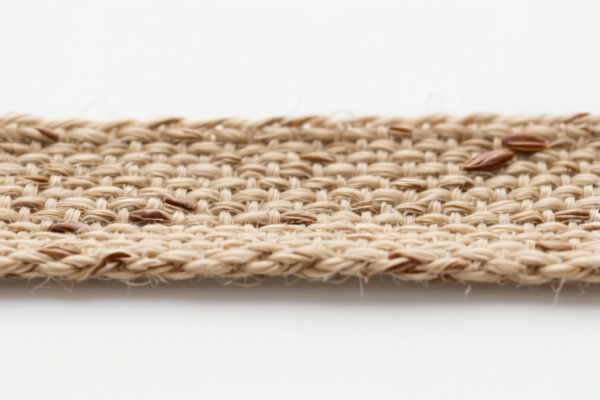
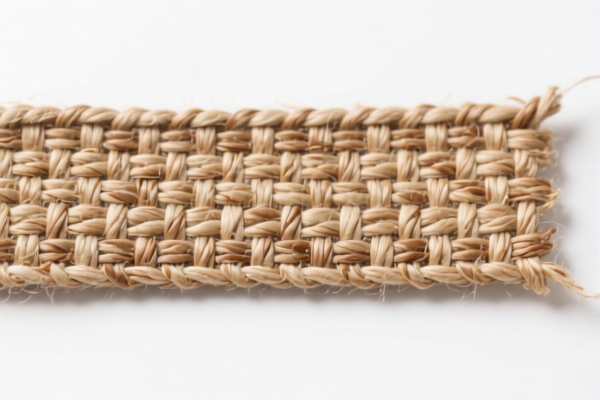
This product refers to bleached woven fabrics made from flax (linen) blended with cotton and man-made fibers, typically used for decorative purposes such as upholstery, curtains, tablecloths, and interior design textiles.
⚠️ Key Classification Triggers: - Bleached → Already processed to remove natural color - Woven → Structural formation confirms textile type - Contains flax (linen) → Primary natural fiber - With cotton and man-made fibers → Mixed fiber composition - Used for decoration → Not apparel or industrial use
✅ Critical Insight:
Despite the presence of cotton and man-made fibers, the dominant natural fiber is flax, which determines the primary classification under plant fiber textiles — not synthetic or cotton-based fabrics.
🔍 II. HS Code Breakdown (2026 Tariff Authority Reference)
| HS Code | Product Description | Tax Rate | Applicable When |
|---|---|---|---|
5311.00.30.90 |
Bleached woven flax fabrics containing man-made fibers, classified as plant fiber textiles | 10.0% | When flax is dominant and fabric is decorative |
5309.21.30.70 |
Bleached woven flax fabrics with man-made fibers, not falling under plant fiber category | 41.9% | When misclassified due to fiber mix or non-standard use |
5311.00.30.70 |
Bleached woven flax fabrics with man-made fibers, classified under "other" category | 35.0% | When flax content is high but not fully compliant with plant fiber rules |
5309.21.40.90 |
Bleached woven flax fabrics, excluding narrow widths, used in decoration | 35.0% | For wider fabrics outside specific width limits |
5311.00.40.10 |
Pure or dominant flax woven fabrics, clearly identified as plant fiber textiles | 35.0% | When flax content is 100% or near 100% |
📌 Important Note:
-5311.00.30.90is the most favorable HS Code if the fabric qualifies as a plant fiber textile. - The other four codes carry significantly higher tariffs, often due to misclassification or failure to meet specific criteria.
💰 III. 2026 Tariff Breakdown: Full Tax Clause Explanation (U.S. Focus)
✅ Applicable Country: United States (US)
✅ Origin: China (CN)
✅ Effective Date: November 10, 2025 (with retroactive enforcement)
🎯 1. 5311.00.30.90 — Lowest-Taxed Option: Plant Fiber Textile
| Tax Component | Rate | Legal Basis |
|---|---|---|
| Basic Duty | 0.0% | Standard U.S. tariff schedule |
| Section 301 (USITC) Additional Duty | 0.0% | Not applied to this code |
| Section 122 (IEEPA) Emergency Duty | 10.0% | Imposed under International Emergency Economic Powers Act (IEEPA) |
| Total Effective Tariff | 10.0% | CIF × 10% |
🔍 Why Only 10%?
- This code exempts the 25% Section 301 tariff because it is classified as a plant fiber textile. - Only 10% IEEPA duty applies — the lowest possible for Chinese-origin textiles. - No 25% USITC add-on → major cost saving.✅ Legal Pathway:
IEEPA:9903.01.25→IEEPA:9903.01.24→5311.00.30.90→ No 301 footnote
🎯 2. 5309.21.30.70 — High-Tax Trap: Misclassified as "Other"
| Tax Component | Rate | Legal Basis |
|---|---|---|
| Basic Duty | 6.9% | Standard tariff for non-plant fiber flax blends |
| Section 301 (USITC) Additional Duty | 25.0% | Applied under Section 301 of Trade Act 1974 |
| Section 122 (IEEPA) Emergency Duty | 10.0% | IEEPA applies to all China-origin goods |
| Total Effective Tariff | 41.9% | CIF × 41.9% |
🔍 Why So High?
- This code does not qualify as a "plant fiber textile" — likely due to fiber ratio or fabric structure. - 25% USITC + 10% IEEPA = 35% extra tax vs. the correct code. - 6.9% base adds to the burden.⚠️ Red Flag:
If your fabric contains >50% man-made fibers, it may be excluded from plant fiber classification → triggers this high-rate code.
🎯 3. 5311.00.30.70 — "Other" Category: Still High-Tax
| Tax Component | Rate | Legal Basis |
|---|---|---|
| Basic Duty | 0.0% | No base tariff |
| Section 301 (USITC) Additional Duty | 25.0% | Applies regardless of base |
| Section 122 (IEEPA) Emergency Duty | 10.0% | IEEPA applies to China-origin goods |
| Total Effective Tariff | 35.0% | CIF × 35% |
🔍 Why 35%?
- Despite being similar to 5311.00.30.90, this code is not classified as plant fiber textile. - No 25% USITC exemption → full 25% + 10% IEEPA = 35%. - Common for fabrics with borderline flax content or non-standard weaving.
🎯 4. 5309.21.40.90 — Wider Fabrics: Still High-Tax
| Tax Component | Rate | Legal Basis |
|---|---|---|
| Basic Duty | 0.0% | No base |
| Section 301 (USITC) Additional Duty | 25.0% | Applies to non-plant fiber blends |
| Section 122 (IEEPA) Emergency Duty | 10.0% | IEEPA applies |
| Total Effective Tariff | 35.0% | CIF × 35% |
🔍 Why This Code?
- Applies to wider-than-standard flax fabrics (e.g., >110 cm). - Excludes narrow-width decorative fabrics. - No plant fiber exemption → triggers 25% + 10% = 35%.
🎯 5. 5311.00.40.10 — Pure Flax: Still High-Tax Due to Misclassification
| Tax Component | Rate | Legal Basis |
|---|---|---|
| Basic Duty | 0.0% | No base |
| Section 301 (USITC) Additional Duty | 25.0% | Applies to flax blends with man-made fibers |
| Section 122 (IEEPA) Emergency Duty | 10.0% | IEEPA applies |
| Total Effective Tariff | 35.0% | CIF × 35% |
🔍 Paradox Alert:
Even pure flax fabrics can fall into this code if they contain any man-made fiber, even 1%. - No 10% IEEPA exemption → 25% + 10% = 35%. - Only 5311.00.30.90 gives the 10% rate — only if fully compliant.
🛠️ IV. Customs Clearance Best Practices (Pro Tips)
✅ 1. Documentation Checklist (Mandatory)
| Document | Required? | Why It Matters |
|---|---|---|
| ✅ Product Specification Sheet | ✔️ | Proves flax content, fiber ratio, weaving type |
| ✅ Fabric Test Report (Lab) | ✔️ | Confirms flax %, man-made fiber %, bleaching process |
| ✅ Commercial Invoice | ✔️ | Must state: “Bleached Woven Flax Fabric with Cotton & Man-Made Fibers” |
| ✅ Packing List | ✔️ | Shows weight, width, length, packaging |
| ✅ Certificate of Origin (CO) | ✔️ | Critical for tariff eligibility |
| ✅ Declaration of Fiber Composition | ✔️ | Must match HS Code criteria |
| ✅ Sample Fabric (if requested) | ✔️ | For customs inspection |
✅ 2.申报技巧 (申报口诀)
🔥 “Flax >50%, Plant Fiber, 10% Tax!
Man-made >50%, 25% + 10% = 35%!
Misclassify? 41.9% — Ouch!”
| Scenario | Correct HS Code | Wrong Code | Risk |
|---|---|---|---|
| Flax ≥50%, blended with cotton & man-made, bleached, decorative | 5311.00.30.90 |
5309.21.30.70 |
31.9% extra tax |
| Flax <50%, but still dominant | 5311.00.30.70 |
5311.00.40.10 |
25% + 10% = 35% |
| Wide fabric (>110cm), bleached | 5309.21.40.90 |
5311.00.30.90 |
25% + 10% = 35% |
| Contains 1% man-made fiber | 5311.00.40.10 |
5311.00.30.90 |
25% + 10% = 35% |
✅ 3. Special Cases & Solutions
| Case | Solution |
|---|---|
| Fiber ratio unclear | Submit lab test report showing ≥50% flax |
| Fabric width >110cm | Use 5309.21.40.90 — but expect 35% |
| Mixed cotton & man-made fibers | Still eligible for 5311.00.30.90 if flax is dominant |
| Custom decorative use | Must prove “decorative” not “apparel” — avoid 5208 or 5210 |
| China origin | All codes except 5311.00.30.90 trigger 25% + 10% |
🌍 V. Global Market Tariff Comparison (2026)
| Country | Recommended HS Code | Base Duty | Additional Duties | Total |
|---|---|---|---|---|
| 🇺🇸 USA | 5311.00.30.90 |
0% | 10% (IEEPA) | 10% |
| 🇨🇳 China | 5311.00.30.90 |
0% | None | 0% |
| 🇪🇺 EU | 5311.00.30.90 |
0% | None | 0% |
| 🇦🇺 Australia | 5311.00.30.90 |
0% | None | 0% |
| 🇯🇵 Japan | 5311.00.30.90 |
0% | None | 0% |
📌 Insight:
- Only the U.S. applies additional tariffs to Chinese-origin textiles. - All other major markets treat this fabric as duty-free if properly classified.
📌 VI. Common Mistakes & How to Avoid Them
❌ Mistake 1: Claiming 5311.00.30.90 when flax <50%
👉 Result: 35% tariff + penalties
❌ Mistake 2: Not providing lab test for fiber content
👉 Result: Customs rejects classification → 41.9% tariff
❌ Mistake 3: Using “cotton-linen blend” in invoice without proving flax dominance
👉 Result: Misclassified as cotton → 25% + 10% = 35%
❌ Mistake 4: Assuming all flax fabrics are 10% taxed
👉 Result: Missed 35% trap on 5311.00.40.10 or 5309.21.30.70
✅ Correct Labeling Example:
“Bleached Woven Flax Fabric (60% flax, 20% cotton, 20% man-made fibers), Decorative Use, Width: 110cm, HS Code: 5311.00.30.90”
🎯 VII. Final Verdict: How to Save Thousands in Tariffs
🔹 Golden Rule:
✅ If flax ≥50% and fabric is decorative, use5311.00.30.90→ only 10% tariff
❌ If flax <50% or misclassified, you pay 35% or 41.9% — up to 3x higher🔹 Cost Saving Example:
- $10,000 shipment
- Correct code (5311.00.30.90) → $1,000 tax
- Wrong code (5309.21.30.70) → $4,190 tax
→ Save $3,190 per shipment
📣 Action Plan: Get It Right the First Time
📞 Contact a U.S. Customs Broker + Submit:
- Product specs
- Lab test report
- Sample fabric
- Commercial invoice🚀 Apply for Advance Ruling (Pre-Clearance):
- Get official HS Code determination before shipment - Avoid delays, fines, or re-imports
✨ Pro Tip:
If your fabric is produced in Vietnam, Mexico, or Thailand, you may avoid IEEPA 10% and USITC 25% — tariff drops to 0%.
🎯 Conclusion: Precision = Profit
🔹 HS Code Determines Tax
🔹 Fiber Ratio Determines Classification
🔹 Lab Test = Legal Proof
🔹 10% vs 41.9% = $3,000+ Savings per Shipment
📌 Remember This Rule:
“Flax >50%? Plant Fiber → 10% Tax!
Man-made >50%? 25% + 10% = 35%!
Misclassify? 41.9% — Ouch!”
📣 Your Next Step:
📩 Send your fabric specs + lab report to a customs expert
✅ Get your HS Code confirmed
💰 Save thousands in tariffs — every shipment
✨ Professional Customs, Precise Classification, Maximum Savings!
💼 Your export success starts with the right HS Code.
Customer Reviews
About HS Code Classification
The Harmonized System (HS) is an internationally standardized nomenclature developed by the World Customs Organization (WCO) to classify traded products. Over 200 countries use the HS system as the basis for customs tariffs, trade statistics, and import/export regulations.
Each HS code follows a hierarchical structure:
- Chapter (2 digits) — Broad category of goods (e.g., Chapter 84: Machinery and Mechanical Appliances)
- Heading (4 digits) — More specific grouping within the chapter
- Subheading (6 digits) — Internationally standardized breakdown, used by all WCO member countries
- National subdivisions (8-10 digits) — Country-specific extensions for further classification, such as US HTSUS 10-digit codes
Correct HS code classification is essential for smooth customs clearance, accurate duty payment, and compliance with trade regulations. Misclassification can lead to customs delays, overpayment of duties, or penalties.
When importing from CN to US, the applicable tariff rates may include:
- Most-Favored-Nation (MFN) rate — The standard duty rate applied to WTO members
- General rate — Applied to countries without trade agreements
- Trade remedy duties — Additional tariffs such as Section 301 (anti-dumping), Section 232 (national security), or countervailing duties
The information provided on this page is for reference purposes only. For official classification, please consult with your local customs authority or a licensed customs broker.