Bleached and Scoured Animal Fiber Fabric
CN → US| HS Code | Tariff Rate | Origin | Destination | Doc |
|---|---|---|---|---|
| 5911202000 | 35.0% | CN | US | Official Doc |
| 5112909090 | 60.0% | CN | US | Official Doc |
| 5911900080 | 38.8% | CN | US | Official Doc |
| 5111909000 | 60.0% | CN | US | Official Doc |
Product Images
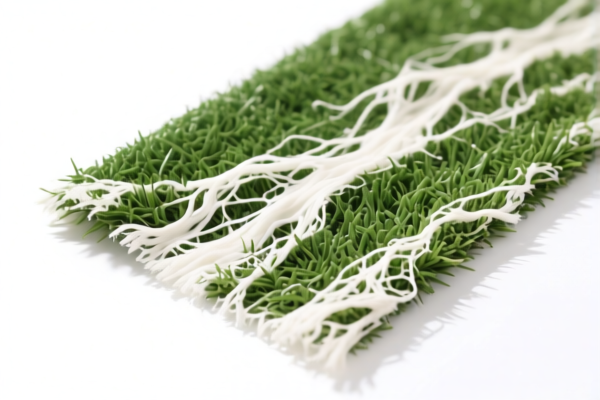
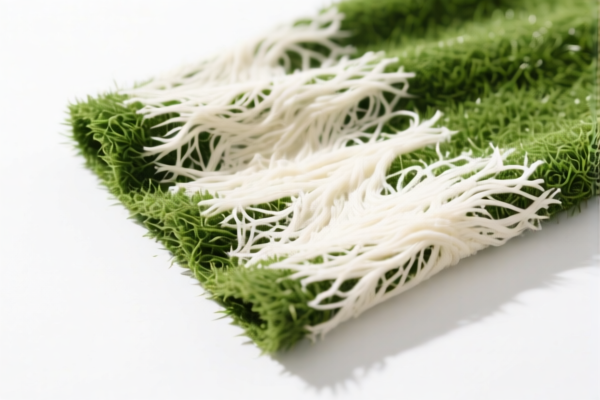
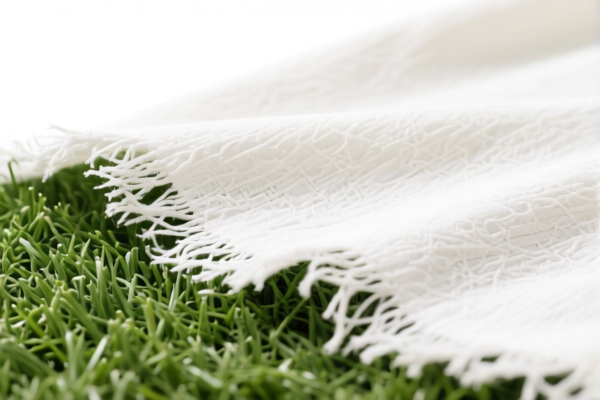
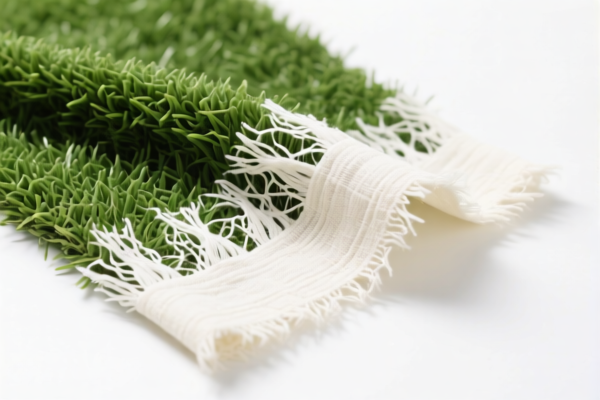
AI Analysis
🐑 Bleached and Scoured Animal Fiber Fabric (Industrial & Technical Use)
🌐 HS Code Reference & Customs Clearance Guide | 2026 Latest Tariff Analysis | Professional Strategy for High-Tax Scenarios
📌 I. Product Definition & Classification: What Exactly Are You Importing?
Bleached and Scoured Animal Fiber Fabric refers to fabrics made from animal fibers (such as wool, hair, or camel hair) that have undergone chemical or mechanical processes to remove natural oils, dirt, and impurities (scouring) and to whiten or lighten the color (bleaching). These fabrics are primarily used in industrial, technical, or specialized manufacturing applications rather than for direct consumer apparel.
⚠️ Critical Classification Distinction:
The final HS Code and tariff burden depend heavily on the specific fabric structure, weight, and exact industrial application. In the US market, these products are highly susceptible to additional tariffs due to trade restrictions on Chinese-origin textile products.
📦 II. HS Code Classification Details (Based on Provided Data)
Based on the provided dataset, there are 4 distinct HS Codes applicable to this product category. Note that some HS Codes appear multiple times with different tax rates due to variations in fabric sub-types or regulatory footnotes.
| HS Code | Product Description (Summary) | Key Characteristics & Use Case | Total Tax Rate | Tax Breakdown |
|---|---|---|---|---|
| 5911.20.20.00 | Animal Fiber Fabric (Industrial Use) | Bleached & Scoured; Industrial Use | 35.0% | Base: 0.0% Add-on: 25.0% Section 122: 10% |
| 5112.90.90.90 | Animal Fiber Fabric (Industrial Use) | General Industrial Use | 60.0% | Base: 25.0% Add-on: 25.0% Section 122: 10% |
| 5911.90.00.80 | Animal Fiber Fabric (Technical Use) | Bleached & Scoured; Technical/Technical Use | 38.8% | Base: 3.8% Add-on: 25.0% Section 122: 10% |
| 5111.90.90.00 | Animal Fiber Fabric (Other Use) | General/Other Industrial Use | 60.0% | Base: 25.0% Add-on: 25.0% Section 122: 10% |
🔍 Key Observation:
- The lowest tariff (35.0%) applies to HS 5911.20.20.00, specifically for bleached/scoured fabrics for industrial use.
- The highest tariff (60.0%) applies to HS 5112.90.90.90 and 5111.90.90.00, which carry a 25% Base Tariff plus additional levies.
- HS 5911.90.00.80 offers a middle ground (38.8%) for "technical" uses with a low base tariff (3.8%).
💰 III. 2026 Latest Tariff Rate Analysis (Detailed Breakdown)
✅ Applicable Country: United States (US)
✅ Origin: China (CN) (Implied by "Section 122" and high Add-on tariffs)
✅ Effective Date: Current regulations apply
🎯 1. HS Code 5911.20.20.00 – The Optimal Choice for Bleached/Scoured Industrial Fabrics
| Item | Detail |
|---|---|
| Product | Bleached and Scoured Animal Fiber Fabric (Industrial) |
| Base Tariff | 0.0% (Ad Valorem) |
| Add-on Tariff (Section 301/122) | +25.0% |
| Section 122 Tariff | +10.0% |
| Total Effective Tax Rate | 35.0% |
| Calculation | CIF Value × 35% |
| De Minimis Exemption? | ❌ NO |
📌 Explanation:
- This code benefits from a 0% base tariff, making it the most cost-effective option among the provided codes.
- The 25% add-on is likely from USITC Section 301 tariffs on Chinese goods.
- The 10% Section 122 tariff is a specific additional levy on certain textile/industrial products from China.
- Total: 35% is high but significantly lower than the 60% alternatives.
🎯 2. HS Code 5911.90.00.80 – Technical Use Alternative
| Item | Detail |
|---|---|
| Product | Animal Fiber Fabric (Technical Use) |
| Base Tariff | 3.8% |
| Add-on Tariff | +25.0% |
| Section 122 Tariff | +10.0% |
| Total Effective Tax Rate | 38.8% |
| Calculation | CIF Value × 38.8% |
| De Minimis Exemption? | ❌ NO |
📌 Explanation:
- Suitable if the fabric is used for technical purposes (e.g., filtration, specialized machinery padding) rather than general industrial use.
- Slightly higher than 5911.20.20.00 due to the 3.8% base tariff.
🎯 3. HS Codes 5112.90.90.90 & 5111.90.90.00 – High-Tariff Traps
| Item | Detail |
|---|---|
| Product | Animal Fiber Fabric (Industrial/Other) |
| Base Tariff | 25.0% |
| Add-on Tariff | +25.0% |
| Section 122 Tariff | +10.0% |
| Total Effective Tax Rate | 60.0% |
| Calculation | CIF Value × 60% |
| De Minimis Exemption? | ❌ NO |
📌 Warning:
- These codes carry a 25% Base Tariff, which is already punitive.
- Combined with the 25% add-on and 10% Section 122, the total hits 60%.
- Avoid these codes unless the fabric’s structure or use case strictly mandates it. Misclassification here could double your duty costs.
🛠️ IV. Customs Clearance Practical Advice (Pitfall Avoidance Guide)
✅ 1. Documentation Checklist (Non-Negotiable)
| Document | Requirement | Notes |
|---|---|---|
| Commercial Invoice | Must state "Bleached and Scoured Animal Fiber Fabric" | Avoid vague terms like "Textile Material" |
| Packing List | Detail fabric weight, dimensions, and roll count | Ensure consistency with invoice |
| Product Specification Sheet | Include fiber content %, weave type, weight (gsm), and finish | Crucial for distinguishing between 5911.20 and 5911.90 |
| Certificate of Origin | Required for US Customs | Must prove Chinese origin to assess correct Section 122/301 rates |
| Manufacturing Process Description | Explain "Bleaching" and "Scouring" steps | Helps justify classification under 5911 (Technical/Industrial) vs. 5111/5112 (General Apparel) |
✅ 2. Classification Strategy & Declaration Tips
🔥 "Classify by Use, Not Just Material. Bleached/Scoured = 5911.20.20.00 if Industrial!"
| Scenario | Recommended HS Code | Reason |
|---|---|---|
| Bleached/Scoured Fabric for Industrial Filters, Insulation, or Machinery Linings | 5911.20.20.00 | Lowest tax (35%). Must prove industrial/technical use. |
| Fabric for Technical Applications (e.g., Specialized Filtration) | 5911.90.00.80 | Slightly higher tax (38.8%) but still preferable to 51xx codes. |
| General Animal Fiber Fabric (Not Bleached/Scoured or for Apparel) | 5112.90.90.90 | High tax (60%). Only if it doesn’t fit 5911 technical definitions. |
| Unknown or Ambiguous Use | Consult Customs Broker | Risk of misclassification leading to 60% tax + penalties. |
⚠️ Critical Note:
- Do NOT declare as "Apparel Fabric" if it is for industrial use. This will likely trigger HS 5111/5112 codes with 60% tax.
- DO emphasize "Industrial" or "Technical" use in the declaration to qualify for 5911.20.20.00.
✅ 3. Special Case Handling
| Case | Handling Advice |
|---|---|
| Mixed Shipments (Apparel + Industrial Fabric) | Separate Lines! Do not combine. Industrial fabric should be on a separate line with HS 5911.20.20.00 to avoid cross-contamination of tariff rates. |
| OEM Custom Fabric | Provide customer specifications proving the fabric is designed for a specific industrial application. |
| Pre-bleached vs. Bleached in China | If bleaching occurs in China, it supports the "Bleached" description. If pre-bleached elsewhere, provide supplier certificates. |
🌍 V. Global Market Comparison (2026)
| Country/Region | Recommended HS Code | Est. Tax Rate | Notes |
|---|---|---|---|
| 🇺🇸 USA | 5911.20.20.00 | 35.0% | Includes 25% Add-on + 10% Section 122. High Barrier. |
| 🇨🇳 China | 5911.20.20.00 | ~0-10% | Export duty may apply. Import into China may be lower. |
| 🇪🇺 EU | 5911.20.00 | ~4-6% | No Section 122. Lower base tariff. No US-style add-ons. |
| 🇬🇧 UK | 5911.20.00 | ~5-7% | Post-Brexit tariffs apply. No US-style add-ons. |
📌 Conclusion:
- The US market is the most challenging for these goods due to Section 122 and Section 301 tariffs.
- Alternative markets (EU, UK, Asia) offer significantly lower duties (5-10%), making them more cost-effective for exporters.
📌 VI. Common Mistakes & Pitfalls (Lessons Learned)
❌ Mistake 1: Declaring "Industrial Fabric" as "Textile Material" (Generic)
👉 Consequence: Customs may assign a default HS code with 60% tax (e.g., 5111.90.90.00).
✅ Fix: Always specify "Bleached and Scoured Animal Fiber Fabric, Industrial Use."
❌ Mistake 2: Ignoring the "Bleached/Scoured" Process
👉 Consequence: If not declared, customs may assume it’s raw fiber, leading to different classification and penalties.
✅ Fix: Include processing details in the specification sheet.
❌ Mistake 3: Combining Industrial and Apparel Fabrics on One Invoice Line
👉 Consequence: The entire shipment may be audited, and the higher tax rate (60%) may be applied to the whole batch.
✅ Fix: Separate lines on the invoice with clear HS codes for each product type.
🎯 VII. Conclusion: Professional Declaration, Cost Optimization!
🎯 Key Takeaway:
🔹 "Bleached/Scoured + Industrial Use = HS 5911.20.20.00 (35% Tax)"
🔹 "General Animal Fiber = HS 5111/5112 (60% Tax) – AVOID!"
📌 Pro Tip:
If your product can be classified under 5911.20.20.00, ensure all documentation clearly states "Industrial Use" and "Bleached/Scoured". This can save you 25% in duties compared to misclassification.
📣 Action Plan:
1. Verify Product Use: Confirm it is for industrial/technical purposes.
2. Prepare Documentation: Include detailed specs and process descriptions.
3. Apply for Advance Ruling: If unsure, request a binding tariff information (BTI) or advance ruling from US Customs.
4. Consider Alternative Markets: If US tariffs are prohibitive, explore EU or Asian markets.
✨ Customs Compliance, Precision Classification!
💼 Every Dollar Saved in Duties is Pure Profit!
Customer Reviews
About HS Code Classification
The Harmonized System (HS) is an internationally standardized nomenclature developed by the World Customs Organization (WCO) to classify traded products. Over 200 countries use the HS system as the basis for customs tariffs, trade statistics, and import/export regulations.
Each HS code follows a hierarchical structure:
- Chapter (2 digits) — Broad category of goods (e.g., Chapter 84: Machinery and Mechanical Appliances)
- Heading (4 digits) — More specific grouping within the chapter
- Subheading (6 digits) — Internationally standardized breakdown, used by all WCO member countries
- National subdivisions (8-10 digits) — Country-specific extensions for further classification, such as US HTSUS 10-digit codes
Correct HS code classification is essential for smooth customs clearance, accurate duty payment, and compliance with trade regulations. Misclassification can lead to customs delays, overpayment of duties, or penalties.
When importing from CN to US, the applicable tariff rates may include:
- Most-Favored-Nation (MFN) rate — The standard duty rate applied to WTO members
- General rate — Applied to countries without trade agreements
- Trade remedy duties — Additional tariffs such as Section 301 (anti-dumping), Section 232 (national security), or countervailing duties
The information provided on this page is for reference purposes only. For official classification, please consult with your local customs authority or a licensed customs broker.