Blended Animal Fine Fiber and Synthetic Fiber Woven Fabric
CN → USProduct Images
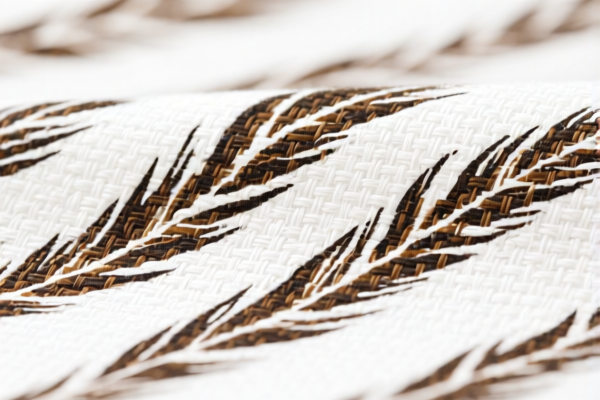
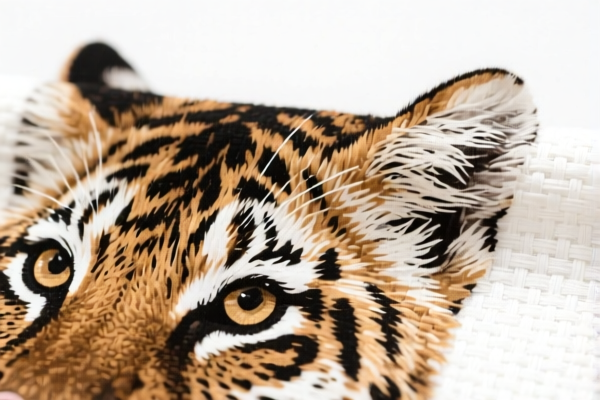
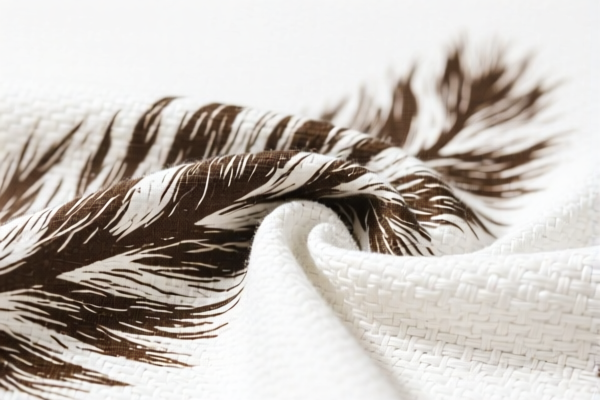
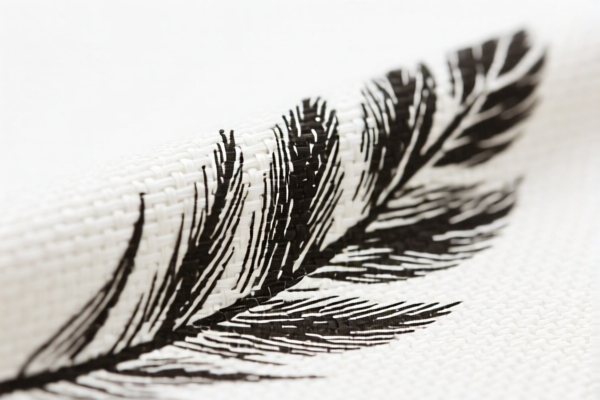
AI Analysis
🧵 Blended Animal Fine Fiber & Synthetic Fiber Woven Fabric
🌐 HS Code Reference & Customs Clearance Guide | 2026 Latest Tariff Analysis | Professional-Level Strategy
📌 I. Product Definition & Classification: What Exactly Is It?
This category refers to woven fabrics composed of a blend of:
1. Animal Fine Fibers (e.g., Cashmere, Mohair, Alpaca, Vicuna, or fine Wool < 18.5 microns).
2. Synthetic Fibers (e.g., Polyester, Nylon, Acrylic, or Spandex/Elastane).
In international trade, classification depends heavily on the percentage composition and the weight of the fine animal fiber. The key distinction lies in whether the animal fiber content is sufficient to classify the fabric under “Wool/Fine Animal Hair” (Chapter 51/52) or if it falls under “Synthetic/Aromatic Polyamide” (Chapter 54/55) due to being the predominant weight.
⚠️ Key Distinction Point:
- If Fine Animal Fiber > 85% (by weight) → Generally classified under 5111/5112 (Wool/Fine Animal Hair).
- If Fine Animal Fiber ≤ 85% AND Synthetic is predominant → May fall under 5512/5513 (Synthetic Staple Fibers) or 5407/5408 (Synthetic Filament).
- Special Case: Blends with < 85% fine animal hair but ≥ 85% synthetic are often classified as Synthetic Fabrics for tariff purposes, unless local rules specify otherwise.
📦 II. HS Code Classification Details (2026 Latest Tariff Authority Cross-Reference)
| HS Code | Product Description | Application Scenario | Animal Fiber Content | Synthetic Content |
|---|---|---|---|---|
5111.11.00.00 |
Woven fabric of carded cashmere-goat hair | High-end fashion, coats, suits | 100% Cashmere | N/A |
5111.19.00.00 |
Woven fabric of other cashmere-goat hair | Blends where cashmere is dominant | >85% Cashmere | ≤15% Synthetic |
5112.11.00.00 |
Woven fabric of carded fine animal hair (e.g., Mohair, Alpaca) | Blazers, tweeds, lightweight outerwear | >85% Fine Animal Hair | ≤15% Synthetic |
5112.19.00.00 |
Woven fabric of other fine animal hair | Blends with less than 85% fine hair but still classified as animal fiber dominant | ≤85% Fine Animal Hair | ≥15% Synthetic |
5512.11.00.00 |
Woven fabric of acrylic or modacrylic fibers, ≥85% by weight | Cost-effective alternatives to wool, casual wear | <85% (Minor) | ≥85% Acrylic |
5513.11.00.00 |
Woven fabric of polyester staple fibers, ≤85% polyester | Common blends (e.g., 50% Wool, 50% Polyester) | <85% Wool | ≥85% Polyester |
5516.11.00.00 |
Woven fabric of synthetic filament yarn, ≥85% by weight | Silk-like synthetics blended with fine hair for texture | <85% Fine Hair | ≥85% Synthetic Filament |
🔍 Critical Reminder:
- Chapter 51 (Wool/Fine Animal Hair) takes precedence ONLY if the fine animal fiber constitutes the essential character or exceeds 85% by weight in many jurisdictions (verify local HTS definitions).
- If the synthetic fiber is the predominant weight, the fabric is classified under Chapter 55 (Synthetic Staple Fibers) or Chapter 54 (Synthetic Filament Yarn), regardless of the value of the animal fiber.
- Blends < 85% fine animal hair are often treated as synthetic fabrics for duty purposes in the US, triggering higher 301 tariffs.
💰 III. 2026 Latest Tariff Rate Details (Including Additional Taxes & Policy Surcharges)
✅ Applicable Country: United States (US)
✅ Origin: China (CN)
✅ Effective Date: November 10, 2025 (Includes subsequent imports)
🎯 1. 5111.19.00.00 & 5112.19.00.00 —— Woven Fabrics of Fine Animal Hair (Blends >85% Fine Animal Fiber)
| Item | Content |
|---|---|
| Base Rate | 6.5% (ad valorem) |
| USITC Section 301 Surcharge | +25% (Footnote 9903.88.01) |
| IEEPA Surcharge | +10% (Against CN/HK products, effective Nov 10, 2025) |
| Total Effective Rate | 41.5% |
| Tax Calculation | CIF Value × 41.5% |
| De Minimis Eligibility | ❌ Not Eligible (deny_de_minimis) |
| Legal Path | IEEPA:9903.01.25 → IEEPA:9903.01.24 → USITC:5112.19.00.00 → FOOTNOTE:9903.88.01 |
📌 Explanation:
- Even if classified as “Fine Animal Hair,” fabrics from China are subject to 301 tariffs because they are manufactured in China.
- The base duty (6.5%) is low, but the 301 (25%) + IEEPA (10%) surcharges make the total 41.5%.
- No de minimis exemption applies for textile imports from China under current trade policies.
🎯 2. 5513.11.00.00 —— Woven Fabrics of Polyester Staple Fibers (Blends ≤85% Fine Animal Fiber, Predominantly Synthetic)
| Item | Content |
|---|---|
| Base Rate | 8.5% (ad valorem) |
| USITC Section 301 Surcharge | +25% |
| IEEPA Surcharge | +10% |
| Total Effective Rate | 43.5% |
| Tax Calculation | CIF Value × 43.5% |
| De Minimis Eligibility | ❌ Not Eligible |
| Legal Path | IEEPA:9903.01.25 → IEEPA:9903.01.24 → USITC:5513.11.00.00 → FOOTNOTE:9903.88.01 |
📌 Note:
- If the blend is >50% synthetic by weight, it is often classified as synthetic fabric.
- The higher base rate (8.5%) compared to pure wool (6.5%) makes this even more expensive.
- Total 43.5% is the standard rate for most Chinese-made blended textiles.
🎯 3. 5512.11.00.00 —— Woven Fabric of Acrylic/Modacrylic Fibers (High Synthetic Content)
| Item | Content |
|---|---|
| Base Rate | 5.3% |
| USITC Section 301 Surcharge | +25% |
| IEEPA Surcharge | +10% |
| Total Effective Rate | 40.3% |
| Tax Calculation | CIF Value × 40.3% |
| De Minimis Eligibility | ❌ Not Eligible |
| Legal Path | IEEPA:9903.01.25 → IEEPA:9903.01.24 → USITC:5512.11.00.00 → FOOTNOTE:9903.88.01 |
📌 Important:
- Acrylic blends are often used as wool substitutes.
- If the fabric is <85% acrylic, it may fall under 5513 (higher base rate).
- 40.3% is slightly lower than polyester blends but still prohibitive for small shipments.
🛠️ IV. Customs Clearance Practical Advice (Real-World Pitfall Avoidance Guide)
✅ 1. Documentation Checklist (Mandatory)
| Document | Required | Notes |
|---|---|---|
| ✅ Fabric Composition Label | ✔️ | Must specify exact % of Animal vs. Synthetic fibers |
| ✅ Fiber Content Test Report | ✔️ | From a third-party lab (e.g., SGS, Intertek) confirming micron count and blend ratio |
| ✅ Product Photos | ✔️ | Show weave type, weight (GSM), and finish |
| ✅ Commercial Invoice | ✔️ | Clearly state “Woven Fabric, Blended Animal & Synthetic Fiber” |
| ✅ Packing List | ✔️ | Include rolls, bundles, and quantity |
| ✅ Origin Certificate (if applicable) | ✔️ | If not from China, may qualify for lower tariffs |
✅ 2. Declaration Tips (Key Mantra)
🔥 “Blend Ratio Defines Chapter, Synthetic Predominant = Chapter 55, Animal >85% = Chapter 51, Declare Precisely!”
| Scenario | Correct Classification | Wrong Practice |
|---|---|---|
| 90% Cashmere, 10% Nylon | 5111.19.00.00 |
Misclassifying as 5513 → Underpaying tax, risk of penalty |
| 60% Polyester, 40% Wool | 5513.11.00.00 |
Misclassifying as 5112 → Overpaying tax, or customs challenge |
| 50% Acrylic, 50% Alpaca | 5512.11.00.00 (if acrylic is filament/staple dominant) |
Incorrect chapter assignment |
| Knitted Fabric (not woven) | 6101/6102 (Apparel) or 6006 (Knitted Fabric) |
Declaring as 5111 (Woven) → Rejection |
✅ 3. Special Cases
| Situation | Handling Advice |
|---|---|
| Mixed Weave (Jacquard) | Specify weave type and dominant fiber |
| Fabric with Metallic Thread | May require additional classification codes |
| Sample vs. Commercial Shipment | Samples may qualify for de minimis if <$800 (but NOT for China-origin under 301 rules) |
| Fabric for Medical Use | May apply for exemption if certified as medical textile |
🌍 V. Global Market Customs Comparison (2026 Latest)
| Country/Region | Recommended HS Code | Duty Rate | Certification Required | Notes |
|---|---|---|---|---|
| 🇺🇸 USA | 5112.19.00.00 / 5513.11.00.00 |
40.3%–43.5% (China) | N/A | High due to 301 + IEEPA |
| 🇨🇳 China | 5111/5112/5512/5513 |
5%–10% | N/A | No additional surcharges |
| 🇪🇺 EU | 5111/5112/5512/5513 |
6.5%–12% | CE (if regulated) | No 301 equivalent |
| 🇬🇧 UK | 5111/5112/5512/5513 |
6.5%–12% | UKCA (if regulated) | Post-Brexit rules apply |
| 🇯🇵 Japan | 5111/5112/5512/5513 |
8%–12% | PSE (if applicable) | FTA benefits may apply |
📌 Conclusion:
- USA imposes the highest effective tariff due to 301 and IEEPA surcharges.
- EU/UK/Japan do not have equivalent surcharges, making them more cost-effective for Chinese-origin blended textiles.
- Consider supply chain diversification (e.g., sourcing from Vietnam, Turkey) to avoid US surcharges.
📌 VI. Common Mistakes & Pitfall Guide (Lessons Learned)
❌ Mistake 1: Declaring “Wool Blend” without specifying %
👉 Consequence: Customs cannot determine chapter → Delay, Audit, or Penalty
❌ Mistake 2: Classifying 40% Cashmere / 60% Polyester as 5111 (Animal Fiber)
👉 Consequence: Misclassification → Back Duties + Interest
❌ Mistake 3: Ignoring the “Woven” vs. “Knitted” distinction
👉 Consequence: 5111 is woven; knitted falls under 6101 or 6006 → Wrong Duty Rate
❌ Mistake 4: Assuming “Fine Animal Hair” includes all wool
👉 Consequence: Coarse wool (<18.5 microns) may be classified under 5106 (Wool) → Different Duty Rate
✅ Correct Approach:
“Woven Fabric, 50% Wool, 50% Polyester, Grey, 200 GSM, Made in China”
🎯 VII. Conclusion: Precise Classification Saves Money!
🎯 Remember the Mantra:
🔹 “Animal >85% = Ch51, Synthetic >85% = Ch55, Declare % Precisely!”
🔹 “301 + IEEPA = 35% Surcharge, Total Rate >40%, Plan Ahead!”
📌 Pro Tip:
If your fabric is sourced from Vietnam, Turkey, Bangladesh, or India, you may avoid US surcharges, reducing the total duty to 6.5%–8.5%.
Recommend Apply for Advance Ruling to confirm classification before shipment.
📣 Immediate Action:
📞 Contact Professional Customs Broker + Provide Fiber Test Report + Apply for HS Code Advance Ruling
🚀 Ensure Smooth Clearance, Reduce Costs, Maximize Profit!
✨ Professional Clearance Starts with Accurate Classification!
💼 Every Dollar Saved on Duty Counts!
Customer Reviews
About HS Code Classification
The Harmonized System (HS) is an internationally standardized nomenclature developed by the World Customs Organization (WCO) to classify traded products. Over 200 countries use the HS system as the basis for customs tariffs, trade statistics, and import/export regulations.
Each HS code follows a hierarchical structure:
- Chapter (2 digits) — Broad category of goods (e.g., Chapter 84: Machinery and Mechanical Appliances)
- Heading (4 digits) — More specific grouping within the chapter
- Subheading (6 digits) — Internationally standardized breakdown, used by all WCO member countries
- National subdivisions (8-10 digits) — Country-specific extensions for further classification, such as US HTSUS 10-digit codes
Correct HS code classification is essential for smooth customs clearance, accurate duty payment, and compliance with trade regulations. Misclassification can lead to customs delays, overpayment of duties, or penalties.
When importing from CN to US, the applicable tariff rates may include:
- Most-Favored-Nation (MFN) rate — The standard duty rate applied to WTO members
- General rate — Applied to countries without trade agreements
- Trade remedy duties — Additional tariffs such as Section 301 (anti-dumping), Section 232 (national security), or countervailing duties
The information provided on this page is for reference purposes only. For official classification, please consult with your local customs authority or a licensed customs broker.