Blended Bleached Woven Fabric of Artificial Short Fibers and Artificial Filaments
CN → US| HS Code | Tariff Rate | Origin | Destination | Doc |
|---|---|---|---|---|
| 5903102010 | 35.0% | CN | US | Official Doc |
| 5903102090 | 35.0% | CN | US | Official Doc |
| 5407912010 | 49.9% | CN | US | Official Doc |
| 5407942010 | 49.9% | CN | US | Official Doc |
Product Images
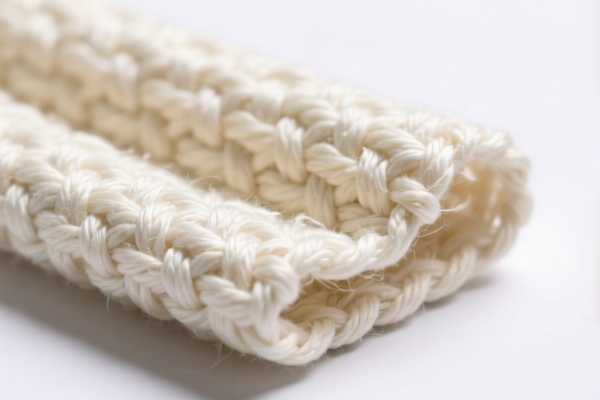
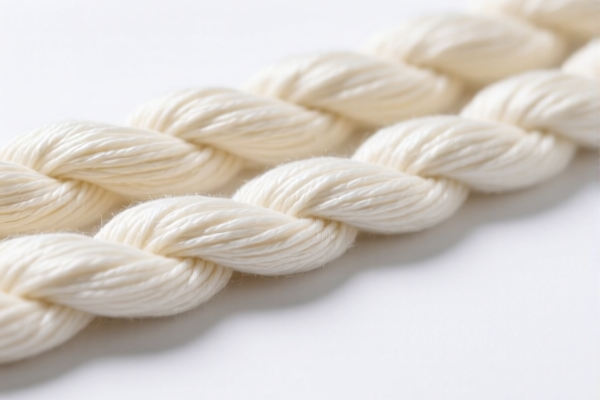
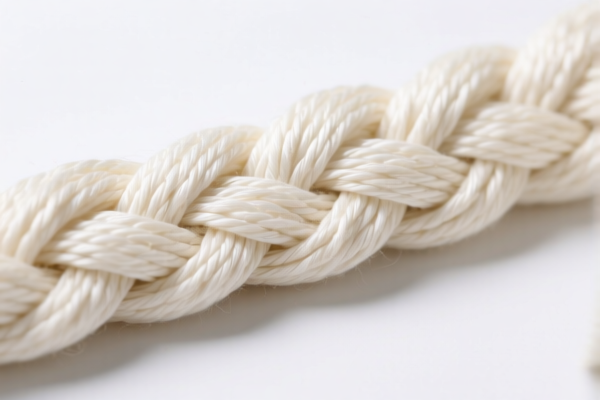
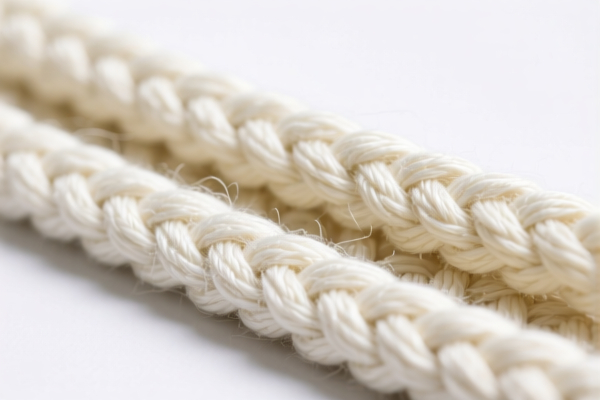
AI Analysis
🧵 Blended Bleached Woven Fabric of Artificial Short Fibers and Artificial Filaments
🌐 HS Code Reference & Customs Clearance Guide | 2026 Latest Tariff Analysis | Professional Entry Strategy
📌 1. Product Definition & Classification: What exactly is this fabric?
This product is a woven textile fabric composed of a blend of artificial short fibers (such as rayon/viscose staple fiber) and artificial filaments (such as rayon/viscose continuous filament). It has undergone a bleaching process, meaning it is white or off-white and has had its natural color removed.
In international trade, the classification of this fabric depends heavily on: 1. Fiber Composition Ratio: Which fiber type constitutes the "majority" (by weight)? 2. Fabric Finish: Whether it is merely bleached or further impregnated/coated/laminated with plastics.
⚠️ Key Distinction Points:
- If the fabric is plain woven and only bleached (no additional plastic treatment): It is classified under general woven fabrics of artificial fibers (Chapter 54 or 55, depending on the blend).
- If the fabric is impregnated, coated, covered, or laminated with plastics (even if the base is woven): It moves to Chapter 59 (Impregnated/Coated Textiles).
- Note on HS Data Provided: The provided data suggests a specific blend of Synthetic Filaments and Artificial Viscose Filaments, which impacts the Chapter classification (Chapter 54 vs. Chapter 59).
📦 2. HS Code Classification Details (Based on Provided Data)
The following HS codes are derived strictly from the <DATA> provided. These codes reflect specific classifications for blended fabrics involving synthetic and artificial filaments.
| HS Code | Product Description (Summary) | Total Tax Rate | Tax Breakdown |
|---|---|---|---|
5903.10.20.10 |
Blended bleached woven fabric of synthetic filaments and artificial viscose filaments. Classified as textile fabric in woven form. | 35.0% | Base: 0.0% Add-on: 25.0% Sec 122: 10% |
5903.10.20.90 |
Blended bleached woven fabric of synthetic filaments and artificial viscose filaments. Falls under artificial fibers/other in impregnated/coated/laminated plastic textile fabrics. | 35.0% | Base: 0.0% Add-on: 25.0% Sec 122: 10% |
5407.91.20.10 |
Blended bleached woven fabric. Mainly or wholly combined with artificial filaments. Woven form. | 49.9% | Base: 14.9% Add-on: 25.0% Sec 122: 10% |
5407.94.20.10 |
Blended bleached woven fabric. Mainly or wholly combined with artificial filaments or metallized yarns. Woven form. | 49.9% | Base: 14.9% Add-on: 25.0% Sec 122: 10% |
🔍 Critical Analysis:
- Codes5903.10.20.10and5903.10.20.90apply if the fabric is considered impregnated/coated/laminated with plastic (Chapter 59), even if it starts as a woven fabric. The base tariff is 0%, but total tax is 35%.
- Codes5407.91.20.10and5407.94.20.10apply if the fabric is classified as a standard woven fabric of Chapter 54 (Man-made filaments), where the base tariff is higher (14.9%), leading to a total tax of 49.9%.
- Why the discrepancy? The choice depends on the specific composition and finish. If the "bleaching" process involves a plastic coating or if the blend ratio triggers Chapter 59 rules, the lower base tax (0%) applies. If it is purely woven without plastic impregnation, the higher base tax (14.9%) applies.
💰 3. 2026 Latest Tariff Rate Details (Including Surtaxes & Policy Add-ons)
✅ Applicable Country: United States (US)
✅ Origin: China (CN)
✅ Effective Date: From November 10, 2025 (and subsequent imports)
🎯 1. 5903.10.20.10 & 5903.10.20.90 —— Woven Fabrics Impregnated/Coated/Laminated with Plastics
| Item | Details |
|---|---|
| Base Tariff | 0% (ad valorem) |
| USITC Additional Tariff | +25% (Under USITC Footnote 9903.88.01) |
| IEEPA Additional Tariff | +10% (Targeting China/Hong Kong products, effective Nov 10, 2025) |
| Total Tax Rate | 35.0% |
| Tax Calculation | CIF Value × 35% |
| De Minimis Exemption | ❌ Not Eligible (deny_de_minimis) |
| Legal Pathway | IEEPA:9903.01.25 → IEEPA:9903.01.24 → USITC:5903.10.20.10/90 → FOOTNOTE:9903.88.01 |
📌 Explanation:
- The 25% USITC surtax is applied under Section 301 of the Trade Act for specific textile categories from China.
- The 10% IEEPA surtax is an additional penalty under the International Emergency Economic Powers Act for Chinese-origin goods.
- Total 35%: While the base tariff is 0%, the total landed cost impact is significant. This classification is favorable if the fabric is deemed "plastic-impregnated."
🎯 2. 5407.91.20.10 & 5407.94.20.10 —— Woven Fabrics of Artificial/Synthetic Filaments
| Item | Details |
|---|---|
| Base Tariff | 14.9% (ad valorem) |
| USITC Additional Tariff | +25% |
| IEEPA Additional Tariff | +10% |
| Total Tax Rate | 49.9% |
| Tax Calculation | CIF Value × 49.9% |
| De Minimis Exemption | ❌ Not Eligible (deny_de_minimis) |
| Legal Pathway | IEEPA:9903.01.25 → IEEPA:9903.01.24 → USITC:5407.91.20.10/94 |
📌 Explanation:
- If the fabric is not classified as impregnated/coated with plastic, it falls under Chapter 54.
- The base tariff of 14.9% is significantly higher than the 0% in Chapter 59.
- Total 49.9%: This is a very high tariff rate. Importers must be extremely careful to justify Chapter 59 classification (if applicable) to avoid this higher cost.
🛠️ 4. Customs Clearance Practical Advice (Battle-Tested Pitfall Guide)
✅ 1. Preparation Checklist (Mandatory)
| Document | Required | Explanation |
|---|---|---|
| ✅ Fabric Composition Report | ✔️ | Must specify % of synthetic filaments vs. artificial filaments. |
| ✅ Finish Description | ✔️ | Clearly state if "bleached only" or "bleached + coated/laminated." |
| ✅ Product Photos | ✔️ | Show weave pattern and surface texture (to prove lack of thick plastic coating if claiming Ch 54, or presence if claiming Ch 59). |
| ✅ Commercial Invoice | ✔️ | Must match the HS Code description precisely. |
| ✅ Packing List | ✔️ | Detail roll lengths, widths, and weight. |
| ✅ Third-Party Test Report | ✔️ | Lab test confirming fiber content and lack/presence of plastic impregnation. |
✅ 2. Declaration Tips (Key Mantra)
🔥 "Check the Coating! Chapter 59 is 35%, Chapter 54 is 49.9%!"
| Scenario | Correct Declaration | Wrong Approach |
|---|---|---|
| Fabric has a visible plastic layer/coating | 5903.10.20.10 or 5903.10.20.90 (35%) |
Misdeclare as plain woven → Risk of 49.9% + penalties |
| Fabric is purely woven, no plastic | 5407.91.20.10 or 5407.94.20.10 (49.9%) |
Forcefully claim Ch 59 without proof → Audit/Seizure |
| Blend Ratio Matters | Ensure description matches "mainly or wholly" with artificial filaments | Incorrect fiber % → Wrong HS Code |
✅ 3. Special Cases Handling
| Situation | Handling Advice |
|---|---|
| OEM Custom Fabric | Provide design specs. If the "bleaching" involves a chemical finish that acts as a coating, lean towards Chapter 59 if defensible. |
| Metallic Thread Blend | If metallized yarns are present, 5407.94.20.10 may apply. Ensure documentation reflects this. |
| Pre-Clearance Ruling | Highly Recommended. Request an Advance Ruling (R9xxxxx) from CBP to confirm whether the specific "bleached" process qualifies as "impregnated with plastic" (Ch 59) or just "woven" (Ch 54). This can save ~15% in tariffs. |
| Transshipment Risk | Ensure goods are not transshipped through countries that might obscure the Chinese origin, as both codes carry high surtaxes. |
🌍 5. Global Market Comparison (2026 Latest)
| Country/Region | Recommended HS Code | Tariff | Certification | Notes |
|---|---|---|---|---|
| 🇺🇸 USA | 5903.10.20.10 or 5407.91.20.10 |
35% or 49.9% | None specific (but CBP scrutiny high) | Highest Cost. Pre-ruling essential. |
| 🇨🇳 China | 5903.10.20.10 or 5407.91.20.10 |
Varies | CCC (if applicable) | Domestic trade has different duties. |
| 🇪🇺 EU | 5903.10.20 or 5407.91 |
0-12% (depending on FTA) | REACH, OEKO-TEX | No Section 122/IEEPA surtaxes. |
| 🇬🇧 UK | Similar to EU | 0-12% | UKCA | Post-Brexit rules apply. |
📌 Conclusion:
- USA is the most expensive market due to the combination of base tariffs and punitive surtaxes.
- EU/UK are more favorable with lower base duties and no US-style political surtaxes.
- Strategy: If exporting to the US, invest in a CBP Advance Ruling to secure the 35% rate (Chapter 59) if possible, or negotiate price with customers to absorb the 49.9% cost.
📌 6. Common Mistakes & Pitfalls (Blood & Tears Lessons)
❌ Mistake 1: Assuming "Bleached" means "Plain Woven"
👉 Consequence: If the bleach treatment involves plastic resins, customs may reclassify from Ch 54 (49.9%) to Ch 59 (35%). However, if you claim Ch 59 without evidence, you risk fines.
✅ Fix: Provide lab tests showing the presence/absence of plastic impregnation.
❌ Mistake 2: Ignoring the "Synthetic vs. Artificial" Filament Distinction
👉 Consequence: Misidentifying fiber type leads to wrong HS Code prefix.
✅ Fix: Use "Artificial Viscose Filaments" vs. "Polyester/Nylon Filaments" correctly in descriptions.
❌ Mistake 3: Not Paying Attention to Section 122 and IEEPA Surtaxes
👉 Consequence: Underestimating total cost. 35% or 49.9% is the total landed duty cost.
✅ Fix: Factor in 100% of the rate in your CIF calculation.
🎯 7. Conclusion: Professional Declaration, Cost Efficiency
🎯 Remember the Mantra:
🔹 "Coating? Yes → 35%. No → 49.9%. Verify with Test!"
🔹 "China Origin? Expect Surtaxes. 25% + 10% = Extra Cost!"
📌 Pro Tip:
If your fabric can be proven to be impregnated with plastic, claim 5903.10.20.10 to benefit from the 0% base tariff. This saves you 14.9% compared to Chapter 54.
However, ensure your technical documentation supports the "plastic impregnation" claim to avoid customs audits.
📣 Immediate Action:
📞 Contact CBP for an Advance Ruling → Submit technical specs → Secure the lower 35% rate where possible.
🚀 Maximize Profit by Minimizing Duty Risk!
✨ Professional Customs Clearance Starts with Precise Classification!
💼 Every percentage point counts in the textile trade!
Customer Reviews
About HS Code Classification
The Harmonized System (HS) is an internationally standardized nomenclature developed by the World Customs Organization (WCO) to classify traded products. Over 200 countries use the HS system as the basis for customs tariffs, trade statistics, and import/export regulations.
Each HS code follows a hierarchical structure:
- Chapter (2 digits) — Broad category of goods (e.g., Chapter 84: Machinery and Mechanical Appliances)
- Heading (4 digits) — More specific grouping within the chapter
- Subheading (6 digits) — Internationally standardized breakdown, used by all WCO member countries
- National subdivisions (8-10 digits) — Country-specific extensions for further classification, such as US HTSUS 10-digit codes
Correct HS code classification is essential for smooth customs clearance, accurate duty payment, and compliance with trade regulations. Misclassification can lead to customs delays, overpayment of duties, or penalties.
When importing from CN to US, the applicable tariff rates may include:
- Most-Favored-Nation (MFN) rate — The standard duty rate applied to WTO members
- General rate — Applied to countries without trade agreements
- Trade remedy duties — Additional tariffs such as Section 301 (anti-dumping), Section 232 (national security), or countervailing duties
The information provided on this page is for reference purposes only. For official classification, please consult with your local customs authority or a licensed customs broker.