Blinds
CN → US| HS Code | Tariff Rate | Origin | Destination | Doc |
|---|---|---|---|---|
| 3925301000 | 20.8% | CN | US | Official Doc |
| 3925305000 | 22.8% | CN | US | Official Doc |
Product Images
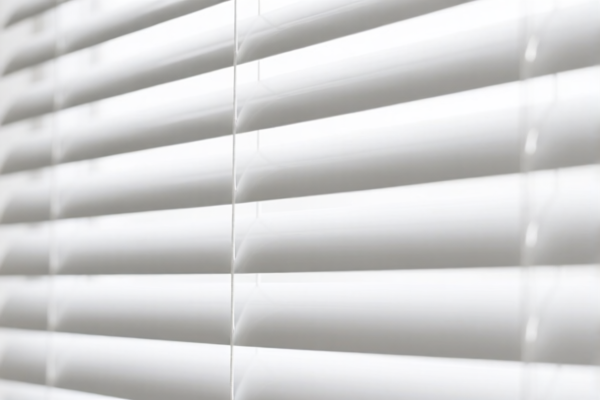
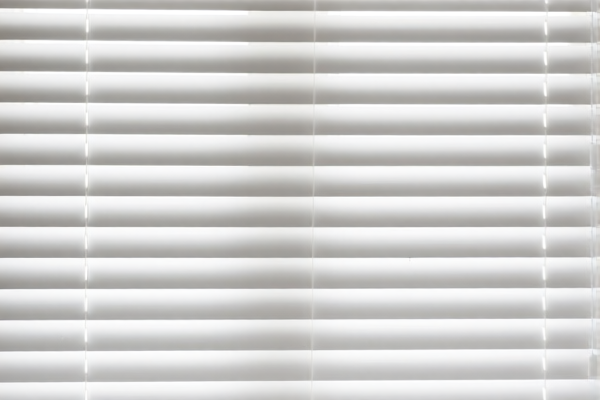
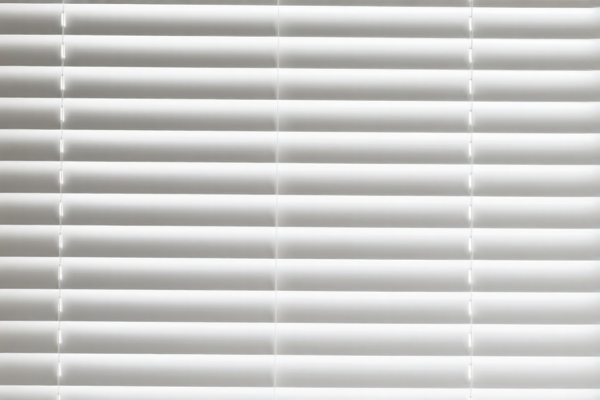
AI Analysis
🪟 Blinds & Shutters (Plastic Builders' Ware)
🌐 HS Code Reference & Customs Clearance Guide | 2026 Latest Tariff Analysis | Professional Compliance Strategy
📌 I. Product Definition & Classification: Do You Really Understand "Plastic Blinds"?
Plastic blinds and shutters are essential components in architectural design, providing light control, privacy, and insulation. In international trade, they fall under Heading 3925 ("Builders' ware of plastics, not elsewhere specified or included"). The critical distinction lies in whether the item is a finished blind system or a generic structural part.
⚠️ Key Distinction Points:
- Finished Blinds (including Venetian blinds): Fully assembled units ready for installation, including slats, cords, and mechanisms. → 3925.30.10.00
- Other Plastic Shutters/Parts: Generic parts, non-slat shutters, or components not fitting the specific definition of "blinds." → 3925.30.50.00
📦 II. HS Code Classification Details (2026 Latest Tariff Authority)
| HS Code | Product Description | Application Scenario | Tax Rate (US/CN) |
|---|---|---|---|
3925.30.10.00 |
Blinds (including Venetian blinds) and parts thereof | Finished plastic blinds, Venetian blinds, roller blinds | 0.0% |
3925.30.50.00 |
Other | Generic plastic shutters, louvers, or non-blind parts | 12.8% |
🔍 Critical Reminder:
- "Blinds" includes Venetian blinds, roller blinds, and vertical blinds made of plastic. These are considered specialized architectural products.
- "Other" covers plastic shutters, louvers, and parts that do not meet the specific definition of blinds.
- Misclassification Risk: Declaring a Venetian blind as "Other" (3925.30.50.00) results in an unnecessary 12.8% tax burden. Declaring a generic shutter as "Blinds" (3925.30.10.00) may lead to customs rejection or penalty due to inaccurate description.
💰 III. 2026 Latest Tariff Rate Breakdown (Including Additional Taxes)
✅ Applicable Country: United States (US)
✅ Origin: China (CN)
✅ Effective Date: 2025-11-10 onwards
🎯 1. 3925.30.10.00 —— Blinds (including Venetian blinds)
| Item | Details |
|---|---|
| Base Tariff | 0.0% |
| Additional Tariff | 0.0% |
| Total Tax Rate | 0.0% |
| Tax Calculation | CIF Value × 0% = $0 |
| De Minimis Eligibility | ✅ Yes (Subject to standard de minimis rules if applicable, but base rate is 0%) |
| Legal Basis | HTSUS 3925.30.10.00 |
📌 Explanation:
- Plastic blinds are classified under a preferential or low-tariff category for "Blinds."
- Zero Duty Advantage: This is a significant cost-saving opportunity compared to "Other" plastics.
- No Section 301 or IEEPA Additional Tax Applies: Unlike many other plastic products, blinds do not attract the extra 7.5% or 25% tariffs mentioned in other categories.
🎯 2. 3925.30.50.00 —— Other
| Item | Details |
|---|---|
| Base Tariff | 5.3% |
| Additional Tariff | 7.5% |
| Total Tax Rate | 12.8% |
| Tax Calculation | CIF Value × 12.8% |
| De Minimis Eligibility | ✅ Yes (Subject to standard de minimis rules) |
| Legal Basis | HTSUS 3925.30.50.00 |
📌 Note:
- The 12.8% rate consists of a 5.3% base tariff plus a 7.5% additional tariff (likely under Section 301 or similar trade remedy measures for Chinese-origin plastics).
- This rate applies to plastic shutters, louvers, and other builders' ware not classified as blinds.
- Cost Impact: For a $10,000 shipment, the tax liability is $1,280, which is significantly higher than the $0 liability for blinds.
🛠️ IV. Customs Clearance Practical Advice (Real-World Pitfall Guide)
✅ 1. Documentation Checklist (Essential for Smooth Clearance)
| Document | Required? | Notes |
|---|---|---|
| ✅ Product Specification Sheet | ✔️ | Must clearly state "Venetian Blind," "Roller Blind," or "Other Shutter" |
| ✅ Product Photos | ✔️ | Show slats, cords, mechanisms to prove it is a "blind" |
| ✅ Commercial Invoice | ✔️ | Use precise HS Code description: "Plastic Venetian Blinds" |
| ✅ Packing List | ✔️ | Detail contents per package |
| ✅ Certificate of Origin (CO) | ✔️ | Confirm Chinese origin to verify additional tariff applicability |
✅ 2. Declaration Tips (Key Mnemonics)
🔥 “Blind is Zero, Other is Twelve-Point-Eight!”
| Scenario | Correct Declaration | Incorrect Declaration |
|---|---|---|
| Plastic Venetian Blinds | 3925.30.10.00 |
3925.30.50.00 → Pays 12.8% unnecessarily |
| Plastic Roller Blinds | 3925.30.10.00 |
3925.30.50.00 → Pays 12.8% unnecessarily |
| Generic Plastic Louvers | 3925.30.50.00 |
3925.30.10.00 → May be rejected |
| Plastic Shutters (not blinds) | 3925.30.50.00 |
3925.30.10.00 → May be rejected |
✅ 3. Special Cases
| Case | Handling Advice |
|---|---|
| Mixed Shipment | If a shipment contains both blinds and other plastic shutters, separate them. Declare blinds under 3925.30.10.00 and shutters under 3925.30.50.00. Do not bundle them under one code. |
| Blinds with Metal Parts | If the blinds have significant metal components (e.g., metal slats), they may fall under Chapter 76 or 83. However, plastic-only blinds remain under 3925.30.10.00. |
| OEM Custom Blinds | Provide design specs to prove they are finished blinds, not raw materials or parts. |
🌍 V. Global Market Comparison (2026 Latest)
| Country/Region | Recommended HS Code | Tariff (CN Origin) | Certification | Notes |
|---|---|---|---|---|
| 🇺🇸 USA | 3925.30.10.00 (Blinds) |
0.0% | None required | 3925.30.50.00 (Other) = 12.8% |
| 🇨🇳 China | 3925.30.10.00 |
5% | None | Import duty differs from export duty |
| 🇪🇺 EU | 3925.30.90 |
0% | CE Marking | EU nomenclature differs slightly |
| 🇬🇧 UK | 3925.30.00 |
0% | UKCA | Post-Brexit rules apply |
📌 Conclusion:
- USA offers a significant tariff advantage for plastic blinds (0%) compared to other plastic builders' ware (12.8%).
- Accurate classification is crucial. Misdeclaring "blinds" as "other" costs 12.8%. Misdeclaring "other" as "blinds" risks customs penalties.
📌 VI. Common Mistakes & Pitfalls (Lessons Learned)
❌ Mistake 1: Declaring all plastic window coverings as "Blinds" (3925.30.10.00)
👉 Consequence: If the item is a shutter or louver, customs may reject the declaration, causing delays and potential fines.
❌ Mistake 2: Declaring Venetian blinds as "Other" (3925.30.50.00)
👉 Consequence: You pay 12.8% tax instead of 0%, increasing costs unnecessarily.
❌ Mistake 3: Using vague descriptions like "Plastic Window Parts"
👉 Consequence: Customs officers will investigate, leading to delays. Always specify "Venetian Blinds" or "Plastic Shutters."
✅ Correct Practice:
"Plastic Venetian Blinds, 35" Width, White, Complete with Cords and Tilting Mechanism, HS Code 3925.30.10.00"
🎯 VII. Conclusion: Professional Declaration, Cost Savings!
🎯 Remember the Mnemonic:
🔹 "Blinds Zero, Other Twelve-Point-Eight!"
🔹 "Venetian Blind is Free, Other Shutter is Eight!"
📌 Tips:
- If your blinds are made of fabric or aluminum, they fall under different HS codes (e.g., 6303 or 7610).
- For plastic blinds, always verify the material composition.
- Pre-classification with a customs broker is recommended for large shipments.
📣 Immediate Action:
📞 Contact your customs broker + Provide product photos + Verify HS Code
🚀 Ensure your plastic blinds clear customs smoothly and save 12.8% in tariffs!
✨ Professional Customs Clearance Starts with Accurate Classification!
💼 Every Percent Saved Counts!
Customer Reviews
About HS Code Classification
The Harmonized System (HS) is an internationally standardized nomenclature developed by the World Customs Organization (WCO) to classify traded products. Over 200 countries use the HS system as the basis for customs tariffs, trade statistics, and import/export regulations.
Each HS code follows a hierarchical structure:
- Chapter (2 digits) — Broad category of goods (e.g., Chapter 84: Machinery and Mechanical Appliances)
- Heading (4 digits) — More specific grouping within the chapter
- Subheading (6 digits) — Internationally standardized breakdown, used by all WCO member countries
- National subdivisions (8-10 digits) — Country-specific extensions for further classification, such as US HTSUS 10-digit codes
Correct HS code classification is essential for smooth customs clearance, accurate duty payment, and compliance with trade regulations. Misclassification can lead to customs delays, overpayment of duties, or penalties.
When importing from CN to US, the applicable tariff rates may include:
- Most-Favored-Nation (MFN) rate — The standard duty rate applied to WTO members
- General rate — Applied to countries without trade agreements
- Trade remedy duties — Additional tariffs such as Section 301 (anti-dumping), Section 232 (national security), or countervailing duties
The information provided on this page is for reference purposes only. For official classification, please consult with your local customs authority or a licensed customs broker.