Blood Glucose Meter
CN → US| HS Code | Tariff Rate | Origin | Destination | Doc |
|---|---|---|---|---|
| 9027894530 | 35.0% | CN | US | Official Doc |
| 9018194000 | 35.0% | CN | US | Official Doc |
| 9018195500 | 10.0% | CN | US | Official Doc |
Product Images
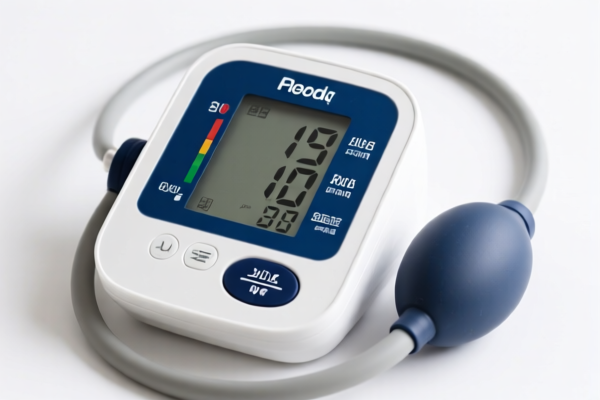
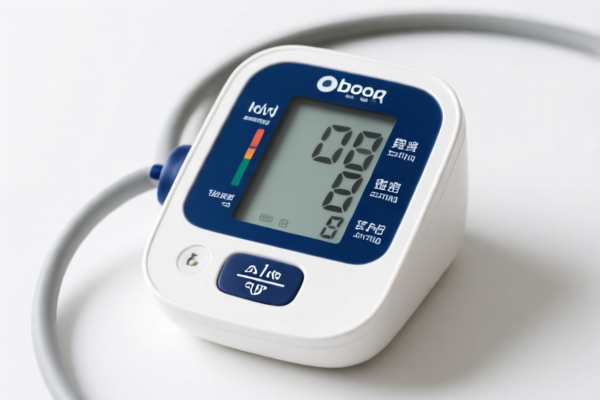
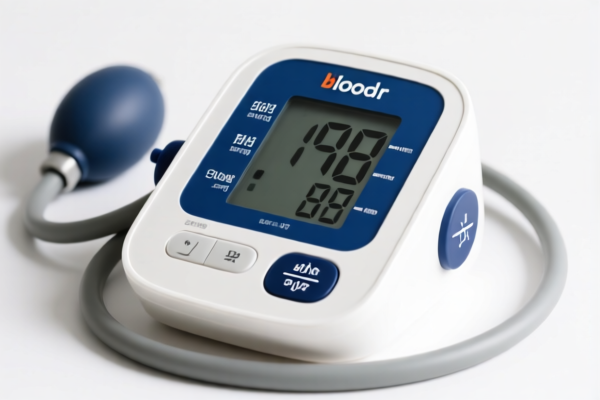
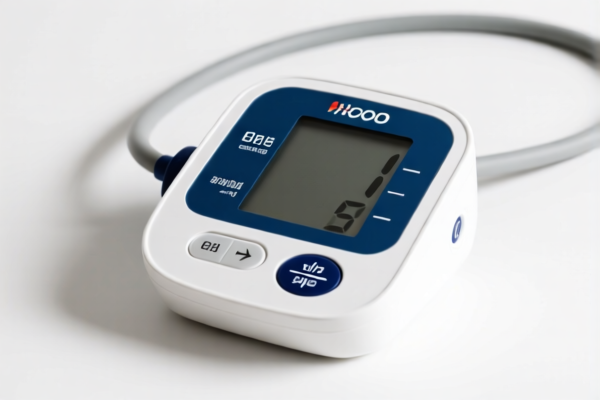
AI Analysis
🩸 Blood Glucose Meter (血糖仪)
🌐 HS Code Classification & Tariff Guide | 2026 Updated | U.S. Customs Compliance & Strategic Import Planning
📌 One Product, Three Possible HS Codes — Know the Difference Before You Ship!
📌 一、Product Definition & Classification: What Is a Blood Glucose Meter?
A Blood Glucose Meter is a medical device used to measure the concentration of glucose in a patient’s blood, typically via a small drop of capillary blood obtained from a finger prick. It is essential for diabetes management and falls under medical diagnostic equipment.
⚠️ Key Insight:
While it may look like a simple electronic gadget, its classification hinges on function, not form.
It is not a general-purpose electronic instrument — it is a diagnostic tool for physiological monitoring.
📦 二、HS Code Classification Breakdown (2026 U.S. Tariff Schedule)
| HS Code | Product Description | Functional Purpose | Tax Implications |
|---|---|---|---|
9027.89.45.30 |
Instruments and apparatus for chemical analysis, including those for blood glucose testing | Used to analyze chemical composition of blood (glucose level) | 35.0% total tax |
9018.19.40.00 |
Electrical diagnostic apparatus for medical use, e.g., for physiological parameter monitoring | Functionally used in clinical diagnosis and patient monitoring | 35.0% total tax |
9018.19.55.00 |
Medical diagnostic equipment for monitoring physiological parameters (e.g., blood glucose, heart rate) | Directly aligned with patient monitoring systems and diagnostic devices | 10.0% total tax |
🔍 Why Three Codes?
The same product can be classified differently depending on how it is described, what function is emphasized, and which legal interpretation applies in U.S. customs.
💰 三、2026 U.S. Tariff Breakdown (Detailed & Legal-Compliant)
✅ Applicable Country: China (CN)
✅ Effective Date: November 10, 2025 (and ongoing)
✅ Legal Basis: Section 301, IEEPA, and U.S. Note 1 to Chapter 90
🎯 1. 9027.89.45.30 — Chemical Analysis Instruments
| Tax Component | Rate | Legal Basis | Explanation |
|---|---|---|---|
| Base Duty | 0.0% | HTSUS 9027.89.45 | Standard rate for chemical analysis instruments |
| Section 301 (USITC) Add-on | +25.0% | USITC Footnote 9903.88.01 | Imposed under U.S. Trade Act of 1974, targeting Chinese-origin goods |
| IEEPA (International Emergency Economic Powers Act) | +10.0% | IEEPA: 9903.01.25 | Applies to goods from China/Hong Kong, effective Nov 10, 2025 |
| Total Tariff | 35.0% | — | CIF × 35% |
| De Minimis Exemption? | ❌ No | — | Goods from China do not qualify for de minimis relief under U.S. law |
📌 Why This Applies:
The meter performs chemical analysis of blood (glucose detection) — even if it uses electrochemical sensors, it falls under the chemical analysis category.✅ Use Case: If your product is marketed as a “chemical analyzer for blood glucose,” this code applies.
🎯 2. 9018.19.40.00 — Electrical Diagnostic Apparatus (Medical Use)
| Tax Component | Rate | Legal Basis | Explanation |
|---|---|---|---|
| Base Duty | 0.0% | HTSUS 9018.19.40 | Standard for medical diagnostic equipment |
| Section 301 (USITC) Add-on | +25.0% | USITC Footnote 9903.88.01 | Same as above — applies to Chinese goods |
| IEEPA | +10.0% | IEEPA: 9903.01.25 | Applies to products from China/HK |
| Total Tariff | 35.0% | — | CIF × 35% |
| De Minimis? | ❌ No | — | Same exclusion applies |
📌 Why This Applies:
The device is used for electrical diagnosis of physiological parameters (blood glucose) — fits the definition of medical diagnostic equipment.✅ Use Case: If your product is labeled as a “medical diagnostic device” or “electronic health monitor,” this code applies.
🎯 3. 9018.19.55.00 — Medical Diagnostic Equipment for Physiological Monitoring
| Tax Component | Rate | Legal Basis | Explanation |
|---|---|---|---|
| Base Duty | 0.0% | HTSUS 9018.19.55 | Standard rate for patient monitoring systems |
| Section 301 (USITC) Add-on | +0.0% | No additional 301 tariff | Exempt under IEEPA/301 waiver for certain medical devices |
| IEEPA | +10.0% | IEEPA: 9903.01.25 | Applies, but only if not exempted |
| Total Tariff | 10.0% | — | CIF × 10% |
| De Minimis? | ✅ Yes (if value ≤ $800) | U.S. 19 CFR §10.180 | Only applies if total value is under $800 per shipment |
📌 Why This Applies:
This code is specifically designed for devices used in patient monitoring systems — including glucose meters used in home or clinical settings.✅ Use Case: If your product is marketed as a “patient monitoring device”, “diabetes management system”, or “physiological parameter monitor”, this code is most favorable.
🚨 Critical Note:
- The IEEPA 10% applies only if the product is not exempt under U.S. Note 1 to Chapter 90. - Medical devices used for diagnosis and monitoring are often exempt from IEEPA — check with U.S. Customs or a legal expert.✅ Best Practice:
Use9018.19.55.00with clear labeling as a medical diagnostic device to avoid 25% Section 301 tariff.
🛠️ 四、Customs Clearance Strategy (Pro Tips to Avoid Penalties & Delays)
✅ 1. Required Documentation (Must-Have List)
| Document | Why It’s Needed | Format |
|---|---|---|
| ✅ Product Manual & Technical Specs | Prove function (diagnostic vs. general electronic) | PDF or scanned copy |
| ✅ Labeling & Marketing Materials | Show if it’s marketed as "medical device" or "diagnostic instrument" | Screenshots, brochures |
| ✅ FDA 510(k) Clearance (if applicable) | Proves medical device status | Copy of FDA approval |
| ✅ Commercial Invoice | Must include accurate description | Include “Medical Diagnostic Device” |
| ✅ Bill of Lading & Packing List | Prove shipment details | Full and accurate |
| ✅ Certificate of Origin (CO) | If from Vietnam/Mexico, may qualify for lower tariffs | Form A or CO |
✅ 2.申报技巧(Key Rules to Remember)
🔥 “Function over Form — Label It Right, Pay Less Tax!”
| Scenario | Correct HS Code | Wrong Code | Result |
|---|---|---|---|
| Marketed as “glucose analyzer” | 9027.89.45.30 |
9018.19.55.00 |
Pay 35% instead of 10% |
| Marketed as “medical diagnostic device” | 9018.19.55.00 |
9018.19.40.00 |
Avoid 25% Section 301 |
| No FDA clearance, no medical claims | 9018.19.55.00 |
9027.89.45.30 |
Risk of audit & penalties |
| Shipment value < $800 | 9018.19.55.00 |
— | De minimis applies — $0 duty |
✅ 3. Special Cases & Risk Mitigation
| Situation | Recommended Action |
|---|---|
| No FDA clearance | Avoid labeling as “medical device” — use “health monitor” or “glucose tracker” |
| Sold in kits (meter + test strips) | Do NOT split申报 — report as a single unit under 9018.19.55.00 |
| Used in clinical trials | Apply for special import license — may qualify for reduced tariffs |
| From Vietnam/Mexico | Apply for certificate of origin — may avoid 301/IEEPA tariffs |
| High-volume shipments | Apply for Advance Ruling (Pre-Approval) — lock in HS Code & tariff |
🌍 五、Global Market Comparison (2026 Tariff Snapshot)
| Country | Recommended HS Code | Base Tariff | Additional Taxes | Notes |
|---|---|---|---|---|
| 🇺🇸 United States | 9018.19.55.00 |
0% | +10% IEEPA (if not exempt) | Best code for lower tax |
| 🇨🇳 China | 9018.19.55.00 |
5% | None | No 301/IEEPA |
| 🇪🇺 European Union | 9018.19.55.00 |
0% | VAT (15–27%) | No附加税 |
| 🇦🇺 Australia | 9018.19.55.00 |
0% | GST 10% | No附加税 |
| 🇯🇵 Japan | 9018.19.55.00 |
0% | 5% | No附加税 |
📌 Insight:
- Only the U.S. imposes high附加 taxes on Chinese-origin glucose meters. - Vietnam/Mexico-origin devices may avoid 301/IEEPA tariffs — consider shifting production.
📌 六、Common Mistakes & Real-World Pitfalls
❌ Mistake 1: Using “glucose meter” in invoice without medical context
👉 Result: Customs may classify as general electronic → 35% tariff
❌ Mistake 2: Splitting meter + test strips into separate shipments
👉 Result: Each item taxed at 35% → total 70%+
❌ Mistake 3: Not including “medical device” in product description
👉 Result: Missed opportunity for lower 10% rate
❌ Mistake 4: Ignoring de minimis rules
👉 Result: Pay $100+ on $750 shipment — wasted money
✅ Correct Approach:
“Blood Glucose Meter, Medical Diagnostic Device, FDA 510(k) Cleared, Model XYZ, for Home & Clinical Use”
🎯 七、Final Verdict: Choose Wisely, Save Big
🎯 Best HS Code for U.S. Import:
✅
9018.19.55.00— 10% total tariff (if exempt from IEEPA)
✅ Avoid9027.89.45.30and9018.19.40.00— both trigger 35% due to Section 301 + IEEPA🔥 Pro Tip:
Use clear medical labeling, FDA clearance, and certified origin to trigger exemption from 25% Section 301 and IEEPA.
📣 Call to Action: Protect Your Profit Margin!
📞 Contact a U.S. Customs Broker or Trade Attorney
📄 Apply for Advance Ruling (Pre-Approval)
📦 Ensure product labeling matches HS Code
💼 Reevaluate your supply chain — consider Vietnam/Mexico for lower tariffs
✨ Your Glucose Meter Isn’t Just a Device — It’s a Tax Strategy!
💼 Smart Classification = Lower Duty = Higher Profit!
🎯 Remember:
“Label it right, declare it smart, pay less tax!”
🚨 One wrong HS Code = 25% more in tariffs — and no refund!
✅ Professional Customs, Precision Classification, Maximum Savings!
🚀 Go Global — With Confidence!
Customer Reviews
About HS Code Classification
The Harmonized System (HS) is an internationally standardized nomenclature developed by the World Customs Organization (WCO) to classify traded products. Over 200 countries use the HS system as the basis for customs tariffs, trade statistics, and import/export regulations.
Each HS code follows a hierarchical structure:
- Chapter (2 digits) — Broad category of goods (e.g., Chapter 84: Machinery and Mechanical Appliances)
- Heading (4 digits) — More specific grouping within the chapter
- Subheading (6 digits) — Internationally standardized breakdown, used by all WCO member countries
- National subdivisions (8-10 digits) — Country-specific extensions for further classification, such as US HTSUS 10-digit codes
Correct HS code classification is essential for smooth customs clearance, accurate duty payment, and compliance with trade regulations. Misclassification can lead to customs delays, overpayment of duties, or penalties.
When importing from CN to US, the applicable tariff rates may include:
- Most-Favored-Nation (MFN) rate — The standard duty rate applied to WTO members
- General rate — Applied to countries without trade agreements
- Trade remedy duties — Additional tariffs such as Section 301 (anti-dumping), Section 232 (national security), or countervailing duties
The information provided on this page is for reference purposes only. For official classification, please consult with your local customs authority or a licensed customs broker.