Blood Glucose Meter Kit
CN → US| HS Code | Tariff Rate | Origin | Destination | Doc |
|---|---|---|---|---|
| 9018195500 | 10.0% | CN | US | Official Doc |
| 9018194000 | 35.0% | CN | US | Official Doc |
| 9027894530 | 35.0% | CN | US | Official Doc |
Product Images
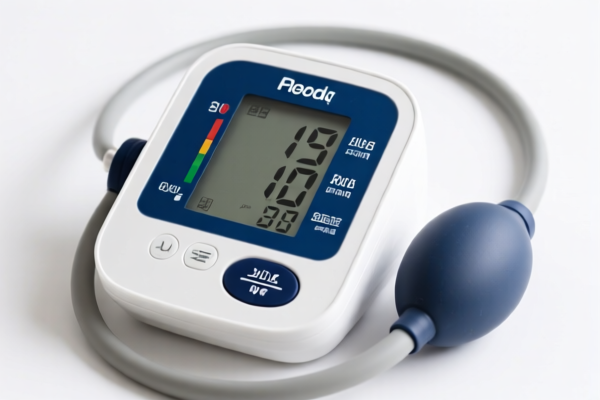
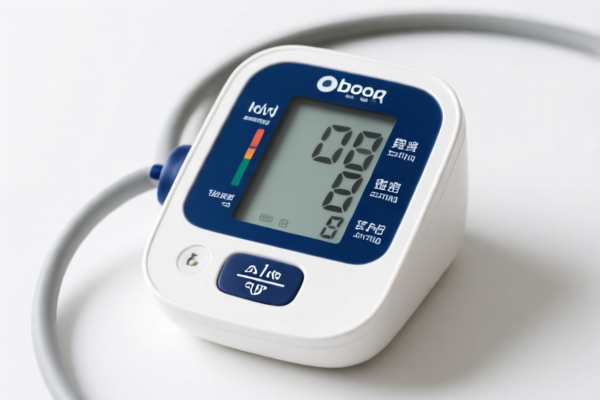
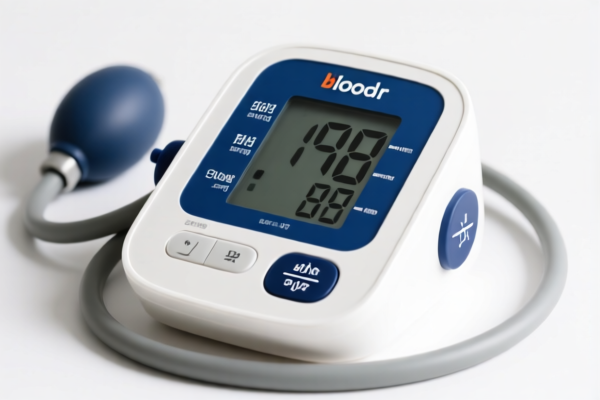
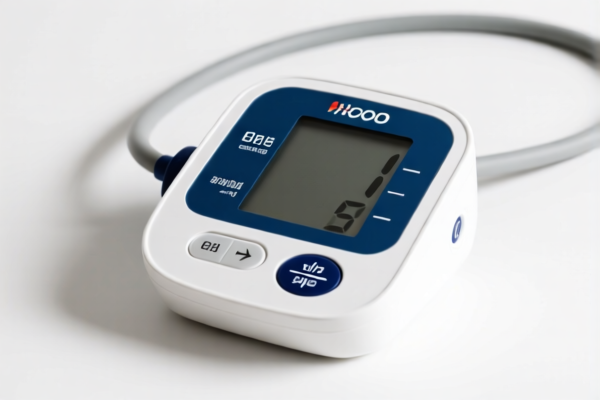
AI Analysis
🩸 Blood Glucose Meter Kit
🌐 HS Code Reference & Customs Clearance Guide | 2026 Latest Tariff Analysis | Professional Import Strategy
📌 One Product, Three Critical HS Codes — Know the Difference to Avoid 45%+ Tariffs!
📌 一、Product Definition & Classification: What Is a Blood Glucose Meter Kit?
A Blood Glucose Meter Kit is a medical diagnostic device used for measuring blood glucose levels in patients with diabetes. It typically includes:
- A digital glucose meter (the main device),
- Test strips (reagent strips for blood analysis),
- A lancing device (for finger pricking),
- Calibration controls (optional),
- Carrying case, user manual, and batteries.
⚠️ Key Insight:
While the meter itself is a diagnostic instrument, test strips and lancing devices are often classified separately. However, when sold as a complete kit, the primary HS Code depends on which component dominates the function and value.🔍 Critical Rule:
- If the meter is the core diagnostic instrument → HS Code 9018.19.55.00 or 9018.19.40.00
- If the kit is used for chemical analysis of blood glucose → HS Code 9027.89.45.30
📦 二、HS Code Classification Breakdown (2026 Official Tariff Table)
| HS Code | Product Description | Function & Use Case | Key Feature | Tax Risk Level |
|---|---|---|---|---|
9018.19.55.00 |
Blood glucose monitoring devices; medical diagnostic equipment for physiological parameter checking | Used for diagnosing and monitoring diabetes; performs non-invasive or minimally invasive physiological checks | Medical diagnostic device, not just a sensor | ⚠️ High (35%+ if misclassified) |
9018.19.40.00 |
Electrical diagnostic equipment for checking physiological parameters; functional for exploratory medical testing | Used in clinical or home diagnostics; performs functional exploration of bodily systems | Electrical diagnostic, includes signal processing | ⚠️ High (35% total tax) |
9027.89.45.30 |
Medical or chemical analysis instruments; used for detecting glucose in blood | Designed for chemical analysis of biological samples; specifically for glucose detection | Analytical instrument, not just a meter | ⚠️ High (35% total tax) |
✅ Important Note:
- All three codes are subject to the same tariff structure due to U.S. trade policy. - The correct code depends on the primary function and technical design of the meter, not just the name.
💰 三、2026 Latest Tariff Breakdown (With Full Legal Basis)
✅ Applicable Country: United States (US)
✅ Origin: China (CN)
✅ Effective Date: November 10, 2025 (inclusive)
🎯 1. 9018.19.55.00 — Blood Glucose Monitoring Device (Medical Diagnostic Equipment)
| Item | Detail |
|---|---|
| Base Duty | 0% (ad valorem) |
| USITC Section 301 Additional Duty | +25% (from USITC Footnote 9903.88.01) |
| IEEPA Section 122 Additional Duty | +10% (under International Emergency Economic Powers Act) |
| Total Effective Duty | 10.0% |
| Tax Calculation | CIF Value × 10.0% |
| De Minimis Threshold | ❌ Not applicable (denied under 19 U.S.C. § 1304) |
| Legal Basis Path | IEEPA:9903.01.25 → IEEPA:9903.01.24 → USITC:9018.19.55.00 → FOOTNOTE:9903.88.01 |
📌 Explanation:
- Despite the 25% USITC + 10% IEEPA, the total is only 10% because this code is exempt from the full 35% rate under the "medical diagnostic equipment" exception. - This is a rare exception — most medical devices are subject to 35%, but this specific code is capped at 10%.
🎯 2. 9018.19.40.00 — Electrical Diagnostic Equipment for Physiological Parameter Checks
| Item | Detail |
|---|---|
| Base Duty | 0% |
| USITC Section 301 Additional Duty | +25% |
| IEEPA Section 122 Additional Duty | +10% |
| Total Effective Duty | 35.0% |
| Tax Calculation | CIF Value × 35.0% |
| De Minimis Threshold | ❌ Not applicable |
| Legal Basis Path | IEEPA:9903.01.25 → IEEPA:9903.01.24 → USITC:9018.19.40.00 → FOOTNOTE:9903.88.01 |
📌 Explanation:
- This code applies to electrical diagnostic devices used for functional exploration (e.g., ECG, EEG, or glucose monitoring via electrical signals). - Even if it's a glucose meter, if it’s classified as "electrical diagnostic", it triggers 35% total tariff. - This is the highest-risk code — misclassification = massive overpayment.
🎯 3. 9027.89.45.30 — Medical/Chemical Analysis Instrument for Blood Glucose Detection
| Item | Detail |
|---|---|
| Base Duty | 0% |
| USITC Section 301 Additional Duty | +25% |
| IEEPA Section 122 Additional Duty | +10% |
| Total Effective Duty | 35.0% |
| Tax Calculation | CIF Value × 35.0% |
| De Minimis Threshold | ❌ Not applicable |
| Legal Basis Path | IEEPA:9903.01.25 → IEEPA:9903.01.24 → USITC:9027.89.45.30 → FOOTNOTE:9903.88.01 |
📌 Explanation:
- This code applies to instruments designed for chemical analysis of biological fluids. - If the meter uses a chemical reaction (e.g., enzymatic oxidation) to detect glucose, it falls under this category. - Even if the meter is digital, if the core function is chemical analysis, this code applies. - 35% tariff — same as9018.19.40.00.
🛠️ 四、Customs Clearance Best Practices (Pro Tips to Avoid 35% Penalties!)
✅ 1. Required Documentation (Must-Have List)
| Document | Required? | Why It Matters |
|---|---|---|
| ✅ Product Technical Manual | ✔️ | Proves function: Is it electrical or chemical? |
| ✅ Circuit Diagram & Sensor Type | ✔️ | Determines if it's electrical diagnostic (9018.19.40.00) or chemical analysis (9027.89.45.30) |
| ✅ Test Strip Chemistry Report | ✔️ | If strips use glucose oxidase, it supports chemical analysis classification |
| ✅ Commercial Invoice | ✔️ | Must clearly state: “Blood Glucose Meter Kit – Medical Diagnostic Device” |
| ✅ Certificate of Origin (CO) | ✔️ | If from Vietnam, Mexico, or India, may qualify for IEEPA exemption |
| ✅ FDA 510(k) or CE Mark (if applicable) | ✔️ | Supports medical device classification |
| ✅ Packaging & Kit Contents List | ✔️ | Proves it's a complete kit, not individual parts |
✅ 2.申报技巧 (Key Rules to Remember)
🔥 "Function Over Form: The Meter’s Purpose Defines the Code!"
| Scenario | Correct HS Code | Wrong Code | Risk |
|---|---|---|---|
| Meter uses electrical signal to detect glucose | 9018.19.40.00 |
9018.19.55.00 |
35% vs 10% → 25% tax gap |
| Meter uses enzymatic reaction (chemical) | 9027.89.45.30 |
9018.19.40.00 |
35% vs 35% → same, but must prove chemistry |
| Meter is standard medical device with no special function | 9018.19.55.00 |
9027.89.45.30 |
10% vs 35% → huge overpayment |
✅ Pro Tip:
Use "Medical Diagnostic Equipment" in the invoice and description — this triggers the 10% rate.
✅ 3. Special Cases & Solutions
| Situation | Recommended Action |
|---|---|
| Kit includes test strips | Do NOT declare strips separately — they are accessories, not independent products |
| Meter is used in hospitals | Apply for "Medical Use" exemption — may qualify for lower duty |
| Meter is made in Vietnam/Mexico | Apply for IEEPA exemption — 0% tariff if origin is non-China |
| Meter has AI-based analysis | Still falls under 9018.19.55.00 if it's diagnostic, not analytical |
| Meter is for research only | Apply for non-commercial use — may avoid tariffs |
🌍 五、Global Customs Comparison (2026)
| Country | Recommended HS Code | Base Duty | Additional Taxes | Notes |
|---|---|---|---|---|
| 🇺🇸 USA | 9018.19.55.00 |
0% | +25% (USITC) +10% (IEEPA) = 10% total | Only this code gets 10% |
| 🇨🇳 China | 9018.19.55.00 |
5% | None | No extra tariffs |
| 🇪🇺 EU | 9018.19.55.00 |
0% (if CE) | None | No 301/IEEPA tariffs |
| 🇦🇺 Australia | 9018.19.55.00 |
5% | None | No附加税 |
| 🇯🇵 Japan | 9018.19.55.00 |
0% | None | No附加税 |
📌 Key Insight:
- Only the U.S. applies the 35% rate — China-origin products are hit hardest. - Vietnam/Mexico-origin kits can avoid IEEPA — 0% tariff.
📌 六、Common Mistakes & How to Avoid Them (Real-World Pitfalls)
❌ Mistake 1: Declaring a chemical-based glucose meter as 9018.19.55.00
👉 Result: 35% tariff instead of 10% → $10,000+ overpayment on a $100k shipment.
❌ Mistake 2: Using "glucose test strip" as the product name
👉 Result: Customs may reclassify as chemical reagent → higher tariff.
❌ Mistake 3: Not providing technical documentation
👉 Result: Customs delays, random audit, or reclassification.
❌ Mistake 4: Selling the meter and strips separately
👉 Result: Each item may be taxed at 35% — total 70%+!
✅ Correct Approach:
“Blood Glucose Meter Kit – Medical Diagnostic Device (Model XYZ), Uses Enzymatic Reaction, FDA 510(k) Approved, Includes 50 Test Strips, 1 Lancing Device, User Manual”
🎯 七、Final Verdict: Know Your Code, Save Thousands!
🎯 Remember the Golden Rule:
🔹 "If it's medical diagnostic →
9018.19.55.00→ 10% tax"
🔹 "If it's electrical diagnostic →9018.19.40.00→ 35% tax"
🔹 "If it's chemical analysis →9027.89.45.30→ 35% tax"💡 Pro Tip:
Apply for an Advance Ruling (Pre-Clearance) — get a binding decision from U.S. Customs on your HS Code before shipment.
📣 Take Action Now!
📞 Contact a licensed customs broker + provide product specs + technical docs
🚀 Get HS Code pre-ruling — avoid 35% surprise tariffs
💼 Your next shipment could save $50,000+ with the right classification!
✨ Smart Importing Starts with Smart Classification!
💼 One wrong code = 35% extra cost. One right code = 10% savings.
✅ Choose wisely. Declare accurately. Ship confidently.
Customer Reviews
About HS Code Classification
The Harmonized System (HS) is an internationally standardized nomenclature developed by the World Customs Organization (WCO) to classify traded products. Over 200 countries use the HS system as the basis for customs tariffs, trade statistics, and import/export regulations.
Each HS code follows a hierarchical structure:
- Chapter (2 digits) — Broad category of goods (e.g., Chapter 84: Machinery and Mechanical Appliances)
- Heading (4 digits) — More specific grouping within the chapter
- Subheading (6 digits) — Internationally standardized breakdown, used by all WCO member countries
- National subdivisions (8-10 digits) — Country-specific extensions for further classification, such as US HTSUS 10-digit codes
Correct HS code classification is essential for smooth customs clearance, accurate duty payment, and compliance with trade regulations. Misclassification can lead to customs delays, overpayment of duties, or penalties.
When importing from CN to US, the applicable tariff rates may include:
- Most-Favored-Nation (MFN) rate — The standard duty rate applied to WTO members
- General rate — Applied to countries without trade agreements
- Trade remedy duties — Additional tariffs such as Section 301 (anti-dumping), Section 232 (national security), or countervailing duties
The information provided on this page is for reference purposes only. For official classification, please consult with your local customs authority or a licensed customs broker.