Blue Ceramic Tea Cup Set 5 Piece
CN → US| HS Code | Tariff Rate | Origin | Destination | Doc |
|---|---|---|---|---|
| 6911103710 | 25.5% | CN | US | Official Doc |
| 6911103510 | 43.5% | CN | US | Official Doc |
| 6912003510 | 19.8% | CN | US | Official Doc |
Product Images
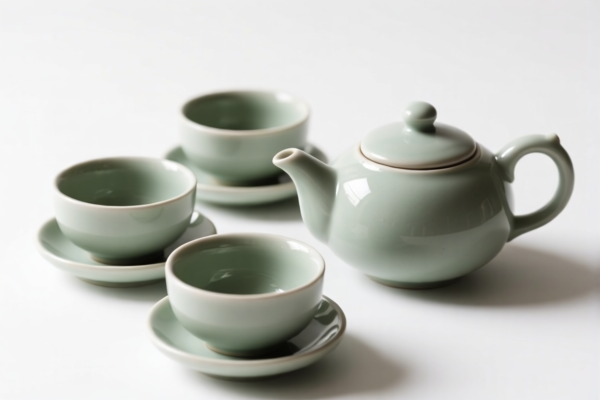
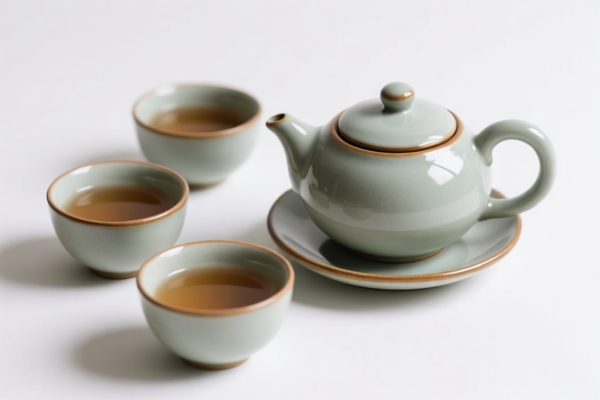
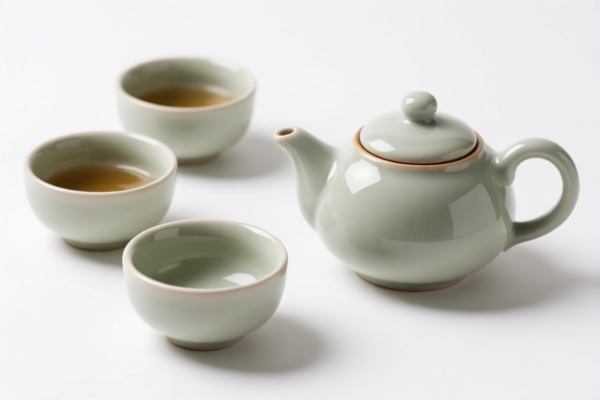
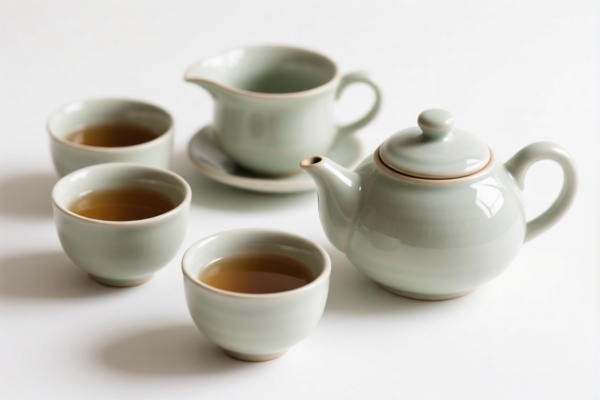
AI Analysis
☕ Blue Ceramic Tea Cup Set 5 Piece (5-Pack)
🌐 HS Code Reference & Customs Clearance Guide | 2026 Latest Tariff Analysis | Professional Clearance Strategy
📌 I. Product Definition & Classification: What exactly is a "Tea Cup Set"?
A 5-Piece Blue Ceramic Tea Cup Set typically consists of ceramic vessels designed for serving tea. In international trade, ceramic tableware is strictly categorized by material, form, and function. The key distinction lies in whether the item is classified under Porcelain (6911) or Other Ceramics (6912), which drastically impacts duty rates.
⚠️ Critical Distinction:
- Porcelain (6911): Made from refined clay, fired at high temperatures, white/translucent, with a glazed finish. Often associated with higher-end tableware.
- Other Ceramics (6912): Includes earthenware, stoneware, or mixed ceramic materials not meeting the strict definition of porcelain. Often used for general kitchenware.📌 Color Note: The color "Blue" refers to the glaze or decoration and does not change the HS code category, but it must be accurately described in the commercial invoice to avoid customs queries regarding material composition.
📦 II. HS Code Classification Details (2026 Latest Tariff Authority Mapping)
Based on the provided data, here are the three potential HS codes and their rationales. Note that the correct code depends on the exact material composition (Porcelain vs. Other Ceramic) and specific dimensions/shapes which are inferred from the "5-piece set" description.
| HS Code | Product Description | Rationale for Classification | Material |
|---|---|---|---|
6911.10.37.10 |
Porcelain Tea Cups & Saucers, specifically sized for cups/saucers | Matches material (Porcelain/Ceramic) and usage (Tea Cup Set). Fits description for specific size utensils. | Porcelain |
6911.10.35.10 |
Porcelain Tea Cups/Saucers, 5-piece set | Matches material (Porcelain) and usage (Tea Cup/Set supplied). Assumed to meet size limits for cups/saucers. | Porcelain |
6912.00.35.10 |
Other Ceramic Tableware, Kitchenware & Tableware | Material is Ceramic (broader category). Form is Tea Cup Set. Usage is Kitchen/Tableware. Fits "fallback" category if not strictly porcelain. | Other Ceramic |
🔍 Key Insight:
-6911is for Porcelain.
-6912is for Other Ceramics.
- The difference in tariff rates is significant (25.5% vs. 19.8% vs. 43.5%), so material verification is crucial.
💰 III. 2026 Latest Tariff Rate Breakdown (Including Surcharges & Policy Add-ons)
✅ Applicable Country: United States (US)
✅ Origin: China (CN) (Assumed based on tariff structure "Section 301/122")
✅ Effective Date: Current 2026 Rates
🎯 1. 6911.10.37.10 — Porcelain Tea Cups & Saucers (Specific Size)
| Item | Content |
|---|---|
| Base Tariff | 8.0% |
| Section 301 Tariff | +7.5% |
| Section 122 Tariff | +10% |
| Total Tariff | 25.5% |
| Tax Calculation | CIF Value × 25.5% |
| De Minimis Exemption | ❌ Not Eligible (High tariff items often excluded or subject to strict scrutiny) |
| Legal Basis | HTSUS:6911.10.37.10 → USITC Footnote 301 + Section 122 |
📌 Explanation:
- This code applies if the set is strictly porcelain and fits specific size/shape descriptions.
- The total duty is 25.5%, which is moderate compared to other potential classifications.
- Section 122 tariffs apply to certain ceramic goods from China.
🎯 2. 6911.10.35.10 — Porcelain Tea Cups/Saucers (5-Piece Set)
| Item | Content |
|---|---|
| Base Tariff | 26.0% |
| Section 301 Tariff | +7.5% |
| Section 122 Tariff | +10% |
| Total Tariff | 43.5% |
| Tax Calculation | CIF Value × 43.5% |
| De Minimis Exemption | ❌ Not Eligible |
| Legal Basis | HTSUS:6911.10.35.10 → USITC Footnote 301 + Section 122 |
📌 Warning:
- This code has the highest total tariff (43.5%).
- Even though it is also porcelain, the specific sub-code35.10may relate to different size brackets or product definitions that attract higher duties.
- Recommendation: Avoid this code if6911.10.37.10is applicable, as it saves 18% in duty.
🎯 3. 6912.00.35.10 — Other Ceramic Tableware (Kitchenware)
| Item | Content |
|---|---|
| Base Tariff | 9.8% |
| Section 301 Tariff | 0.0% |
| Section 122 Tariff | +10% |
| Total Tariff | 19.8% |
| Tax Calculation | CIF Value × 19.8% |
| De Minimis Exemption | ❌ Not Eligible (Generally, Section 122 items are excluded) |
| Legal Basis | HTSUS:6912.00.35.10 → Section 122 |
📌 Explanation:
- This is the lowest total tariff (19.8%).
- It applies if the product is classified as "Other Ceramic" (e.g., stoneware, earthenware) rather than strict porcelain.
- Crucial: If your product is truly porcelain, using this code is misclassification and can lead to penalties. However, if the material is a mixed ceramic or stoneware, this is the most cost-effective legal option.
🛠️ IV. Customs Clearance Practical Advice (Real-World Pitfall Guide)
✅ 1. Documentation Checklist (Essential)
| Document | Mandatory? | Explanation |
|---|---|---|
| ✅ Commercial Invoice | ✔️ | Must clearly state: "5-Piece Blue Ceramic Tea Cup Set", Material (Porcelain/Ceramic), Quantity, Value. |
| ✅ Product Photos | ✔️ | Show the set, individual pieces, and any markings (e.g., "Made in China", "Porcelain"). |
| ✅ Material Certificate | ✔️ | If available, provide a supplier statement confirming material (e.g., "High-fire Porcelain" vs. "Stoneware"). |
| ✅ Packing List | ✔️ | Detail contents: e.g., "4 x Tea Cups, 1 x Teapot" or "5 x Mugs". Mislabeling as "Kitchen Utensils" may trigger scrutiny. |
| ✅ Customs Broker Entry | ✔️ | Ensure the HS code matches the material description. |
✅ 2. Classification Strategy (Key Rules)
🔥 “Material First, Code Last: Porcelain vs. Ceramic”
| Scenario | Recommended HS Code | Total Duty | Risk Level |
|---|---|---|---|
| Strict Porcelain (White, translucent, high-fired) | 6911.10.37.10 |
25.5% | 🟢 Low (If dimensions match) |
| Strict Porcelain (Different size bracket) | 6911.10.35.10 |
43.5% | 🟡 Medium (High cost) |
| Stoneware/Earthenware (Opaque, heavier, not porcelain) | 6912.00.35.10 |
19.8% | 🟢 Low (Most Cost-Effective) |
| Unclear Material | ❌ Avoid | High Risk | 🔴 High (Penalties) |
📌 Strategic Advice:
- If the product is not strictly porcelain (e.g., it is stoneware or earthenware), classify under6912.00.35.10to save 5.7% - 23.7% in duties.
- If it is porcelain, compare37.10(25.5%) vs35.10(43.5%). Use37.10if the dimensions fit the "specific size" description.
- Never under-declare value or mislabel material to get a lower code. CBP (Customs and Border Protection) frequently audits ceramic tableware from China.
✅ 3. Special Circumstances
| Situation | Handling Advice |
|---|---|
| Mixed Material Set (e.g., Ceramic cups, Stainless Steel spoon) | Declare separately. Cups go to 6911/6912, spoons to 7323/7327. Do not bundle. |
| Gift Sets | Still classified as tableware. The "gift" aspect does not change the HS code. |
| Samples | If under $800, may qualify for de minimis only if no Section 301/122 duties apply. However, Section 122 items are often excluded from de minimis. Check current CBP rules. |
| High-Value Items | If the set is luxury porcelain, ensure accurate valuation to avoid penalties. |
🌍 V. Global Market Comparison (2026 Latest)
| Country/Region | Recommended HS Code | Tariff (China Origin) | Certification Required | Notes |
|---|---|---|---|---|
| 🇺🇸 USA | 6911.10.37.10 or 6912.00.35.10 |
19.8% - 43.5% | None specific (but FDA food-safe contact may be required) | Section 122 adds 10% to all ceramics. |
| 🇨🇳 China | 6911.10.37.10 |
0% - 9% | CCC (if applicable) | No Section 301/122. |
| 🇪🇺 EU | 6911.10.10 |
0% - 4.5% | CE / Food Contact Safe | No Section 122. |
| 🇬🇧 UK | 6911.10.10 |
0% - 4.5% | UKCA / Food Contact Safe | Post-Brexit rules apply. |
📌 Conclusion:
- The USA is the most expensive market due to Section 301 (7.5%) and Section 122 (10%) tariffs.
- EU/UK have significantly lower tariffs for ceramic tableware.
- For US imports, material accuracy is critical to avoid the 43.5% pitfall.
📌 VI. Common Errors & Pitfall Guide (Blood Lessons)
❌ Error 1: Classifying Porcelain as Other Ceramic (6912) to save duty.
👉 Consequence: CBP may reclassify it as Porcelain (6911) and charge 25.5% + penalties. If already classified as 6912, they may assess the higher 6911 rate retroactively.
❌ Error 2: Using 6911.10.35.10 (43.5%) when 6911.10.37.10 (25.5%) is applicable.
👉 Consequence: Overpayment of 18% duty. Always verify dimension/shape criteria for the lower code.
❌ Error 3: Ignoring Section 122 tariffs.
👉 Consequence: All ceramic tableware from China entering the US is subject to an additional 10%. If not declared, it leads to seizure or heavy fines.
✅ Correct Approach:
"Blue Ceramic Tea Cup Set, 5-Piece, Stoneware, Food Safe, Made in China"
→ Classify under6912.00.35.10(if not porcelain) for 19.8% total duty.
OR
"Blue Porcelain Tea Cup Set, 5-Piece, High-Fire, Food Safe, Made in China"
→ Classify under6911.10.37.10for 25.5% total duty.
🎯 VII. Conclusion: Professional Classification, Cost Savings, Smooth Clearance
🎯 Remember the Rules:
🔹 "Porcelain or Ceramic? Choose Wisely."
🔹 "Section 122 is Always On: +10%."
🔹 "Stoneware is Cheaper: 19.8% vs 25.5%."
📌 Pro Tip:
If your product is stoneware or earthenware, ensure the commercial invoice specifies "Stoneware" or "Earthenware" (not "Porcelain") to legally qualify for 6912.00.35.10 at 19.8% total duty.
If it is porcelain, verify the dimensions to ensure it fits 6911.10.37.10 (25.5%) and not 6911.10.35.10 (43.5%).
📣 Action Item:
📞 Confirm material with supplier.
📸 Take clear photos.
📄 Declare accurately.
🚀 Save up to 23% in duties with correct classification!
✨ Professional Clearance Starts with Precise Classification!
💼 Your Every Dollar Should Be Accounted For!
Customer Reviews
About HS Code Classification
The Harmonized System (HS) is an internationally standardized nomenclature developed by the World Customs Organization (WCO) to classify traded products. Over 200 countries use the HS system as the basis for customs tariffs, trade statistics, and import/export regulations.
Each HS code follows a hierarchical structure:
- Chapter (2 digits) — Broad category of goods (e.g., Chapter 84: Machinery and Mechanical Appliances)
- Heading (4 digits) — More specific grouping within the chapter
- Subheading (6 digits) — Internationally standardized breakdown, used by all WCO member countries
- National subdivisions (8-10 digits) — Country-specific extensions for further classification, such as US HTSUS 10-digit codes
Correct HS code classification is essential for smooth customs clearance, accurate duty payment, and compliance with trade regulations. Misclassification can lead to customs delays, overpayment of duties, or penalties.
When importing from CN to US, the applicable tariff rates may include:
- Most-Favored-Nation (MFN) rate — The standard duty rate applied to WTO members
- General rate — Applied to countries without trade agreements
- Trade remedy duties — Additional tariffs such as Section 301 (anti-dumping), Section 232 (national security), or countervailing duties
The information provided on this page is for reference purposes only. For official classification, please consult with your local customs authority or a licensed customs broker.