Blue Clothes Hanger
CN → US| HS Code | Tariff Rate | Origin | Destination | Doc |
|---|---|---|---|---|
| 3926909989 | 22.8% | CN | US | Official Doc |
| 3926902500 | 24.0% | CN | US | Official Doc |
| 7326200020 | 88.9% | CN | US | Official Doc |
Product Images
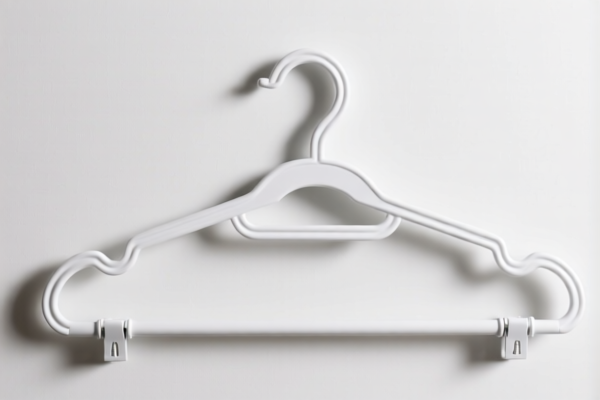


AI Analysis
🧥 Blue Clothes Hangers (Garment Hangers)
🌐 HS Code Reference & Clearance Guide | 2026 Latest Tariff Analysis | Professional Customs Strategy
📌 1. Product Definition and Classification: Do You Really Understand "Hangers"?
Blue clothes hangers are ubiquitous storage solutions for garments. In international trade, they are not classified as a single uniform product. The classification depends entirely on the material composition and structural integrity.
Since the input "Blue Clothes Hanger" does not specify the material, we must evaluate three primary scenarios based on common market realities:
1. Plastic Hangers: The most common, lightweight, often molded plastic.
2. Metal Hangers: Typically made of iron, steel, or wire, often coated or chrome-plated.
3. Other Materials: (e.g., Wood, Bamboo) – Note: Based on the provided data <DATA>, we will focus on the Plastic and Metal (Iron/Steel) classifications as these are the most critical for tariff calculation.
⚠️ Critical Distinction:
- If made of Plastic: It falls under Chapter 39 (Plastics and Articles Thereof).
- If made of Iron or Steel: It falls under Chapter 73 (Articles of Iron or Steel).
- Why it matters: The tariff rates for these materials differ drastically due to trade policies (e.g., Section 301, Section 232).
📦 2. HS Code Classification Details (2026 Latest Tariff Authority Comparison)
Based on the provided data <DATA>, here are the three potential HS Codes and their specific tax implications.
| HS Code | Material Basis | Product Description & Logic | Total Tax Rate |
|---|---|---|---|
3926.90.99.89 |
Plastic | 兜底类目 (Catch-all for Plastics) Infers material is plastic based on commonality. Classified under "Other articles of plastics and articles of other materials." |
22.8% |
3926.90.25.00 |
Plastic | Other Plastic Articles Infers plastic material meeting specific sub-category requirements. Fits reasonably within other plastic article categories. |
24.0% |
7326.20.00.20 |
Iron/Steel | Iron or Steel Articles Inferred as iron or steel based on common sense for durable hangers. Matches use and form for metal products. |
88.9% |
🔍 Key Insight:
- The difference between a Plastic hanger and a Metal hanger is not just aesthetic; it changes the tax burden from ~23% to ~89%. - Section 232 Tariff (Steel/Aluminum): The high tax on7326.20.00.20includes a massive 50% surcharge specifically for steel/aluminum products, which is NOT applied to the plastic categories.
💰 3. 2026 Latest Tariff Rate Breakdown (Including Surtaxes)
✅ Applicable Country: United States (US)
✅ Origin: China (CN)
✅ Effective Date: Current policies apply (Section 301, 122, 232)
🎯 1. 3926.90.99.89 —— Plastic Articles (Catch-all)
| Item | Detail |
|---|---|
| Base Duty | 5.3% (ad valorem) |
| Section 301 Surtax | 7.5% |
| Section 122 Surtax | 10% |
| Total Tax Rate | 22.8% |
| Calculation | CIF Value × 22.8% |
| Legal Basis | Standard Chapter 39 rates + Trade policy surcharges |
📌 Explanation:
- Plastic hangers are subject to Base Duty (5.3%). - Section 301 adds 7.5% due to trade tensions with China. - Section 122 adds 10% (often related to national security or specific industrial protections). - Total: 22.8%. This is a moderate-high rate but significantly lower than metal.
🎯 2. 3926.90.25.00 —— Other Plastic Articles
| Item | Detail |
|---|---|
| Base Duty | 6.5% (ad valorem) |
| Section 301 Surtax | 7.5% |
| Section 122 Surtax | 10% |
| Total Tax Rate | 24.0% |
| Calculation | CIF Value × 24.0% |
| Legal Basis | Specific sub-category under Chapter 39 |
📌 Note:
- Slightly higher base duty (6.5% vs 5.3%) compared to the catch-all code. - Same surcharges apply (7.5% + 10%). - Total: 24.0%. Use this code if the hanger fits a more specific "other plastic article" definition rather than the general catch-all.
🎯 3. 7326.20.00.20 —— Articles of Iron or Steel
| Item | Detail |
|---|---|
| Base Duty | 3.9% (ad valorem) |
| Section 301 Surtax | 25.0% |
| Section 122 Surtax | 10% |
| Section 232 Surtax (Steel/Aluminum) | 50% |
| Total Tax Rate | 88.9% |
| Calculation | CIF Value × 88.9% |
| Legal Basis | Chapter 73 + Trade remedies + National Security Tariff |
📌 Warning:
- The Base Duty is low (3.9%), but the Section 232 Surcharge is 50%. - Section 232 tariffs target Steel and Aluminum products due to national security concerns. - Total: 88.9%. This is an extremely high tariff. Importing metal hangers from China is often not cost-effective unless the retail price is very high.
🛠️ 4. Clearance Practical Advice (Battle-Tested Pitfall Avoidance)
✅ 1. Preparation Checklist (Non-negotiable)
| Document | Must Provide | Reason |
|---|---|---|
| ✅ Material Specification | ✔️ | Critical. Must state "100% Polypropylene" or "Iron Wire, Chrome Plated." Ambiguity leads to reclassification. |
| ✅ Product Photos | ✔️ | Show the hook, the body, and any coating. Helps customs determine if it's metal or plastic. |
| ✅ Bill of Lading | ✔️ | Ensure the description matches the commercial invoice exactly. |
| ✅ Commercial Invoice | ✔️ | Clearly state "Clothes Hanger, Plastic, Blue" or "Metal Hanger." Do not just write "Hanger." |
| ✅ Country of Origin Certificate | ✔️ | Required for duty calculation and surcharge determination. |
✅ 2. Declaration Strategy (Key Mnemonics)
🔥 "Material First, Code Second, Tax Saves Third!"
| Scenario | Correct Declaration | Wrong Action | Consequence |
|---|---|---|---|
| Plastic Hanger | 3926.90.99.89 |
Declare as Metal (7326...) |
Overpay Tax (88.9% instead of 22.8%) |
| Metal Hanger | 7326.20.00.20 |
Declare as Plastic (3926...) |
Underpay Tax + Penalty (Customs will assess 88.9% + fines) |
| Mixed Batch | Split Declaration | Mix Plastic & Metal in one line | Risk of Audit. Separate by material and HS Code. |
| Wire Hanger | 7326.20.00.20 |
Declare as "Textile Accessory" | Misclassification. Wire is metal, not fabric. |
✅ 3. Special Handling Tips
| Situation | Advice |
|---|---|
| Plastic with Metal Hook | If the hook is metal and the body is plastic, check if the essential character is determined by the metal part. Often, small metal parts in plastic goods are still classified under Chapter 39, but consult a specialist if the metal component is significant. |
| Wooden Hangers | Not covered in the provided <DATA>. Typically fall under Chapter 44 (Wood). Rates differ. Ensure you are not misclassifying wood as plastic. |
| Custom Colors (Blue) | Color is not a classification factor. "Blue" does not change the HS Code. It only affects marketing. Focus on Material. |
🌍 5. Global Market Comparison (2026 Latest)
| Country/Region | Recommended HS Code (Plastic) | Tax Rate (China Origin) | Notes |
|---|---|---|---|
| 🇺🇸 USA | 3926.90.99.89 |
22.8% | High due to Sec 301 + 122. Metal is 88.9%! |
| 🇨🇳 China | 3926.90.90 |
~0-5% | Low entry tax. No US surcharges. |
| 🇪🇺 EU | 3926.90.97 |
~4-6% | No Section 301/232 equivalents. Much cheaper. |
| 🇬🇧 UK | 3926.90.97 |
~4-6% | Post-Brexit, rates similar to EU. |
📌 Conclusion:
- USA is the most expensive market due to trade wars. - If exporting to the US, Plastic Hangers are significantly more viable than Metal Hangers. - Consider sourcing metal hangers from non-China origins (e.g., Vietnam, Bangladesh) to avoid the 50% Section 232 surcharge if applicable to those regions (check specific origin rules).
📌 6. Common Errors & Pitfall Guide (Lessons Learned)
❌ Error 1: Declaring "Metal Hanger" as 3926.90.99.89 (Plastic)
👉 Result: Customs seizure, back-tariff of 88.9% + penalties. Do not do this.
❌ Error 2: Assuming "Blue" implies a specific chemical classification
👉 Result: Irrelevant. Customs ignores color for HS Code determination. Focus on Material.
❌ Error 3: Ignoring the "Section 232" tariff on metal products
👉 Result: Unexpected bill for 88.9%. Many importers forget the steel/aluminum surcharge.
✅ Correct Practice:
"Plastic Clothes Hanger, Blue, Molded Polypropylene, for Men's Shirts" →
3926.90.99.89(22.8%)
"Steel Wire Hanger, Chrome Plated, Blue Coating" →7326.20.00.20(88.9%)
🎯 7. Conclusion: Precision in Classification Saves Money!
🎯 Remember the Rule:
🔹 "Material Determines Code, Code Determines Tax, Tax Determines Profit!"
🔹 "Plastic: ~23%, Metal: ~89%. Check your material first!"
📌 Pro Tip:
If you are importing large volumes of metal hangers, consider:
1. Shifting to Plastic: For a massive tax saving.
2. Origin Shifting: Manufacturing in countries not subject to Section 232 (if possible).
3. Pre-Ruling: Apply for an Advance Ruling from US Customs (CBP) to confirm the classification before shipping.
📣 Immediate Action:
📞 Verify Material: Is it Plastic or Metal?
📄 Select HS Code:3926...or7326...?
🚀 Calculate Cost: Include all surcharges (301, 122, 232).Avoid Surprise Bills. Clear Customs Smoothly.
✨ Professional Clearance Starts with Accurate Classification!
💼 Your Profit Margin Depends on Your HS Code!
Customer Reviews
About HS Code Classification
The Harmonized System (HS) is an internationally standardized nomenclature developed by the World Customs Organization (WCO) to classify traded products. Over 200 countries use the HS system as the basis for customs tariffs, trade statistics, and import/export regulations.
Each HS code follows a hierarchical structure:
- Chapter (2 digits) — Broad category of goods (e.g., Chapter 84: Machinery and Mechanical Appliances)
- Heading (4 digits) — More specific grouping within the chapter
- Subheading (6 digits) — Internationally standardized breakdown, used by all WCO member countries
- National subdivisions (8-10 digits) — Country-specific extensions for further classification, such as US HTSUS 10-digit codes
Correct HS code classification is essential for smooth customs clearance, accurate duty payment, and compliance with trade regulations. Misclassification can lead to customs delays, overpayment of duties, or penalties.
When importing from CN to US, the applicable tariff rates may include:
- Most-Favored-Nation (MFN) rate — The standard duty rate applied to WTO members
- General rate — Applied to countries without trade agreements
- Trade remedy duties — Additional tariffs such as Section 301 (anti-dumping), Section 232 (national security), or countervailing duties
The information provided on this page is for reference purposes only. For official classification, please consult with your local customs authority or a licensed customs broker.