Blue Cotton Linen Canvas Bag
CN → US| HS Code | Tariff Rate | Origin | Destination | Doc |
|---|---|---|---|---|
| 6305200000 | 23.7% | CN | US | Official Doc |
| 6305900000 | 23.7% | CN | US | Official Doc |
| 4202926091 | 41.3% | CN | US | Official Doc |
Product Images
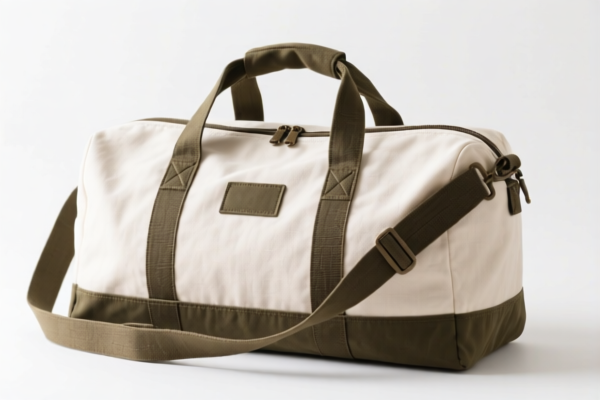
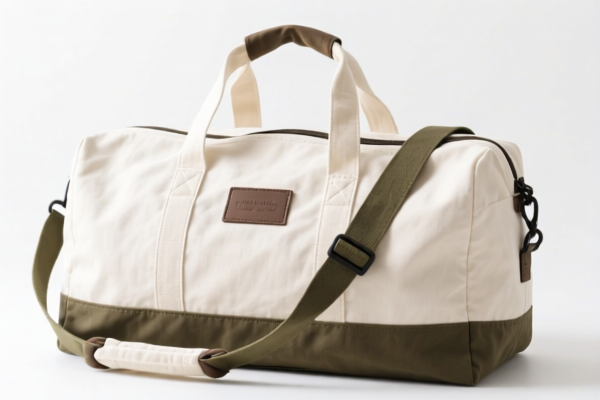
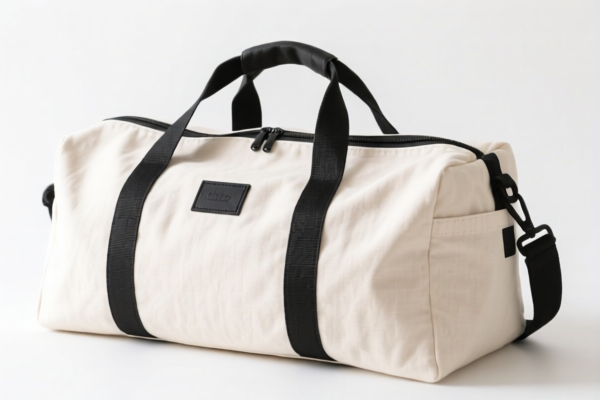
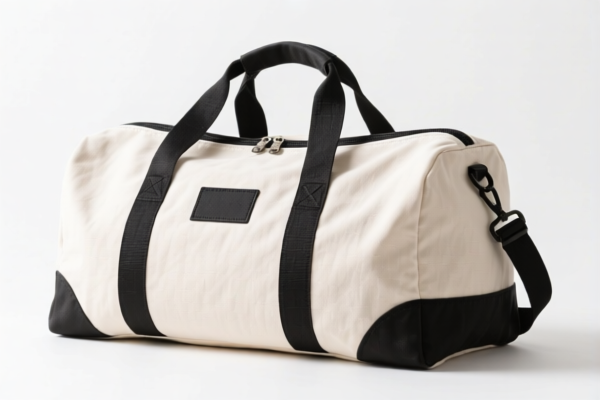
AI Analysis
👜 Blue Cotton Linen Canvas Bag (棉麻帆布袋)
🌐 HS Code Reference & Customs Clearance Guide | 2026 Latest Tariff Analysis | Professional Strategy for US Imports
📌 I. Product Definition & Classification: Do You Truly Understand "Canvas Bags"?
The "Blue Cotton Linen Canvas Bag" is a versatile textile product used for shopping, storage, or promotional purposes. In international trade, the classification hinges on two critical factors: Material Composition and Function/Structure.
Key Distinctions: 1. Textile Classification (Chapters 52-63): If the bag is primarily valued for its textile nature (canvas/cotton/linen blend) and is not specially shaped for specific technical uses, it falls under Chapter 63 (Other made up textile articles). 2. Luggage/Handbag Classification (Chapter 42): If the bag has a specific shape, handles, and is considered a "container for personal effects" resembling handbags or suitcases, it may fall under Chapter 42.
⚠️ Critical Classification Point:
- If the bag is a simple open pouch, tote, or sack made of woven cotton/linen fabric without complex internal structures → Likely Chapter 63.
- If the bag has a rigid structure, specific lining, or is categorized as a "bag" for carrying personal items → Likely Chapter 42.
📦 II. HS Code Classification Details (2026 Latest Tariff Authority对照)
Based on the provided data, here are the three potential HS Codes and their respective tax implications:
| HS Code | Product Description (Summary) | Key Characteristics | Tax Rate |
|---|---|---|---|
6305.20.00.00 |
Cotton/Linen Bags, Material contains Cotton, Form is Bag | Simple textile bags, sacks, or bags made of cotton/linen fabric. Focuses on the textile material. | 23.7% |
6305.90.00.00 |
Cotton/Linen Bags, Material is Cotton-Linen Textile, Form is Bag | Similar to above but specifies "Cotton-Linen Textile Material." Covers other textile bags not specified in 6305.20. | 23.7% |
4202.92.60.91 |
Cotton/Linen Bags, Material Compliant with Cotton, Form is Bag/Container | Classified as a luggage/handbag type container. This is a more "finished good" classification, often attracting higher duties due to Chapter 42 rules. | 41.3% |
🔍 重点提醒 (Key Reminder):
- The difference between 23.7% and 41.3% is significant (17.6% difference).
- Misclassifying a simple tote bag as a "handbag container" (4202...) can lead to overpayment of taxes.
- Conversely, classifying a structured handbag as a simple "textile bag" (6305...) may result in customs penalties for incorrect declaration.
💰 III. 2026 Latest Tariff Rate Breakdown (Including Surtaxes & Policy Add-ons)
✅ Applicable Country: United States (US)
✅ Country of Origin: China (CN)
✅ Effective Date: November 10, 2025 (and subsequent imports)
🎯 1. 6305.20.00.00 & 6305.90.00.00 —— Textile Bags (Cotton/Linen)
These two codes share the same tax structure as per the data provided.
| Item | Details |
|---|---|
| Basic Tariff (MFN) | 6.2% |
| Section 301 Surtax | +7.5% |
| Section 122 Tariff | +10% |
| Total Tariff Rate | 23.7% |
| Tax Calculation | CIF Value × 23.7% |
| De Minimis Eligibility | ❌ Not Eligible (Deny De Minimis) |
| Legal Basis Path | Section 301: Footnote 9903.88.01 → Section 122 → USITC: 6305.20.00.00 / 6305.90.00.00 |
📌 Explanation:
- Basic Tariff (6.2%): The standard Most-Favored-Nation (MFN) rate for textile bags.
- Section 301 (7.5%): Additional tariff imposed on Chinese goods under the Trade Act of 1974.
- Section 122 (10%): Additional tariff under the Trade Facilitation and Trade Enforcement Act of 2015, targeting specific categories of goods to protect domestic manufacturing.
- Total (23.7%): This is the all-inclusive duty rate for textile classification.
🎯 2. 4202.92.60.91 —— Bag/Container (Luggage Category)
This code carries a significantly higher burden due to the nature of Chapter 42 (Articles of leather, travel goods, handbags).
| Item | Details |
|---|---|
| Basic Tariff (MFN) | 6.3% |
| Section 301 Surtax | +25.0% |
| Section 122 Tariff | +10% |
| Total Tariff Rate | 41.3% |
| Tax Calculation | CIF Value × 41.3% |
| De Minimis Eligibility | ❌ Not Eligible (Deny De Minimis) |
| Legal Basis Path | IEEPA:9903.01.25 → Section 301: Footnote 9903.88.01 → USITC: 4202.92.60.91 → Section 122 |
📌 Explanation:
- Basic Tariff (6.3%): Slightly higher than textile bags.
- Section 301 (25.0%): Note the jump from 7.5% to 25%. Chapter 42 items often fall into higher tariff lists under Section 301.
- Section 122 (10%): Same as above.
- Total (41.3%): This is a high-cost classification. Importers must ensure the product description justifies this category; otherwise, it is a financial loss.
🛠️ IV. Customs Clearance Practical Advice (Combat Pitfall Guide)
✅ 1. Required Documentation Checklist (All Are Mandatory)
| Document | Required | Description |
|---|---|---|
| ✅ Product Specifications | ✔️ | Detailed description: "Blue Cotton Linen Canvas Bag," dimensions, weight, closure type (zipper, drawstring, open). |
| ✅ Material Composition | ✔️ | Explicitly state: "100% Cotton," "60% Cotton / 40% Linen," or "Cotton/Linen Blend." This determines Chapter 63 vs. 42. |
| ✅ Product Photos | ✔️ | Clear images of the bag from all angles, showing the interior, handles, and any hardware. |
| ✅ Commercial Invoice | ✔️ | Must clearly state: "Canvas Bag," NOT "Handbag" or "Wallet" unless it is indeed a structured handbag. |
| ✅ Packing List | ✔️ | Unit price, total quantity, gross/net weight. |
| ✅ Origin Certificate | ✔️ | If not from China, to potentially avoid Section 301/122 tariffs. |
✅ 2. Declaration Tips (Key Mantras)
🔥 "Material Matters, Shape Defines, Description Matches!"
| Scenario | Correct Declaration | Incorrect Practice |
|---|---|---|
| Simple Tote/Sack | Use 6305.20.00.00 or 6305.90.00.00Reason: It's a textile bag. |
Misdeclare as 4202.92.60.91 → Pay 41.3% instead of 23.7% |
| Structured Handbag | Use 4202.92.60.91Reason: It resembles a handbag/luggage. |
Misdeclare as 6305... → Risk of Customs Audit & Penalties |
| Mixed Material Bag | Specify % of Cotton/Linen | Vague description "Fabric Bag" → Delays |
| With Hardware (Zippers) | Still 6305 if textile is principal feature |
Assume hardware makes it "Chapter 42" → Wrong |
✅ 3. Special Case Handling
| Scenario | Handling Advice |
|---|---|
| OEM Promotional Bags | Declare as "Promotional Canvas Bag," provide proof of mass production. Stick to 6305 unless it's a luxury handbag. |
| Bag with Internal Compartments | If it has no rigid structure and is primarily textile, still 6305. If it has a molded shape like a briefcase, consider 4202. |
| Origin Non-China | If produced in Vietnam, India, or Bangladesh, you may avoid Section 301 (7.5%/25%) and Section 122 (10%). Only Basic Tariff applies. |
| De Minimis (Section 321) | ❌ Do NOT use Section 321 ($800 limit). The data indicates deny_de_minimis. All shipments are subject to duty calculation, even small parcels. |
🌍 V. Global Market Customs Comparison (2026 Latest)
| Country/Region | Recommended HS Code | Tariff (China Origin) | Certification Requirements | Notes |
|---|---|---|---|---|
| 🇺🇸 USA | 6305.20.00.00 / 6305.90.00.00 |
23.7% | None specific for canvas | High Section 301 + 122 tariffs. |
| 🇺🇸 USA | 4202.92.60.91 |
41.3% | None specific | Avoid if possible; high cost. |
| 🇨🇳 China | 6305.20.00.00 |
10-14% | None | Basic import duty only. |
| 🇪🇺 EU | 6305.33.00 (Approx) |
0-4% | REACH Compliance | Lower duties than US. |
| 🇬🇧 UK | 6305.33.00 (Approx) |
0-4% | UKCA Mark (if applicable) | Post-Brexit rules apply. |
📌 Conclusion:
- USA is the most expensive market for Chinese-origin canvas bags due to Section 301 and Section 122.
- Choosing the correct HS Code (6305vs4202) can save up to 17.6% in duties.
- For US imports, accurate material declaration is the single most important factor for cost control.
📌 VI. Common Mistakes & Pitfall Guide (Lessons Learned)
❌ Mistake 1: Calling it a "Handbag" when it's a simple tote bag.
👉 Consequence: Landed into 4202.92.60.91 → 41.3% tax instead of 23.7%.
💡 Fix: Use the word "Canvas Bag," "Tote," or "Sack" in the description. Avoid "Handbag" unless it's structured.
❌ Mistake 2: Ignoring Section 122 Tariff.
👉 Consequence: Underpaying duties by 10% → Back taxes + Penalties upon audit.
💡 Fix: Always account for the 10% Section 122 surcharge in your cost calculations for China-origin goods.
❌ Mistake 3: Assuming De Minimis ($800) applies.
👉 Consequence: Attempting to ship under Section 321 → Package held at customs, delayed clearance, additional fees.
💡 Fix: Plan for full duty payment for all shipments from China.
✅ Correct Declaration Example:
"Canvas Bag, Blue, Made of Cotton/Linen Textile, No Lining, Simple Drawstring Closure, For Promotional Use. HS: 6305.20.00.00"
🎯 VII. Conclusion: Professional Declaration, Cost Saving, Efficiency!
🎯 Remember the Mantra:
🔹 "Textile Bag, Use 6305, 23.7% Total. Structured Bag, Use 4202, 41.3% Pain. Section 301 & 122, Don't Forget!"
🔹 "HS Code Determines Cost, 17% Difference is Real. Declare Material, Declare Shape, Stay Safe!"
📌 Pro Tip:
If your canvas bags are originating from Vietnam, India, or Turkey, you may exempt Section 301 and Section 122 tariffs. The total tax could drop to just the basic rate (6.2%-6.3%).
Action: Verify your supply chain origin. If you can shift production to a non-China country, you can save over 23% in duties.
📣 Immediate Action Required:
📞 Consult with a licensed customs broker + Provide product photos + Request a Binding Ruling if the bag structure is ambiguous.
🚀 Ensure your Commercial Invoice clearly states "Cotton/Linen Canvas Bag" to justify the 23.7% rate.
✨ Professional Customs Clearance Starts with Accurate Classification!
💼 Every Percent Saved in Duty is Pure Profit!
Customer Reviews
About HS Code Classification
The Harmonized System (HS) is an internationally standardized nomenclature developed by the World Customs Organization (WCO) to classify traded products. Over 200 countries use the HS system as the basis for customs tariffs, trade statistics, and import/export regulations.
Each HS code follows a hierarchical structure:
- Chapter (2 digits) — Broad category of goods (e.g., Chapter 84: Machinery and Mechanical Appliances)
- Heading (4 digits) — More specific grouping within the chapter
- Subheading (6 digits) — Internationally standardized breakdown, used by all WCO member countries
- National subdivisions (8-10 digits) — Country-specific extensions for further classification, such as US HTSUS 10-digit codes
Correct HS code classification is essential for smooth customs clearance, accurate duty payment, and compliance with trade regulations. Misclassification can lead to customs delays, overpayment of duties, or penalties.
When importing from CN to US, the applicable tariff rates may include:
- Most-Favored-Nation (MFN) rate — The standard duty rate applied to WTO members
- General rate — Applied to countries without trade agreements
- Trade remedy duties — Additional tariffs such as Section 301 (anti-dumping), Section 232 (national security), or countervailing duties
The information provided on this page is for reference purposes only. For official classification, please consult with your local customs authority or a licensed customs broker.