Blue Packaging Film
CN → US| HS Code | Tariff Rate | Origin | Destination | Doc |
|---|---|---|---|---|
| 3923210095 | 38.0% | CN | US | Official Doc |
| 3920100000 | 39.2% | CN | US | Official Doc |
| 3919905060 | 40.8% | CN | US | Official Doc |
| 3919102055 | 40.8% | CN | US | Official Doc |
| 3923290000 | 38.0% | CN | US | Official Doc |
| 3920200055 | 39.2% | CN | US | Official Doc |
Product Images
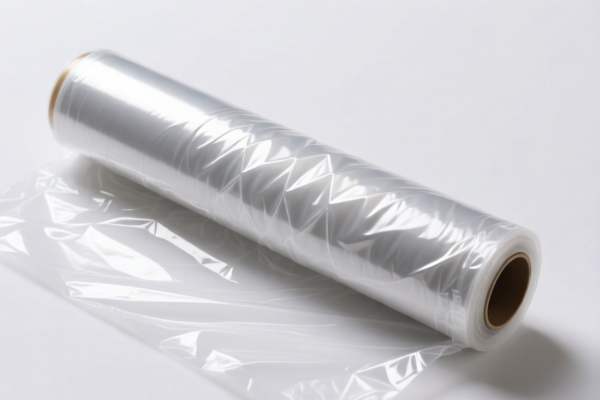
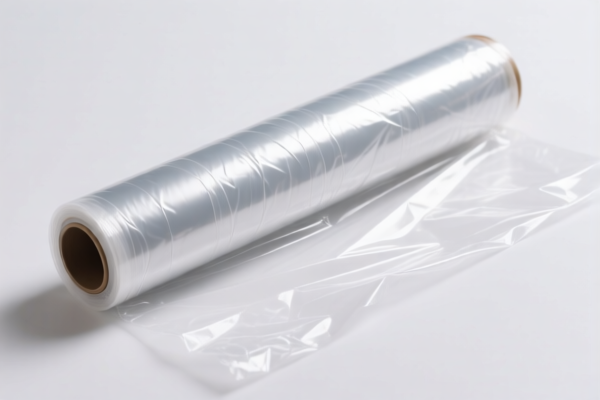
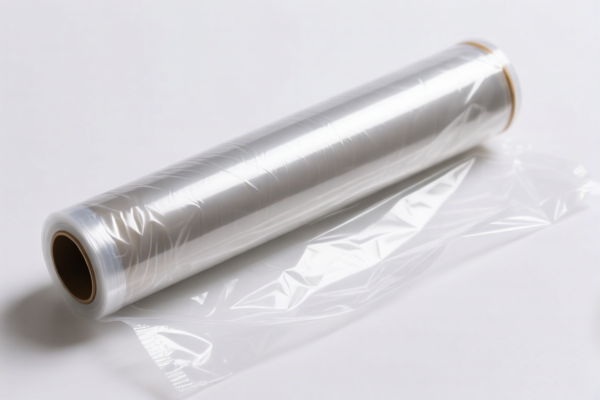
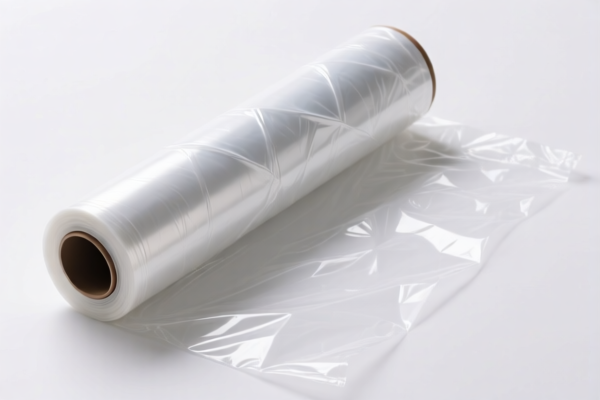
AI Analysis
🎈 Blue Packaging Film (Polymer Bags/Films)
🌐 HS Code Reference & Customs Clearance Guide | 2026 Latest Tariff Analysis | Strategic通关策略 for Exporters
📌 Part 1: Product Definition & Classification: What exactly is "Blue Packaging Film"?
In international trade, "Blue Packaging Film" usually refers to flexible plastic packaging materials, often used for food, industrial parts, or retail goods. The key to correct classification lies in material composition and physical form.
Common Interpretations: 1. Polymer Bags/Sacks: If the film is formed into a bag shape (open or sealed), it typically falls under Chapter 39.23. 2. Flat Plastic Sheets/Films: If the material is a flat roll or sheet without specific bag-forming features, it falls under Chapter 39.20 or 39.19. 3. Material Assumption: Based on common industry standards, "Blue Film" is inferred to be Polyethylene (PE) or similar Polyolefins unless stated otherwise.
⚠️ Critical Distinction Point:
- Is it a Bag/Sack shape? → Likely 3923.2x
- Is it a Flat Roll/Sheet shape? → Likely 3920.x0 or 3919.x0
- Conflict Check: All suggested HS codes below assume no conflicting material descriptions (e.g., not glass, metal, or paper).
📦 Part 2: HS Code Classification Details (2026 Latest Tariff Authority Comparison)
| HS Code | Product Description | Application Scenario | Shape/Material Match |
|---|---|---|---|
3923.21.00.95 |
Blue Polymer Bags | Bags made of polymers (e.g., PE bags for food, retail, or industrial use) | ✅ Bag Form, Polymer Material |
3920.10.00.00 |
Plastic Films | Flat plastic films/rolls, not specifically bags (e.g., shrink wrap, protective film) | ✅ Flat Film, Plastic/Polymer |
3919.90.50.60 |
Other Plastic Films/Rolls | Self-adhesive or non-adhesive plastic rolls/films not elsewhere specified | ✅ Flat Roll, Plastic |
3919.10.20.55 |
Other Plastic Rolls (Flat Shape) | Generic plastic films in flat shape, no specific adhesive or bag feature | ✅ Flat Shape, Plastic |
3923.29.00.00 |
Other Plastic Packaging | Plastic packaging articles not specifically identified as bags (e.g., pouches, sleeves) | ✅ Plastic Packaging, Flexible |
3920.20.00.55 |
Polyolefin Films | Films specifically made of polyolefins (like PE/PP), common for blue wrap | ✅ Film, Polyolefin Material |
🔍 Key Reminder:
- If the product is pre-formed into a bag (even if empty),3923series is generally preferred over3920.
- If it is a roll of film intended to be converted into bags later,3920or3919is more appropriate.
- No Material Conflict: All codes assume standard plastic/polymer material.
💰 Part 3: 2026 Latest Tariff Rate Breakdown (Including Surtaxes & Policy Add-ons)
✅ Applicable Country: United States (US)
✅ Origin: China (CN)
✅ Effective Date: Includes imports from November 10, 2025 onwards
🎯 1. 3923.21.00.95 —— Blue Polymer Bags (Bags)
| Item | Detail |
|---|---|
| Base Tariff | 3.0% |
| Section 301 Surtax | +25.0% (Trade Act Section 301) |
| IEEPA Surtax (122) | +10.0% (China-specific, effective Nov 2025) |
| Total Tariff Rate | 38.0% |
| Tax Calculation | CIF Value × 38.0% |
| De Minimis Exemption | ❌ NOT Eligible (Deny de_minimis) |
| Legal Basis Path | IEEPA:9903.01.25 → IEEPA:9903.01.24 → USITC:3923.21.00.95 → FOOTNOTE:9903.88.01 |
📌 Explanation:
- "Base 3%": Standard MFN rate for polymer bags.
- "301 Surtax 25%": The standard tariff imposed on Chinese goods under Section 301.
- "122 IEEPA 10%": Additional surcharge under the International Emergency Economic Powers Act targeting specific Chinese imports.
- Total 38% is a high tariff rate. Must be factored into landed cost immediately.
🎯 2. 3920.10.00.00 —— Plastic Films (Flat)
| Item | Detail |
|---|---|
| Base Tariff | 4.2% |
| Section 301 Surtax | +25.0% |
| IEEPA Surtax (122) | +10.0% |
| Total Tariff Rate | 39.2% |
| Tax Calculation | CIF Value × 39.2% |
| De Minimis Exemption | ❌ NOT Eligible |
| Legal Basis Path | IEEPA:9901.25 → IEEPA:9903.01.24 → USITC:3920.10.00.00 → FOOTNOTE:9903.88.01 |
📌 Note:
- Slightly higher base rate (4.2%) than bags (3.0%), leading to a 39.2% total rate.
- Applies to flat films, shrink wraps, and protective sheets.
🎯 3. 3919.90.50.60 & 3919.10.20.55 —— Other Plastic Rolls/Films
| Item | Detail |
|---|---|
| Base Tariff | 5.8% |
| Section 301 Surtax | +25.0% |
| IEEPA Surtax (122) | +10.0% |
| Total Tariff Rate | 40.8% |
| Tax Calculation | CIF Value × 40.8% |
| De Minimis Exemption | ❌ NOT Eligible |
| Legal Basis Path | IEEPA:9903.01.25 → IEEPA:9903.01.24 → USITC:3919.xx → FOOTNOTE:9903.88.01 |
📌 Note:
- These are "catch-all" or generic plastic film codes.
- Highest base rate (5.8%) among the options, resulting in 40.8% total.
- Use only if the film doesn't fit other specific categories.
🎯 4. 3923.29.00.00 —— Other Plastic Packaging
| Item | Detail |
|---|---|
| Base Tariff | 3.0% |
| Section 301 Surtax | +25.0% |
| IEEPA Surtax (122) | +10.0% |
| Total Tariff Rate | 38.0% |
| Tax Calculation | CIF Value × 38.0% |
| De Minimis Exemption | ❌ NOT Eligible |
| Legal Basis Path | IEEPA:9903.01.25 → IEEPA:9903.01.24 → USITC:3923.29.00.00 → FOOTNOTE:9903.88.01 |
📌 Note:
- Similar rate to3923.21.00.95(38.0%).
- Use if the packaging is not strictly a "bag" but a flexible plastic container.
🎯 5. 3920.20.00.55 —— Polyolefin Films
| Item | Detail |
|---|---|
| Base Tariff | 4.2% |
| Section 301 Surtax | +25.0% |
| IEEPA Surtax (122) | +10.0% |
| Total Tariff Rate | 39.2% |
| Tax Calculation | CIF Value × 39.2% |
| De Minimis Exemption | ❌ NOT Eligible |
| Legal Basis Path | IEEPA:9901.25 → IEEPA:9903.01.24 → USITC:3920.20.00.55 → FOOTNOTE:9903.88.01 |
📌 Note:
- Specifically for polyolefin materials (like PE/PP).
- Same base rate as3920.10.00.00(4.2%), totaling 39.2%.
🛠️ Part 4: Customs Clearance Practical Advice (Avoiding Pitfalls)
✅ 1. Required Documentation Checklist (Mandatory)
| Document | Must Provide | Description |
|---|---|---|
| ✅ Product Specification Sheet | ✔️ | Material type (e.g., LDPE, HDPE), thickness (micron/mil), width, length |
| ✅ Product Photos | ✔️ | Clear images showing "Blue Color", shape (Bag vs. Roll), and any printing |
| ✅ Commercial Invoice | ✔️ | Must describe as "Blue Plastic Packaging Film" or "Blue Polymer Bags" |
| ✅ Packing List | ✔️ | Details gross weight, net weight, and packaging units |
| ✅ HS Code Pre-Ruling | ✔️ | Highly recommended for 3923 vs 3920 distinction |
| ✅ Certificate of Origin | ✔️ | If applicable for other markets, but for US origin China, no preference |
✅ 2. Declaration Tips (Key Mantras)
🔥 “Shape Determines Code, Material Confirms It, Tax Total is ~38-41%!”
| Scenario | Correct HS Code | Wrong Action | Consequence |
|---|---|---|---|
| Pre-formed Bags (Open/Sealed) | 3923.21.00.95 |
Declare as "Film Roll" | Risk of misclassification; penalty + back taxes |
| Flat Rolls (Shrink Wrap) | 3920.10.00.00 |
Declare as "Bag" | Risk of penalty; higher base rate may apply if wrong |
| Generic Plastic Rolls | 3919.90.50.60 |
Declare as "Polymer Bags" | Mismatch in shape; customs may reject |
| Polyolefin Specific | 3920.20.00.55 |
Declare as "General Plastic" | May miss specific sub-category requirements |
✅ 3. Special Considerations
| Situation | Handling Advice |
|---|---|
| OEM Custom Blue Film | Provide customer order + design print file. Avoid generic "Blue Film" if custom print is significant. |
| Biodegradable Blue Film | If material is not pure polymer but biodegradable, classification may change (e.g., to 3920 with different subheading). Verify material safety data sheet (MSDS). |
| Heavy Printing | If printing covers >50% of surface, ensure it doesn’t reclassify as "printed matter" (unlikely for film, but check). |
| Small Packages (De Minimis) | ❌ Do NOT use De Minimis ($800) for China-origin blue film. Tariffs are too high, and customs may seize or assess full duties. |
🌍 Part 5: Global Market Comparison (2026 Latest)
| Country/Region | Recommended HS Code | Tariff (China Origin) | Certification | Notes |
|---|---|---|---|---|
| 🇺🇸 USA | 3923.21.00.95 |
38.0% | N/A | High tariffs due to 301 + IEEPA. |
| 🇨🇳 China | 3923.21.00.95 |
5% - 10% | N/A | Low import tariff, no surtax. |
| 🇪🇺 EU | 3923.29.00.00 |
0% - 6% | REACH | No Section 301/IEEPA equivalents. |
| 🇬🇧 UK | 3923.29.00.00 |
0% - 5% | UKCA | Post-Brexit trade terms may vary. |
| 🇯🇵 Japan | 3923.29.00.00 |
0% - 6% | PSE | Low tariffs, strict quality standards. |
📌 Conclusion:
- USA is the most expensive market for blue packaging film from China due to combined 38% - 40.8% tariffs.
- EU/UK/Japan have significantly lower tariffs. Consider supply chain diversification if targeting US market.
📌 Part 6: Common Mistakes & Pitfalls (Lessons Learned)
❌ Mistake 1: Declaring "Bags" as "Plastic Sheets" (3920)
👉 Consequence: Customs may reassess to 3923 (38% vs 39.2%) or vice versa, causing delays.
❌ Mistake 2: Using De Minimis ($800) for small shipments
👉 Consequence: Seizure or Full Tax Assessment. Do not rely on de minimis for China-origin plastic films.
❌ Mistake 3: Vague Description ("Blue Plastic")
👉 Consequence: Customs cannot determine shape (Bag vs. Roll). Hold-up at port.
❌ Mistake 4: Ignoring IEEPA 122 Clause
👉 Consequence: Under-declaration of tax. Penalties + Interest.
✅ Correct Approach:
"Blue Polyethylene (PE) Bags, 10 Micron, for Industrial Packaging, HS 3923.21.00.95, Origin: China"
🎯 Part 7: Conclusion: Professional Declaration Saves Money!
🎯 Remember the Mantra:
🔹 "Bags go to 3923, Films go to 3920/3919, Tax is ~38-41%, De Minimis is Dead!"
🔹 "HS Code decides fate, 10% IEEPA is new, declare correctly to avoid delays!"
📌 Pro Tip:
If your blue packaging film is originating from Vietnam, Mexico, or Thailand, you may apply for IEEPA Exemptions or lower 301 rates.
Recommend applying for Advance Ruling before shipment to mitigate risk.
📣 Take Action Now:
📞 Contact a professional customs broker + Provide product photos + Apply for HS Code Advance Ruling
🚀 Let your blue packaging film clear customs smoothly, efficiently, and profitably!
✨ Professional Customs Clearance Starts with Accurate Classification!
💼 Every cent of your cost deserves precise calculation!
Customer Reviews
About HS Code Classification
The Harmonized System (HS) is an internationally standardized nomenclature developed by the World Customs Organization (WCO) to classify traded products. Over 200 countries use the HS system as the basis for customs tariffs, trade statistics, and import/export regulations.
Each HS code follows a hierarchical structure:
- Chapter (2 digits) — Broad category of goods (e.g., Chapter 84: Machinery and Mechanical Appliances)
- Heading (4 digits) — More specific grouping within the chapter
- Subheading (6 digits) — Internationally standardized breakdown, used by all WCO member countries
- National subdivisions (8-10 digits) — Country-specific extensions for further classification, such as US HTSUS 10-digit codes
Correct HS code classification is essential for smooth customs clearance, accurate duty payment, and compliance with trade regulations. Misclassification can lead to customs delays, overpayment of duties, or penalties.
When importing from CN to US, the applicable tariff rates may include:
- Most-Favored-Nation (MFN) rate — The standard duty rate applied to WTO members
- General rate — Applied to countries without trade agreements
- Trade remedy duties — Additional tariffs such as Section 301 (anti-dumping), Section 232 (national security), or countervailing duties
The information provided on this page is for reference purposes only. For official classification, please consult with your local customs authority or a licensed customs broker.