Blue Plastic Bidet
CN → US| HS Code | Tariff Rate | Origin | Destination | Doc |
|---|---|---|---|---|
| 3922900000 | 41.3% | CN | US | Official Doc |
| 3922100000 | 23.8% | CN | US | Official Doc |
| 7324100050 | 88.4% | CN | US | Official Doc |
| 7324900000 | 85.0% | CN | US | Official Doc |
| 6910100050 | 15.8% | CN | US | Official Doc |
Product Images
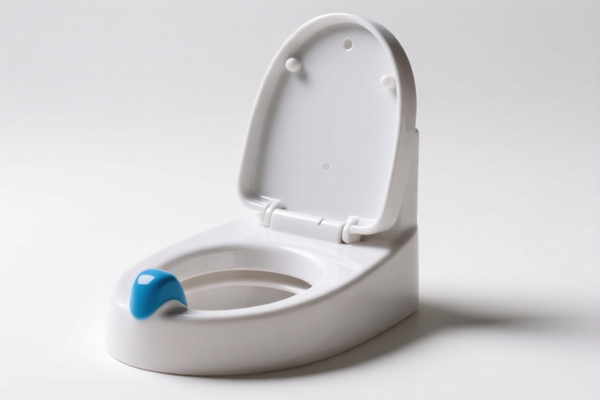
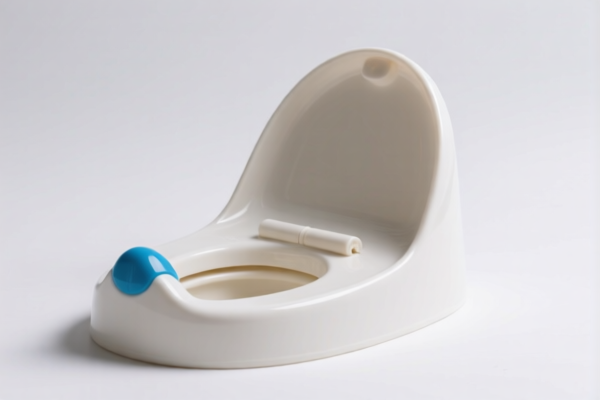
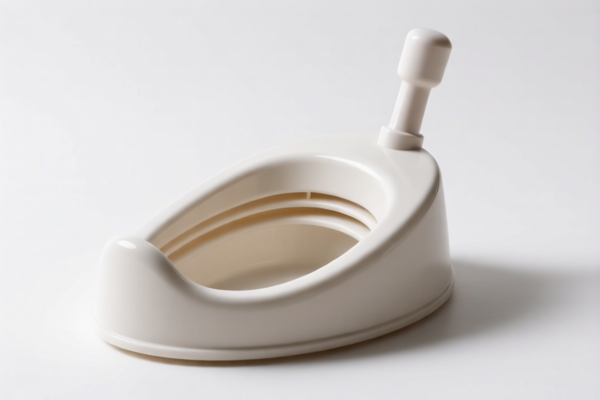
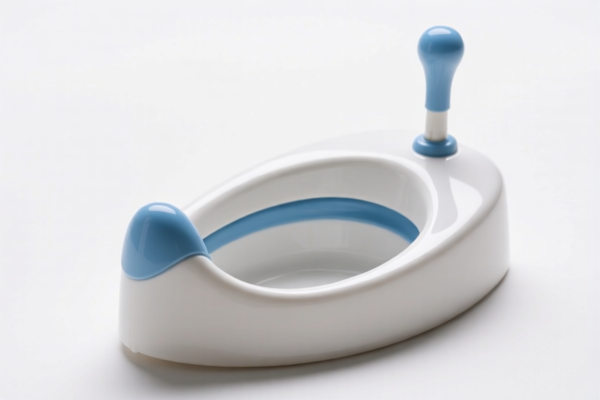
AI Analysis
🚿 Blue Plastic Bidet (Hygiene Appliances)
🌐 HS Code Reference & Customs Clearance Guide | 2026 Latest Tariff Analysis | Professional Clearance Strategy 📌 I. Product Definition & Classification: What Exactly is a "Blue Plastic Bidet"?
A Bidet is a hygiene appliance used for washing the genitalia, perineum, and inner thighs. In international trade, the classification depends heavily on material and specific design.
Key Distinctions: * Plastic Bidets (e.g., ABS, PP, PVC): Most common for portable or wall-mounted units. These fall under Chapter 39 (Plastics). * Ceramic Bidets: Fixed installations. These fall under Chapter 69 (Ceramics). * Metal (Stainless Steel/Aluminum) Bidets: Less common for residential, more for commercial. These fall under Chapter 73 (Iron/Steel) or Chapter 76 (Aluminum).
⚠️ Critical Distinction Point: - If it is Plastic and designed for washing/rinsing (like a sink or bath accessory) → HS 3922. - If it is Ceramic → HS 6910. - If it is Metal → HS 7324.
📦 II. HS Code Classification Details (2026 Latest Tariff Authority Comparison)
Based on the provided data, here are the potential HS Codes for a "Blue Plastic Bidet" and associated tax implications. Note that while the product is plastic, customs may classify it under different materials if the specific design or material composition is ambiguous, or if the importer chooses a different declaration strategy. However, HS 3922.10.00.00 and HS 3922.90.00.00 are the most logical for plastic items. The metal/ceramic options below are included for completeness as per the input data, representing potential misclassification risks or alternative interpretations of "hygiene appliances."
| HS Code | Product Description | Material/Usage Logic | Total Tax Rate* |
|---|---|---|---|
3922.90.00.00 |
Hygiene Appliances (Plastic) | Plastic; Washing/Rinsing purpose | 41.3% |
3922.10.00.00 |
Bathtubs, Shower Baths, etc. (Plastic) | Plastic; Bathroom/Fixtures | 23.8% |
6910.10.00.50 |
Sanitary Ware (Ceramic) | Ceramic/Plastic; Bathing/Hygiene | 15.8% |
7324.10.00.50 |
Sanitary Ware (Steel/Metal) | Steel/Metal; Hygiene Appliances | 88.4% |
7324.90.00.00 |
Sanitary Ware (Steel/Metal) | Steel/Aluminum; Hygiene Fixtures | 85.0% |
🔍 Important Note: - HS 3922.10.00.00 and 3922.90.00.00 are the correct categories for plastic bidets. - HS 6910.10.00.50 applies if the bidet is made of ceramic (porcelain), which is common for fixed installations. - HS 7324.xxxx.xxxx applies if the bidet is made of stainless steel or aluminum. - Tax Rates Vary Significantly: The difference between 15.8% and 88.4% is massive. Correct material identification is crucial.
💰 III. 2026 Latest Tariff Rate Breakdown (Including Surtaxes & Policy Add-ons)
✅ Applicable Country: United States (US) ✅ Origin: China (CN) ✅ Effective Time: November 10, 2025 (and subsequent imports)
🎯 1. 3922.90.00.00 —— Hygiene Appliances, Plastic
| Item | Details |
|---|---|
| Base Tariff | 6.3% (ad valorem) |
| Section 301 Surtax | +25.0% |
| Section 122 Tariff | +10.0% |
| Total Tax Rate | 41.3% |
| Tax Calculation | CIF Value × 41.3% |
| De Minimis Eligibility | ❌ No (High tariff item) |
| Legal Basis Path | Base: 3922 → Surtax: 301 → Section 122 |
📌 Explanation: - This is the standard rate for plastic hygiene appliances not specifically covered elsewhere. - The 25% Section 301 tariff and 10% Section 122 tariff are mandatory for Chinese-origin plastic goods.
🎯 2. 3922.10.00.00 —— Bathtubs, Shower Baths, etc. (Plastic)
| Item | Details |
|---|---|
| Base Tariff | 6.3% (ad valorem) |
| Section 301 Surtax | +7.5% |
| Section 122 Tariff | +10.0% |
| Total Tax Rate | 23.8% |
| Tax Calculation | CIF Value × 23.8% |
| De Minimis Eligibility | ❌ No |
| Legal Basis Path | Base: 3922.10 → Surtax: 301 (7.5%) → Section 122 |
📌 Explanation: - If the bidet is classified under 3922.10 (often for bathtubs/showers), the Section 301 surtax is lower (7.5% vs. 25%). - Strategy Tip: If your plastic bidet can be argued to fit under "bathtub/shower accessories" rather than "other hygiene appliances," you could save 17.5% in tariffs (41.3% - 23.8%). - However, customs officers may disagree if it's a standalone bidet unit.
🎯 3. 6910.10.00.50 —— Sanitary Ware, Ceramic
| Item | Details |
|---|---|
| Base Tariff | 5.8% (ad valorem) |
| Section 301 Surtax | 0.0% |
| Section 122 Tariff | +10.0% |
| Total Tax Rate | 15.8% |
| Tax Calculation | CIF Value × 15.8% |
| De Minimis Eligibility | ❌ No |
| Legal Basis Path | Base: 6910 → Section 122 |
📌 Explanation: - If the "Blue Plastic Bidet" is actually ceramic (painted blue), this is the cheapest option. - No Section 301 surtax for ceramics! - Risk: If customs inspects and finds it is plastic, you will be fined for misclassification.
🎯 4. 7324.10.00.50 & 7324.90.00.00 —— Sanitary Ware, Metal (Steel/Aluminum)
| Item | Details |
|---|---|
| Base Tariff | 3.4% (7324.10) / 0.0% (7324.90) |
| Section 301 Surtax | +25.0% (Base) + 50% (Steel/Aluminum Penalty) |
| Section 122 Tariff | +10.0% |
| Total Tax Rate | 88.4% (7324.10) / 85.0% (7324.90) |
| Tax Calculation | CIF Value × ~85-88% |
| De Minimis Eligibility | ❌ No |
| Legal Basis Path | Base: 7324 → Surtax: 301 → Steel/Aluminum Penalty: 50% |
📌 Explanation: - Avoid this category! If your product is mistakenly declared as steel or aluminum, you face 85-88% in tariffs. - The 50% penalty on steel/aluminum products from China is extremely high.
🛠️ IV. Customs Clearance Practical Advice (Battle-Tested Pitfall Guide)
✅ 1. Required Documentation (Non-Negotiable)
| Document | Must Provide | Notes |
|---|---|---|
| ✅ Product Spec Sheet | ✔️ | Material composition (e.g., "100% ABS Plastic"), dimensions, installation type |
| ✅ Product Photos | ✔️ | Clear images of the item, including any labels showing material |
| ✅ Commercial Invoice | ✔️ | Accurate description: "Plastic Bidet, Model XYZ, Material: ABS" |
| ✅ Packing List | ✔️ | Item weight, quantity, packaging details |
| ✅ Certificate of Origin | ✔️ | If claimed for non-US origin benefits (rare for China) |
✅ 2. Declaration Tips (Key Mnemonics)
🔥 "Material First, Function Second, Avoid Metal, Save Dollars!"
| Scenario | Correct Declaration | Error |
|---|---|---|
| Plastic Bidet | 3922.90.00.00 (41.3%) or 3922.10.00.00 (23.8%) |
Declare as Metal → 85%+ Tax |
| Ceramic Bidet | 6910.10.00.50 (15.8%) |
Declare as Plastic → 23-41% Tax |
| Mixed Materials | Declare primary material | Ambiguous material → Customs Seizure |
| OEM Private Label | Include brand and model | Generic name → Delays |
✅ 3. Special Cases
| Case | Handling Advice |
|---|---|
| Plastic vs. Ceramic | If the bidet has a plastic seat and ceramic body, declare the main structural material (Ceramic). |
| Portable vs. Fixed | Both fall under Chapter 39/69/73, but documentation must specify installation type. |
| Accessory Kits | If selling bidet + hose + nozzle, declare as a set under the principal item (bidet). |
🌍 V. Global Market Comparison (2026 Latest)
| Country/Region | Recommended HS Code | Tariff (China Origin) | Certification | Notes |
|---|---|---|---|---|
| 🇺🇸 USA | 3922.10.00.00 or 3922.90.00.00 |
23.8% or 41.3% | FCC (if electric), CPA | High tariffs due to Section 301 & 122 |
| 🇨🇳 China | 3922.10.00.00 |
~5% | CCC | No extra surtaxes |
| 🇪🇺 EU | 3922.10.00.00 |
0% (if CE certified) | CE, RoHS | No surtaxes |
| 🇬🇧 UK | 3922.10.00.00 |
0% | UKCA | Post-Brexit rules apply |
| 🇦🇺 Australia | 3922.10.00.00 |
5% | RCM | No surtaxes |
📌 Conclusion: - USA is the most expensive market for Chinese-made bidets due to Section 301 and Section 122 tariffs. - EU and UK offer 0% tariffs for plastic hygiene appliances if compliant with CE/UKCA. - Strategy: Consider transshipment or sourcing from non-China origins to avoid US tariffs if exporting to the US.
📌 VI. Common Mistakes & Pitfalls (Blood-Lesson Guide)
❌ Mistake 1: Declaring a plastic bidet as metal to avoid Section 301 👉 Consequence: 85%+ tax + fraud penalties.
❌ Mistake 2: Declaring a ceramic bidet as plastic 👉 Consequence: Overpayment (23-41% vs. 15.8%).
❌ Mistake 3: Not specifying material in the description 👉 Consequence: Customs inspection delay, potential reclassification.
❌ Mistake 4: Assuming "Bidet" is a unique HS Code 👉 Consequence: Misclassification under generic "hygiene" codes, leading to incorrect tax rates.
✅ Correct Approach:
"Plastic Bidet, ABS Material, Wall-Mounted, Blue, Model XYZ, No Electric Components"
🎯 VII. Conclusion: Precise Classification Saves Money!
🎯 Remember the Motto:
🔹 "Material Determines HS Code!" 🔹 "Plastic: Check 3922, Ceramic: Check 6910, Metal: Avoid 7324!" 🔹 "USA Tariffs are High: Plan Ahead, Declare Correctly, Save Thousands!"
📌 Pro Tip: If your bidet is made of plastic, try to argue for HS 3922.10.00.00 (23.8%) instead of 3922.90.00.00 (41.3%) if it can be considered a "bath/shower accessory." However, ensure your product description and images support this classification.
📣 Immediate Action:
📞 Contact a licensed customs broker. 📷 Provide high-resolution photos. 📝 Apply for an Advance Ruling from CBP if unsure.
✨ Professional clearance starts with accurate classification! 💼 Every percentage point saved is pure profit!
Customer Reviews
About HS Code Classification
The Harmonized System (HS) is an internationally standardized nomenclature developed by the World Customs Organization (WCO) to classify traded products. Over 200 countries use the HS system as the basis for customs tariffs, trade statistics, and import/export regulations.
Each HS code follows a hierarchical structure:
- Chapter (2 digits) — Broad category of goods (e.g., Chapter 84: Machinery and Mechanical Appliances)
- Heading (4 digits) — More specific grouping within the chapter
- Subheading (6 digits) — Internationally standardized breakdown, used by all WCO member countries
- National subdivisions (8-10 digits) — Country-specific extensions for further classification, such as US HTSUS 10-digit codes
Correct HS code classification is essential for smooth customs clearance, accurate duty payment, and compliance with trade regulations. Misclassification can lead to customs delays, overpayment of duties, or penalties.
When importing from CN to US, the applicable tariff rates may include:
- Most-Favored-Nation (MFN) rate — The standard duty rate applied to WTO members
- General rate — Applied to countries without trade agreements
- Trade remedy duties — Additional tariffs such as Section 301 (anti-dumping), Section 232 (national security), or countervailing duties
The information provided on this page is for reference purposes only. For official classification, please consult with your local customs authority or a licensed customs broker.