Blue Short Socks
CN → US| HS Code | Tariff Rate | Origin | Destination | Doc |
|---|---|---|---|---|
| 6217109550 | 32.1% | CN | US | Official Doc |
| 6115969020 | 24.6% | CN | US | Official Doc |
| 6115959000 | 31.0% | CN | US | Official Doc |
| 6111305050 | 26.0% | CN | US | Official Doc |
| 6111206050 | 25.6% | CN | US | Official Doc |
Product Images
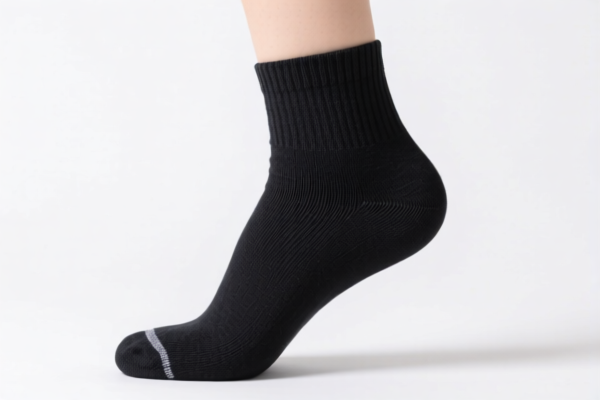
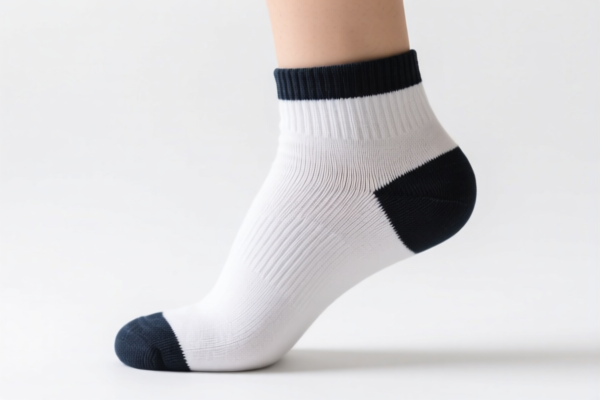
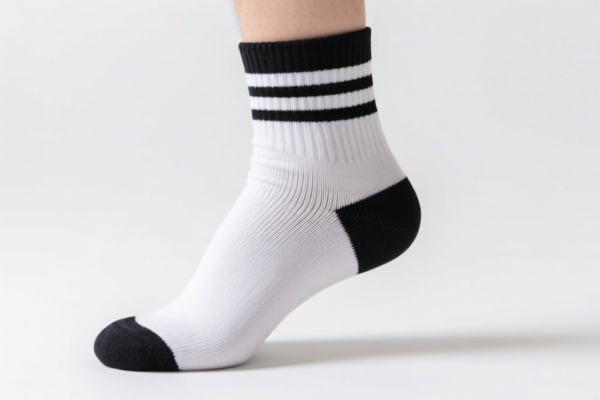
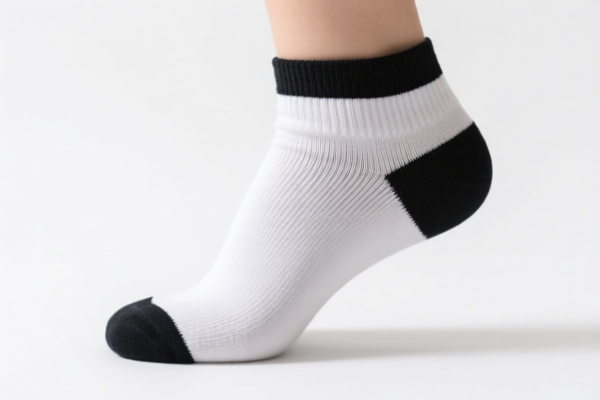
AI Analysis
🧦 Blue Short Socks (Fashion & Apparel Accessories)
🌐 HS Code Reference & Customs Clearance Guide | 2026 Latest Tariff Analysis | Professional-Level Entry Strategy
📌 I. Product Definition & Classification: Do You Really Understand "Short Socks"?
Blue short socks are versatile apparel items, ranging from everyday casual wear to athletic performance gear. In international trade, they are primarily categorized based on knitting method and material composition. The key challenge lies in distinguishing between:
- Knitted Socks (Chapter 61): The vast majority of short socks fall here (e.g., cotton, synthetic blends).
- Non-Knitted/Other Accessories (Chapter 62): Rare for socks, usually applied if the item is considered a generic "garment accessory" rather than a specific sock form, though this is less common for standard socks.
⚠️ Key Differentiator:
- If the sock is knitted (most common), it falls under Chapter 61 (e.g., 6115.xx).
- If the sock is non-knitted (e.g., woven elastic bands, specific accessories), it might fall under Chapter 62 (e.g., 6217.10), but this is unusual for standard socks.
- Material is critical: Cotton vs. Synthetic Fibers vs. Baby/Kids items trigger different sub-headings and tax rates.
📦 II. HS Code Classification Details (2026 Latest Tariff Authority Comparison)
Based on the provided dataset, here are the five potential HS Codes for "Blue Short Socks," sorted by clarity of fit:
| HS Code | Product Description | Applicable Scenario | Material Inference |
|---|---|---|---|
6115.96.90.20 |
Other knitted or crocheted socks, other than infant socks, of synthetic fibers | Adult/General use short socks made of nylon, polyester, spandex, etc. | ✅ Synthetic Fibers |
6115.95.90.00 |
Other knitted or crocheted socks, other than infant socks, of cotton | Adult/General use short socks made primarily of cotton | ✅ Cotton |
6111.30.50.50 |
Baby trousers, breeches, and shorts (includes baby socks/shoes) of synthetic fibers | Infant/Baby short socks, synthetic material | ✅ Synthetic Fiber (Baby) |
6111.20.60.50 |
Baby trousers, breeches, and shorts (includes baby socks/shoes) of cotton | Infant/Baby short socks, cotton material | ✅ Cotton (Baby) |
6217.10.95.50 |
Other made-up clothing accessories | General Garment Accessory category (if not strictly classified as socks under Ch61) | ✅ No Material Conflict (Generic Accessory) |
🔍 Key Insight:
-6115.96.90.20and6115.95.90.00are the most common for adult short socks. The difference is solely Synthetic vs. Cotton.
-6111.30.50.50and6111.20.60.50are specific for Baby/Infant socks. If the product is labeled "Newborn" or "0-6M," these codes are more accurate.
-6217.10.95.50is a "fallback" category for accessories. It is less precise for socks but may be used if the item is considered a "sock-like accessory" rather than a standard sock.
💰 III. 2026 Latest Tariff Rate Breakdown (Including Surcharges & Policy Add-ons)
✅ Applicable Country: United States (US)
✅ Origin: China (CN)
✅ Effective Time: 2025+ (Including subsequent imports)
🎯 1. 6115.96.90.20 – Knitted Socks, Synthetic Fibers (Adult)
| Item | Detail |
|---|---|
| Base Tariff | 14.6% |
| Section 301 Surcharge | 0.0% |
| Section 122 Tariff | 10.0% |
| Total Tax Rate | 24.6% |
| Tax Calculation | CIF Value × 24.6% |
| De Minimis Eligibility | ❌ No (Deny De Minimis for China-origin apparel in many cases) |
| Legal Basis Path | USITC:6115.96.90.20 → Section 122:10% |
📌 Explanation:
- This is the lowest tax rate among the synthetic options.
- Note the 0% Section 301 surcharge for this specific sub-code (check latest updates, as Section 301 lists change).
- 10% Section 122 is a specific administrative surcharge for certain apparel categories.
🎯 2. 6115.95.90.00 – Knitted Socks, Cotton (Adult)
| Item | Detail |
|---|---|
| Base Tariff | 13.5% |
| Section 301 Surcharge | 7.5% |
| Section 122 Tariff | 10.0% |
| Total Tax Rate | 31.0% |
| Tax Calculation | CIF Value × 31.0% |
| De Minimis Eligibility | ❌ No |
| Legal Basis Path | USITC:6115.95.90.00 → Section 301:7.5% → Section 122:10% |
📌 Explanation:
- Cotton socks attract a 7.5% Section 301 surcharge, increasing the total to 31.0%.
- Higher than synthetic due to the Section 301 applicability.
🎯 3. 6111.30.50.50 – Baby Socks, Synthetic Fibers
| Item | Detail |
|---|---|
| Base Tariff | 16.0% |
| Section 301 Surcharge | 0.0% |
| Section 122 Tariff | 10.0% |
| Total Tax Rate | 26.0% |
| Tax Calculation | CIF Value × 26.0% |
| De Minimis Eligibility | ❌ No |
| Legal Basis Path | USITC:6111.30.50.50 → Section 122:10% |
📌 Explanation:
- Baby socks have a higher base rate (16.0%) but 0% Section 301.
- Total 26.0% is competitive but higher than adult synthetic socks (24.6%).
🎯 4. 6111.20.60.50 – Baby Socks, Cotton
| Item | Detail |
|---|---|
| Base Tariff | 8.1% |
| Section 301 Surcharge | 7.5% |
| Section 122 Tariff | 10.0% |
| Total Tax Rate | 25.6% |
| Tax Calculation | CIF Value × 25.6% |
| De Minimis Eligibility | ❌ No |
| Legal Basis Path | USITC:6111.20.60.50 → Section 301:7.5% → Section 122:10% |
📌 Explanation:
- Lowest Base Rate (8.1%) due to preferential treatment for certain baby apparel, but Section 301 (7.5%) brings the total to 25.6%.
- This is often the most cost-effective if the product is clearly labeled as "Baby/Infant" and cotton-based.
🎯 5. 6217.10.95.50 – Other Clothing Accessories
| Item | Detail |
|---|---|
| Base Tariff | 14.6% |
| Section 301 Surcharge | 7.5% |
| Section 122 Tariff | 10.0% |
| Total Tax Rate | 32.1% |
| Tax Calculation | CIF Value × 32.1% |
| De Minimis Eligibility | ❌ No |
| Legal Basis Path | USITC:6217.10.95.50 → Section 301:7.5% → Section 122:10% |
📌 Explanation:
- Highest Tax Rate (32.1%).
- Only use if the item cannot be classified under Chapter 61 (e.g., non-knitted accessories). Not recommended for standard socks.
🛠️ IV. Customs Clearance Practical Advice (Battle-Tested Pitfall Guide)
✅ 1. Essential Document Checklist (缺一不可)
| Document | Required? | Description |
|---|---|---|
| ✅ Product Composition Label | ✔️ | Must clearly state Material (e.g., 80% Cotton, 20% Spandex) and User (Adult/Baby). |
| ✅ Product Photos | ✔️ | Show the sock clearly, including tags, packaging, and any branding. |
| ✅ Commercial Invoice | ✔️ | Must specify "Knitted Socks" or "Baby Socks" as per HS code. Avoid generic terms like "Textile Goods." |
| ✅ Packing List | ✔️ | Detail quantity, weight, and packaging type. |
| ✅ Country of Origin Certificate | ✔️ | Crucial for applying Section 301/122 rules. |
| ✅ Fiber Content Statement | ✔️ | Required by FTC and Customs to verify material-based HS code. |
✅ 2. Declaration Tips (Key Mantras)
🔥 "Material Dictates Code, Age Dictates Tax, Be Precise to Save!"
| Scenario | Correct Declaration | Wrong Action |
|---|---|---|
| Adult Synthetic Socks | 6115.96.90.20 |
Misdeclare as Cotton → 31.0% instead of 24.6% |
| Adult Cotton Socks | 6115.95.90.00 |
Misdeclare as Synthetic → 24.6% instead of 31.0% |
| Baby Cotton Socks | 6111.20.60.50 |
Misdeclare as Adult → 31.0% instead of 25.6% |
| Baby Synthetic Socks | 6111.30.50.50 |
Misdeclare as Adult → 24.6% instead of 26.0% |
| Unclear Material | Request Lab Test | Guessing HS Code → Potential Audit/Penalty |
✅ 3. Special Cases
| Case | Handling Advice |
|---|---|
| Mixed Materials | Use the principal material by weight. If 55% Cotton, 45% Synthetic → Classify as Cotton (6115.95.90.00). |
| "Unisex" Socks | If labeled for all ages, classify based on primary market or size. If primarily adult-sized, use Chapter 61 Adult codes. |
| Promotional Samples | Still subject to tariffs if value exceeds de minimis ($800 for US). Mark as "Sample" but declare value accurately. |
| Branded vs. Unbranded | No difference in HS code or tax rate, but branding may affect "Country of Origin" verification. |
🌍 V. Global Market Comparison (2026 Latest)
| Country/Region | Recommended HS Code | Tariff Rate (China Origin) | Certification Required | Notes |
|---|---|---|---|---|
| 🇺🇸 USA | 6115.96.90.20 (Synthetic) |
24.6% | None (Standard) | Best Rate for Adult Synthetic |
| 🇺🇸 USA | 6111.20.60.50 (Baby Cotton) |
25.6% | None (Standard) | Best Rate for Baby Cotton |
| 🇪🇺 EU | 6115.96 (Synthetic) | ~12% | CE (if applicable) | No Section 301/122 surcharges |
| 🇨🇳 China | 6115.96 (Synthetic) | ~7.5% | N/A | Lower base tariffs |
| 🇬🇧 UK | 6115.96 (Synthetic) | ~12% | None | Post-Brexit tariffs apply |
📌 Conclusion:
- USA Tariffs are high due to Section 301 and 122, but Synthetic Adult Socks (24.6%) are the most competitive.
- Baby Cotton Socks (25.6%) are surprisingly competitive due to low base tariffs.
- Avoid Chapter 62 (32.1%) unless absolutely necessary.
📌 VI. Common Errors & Pitfall Guide (Lessons Learned)
❌ Error 1: Misidentifying Material
👉 Consequence: Wrong HS Code → 6.4% - 7.5% Tax Difference per unit.
❌ Error 2: Ignoring "Baby" Classification
👉 Consequence: Adult Cotton Socks (31.0%) vs. Baby Cotton Socks (25.6%) → Overpayment of 5.4%.
❌ Error 3: Using Generic "Socks" Description
👉 Consequence: Customs delays for material verification → Storage Fees & Delays.
❌ Error 4: Forgetting Section 122
👉 Consequence: Under-declaration → Penalties & Back Taxes.
✅ Correct Practice:
"Blue Knitted Cotton Socks for Adults, 80% Cotton, 20% Spandex, Pack of 12"
→ HS Code:6115.95.90.00
→ Tax: 31.0%"Blue Knitted Synthetic Baby Socks, 6-12 Months, 95% Polyester, 5% Spandex"
→ HS Code:6111.30.50.50
→ Tax: 26.0%
🎯 VII. Conclusion: Professional Declaration, Save Time, Cut Costs!
🎯 Remember the Mantras:
🔹 "Synthetic Adult is Cheapest (24.6%)!"
🔹 "Baby Cotton is Surprisingly Low (25.6%)!"
🔹 "Cotton Adult is Most Expensive (31.0%)!"
🔹 "Never Guess Material, Always Test!"
📌 Pro Tip:
If your socks are not made in China, you may qualify for zero Section 301/122 tariffs. For example, socks from Vietnam, Bangladesh, or Indonesia may have significantly lower total tariffs.
👉 Action:
📞 Consult a Customs Broker + Provide Material Test Report + Apply for Advance Ruling
🚀 Ensure Smooth Customs Clearance, Maximize Profits!
✨ Professional Customs Clearance Starts with Accurate Classification!
💼 Every Percent of Tax Saved is Pure Profit!
Customer Reviews
About HS Code Classification
The Harmonized System (HS) is an internationally standardized nomenclature developed by the World Customs Organization (WCO) to classify traded products. Over 200 countries use the HS system as the basis for customs tariffs, trade statistics, and import/export regulations.
Each HS code follows a hierarchical structure:
- Chapter (2 digits) — Broad category of goods (e.g., Chapter 84: Machinery and Mechanical Appliances)
- Heading (4 digits) — More specific grouping within the chapter
- Subheading (6 digits) — Internationally standardized breakdown, used by all WCO member countries
- National subdivisions (8-10 digits) — Country-specific extensions for further classification, such as US HTSUS 10-digit codes
Correct HS code classification is essential for smooth customs clearance, accurate duty payment, and compliance with trade regulations. Misclassification can lead to customs delays, overpayment of duties, or penalties.
When importing from CN to US, the applicable tariff rates may include:
- Most-Favored-Nation (MFN) rate — The standard duty rate applied to WTO members
- General rate — Applied to countries without trade agreements
- Trade remedy duties — Additional tariffs such as Section 301 (anti-dumping), Section 232 (national security), or countervailing duties
The information provided on this page is for reference purposes only. For official classification, please consult with your local customs authority or a licensed customs broker.