Blue Wet Blue Cowhide
CN → US| HS Code | Tariff Rate | Origin | Destination | Doc |
|---|---|---|---|---|
| 4107114000 | 12.5% | CN | US | Official Doc |
| 4107197040 | 15.0% | CN | US | Official Doc |
| 4104115030 | 13.3% | CN | US | Official Doc |
| 4104115040 | 13.3% | CN | US | Official Doc |
| 4205006000 | 39.9% | CN | US | Official Doc |
Product Images
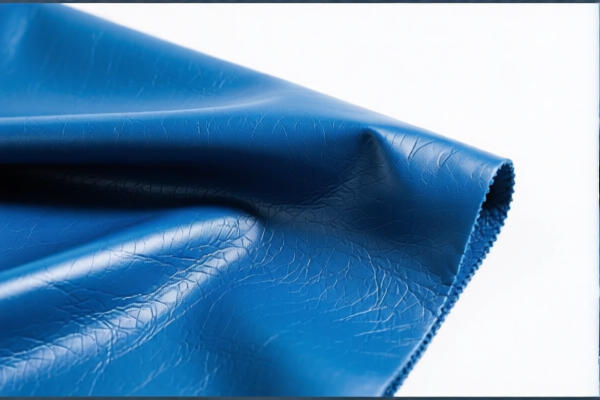
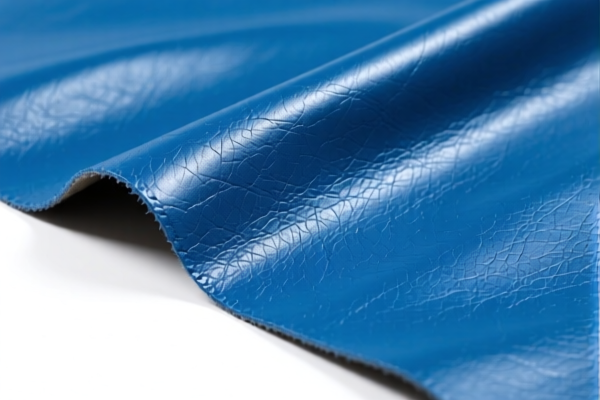
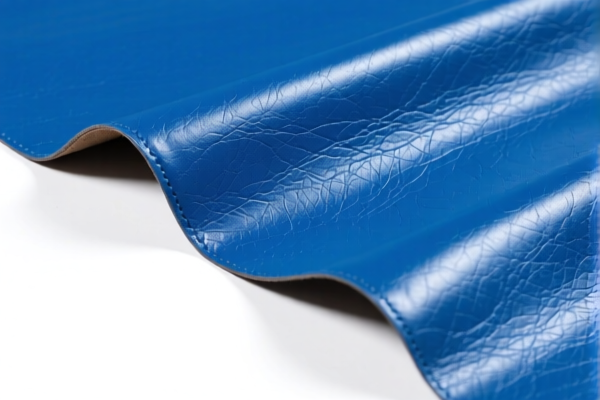
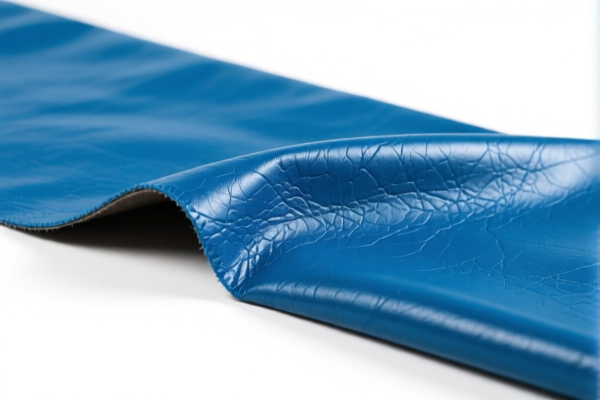
AI Analysis
🐂 Blue Wet Blue Cowhide (Leather & Leather Products)
🌐 HS Code Reference & Customs Clearance Guide | 2026 Latest Tariff Analysis | Professional Clearance Strategy
📌 I. Product Definition & Classification: What Exactly is "Blue Wet Blue Cowhide"?
Blue Wet Blue Cowhide refers to cattle hide that has undergone the tanning process (specifically the "wet blue" stage), but has not yet been finished for final use. It is a semi-processed material widely used in the leather industry as a raw material for further processing into clothing, bags, shoes, or upholstery.
In international trade, its classification depends heavily on: 1. Material Specificity: Is it standard cowhide or buffalo hide? 2. Processing State: Is it raw skin, unsplit, split, or specifically for clothing? 3. End Use: Is it for clothing, bags/boxes, or general purpose?
⚠️ Key Distinction Point:
- If the material is Buffalo Hide intended for clothing →归类 4107.11.40.00
- If the material is Cowhide intended for clothing →归类 4107.19.70.40
- If it is raw/unsplit cowhide skin →归类 4104.11.50.30 / 4104.11.50.40
- If it is processed into bags/boxes →归类 4205.00.60.00
📦 II. HS Code Classification Details (2026 Latest Tariff Authority Comparison)
| HS Code | Product Description | Application Scenario | Processing Stage |
|---|---|---|---|
4107.11.40.00 |
Blue wet buffalo hide for clothing | Buffalo hide, semi-processed for garments | ✅ Wet Blue (Semi-processed) |
4107.19.70.40 |
Blue wet cowhide for clothing | Cowhide, semi-processed for garments | ✅ Wet Blue (Semi-processed) |
4104.11.50.30 |
Raw cowhide, wet blue, unsplit | Raw hides, no splitting, wet state | ✅ Raw/Unsplit |
4104.11.50.40 |
Raw cowhide, wet blue, split | Raw hides, split or grain logic applied | ✅ Raw/Split |
4205.00.60.00 |
Wet blue buffalo hide for bags and boxes | Semi-processed hides made up into bags/boxes | ✅ Finished Goods (Bags/Boxes) |
🔍 Key Reminder:
- Material Matters: "Cowhide" (Cow) and "Buffalo Hide" (Water Buffalo) are often classified differently under Chapter 41.
- State Matters: "Wet Blue" is a specific tanning state. Do not confuse it with "Raw" (un-tanned) or "Finished" (dyed/finished leather).
- Use Matters: Clothing leather has specific subheadings distinct from general leather or made-up articles.
💰 III. 2026 Latest Tariff Rate Details (Including Surtaxes & Policy Add-ons)
✅ Applicable Country: USA (US)
✅ Origin: China (CN)
✅ Effective Time: From November 10, 2025 (and subsequent imports)
🎯 1. 4107.11.40.00 —— Blue Wet Buffalo Hide for Clothing
| Item | Details |
|---|---|
| Base Tariff | 2.5% |
| Section 301 Surtax | 0.0% |
| Section 122 Surtax | 10.0% |
| Total Tariff Rate | 12.5% |
| Tax Calculation | CIF Value × 12.5% |
| De Minimis Exemption | ❌ Not Eligible (Due to Surtaxes) |
| Legal Basis Path | Base Rate 2.5% + 122 Section 10% |
📌 Explanation:
- This code specifically targets Buffalo Hide used for clothing.
- The 10% surtax is applied under Section 122 (often related to specific trade remedies or emergency tariffs).
- Total: 12.5%. While lower than some other categories, it is significant for bulk leather imports.
🎯 2. 4107.19.70.40 —— Blue Wet Cowhide for Clothing
| Item | Details |
|---|---|
| Base Tariff | 5.0% |
| Section 301 Surtax | 0.0% |
| Section 122 Surtax | 10.0% |
| Total Tariff Rate | 15.0% |
| Tax Calculation | CIF Value × 15.0% |
| De Minimis Exemption | ❌ Not Eligible |
| Legal Basis Path | Base Rate 5.0% + 122 Section 10% |
📌 Note:
- This code is for Cowhide (not buffalo) intended for clothing.
- The base tariff is higher (5.0%) than buffalo hide (2.5%).
- Total: 15.0%. Ensure the material is correctly identified as Cowhide vs. Buffalo Hide to avoid misclassification penalties.
🎯 3. & 4. 4104.11.50.30 & 4104.11.50.40 —— Raw Cowhide, Wet Blue
| Item | Details |
|---|---|
| Base Tariff | 3.3% |
| Section 301 Surtax | 0.0% |
| Section 122 Surtax | 10.0% |
| Total Tariff Rate | 13.3% |
| Tax Calculation | CIF Value × 13.3% |
| De Minimis Exemption | ❌ Not Eligible |
| Legal Basis Path | Base Rate 3.3% + 122 Section 10% |
📌 Distinction between .30 and .40:
- .30: Unsplit, raw skin, wet blue.
- .40: Split or grain logic applied, wet blue.
- Both carry the same total rate of 13.3%. The difference lies in the physical processing state of the raw skin.
🎯 5. 4205.00.60.00 —— Wet Blue Buffalo Hide for Bags and Boxes
| Item | Details |
|---|---|
| Base Tariff | 4.9% |
| Section 301 Surtax | 25.0% |
| Section 122 Surtax | 10.0% |
| Total Tariff Rate | 39.9% |
| Tax Calculation | CIF Value × 39.9% |
| De Minimis Exemption | ❌ Not Eligible |
| Legal Basis Path | Base Rate 4.9% + Section 301 25% + 122 Section 10% |
📌 Critical Warning:
- This code applies if the "Wet Blue" leather is already made up into bags or boxes.
- The 25% Section 301 Surtax dramatically increases the cost.
- Total: 39.9%. This is a very high tariff. Misclassifying raw hides as "made-up articles" can lead to severe underpayment penalties. Conversely, declaring finished bags as raw hides is also risky.
🛠️ IV. Customs Clearance Practical Advice (Practical Pitfall Avoidance Guide)
✅ 1. Required Documentation Checklist (All Mandatory)
| Document | Must Provide | Description |
|---|---|---|
| ✅ Product Specification Sheet | ✔️ | Material (Cow vs. Buffalo), Process (Wet Blue), Weight, Dimensions |
| ✅ Photos | ✔️ | Clear images of the hide texture, color (blue), and edges |
| ✅ Commercial Invoice | ✔️ | Clearly state "Blue Wet Blue [Cow/Buffalo] Hide", HS Code, and Unit Price |
| ✅ Packing List | ✔️ | Detailed packaging info, gross/net weight |
| ✅ Certificate of Origin | ✔️ | If claiming any preferential rates (though limited for China origin here) |
| ✅ Third-Party Test Report | ✔️ | Optional but helpful: Tanning process confirmation |
✅ 2. Declaration Tips (Key Mnemonics)
🔥 "Material First, Use Second, Finish Level Matters!"
| Scenario | Correct HS Code | Wrong Action |
|---|---|---|
| Buffalo Hide for Clothes | 4107.11.40.00 |
Misdeclare as Cowhide → 15% vs 12.5% |
| Cowhide for Clothes | 4107.19.70.40 |
Misdeclare as Raw Skin → Different Duty |
| Raw Unsplit Skin | 4104.11.50.30 |
Declare as "Finished Leather" → 39.9% |
| Bags/Boxes | 4205.00.60.00 |
Declare as Raw Hide → Severe Penalty |
| Split Cowhide (Raw) | 4104.11.50.40 |
Confuse with Clothing Leather |
✅ 3. Special Case Handling
| Scenario | Handling Advice |
|---|---|
| Mixed Hides (Cow & Buffalo) | Do Not Mix in one declaration. Split shipment or declare separately. Mixed declaration leads to audit flags. |
| "Wet Blue" vs. "Finished" | "Wet Blue" is pale blue and unfinished. If dyed/finished, it falls under different chapters (e.g., 4106/4107 different subheads). Ensure accurate description. |
| Small Samples | Even for samples, if the total value exceeds de minimis, duties apply. However, with 39.9% duty, even small samples are costly. |
| Section 122 Impact | The 10% surtax is non-negotiable for China-origin goods in this category. Plan cash flow accordingly. |
🌍 V. Global Market Clearance Comparison (2026 Latest)
| Country/Region | Recommended HS Code | Tariff (China Origin) | Certification Requirements | Notes |
|---|---|---|---|---|
| 🇺🇸 USA | 4107.11.40.00 etc. |
12.5% - 39.9% | No specific certs, but accurate description | High Surtaxes (10%-25%) |
| 🇨🇳 China | 4107.11.40.00 etc. |
Varies (Lower) | No additional Surtaxes | Base rates only |
| 🇪🇺 EU | 4107 series |
~6.5% | REACH (Chemical compliance) | No Section 122/301 |
| 🇬🇧 UK | 4107 series |
~6.5% | REACH Compliance | Post-Brexit rules apply |
📌 Conclusion:
- USA is the highest-cost market due to Section 122 (10%) and Section 301 (25%) surtaxes.
- EU/UK have lower base tariffs but require strict chemical compliance (REACH) for leather tanning agents.
- China Origin significantly impacts US clearance costs.
📌 VI. Common Errors & Pitfalls (Blood & Tears Lessons)
❌ Error 1: Declaring Finished Leather Bags as Raw Wet Blue Hides
👉 Consequence: Attempting to avoid 25% Section 301.
👉 Result: Customs inspection reveals finished seams/zippers → Penalty + Back Duty + Possible Seizure.
❌ Error 2: Confusing Cowhide with Buffalo Hide
👉 Consequence: Wrong Base Rate (2.5% vs 5.0%).
👉 Result: Underpayment of 2.5% on all units → Fine for Misdeclaration.
❌ Error 3: Ignoring Section 122 Surtax
👉 Consequence: Assuming only base tariff applies.
👉 Result: Underpayment of 10% → Additional Duty + Interest.
❌ Error 4: Using generic names like "Leather" without specifying "Wet Blue"
👉 Consequence: Customs cannot determine processing state.
👉 Result: Delay in Clearance for further inspection → Demurrage Fees.
✅ Correct Approach:
"Blue Wet Buffalo Hide, Tanned, Unfinished, For Clothing Use, HS Code 4107.11.40.00"
"Blue Wet Cowhide, Tanned, Split, Raw State, HS Code 4104.11.50.40"
🎯 VII. Conclusion: Precise Classification Saves Money!
🎯 Remember the Mnemonic:
🔹 "Buffalo 12.5%, Cow 15%, Raw 13.3%, Bags 39.9%!"
🔹 "Wet Blue is Raw-ish, Finish is Expensive!"
🔹 "Section 122 is 10%, Section 301 is 25%, Don't Skip Them!"
📌 Pro Tip:
If your leather is not of Chinese origin, you may be eligible for lower or zero tariffs under free trade agreements (e.g., CPTPP, USMCA).
However, for China-origin goods, always budget for the full surtax.
📣 Immediate Action:
📞 Consult a professional customs broker
🖼️ Provide clear photos of the material (Blue color, texture)
📝 Specify exact material (Cow vs. Buffalo) and state (Raw vs. Finished)
🚀 Ensure accurate HS Code to avoid 39.9% shocks and penalties!
✨ Professional Clearance Starts with Accurate Classification!
💼 Every percentage point counts in leather trade!
Customer Reviews
About HS Code Classification
The Harmonized System (HS) is an internationally standardized nomenclature developed by the World Customs Organization (WCO) to classify traded products. Over 200 countries use the HS system as the basis for customs tariffs, trade statistics, and import/export regulations.
Each HS code follows a hierarchical structure:
- Chapter (2 digits) — Broad category of goods (e.g., Chapter 84: Machinery and Mechanical Appliances)
- Heading (4 digits) — More specific grouping within the chapter
- Subheading (6 digits) — Internationally standardized breakdown, used by all WCO member countries
- National subdivisions (8-10 digits) — Country-specific extensions for further classification, such as US HTSUS 10-digit codes
Correct HS code classification is essential for smooth customs clearance, accurate duty payment, and compliance with trade regulations. Misclassification can lead to customs delays, overpayment of duties, or penalties.
When importing from CN to US, the applicable tariff rates may include:
- Most-Favored-Nation (MFN) rate — The standard duty rate applied to WTO members
- General rate — Applied to countries without trade agreements
- Trade remedy duties — Additional tariffs such as Section 301 (anti-dumping), Section 232 (national security), or countervailing duties
The information provided on this page is for reference purposes only. For official classification, please consult with your local customs authority or a licensed customs broker.