Blue Wet Blue Cowhide Leather for Garments
CN → US| HS Code | Tariff Rate | Origin | Destination | Doc |
|---|---|---|---|---|
| 4107114000 | 12.5% | CN | US | Official Doc |
| 4107197040 | 15.0% | CN | US | Official Doc |
| 4104195030 | 13.3% | CN | US | Official Doc |
| 4107112000 | 37.4% | CN | US | Official Doc |
| 4101501020 | 17.5% | CN | US | Official Doc |
Product Images
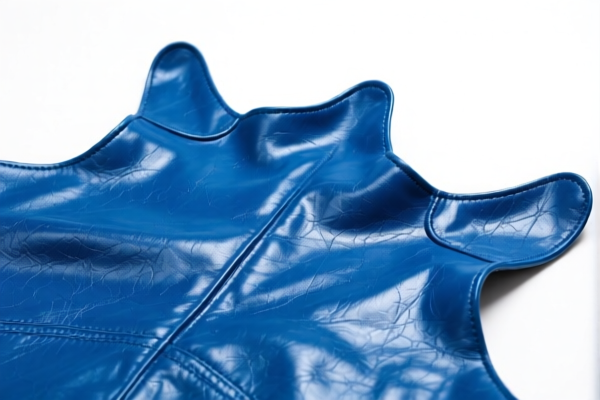
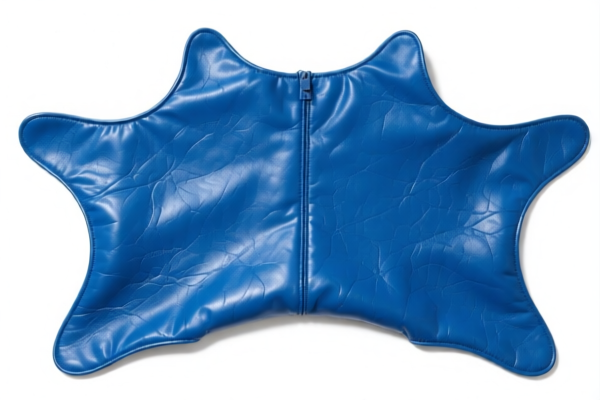
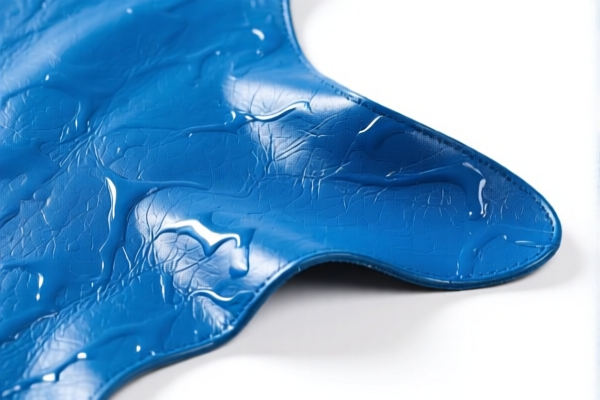
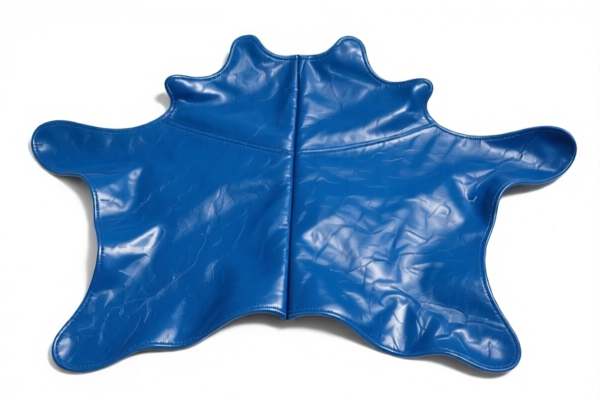
AI Analysis
🧥 Blue Wet Blue Cowhide Leather for Garments (Apparel Grade)
🌐 HS Code Reference & Customs Clearance Guide | 2026 Latest Tariff Analysis | Professional Clearance Strategy
📌 I. Product Definition & Classification: What is "Blue Wet Blue Cowhide Leather"?
Blue Wet Blue Leather refers to cattle hides (including water buffalo) that have undergone the initial tanning process (usually chromium tanning) to prevent decomposition, but have not yet undergone further processing such as dyeing, finishing, or splitting to the final specification for garment manufacturing.
In international trade, the distinction lies in the degree of processing: * Wet Blue State: The leather is damp, pliable, and has a distinct blue tint (due to chromium salts). It is an intermediate material, not a finished product. * Garment Use vs. Raw Material: While the intended use is for garments, the current physical state determines the HS Code. If it is just tanned (Wet Blue), it is classified differently than if it is dyed, drummed, and finished (Garment Leather).
⚠️ Key Distinction Point: - If the leather is simply tanned (Wet Blue) without further dyeing/finishing → Classified under Chapter 41 (Leather) as semi-finished goods. - If the leather is fully finished (dyed, buffed, etc.) specifically for garments → Classified under 4107 or 4104 depending on specific finish. - Note on "Cowhide" vs. "Water Buffalo": In many tariff schedules, "Cattle" (including water buffalo) are grouped. However, specific sub-headings may differentiate based on weight/size or explicit species declaration.
📦 II. HS Code Classification Details (2026 Latest Tariff Authority)
Based on the provided data, here are the relevant HS Codes for Blue Wet Blue Cowhide/Water Buffalo Leather intended for garments. The classification depends heavily on whether the item is considered "garment leather" (processed) or "wet blue stock" (semi-processed).
| HS Code | Product Description | Application Scenario | Processing Status |
|---|---|---|---|
4107.11.40.00 |
Blue wet blue cowhide leather for garments | Material: Water buffalo hide. Form: Leather. Feature: Meets further processing characteristics for water buffalo. | ✅ Semi-finished (Wet Blue) but defined as "Garment Leather" type due to specific water buffalo origin/processing. |
4107.19.70.40 |
Blue wet blue cowhide leather for garments | Material: Cattle (including Water Buffalo) or Horse. Purpose: Garments. Constraint: Fits code limitations. | ✅ Semi-finished. Broad category for cattle/horse wet blue leather destined for apparel. |
4104.19.50.30 |
Cowhide wet blue blanks | Material: Cowhide. State: Wet Blue. Type: Primary form, not further processed. | ⚠️ Primary State: Rawer, less specific to "garment" finish requirements. Likely rawer wet blue stock. |
4107.11.20.00 |
Cowhide wet blue blanks | Material: Cowhide. Form: Blank. Status: Intermediate state after tanning/rawhide. | ⚠️ Intermediate: Specifically for cowhide (non-water buffalo), classified as blanks rather than finished garment leather. |
4101.50.10.20 |
Cowhide wet blue blanks | Material: Cowhide. State: Untanned (Raw hide). Attribute: Fits raw cattle hide category. | ❌ Raw: This is NOT wet blue. This is raw salted/dried hide. Only applicable if leather is NOT yet tanned. |
🔍 Critical Reminder: -
4107Codes are for leather further prepared than raw hides (i.e., Tanned/Leaned). "Wet Blue" falls here. -4101Codes are for Raw hides (untanned). If your product is truly "Wet Blue" (tanned with chromium), do NOT use4101.50.10.20. -4104.19.50.30implies a more "primary" wet blue state, potentially with higher duties if not recognized as specialized "garment leather" under4107.
💰 III. 2026 Latest Tariff Rate Breakdown (Including Surtaxes & Policy Add-ons)
✅ Applicable Country: United States (US)
✅ Origin: China (CN)
✅ Effective Time: November 10, 2025 onwards
🎯 1. 4107.11.40.00 —— Blue Wet Blue Water Buffalo Leather for Garments
| Item | Content |
|---|---|
| Base Duty Rate | 2.5% (ad valorem) |
| Section 301 Surcharge | 0.0% |
| Section 122 Tariff | +10% (Specific to certain leather/goods from China) |
| Total Duty Rate | 12.5% |
| Tax Calculation | CIF Value × 12.5% |
| De Minimis Eligibility | ❌ No (Denied) |
| Legal Path | HTSUS:4107.11.40.00 → Section 122: 10% |
📌 Explanation:
- This code applies specifically to Water Buffalo hide in wet blue state for garments.
- The total tax is relatively low (12.5%) compared to other cowhide categories because it avoids the heavy Section 301 (25%) surcharge, relying only on the 10% Section 122 tariff.
- Key Advantage: Lower duty burden if you can prove the material is Water Buffalo and not generic "Cowhide."
🎯 2. 4107.19.70.40 —— Blue Wet Blue Cattle/Horse Leather for Garments
| Item | Content |
|---|---|
| Base Duty Rate | 5.0% (ad valorem) |
| Section 301 Surcharge | 0.0% |
| Section 122 Tariff | +10% |
| Total Duty Rate | 15.0% |
| Tax Calculation | CIF Value × 15.0% |
| De Minimis Eligibility | ❌ No (Denied) |
| Legal Path | HTSUS:4107.19.70.40 → Section 122: 10% |
📌 Note:
- Applies to Cattle (Cow/Bull) or Horse hide in wet blue state for garments.
- Base rate is higher (5% vs 2.5%) than water buffalo.
- Total tax is 15.0%.
- Caution: If the leather is not specifically designated for "garments" in customs declaration, it might be misclassified, leading to audits.
🎯 3. 4104.19.50.30 —— Cowhide Wet Blue Blanks (Primary State)
| Item | Content |
|---|---|
| Base Duty Rate | 3.3% (ad valorem) |
| Section 301 Surcharge | 0.0% |
| Section 122 Tariff | +10% |
| Total Duty Rate | 13.3% |
| Tax Calculation | CIF Value × 13.3% |
| De Minimis Eligibility | ❌ No (Denied) |
| Legal Path | HTSUS:4104.19.50.30 → Section 122: 10% |
📌 Explanation:
- This code is for less processed wet blue leather.
- If you declare high-end "Garment Leather" using this code, customs may reject it as incorrect classification.
- Duty is 13.3%, slightly higher than Water Buffalo Garment Leather but lower than the surcharged Cowhide Blanks.
🎯 4. 4107.11.20.00 —— Cowhide Wet Blue Blanks (Intermediate State)
| Item | Content |
|---|---|
| Base Duty Rate | 2.4% (ad valorem) |
| Section 301 Surcharge | +25.0% (Section 301 Tariff) |
| Section 122 Tariff | +10% |
| Total Duty Rate | 37.4% |
| Tax Calculation | CIF Value × 37.4% |
| De Minimis Eligibility | ❌ No (Denied) |
| Legal Path | HTSUS:4107.11.20.00 → Section 301: 25% → Section 122: 10% |
📌 Warning:
- This is the most expensive option among standard wet blue categories.
- It triggers the full 25% Section 301 tariff in addition to the 10% Section 122 tariff.
- Avoid this code if you can justify4107.11.40.00(Water Buffalo) or4107.19.70.40(Garment-specific) to bypass the 25% surcharge.
🎯 5. 4101.50.10.20 —— Raw Cowhide (Untanned)
| Item | Content |
|---|---|
| Base Duty Rate | 0.0% |
| Section 301 Surcharge | +7.5% |
| Section 122 Tariff | +10% |
| Total Duty Rate | 17.5% |
| Tax Calculation | CIF Value × 17.5% |
| De Minimis Eligibility | ❌ No (Denied) |
| Legal Path | HTSUS:4101.50.10.20 → Section 301: 7.5% → Section 122: 10% |
📌 Critical Correction:
- DO NOT USE this code for Wet Blue leather.
- This code is for RAW, UNTANNED hides.
- Using this for tanned leather is fraud/misclassification.
- If you are importing Wet Blue, you must use a4107or4104code.
🛠️ IV. Customs Clearance Practical Advice (Battle-Tested Guide)
✅ 1. Required Documentation Checklist (Non-Negotiable)
| Document | Mandatory? | Purpose |
|---|---|---|
| ✅ Product Specification Sheet | ✔️ | Must specify: "Wet Blue," "Chromium Tanned," "Water Buffalo" OR "Cowhide," "For Garments." |
| ✅ Photos of Product | ✔️ | Show the blue color, flexibility, and lack of finishing (no dye, no buffing). |
| ✅ Commercial Invoice | ✔️ | Must match HS Code description exactly. Avoid vague terms like "Leather." Use "Blue Wet Blue Water Buffalo Leather for Garments." |
| ✅ Bill of Lading | ✔️ | Ensure weight and quantity match invoice. |
| ✅ Certificate of Origin | ✔️ | Essential for verifying China origin to apply correct Section 122/301 rates. |
✅ 2. Declaration Strategy (Key Tactics)
🔥 “Specify Origin, Define State, Avoid Section 301!”
| Scenario | Correct Declaration | Wrong Declaration | Result |
|---|---|---|---|
| Water Buffalo Wet Blue | 4107.11.40.00 Desc: "Blue Wet Blue Water Buffalo Leather for Garments" |
"Leather" or "Cowhide" | ✅ 12.5% Duty (Best Rate) |
| Cattle Wet Blue (Garment Grade) | 4107.19.70.40 Desc: "Blue Wet Blue Cattle Leather for Garments" |
"Raw Leather" | ✅ 15.0% Duty |
| Generic Wet Blue | 4104.19.50.30 Desc: "Cowhide Wet Blue Blanks" |
"Finished Leather" | ⚠️ 13.3% Duty (Risk of Rejection if deemed too processed) |
| Generic Cowhide Wet Blue | 4107.11.20.00 Desc: "Cowhide Wet Blue Blanks" |
(Any "Garment" claim) | ❌ 37.4% Duty (High Cost) |
📌 Strategic Tip:
If you are importing Water Buffalo hide, always declare it as such if possible. The 10% difference in base duty (2.5% vs 5%) and the avoidance of Section 301 makes a significant difference.
✅ 3. Special Handling
| Situation | Advice |
|---|---|
| Mixed Lots (Cow + Buffalo) | Separate shipments if possible. If mixed, customs may classify the entire lot under the higher duty rate (4107.11.20.00 at 37.4%). |
| "Wet Blue" vs. "Finished" | Ensure no finishing dyes, pigments, or heavy buffing are present. If finished, it may move to Chapter 42 (Articles of Leather) or different 4107 subcodes with different rates. |
| Section 122 Impact | Remember, 10% Section 122 tariff applies to most of these codes. It is non-negotiable for Chinese-origin goods. |
🌍 V. Global Market Comparison (2026 Latest)
| Country/Region | Recommended HS Code | Estimated Duty (China Origin) | Notes |
|---|---|---|---|
| 🇺🇸 USA | 4107.11.40.00 |
12.5% | Best for Water Buffalo. Avoid 4107.11.20.00 (37.4%). |
| 🇨🇳 China | 4107.11.00.00 |
Varies | Import duty ~0-10%, no Section 122/301. |
| 🇪🇺 EU | 4104 41 00 |
Varies | Generally lower base duties, no Section 122 equivalent. |
| 🇬🇧 UK | 4104 41 00 |
Varies | Post-Brexit tariffs apply. |
📌 Conclusion:
- USA is the most complex due to Section 122 and potential Section 301.
- Classification as "Water Buffalo" is the single most effective tax-saving strategy.
📌 VI. Common Mistakes & Pitfalls (Lessons Learned)
❌ Mistake 1: Declaring "Wet Blue" as "Raw Leather" (4101)
👉 Consequence: Customs rejection, penalties, or forced reclassification to 4107 with penalties.
❌ Mistake 2: Using 4107.11.20.00 for Water Buffalo
👉 Consequence: Paying 37.4% instead of 12.5%. Huge cost increase.
❌ Mistake 3: Ignoring Section 122
👉 Consequence: Under-declaring duties by 10%. Lead to audits and back taxes + interest.
✅ Correct Practice:
"Blue Wet Blue Water Buffalo Leather, Chromium Tanned, For Garment Use, Model WB-101, Origin: China"
🎯 VII. Conclusion: Precise Classification Saves Money!
🎯 Remember the Golden Rule:
🔹 "Water Buffalo = 12.5% (Best)"
🔹 "Cattle Garment = 15.0%"
🔹 "Cattle Generic = 37.4% (Avoid!)"
🔹 "Raw Hide ≠ Wet Blue (Never Mix)"
📌 Pro Tip:
If you are importing large volumes, pre-classify with a customs broker. Provide samples and photos. Get a Binding Tariff Information (BTI) or Advance Ruling if possible to lock in the 12.5% rate for Water Buffalo.
✨ Professional Customs Clearance Starts with Accurate Classification!
💼 Every percentage point saved is pure profit!
Customer Reviews
About HS Code Classification
The Harmonized System (HS) is an internationally standardized nomenclature developed by the World Customs Organization (WCO) to classify traded products. Over 200 countries use the HS system as the basis for customs tariffs, trade statistics, and import/export regulations.
Each HS code follows a hierarchical structure:
- Chapter (2 digits) — Broad category of goods (e.g., Chapter 84: Machinery and Mechanical Appliances)
- Heading (4 digits) — More specific grouping within the chapter
- Subheading (6 digits) — Internationally standardized breakdown, used by all WCO member countries
- National subdivisions (8-10 digits) — Country-specific extensions for further classification, such as US HTSUS 10-digit codes
Correct HS code classification is essential for smooth customs clearance, accurate duty payment, and compliance with trade regulations. Misclassification can lead to customs delays, overpayment of duties, or penalties.
When importing from CN to US, the applicable tariff rates may include:
- Most-Favored-Nation (MFN) rate — The standard duty rate applied to WTO members
- General rate — Applied to countries without trade agreements
- Trade remedy duties — Additional tariffs such as Section 301 (anti-dumping), Section 232 (national security), or countervailing duties
The information provided on this page is for reference purposes only. For official classification, please consult with your local customs authority or a licensed customs broker.