Blue Wet Goat Skin
CN → USProduct Images
AI Analysis
🐐 Blue Wet Goat Skin (Blue Wet Blue)
🌐 HS Code Reference & Customs Clearance Guide | 2026 Latest Tariff Analysis | Professional-Level Logistics Strategy
📌 I. Product Definition & Classification: Do You Really Understand "Blue Wet Goat Skin"?
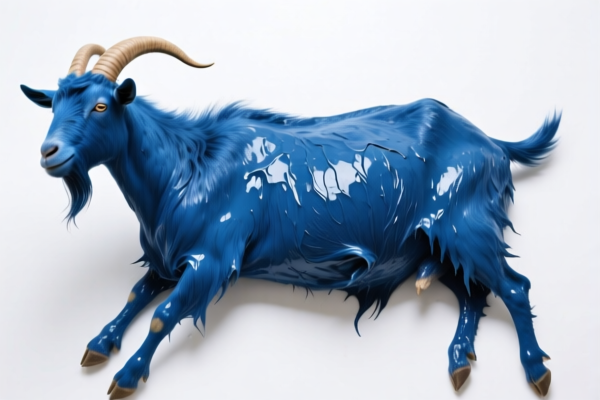
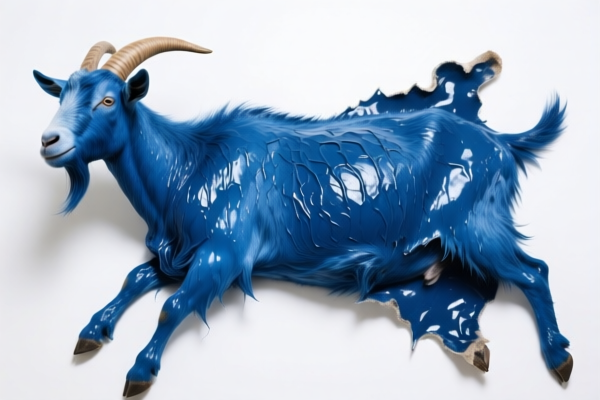
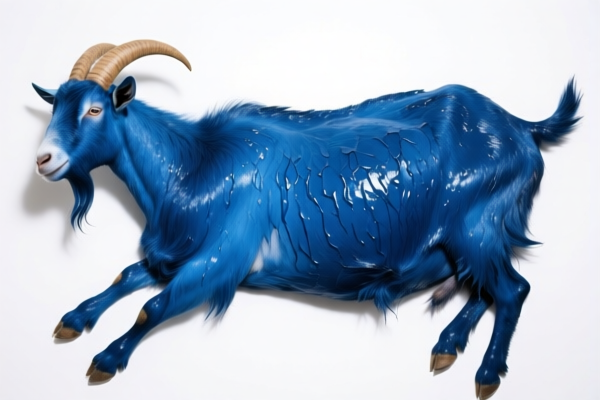
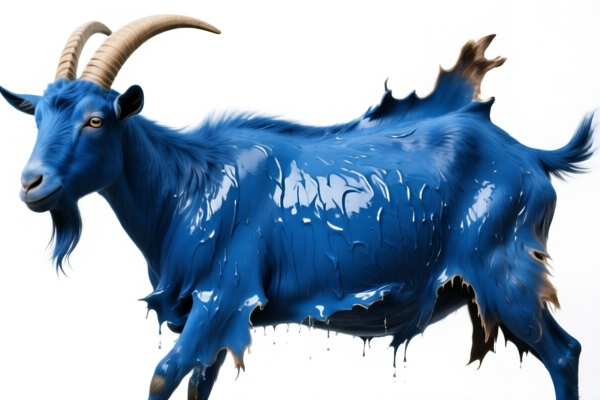
Blue Wet Goat Skin (often referred to in the industry as "Blue Wet Blue") is an intermediate product in the leather manufacturing process. It is goat skin that has undergone tanning (specifically chromium tanning) to stabilize the collagen fibers, but has not yet been completed with dyes, fats, or surface finishes.
In international trade, it is strictly defined as: * State: "Wet" (containing significant moisture, typically 50-60%) and "Blue" (indicating the presence of chromium salts, which give it a bluish-gray tint before dyeing). * Processing: Tanned and retanned, but not further prepared (i.e., not dry, dyed, or finished). * Key Distinction: It is not raw hide (untanned) and not finished leather (used for bags/shoes).
⚠️ Critical Classification Point:
- If the skin is tanned but not dried/dyed/finished → It falls under Chapter 41.
- If it is finished (dried, dyed, polished) → It falls under Chapter 41 (Finished Leather) or potentially Chapter 39/42 if processed into specific articles.
- Do not confuse with "Raw Hides" (0401/4101): Raw hides are untanned and will rot without preservation. Blue wet skins are preserved via chrome tanning.
📦 II. HS Code Classification Details (2026 Latest Tariff Authority)
| HS Code | Product Description | Application Scenario | Processing State |
|---|---|---|---|
4104.41.00.00 |
Goat skins, tanned or half-tanned, without hair on, finished in the wet state (e.g., blue wet) | Intermediate leather trade, tanneries in Vietnam/China importing for finishing | ✅ Tanned (Chrome), Wet, No Hair |
4104.49.00.00 |
Goat skins, tanned or half-tanned, without hair on, other (e.g., dry finished goat leather) | Finished leather for handbags, shoes, upholstery | ✅ Tanned, Dry/Finished |
4103.20.00.00 |
Goat skins, tanned or half-tanned, with hair on (Fur-on) | Winter fashion materials, automotive interiors (less common for "wet blue" export) | ✅ Tanned, With Hair |
4101.20.00.00 |
Raw goat skins, wet-salted | Initial stage before tanning | ❌ Untanned |
🔍 Key Reminder:
- "Blue Wet" is exclusively classified under4104.41(Goat skins, wet state, no hair).
- If the shipment contains both wet blue skins and finished dry leather, separate declarations are mandatory. Mixing them can lead to misclassification penalties.
- "Wet" implies high moisture content, which triggers specific quarantine and weight declaration rules.
💰 III. 2026 Latest Tariff Rate Details (Including Surcharges & Policy Add-ons)
✅ Applicable Country: United States (US)
✅ Country of Origin: China (CN)
✅ Effective Date: November 10, 2025 (and subsequent imports)
🎯 1. 4104.41.00.00 —— Goat Skins, Tanned, Wet State, Without Hair
| Item | Content |
|---|---|
| Base Tariff | 0% (ad valorem) |
| USITC Additional Tariff | +25% (Under USITC Footnote 9903.88.01 for leather products) |
| IEEPA Additional Tariff | +10% (For China/HK products, effective Nov 10, 2025) |
| Total Tariff | 35% |
| Tax Calculation | CIF Value × 35% |
| De Minimis Exemption | ❌ Not Eligible (deny_de_minimis) |
| Legal Pathway | IEEPA:9903.01.25 → IEEPA:9903.01.24 → USITC:4104.41.00.00 → FOOTNOTE:9903.88.01 |
📌 Explanation:
- The 25% USITC tariff is part of the Section 301 trade remedy measures against Chinese goods.
- The 10% IEEPA tariff is an additional levy targeting specific Chinese-origin inputs.
- Total 35% is a significant cost driver for raw material importers. Unlike some consumer goods, raw materials like wet blue leather are not exempt from these surcharges.
- Note on Moisture: Tariffs are calculated on net weight (excluding packaging and excess water). Customs may conduct moisture tests. If moisture exceeds standard levels (e.g., >60%), duties may be assessed on gross weight, leading to higher costs.
🎯 2. 4104.49.00.00 —— Other Goat Skins (Finished/Dry)
| Item | Content |
|---|---|
| Base Tariff | 0% |
| USITC Additional Tariff | +25% |
| IEEPA Additional Tariff | +10% |
| Total Tariff | 35% |
| Tax Calculation | CIF Value × 35% |
| De Minimis Exemption | ❌ Not Eligible |
| Legal Pathway | Same as above |
📌 Note:
- Finished goat leather also faces the same 35% total tariff if sourced from China.
- Value Add: Finished leather has a higher unit price, so while the % is the same, the absolute tax amount is higher.
🛠️ IV. Customs Clearance Practical Advice (Real-World Pitfall Guide)
✅ 1. Documentation Checklist (Mandatory)
| Document | Must Provide | Explanation |
|---|---|---|
| ✅ Product Specification Sheet | ✔️ | Must state: "Goat Skin," "Chrome Tanned," "Wet Blue," "Moisture Content: ~55%," "Weight per skin." |
| ✅ Material Safety Data Sheet (MSDS) | ✔️ | Chromium VI content must be declared. Wet blue skins may contain residual chemicals. |
| ✅ Commercial Invoice | ✔️ | Clearly describe as "Blue Wet Goat Skins, Tanned, Wet State". Do NOT use vague terms like "Leather." |
| ✅ Packing List | ✔️ | Specify Gross Weight and Net Weight. Indicate if skins are packed in "wet" condition or sealed plastic to prevent drying. |
| ✅ Fumigation Certificate | ✔️ | Required if wooden pallets are used. |
| ✅ Certificate of Origin (CO) | ✔️ | To prove Chinese origin (which triggers tariffs). |
✅ 2. Declaration Tips (Key Mantras)
🔥 "Wet Blue is Tanned, Not Raw; Net Weight is King, Moisture is the Trap!"
| Scenario | Correct Declaration | Wrong Practice |
|---|---|---|
| Wet Blue Skins | 4104.41.00.00 |
Misdeclare as 4101 (Raw) → Penalty for Misclassification |
| Dry Finished Leather | 4104.49.00.00 |
Mix with wet skins → Customs Delay |
| High Moisture Content | Declare Net Weight accurately | Declare Gross Weight → Overpay Duties |
| Mixed Containers | Separate HS Codes for Wet vs. Dry | Combine into one HS code → Audit Risk |
✅ 3. Special Situations
| Situation | Handling Advice |
|---|---|
| Chromium VI Limits | Ensure skins meet EU/US safety standards for Chromium VI. Provide lab test reports if requested. |
| Moisture Loss During Transit | If skins dry out during shipping, customs may reclassify them as "finished/dry" (4104.49). Advise freight forwarders to maintain humidity control. |
| Re-export from Third Country | If imported to Vietnam first, then to the US, Rules of Origin apply. If substantial transformation occurs, origin may change, potentially avoiding US tariffs. |
| Sample Shipments | Even small quantities of "Blue Wet" are subject to full tariff declaration. No de minimis exemption. |
🌍 V. Global Market Customs Comparison (2026 Latest)
| Country/Region | Recommended HS Code | Tariff (China Origin) | Certification Requirements | Notes |
|---|---|---|---|---|
| 🇺🇸 USA | 4104.41.00.00 |
35% (25% + 10%) | MSDS, Fumigation | High tariff burden; net weight strictness |
| 🇨🇳 China | 4104.41.00.00 |
0% (Import Duty) | CIQ Inspection | Low import tax for tanneries; strict environmental checks |
| 🇪🇺 EU | 4104.41.00 |
0% (Most Favored Nation) | REACH Compliance (Chromium VI) | No additional tariffs, but strict chemical regulations |
| 🇦🇺 Australia | 4104.41.00 |
5% | Biosecurity Permit | Strict biosecurity due to organic material |
| 🇯🇵 Japan | 4104.41.00 |
0% | PHARE/SLFT Standards | Low tariff; focus on quality and moisture control |
📌 Conclusion:
- USA is the only major market imposing high additional tariffs (35%) on Chinese-origin goat skins.
- EU and Japan are more tariff-friendly but have stricter environmental/chemical regulations (REACH, Chromium VI limits).
- Australia has biosecurity risks that can cause delays if not properly fumigated/declared.
📌 VI. Common Mistakes & Pitfall Guide (Lessons Learned)
❌ Mistake 1: Declaring "Blue Wet Skins" as "Raw Hides" (4101)
👉 Consequence: Classification error; Customs may impose penalties and delay clearance for misdescription. Raw hides are untanned; these are tanned.
❌ Mistake 2: Ignoring Moisture Content in Weight Declaration
👉 Consequence: If moisture is excessive, Customs may assess duty on Gross Weight, increasing costs by up to 10-15%.
❌ Mistake 3: Mixing "Wet Blue" and "Finished Leather" in One Line Item
👉 Consequence: Confusion in valuation and tariff application. Must be separated on the invoice.
❌ Mistake 4: Failing to Provide MSDS for Chromium Content
👉 Consequence: Possible rejection by customs or quarantine agencies, especially in the EU/US, due to environmental/safety concerns.
✅ Correct Practice:
"Goat Skins, Tanned (Chrome), Wet Blue State, Without Hair, Moisture ~55%, Net Weight 500kg, Gross Weight 600kg, Fumigated Pallets"
🎯 VII. Conclusion: Precision in Classification, Savings in Cost!
🎯 Remember the Mantras:
🔹 "Wet Blue is Tanned, Not Raw; 35% Tax Awaits in the USA!"
🔹 "Net Weight is Key; Moisture Traps the Unwary!"
🔹 "MSDS is Mandatory; Chromium VI Must Be Declared!"
📌 Pro Tip:
If your goat skins are sourced from Vietnam, Indonesia, or Turkey, they may be exempt from the USITC 25% surcharge.
Consider supply chain diversification to reduce the 35% total tariff burden.
For high-volume imports, apply for a Binding Tariff Information (BTI) or US Customs Advance Ruling to confirm classification.
📣 Immediate Action:
📞 Consult with a licensed customs broker
📄 Prepare detailed spec sheets & MSDS
🚀 Optimize packaging to control moisture and weight
💼 Ensure smooth clearance, minimize duties, maximize profit!
✨ Professional Clearance, Starting with Accurate Classification!
💼 Every Dollar Saved is a Dollar Earned!
Customer Reviews
About HS Code Classification
The Harmonized System (HS) is an internationally standardized nomenclature developed by the World Customs Organization (WCO) to classify traded products. Over 200 countries use the HS system as the basis for customs tariffs, trade statistics, and import/export regulations.
Each HS code follows a hierarchical structure:
- Chapter (2 digits) — Broad category of goods (e.g., Chapter 84: Machinery and Mechanical Appliances)
- Heading (4 digits) — More specific grouping within the chapter
- Subheading (6 digits) — Internationally standardized breakdown, used by all WCO member countries
- National subdivisions (8-10 digits) — Country-specific extensions for further classification, such as US HTSUS 10-digit codes
Correct HS code classification is essential for smooth customs clearance, accurate duty payment, and compliance with trade regulations. Misclassification can lead to customs delays, overpayment of duties, or penalties.
When importing from CN to US, the applicable tariff rates may include:
- Most-Favored-Nation (MFN) rate — The standard duty rate applied to WTO members
- General rate — Applied to countries without trade agreements
- Trade remedy duties — Additional tariffs such as Section 301 (anti-dumping), Section 232 (national security), or countervailing duties
The information provided on this page is for reference purposes only. For official classification, please consult with your local customs authority or a licensed customs broker.