Blue Wet Pigskin for Leather Processing
CN → USProduct Images
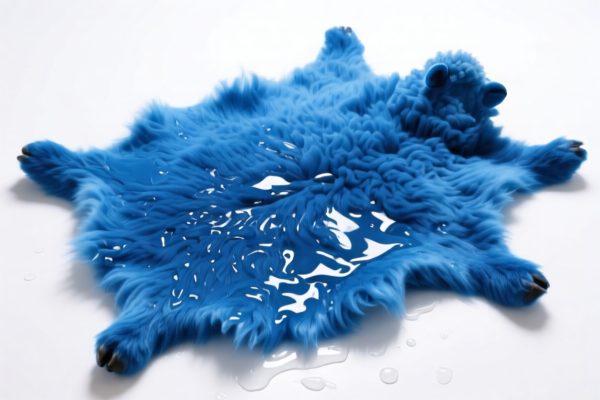
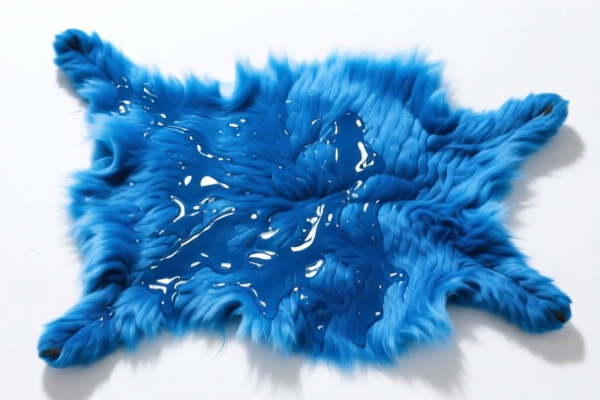
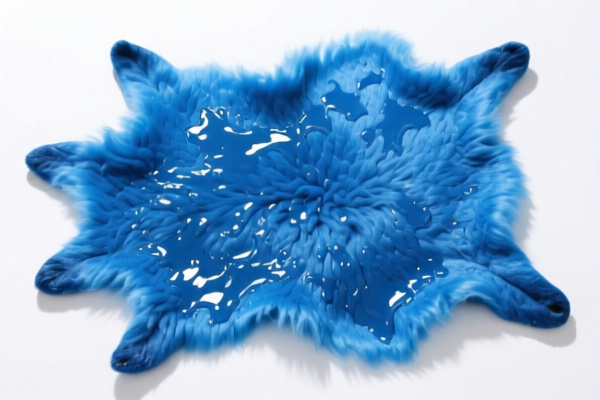
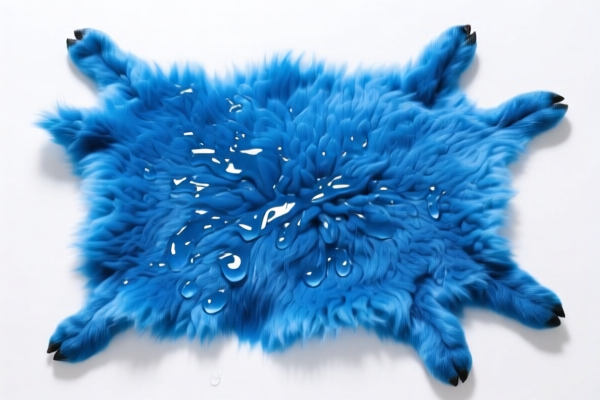
AI Analysis
🌊 Blue Wet Pigskin (Blue Wet Pickled Pig Skin) for Leather Processing
🌐 HS Code Classification & Customs Clearance Guide | 2026 Latest Tariff Analysis | Professional Strategy
📌 I. Product Definition & Classification: What Exactly Is "Blue Wet Pigskin"?
Blue Wet Pigskin refers to pork hides/skins that have undergone "pickling" (acid treatment with salt and acid) but have not yet undergone tanning (chromium or vegetable tanning). They are raw, cured skins ready for the next stage of leather production.
In international trade, the critical distinction lies in the processing stage:
- Green Skin (Fresh): Untreated, chilled/frozen immediately after slaughter.
- Blue Skin (Blue Wet): Preserved via pickling (salt + acid + salt). It is wet, blue-ish in appearance (due to the pickling chemicals), and shelf-stable for transport but not yet leather.
- Wet Blue: A specific type of blue skin treated with basic chromium sulfate (chrome tanning). Note: "Blue Wet" often implies pickled raw skins, while "Wet Blue" implies chrome-tanned. This guide assumes "Blue Wet" = Pickled/Preserved Raw Hides unless specified as chrome-tanned.
⚠️ Key Distinction Point:
- If pickled only (acid/salt): Classified as Raw Hides/Skins (Chapter 41).
- If chrome-tanned ("Wet Blue"): Classified as Crust Leather (Chapter 41).
Most "Blue Wet" in commodity markets refers to Pickled Raw Skins.
📦 II. HS Code Classification Details (2026 Latest Tariff Authority)
| HS Code | Product Description | Processing Stage | Key Characteristics |
|---|---|---|---|
4104.41.00.00 |
Pickled Pig Skins (not further prepared) | Preserved/Pickled | Wet, blue-ish, high salt content, acidified. Not leather yet. |
4104.51.00.00 |
Wet Blue Pig Skins (Chrome-Tanned) | Chrome-Tanned | Tanned with chromium salts. Soft, pliable, blue hue. Ready for finishing. |
4106.31.00.00 |
Other Pig Skins (Green/Salted only) | Salted/Fresh | Minimal processing. High risk of decay if not frozen. |
🔍 Important Note:
- "Blue Wet" usually maps to4104.41.00.00(Pickled) in most Chinese export contexts.
- If the skin has been chrome-tanned, it is4104.51.00.00.
- Misclassification Risk: Declaring chrome-tanned skin as pickled to avoid anti-dumping duties may trigger customs audits.
💰 III. 2026 Latest Tariff Rate Breakdown (US Market)
✅ Applicable Country: United States (US)
✅ Origin: China (CN)
✅ Effective Date: Post-2025 Trade Policies (Section 301 & IEEPA)
🎯 1. 4104.41.00.00 — Pickled Pig Skins (Blue Wet/Pickled Raw)
| Item | Content |
|---|---|
| Base Tariff Rate | 2.5% (ad valorem) |
| USITC Additional Duty (Sec 301) | +25% (Footnote 9903.88.01) |
| IEEPA Additional Duty | +10% (China-specific, effective Nov 2025) |
| Total Tariff Rate | 37.5% |
| Calculation Basis | CIF Value × 37.5% |
| De Minimis Exemption | ❌ Not Eligible (deny_de_minimis) |
| Legal Path | IEEPA:9903.01.25 → USITC:4104.41.00.00 → FOOTNOTE:9903.88.01 |
📌 Explanation:
- Base 2.5%: Standard MFN rate for raw hides/skins.
- 25% Section 301: Applied to most Chinese leather products.
- 10% IEEPA: New对华 additional tariff effective late 2025.
- Total 37.5%: High cost due to combined penalties.
- Note: Some leather categories may have different footnotes; verify9903.88.01applicability.
🎯 2. 4104.51.00.00 — Wet Blue Pig Skins (Chrome-Tanned)
| Item | Content |
|---|---|
| Base Tariff Rate | 2.5% (ad valorem) |
| USITC Additional Duty (Sec 301) | +25% |
| IEEPA Additional Duty | +10% |
| Total Tariff Rate | 37.5% |
| De Minimis Exemption | ❌ Not Eligible |
| Legal Path | IEEPA:9903.01.25 → USITC:4104.51.00.00 → FOOTNOTE:9903.88.01 |
📌 Note:
- Chrome-tanned skins (Wet Blue) often face stricter environmental scrutiny due to chromium waste, but tariff rates are similar to pickled skins.
- Anti-Dumping Duties (ADD): May apply if specific Chinese exporters are targeted. CheckCVD/ADDlists for4104.51.
🛠️ IV. Customs Clearance Practical Advice (Real-World Pitfall Avoidance)
✅ 1. Documentation Checklist (Non-Negotiable)
| Document | Required | Description |
|---|---|---|
| ✅ Commercial Invoice | ✔️ | Must specify: "Pickled Pig Skins" or "Wet Blue Pig Skins," weight, origin. |
| ✅ Packing List | ✔️ | Detail palletization, weight per pallet, total gross/net weight. |
| ✅ Bill of Lading | ✔️ | Standard freight document. |
| ✅ Health/Sanitary Certificate | ✔️ | From Chinese Customs/Quarantine (GACC). Crucial for animal products. |
| ✅ Chain of Custody | ✔️ | Proof of origin (Farm/Abattoir) to ensure no endangered species violations. |
| ✅ Tanning Process Statement | ✔️ | Explicitly state: "Not Tanned (Pickled Only)" or "Chrome-Tanned." |
✅ 2. Declaration Tips (Key Mnemonics)
🔥 "Pickled = 4104, Chrome = 4104.51, Raw = 4101/4104.41"
| Scenario | Correct Declaration | Wrong Practice |
|---|---|---|
| Pickled Skins | 4104.41.00.00 - "Pickled Pig Skins" |
Mislabeling as "Leather" → Customs hold |
| Chrome-Tanned | 4104.51.00.00 - "Wet Blue Pig Skins" |
Calling it "Raw Skin" → Risk of ADD/Environmental violation |
| Frozen Raw Skins | 4104.11.00.00 |
Mislabeling as "Pickled" → Inconsistent test results |
| Scrap/Off-cuts | 4104.91.00.00 |
Mixing with full skins → Valuation dispute |
✅ 3. Special Handling & Compliance
| Issue | Handling Advice |
|---|---|
| Chromium VI Test | If declared as "Wet Blue," provide Cr VI-free certificate. US EPA strictly monitors hexavalent chromium. |
| Salinity Content | High salt content may trigger anti-dumping or countervailing duty (CVD) investigations. Declare accurately. |
| Pest Control | Ensure no foot-and-mouth disease (FMD) or hog cholera risks. Provide veterinary health certificate. |
| Packaging | Use plastic-lined pallets to prevent leakage. Salt residue can damage other goods. |
🌍 V. Global Market Comparison (2026)
| Country/Region | Recommended HS Code | Tariff | Certification | Notes |
|---|---|---|---|---|
| 🇺🇸 USA | 4104.41.00.00 |
37.5% | GACC Health Cert, Cr VI Test | High tariffs, strict environmental rules |
| 🇪🇺 EU | 4104.41.00 |
0% - 2.5% | REACH, Cr VI Compliance | Low tariffs, but high regulatory burden |
| 🇨🇳 China | 4104.41.00 |
0% (Import) | N/A | Major importer of raw hides |
| 🇻🇳 Vietnam | 4104.41.00 |
0% | ASEAN Trade Rules | Processing hub for leather |
📌 Conclusion:
- US Market: High tariff barrier (37.5%). Consider sourcing from Vietnam, India, or Thailand for lower tariffs if feasible.
- EU Market: Environmentally focused. REACH compliance is critical.
- Domestic (China): No import tariff, but strong environmental regulations on wastewater from tanning.
📌 VI. Common Errors & Pitfalls (Lessons Learned)
❌ Error 1: Declaring "Wet Blue" as "Raw Skins" to avoid Cr VI testing
👉 Consequence: Customs detention, fines, and potential import ban due to environmental violation.
❌ Error 2: Mixing pickled and chrome-tanned skins in one shipment
👉 Consequence: Customs requires separate HS codes. Mixed declaration leads to partial seizure or delay.
❌ Error 3: Ignoring GACC Health Certification
👉 Consequence: Rejection at US Port due to lack of veterinary health certificate. Animal products are heavily regulated.
❌ Error 4: Under-declaring weight or value to reduce tariffs
👉 Consequence: Customs Audit, back taxes, penalties, and potential loss of importer security bond.
✅ Correct Practice:
"Pickled Pig Skins, Origin: China, Weight: 10,000 kg, GACC Cert No: XXXX, Cr VI: Not Applicable (Pickled Only)"
🎯 VII. Conclusion: Strategic Sourcing & Compliance
🎯 Remember the Rules:
🔹 "Pickled = 4104.41, Chrome = 4104.51"
🔹 "US Tariff = 37.5%, EU Tariff = Low but Strict"
🔹 "Health Cert is Mandatory, Cr VI Test is Critical for Wet Blue"
📌 Pro Tip:
- If shipping to the US, consider pre-clearance with a licensed customs broker.
- For Wet Blue (Chrome-Tanned), ensure your supplier provides a REACH-compliant Cr VI test report to avoid rejection.
- If your supplier is Vietnamese or Thai, you may benefit from lower US tariffs (0% - 5%) under free trade agreements.
📣 Immediate Action:
📞 Engage a licensed US Customs Broker
📄 Obtain GACC Health Certificate + Cr VI Test Report (if chrome-tanned)
🚀 Ensure accurate HS Code declaration to avoid 37.5% tariff surprises!
✨ Professional Clearance, Start with Accurate Classification!
💼 Your Margins Depend on Precision!
Customer Reviews
About HS Code Classification
The Harmonized System (HS) is an internationally standardized nomenclature developed by the World Customs Organization (WCO) to classify traded products. Over 200 countries use the HS system as the basis for customs tariffs, trade statistics, and import/export regulations.
Each HS code follows a hierarchical structure:
- Chapter (2 digits) — Broad category of goods (e.g., Chapter 84: Machinery and Mechanical Appliances)
- Heading (4 digits) — More specific grouping within the chapter
- Subheading (6 digits) — Internationally standardized breakdown, used by all WCO member countries
- National subdivisions (8-10 digits) — Country-specific extensions for further classification, such as US HTSUS 10-digit codes
Correct HS code classification is essential for smooth customs clearance, accurate duty payment, and compliance with trade regulations. Misclassification can lead to customs delays, overpayment of duties, or penalties.
When importing from CN to US, the applicable tariff rates may include:
- Most-Favored-Nation (MFN) rate — The standard duty rate applied to WTO members
- General rate — Applied to countries without trade agreements
- Trade remedy duties — Additional tariffs such as Section 301 (anti-dumping), Section 232 (national security), or countervailing duties
The information provided on this page is for reference purposes only. For official classification, please consult with your local customs authority or a licensed customs broker.