Bobcat Fur Hides
CN → US| HS Code | Tariff Rate | Origin | Destination | Doc |
|---|---|---|---|---|
| 4301800220 | 17.5% | CN | US | Official Doc |
| 4103901190 | 17.5% | CN | US | Official Doc |
| 4103902000 | 20.8% | CN | US | Official Doc |
Product Images
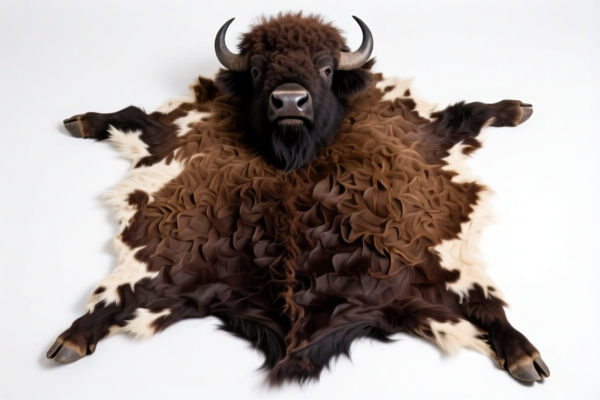
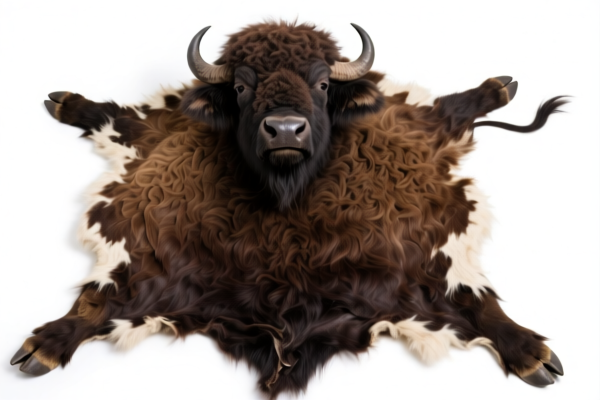
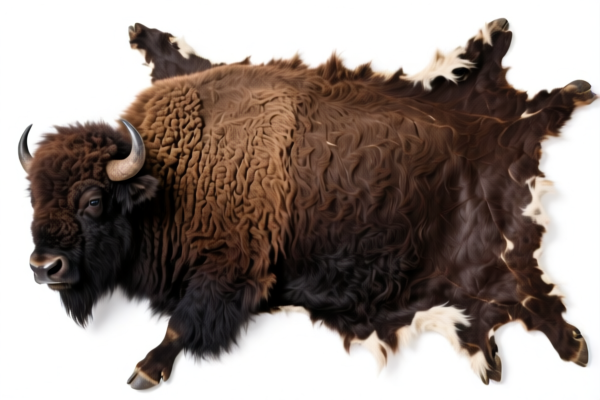
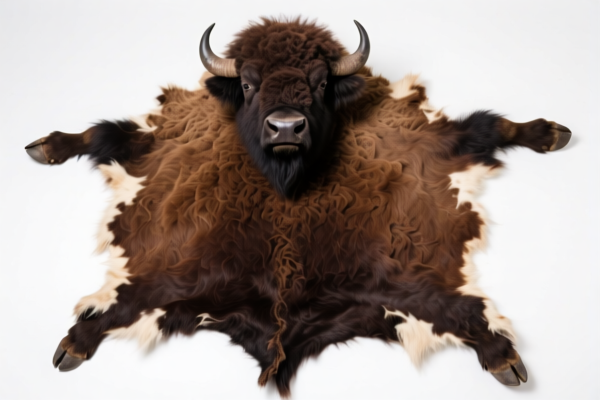
AI Analysis
🦊 Bobcat Fur Hides (Raw)
🌐 HS Code Reference & Customs Clearance Guide | 2026 Latest Tariff Analysis | Professional Entry Strategies
📌 1. Product Definition and Classification: What Exactly is a "Bobcat Hide"?
Bobcat fur hides, in the context of international trade, typically refer to raw, unprocessed, or simply salted skins of the bobcat (Lynx rufus). In the Harmonized System (HS), the distinction between "fur skins" (Chapter 43) and "leather/leather products" (Chapter 41) is critical.
Key Distinction: * Chapter 43 (Fur Skins and Furs): Applies to fur skins that are raw, salted, or otherwise preserved for tanning, but not yet fully tanned or dressed for clothing. If the fur is still attached and the skin is raw/salted, it generally falls under 4301. * Chapter 41 (Leather): Applies to hides and skins of various animals (other than fur skins) that are raw, dried, salted, etc. If the bobcat hide is considered a "skin" rather than a "fur skin" (e.g., if the fur has been removed or it is treated as generic leather stock), it falls under 4103.
⚠️ Critical Classification Point:
- If the product is a fur skin (fur attached, raw/salted) → HS 4301
- If the product is treated as a generic raw hide/skin (furless or classified as leather stock) → HS 4103
📦 2. HS Code Breakdown (2026 Latest Tariff Schedule)
Based on the provided data, here are the three possible HS codes for "Bobcat Fur Hides," depending on the specific processing state and customs interpretation:
| HS Code | Product Description | Applicability | Key Characteristic |
|---|---|---|---|
| 4301.80.02.20 | Bobcat fur hides (specifically matched to lynx-type fur definition) | Raw/Salted Fur Skins | Fur is present. Classified under "Other fur skins, raw" specifically for lynx-type species. |
| 4103.90.11.90 | Unprocessed raw hides/skins (no specific species distinction) | Raw Hides/Skins | No fur or generic classification. Classified under "Other leather" for raw hides not elsewhere specified. |
| 4103.90.20.00 | Unprocessed raw hides/skins (generic) | Raw Hides/Skins | No fur or generic classification. Classified under "Other leather" for raw hides not elsewhere specified. |
🔍 Important Note:
- 4301.80.02.20 is the most precise code for bobcat fur because it explicitly matches "lynx-type fur."
- 4103 codes are used if the goods are classified as raw leather hides rather than fur skins, or if there is no specific fur classification available.
💰 3. 2026 Tariff Rate Breakdown (Including Additional Duties)
✅ Applicable Country: United States (US)
✅ Origin: China (CN)
✅ Effective Date: November 10, 2025 (and subsequent imports)
🎯 1. 4301.80.02.20 —— Bobcat Fur Hides (Lynx-Type)
| Item | Detail |
|---|---|
| Base Tariff | 0% (ad valorem) |
| Section 301 Tariff | +7.5% (additional duty) |
| Section 122 Tariff | +10% (additional duty) |
| Total Tariff | 17.5% |
| Tax Calculation | CIF Value × 17.5% |
| De Minimis Eligibility | ❌ No (High-value fur hides are typically excluded from de minimis thresholds) |
| Legal Basis | Section 301: 7.5% + Section 122: 10% |
📌 Explanation:
- Although the base tariff for fur skins is often low or zero, additional duties significantly increase the cost.
- Section 301 (7.5%) and Section 122 (10%) apply to Chinese-origin fur products.
- Total: 17.5% is the effective duty rate.
🎯 2. 4103.90.11.90 —— Unprocessed Raw Hides (Generic)
| Item | Detail |
|---|---|
| Base Tariff | 0% (ad valorem) |
| Section 301 Tariff | +7.5% (additional duty) |
| Section 122 Tariff | +10% (additional duty) |
| Total Tariff | 17.5% |
| Tax Calculation | CIF Value × 17.5% |
| De Minimis Eligibility | ❌ No |
| Legal Basis | Section 301: 7.5% + Section 122: 10% |
📌 Note:
- Same tariff structure as 4301.80.02.20 because both are subject to the same additional duties for Chinese origin.
🎯 3. 4103.90.20.00 —— Unprocessed Raw Hides (Generic, Different Subcategory)
| Item | Detail |
|---|---|
| Base Tariff | 3.3% (ad valorem) |
| Section 301 Tariff | +7.5% (additional duty) |
| Section 122 Tariff | +10% (additional duty) |
| Total Tariff | 20.8% |
| Tax Calculation | CIF Value × 20.8% |
| De Minimis Eligibility | ❌ No |
| Legal Basis | Base: 3.3% + Section 301: 7.5% + Section 122: 10% |
📌 Note:
- This code has a higher base tariff (3.3%), leading to a total rate of 20.8%.
- This may apply if the hide is classified under a different subcategory within Chapter 41.
🛠️ 4. Customs Clearance Practical Advice (Risk Mitigation Guide)
✅ 1. Required Documentation Checklist
| Document | Mandatory? | Purpose |
|---|---|---|
| ✅ Commercial Invoice | ✔️ | Must clearly state "Bobcat Fur Hides" and HS Code |
| ✅ Packing List | ✔️ | Detail quantity, weight, and packaging type |
| ✅ Proof of Ownership | ✔️ | Purchase receipts or supply chain documents |
| ✅ CITES Permit (if applicable) | ⚠️ Check | Bobcats are protected under CITES Appendix II. Importing without CITES permits is illegal |
| ✅ Species Verification Report | ✔️ | To confirm the species is Lynx rufus (Bobcat) and not another protected species |
| ✅ Treatment Certificate | ✔️ | Proof of salting/preservation if raw |
📌 Critical Warning:
- CITES Compliance: Bobcats are listed in CITES Appendix II. You MUST have valid CITES export and import permits. Failure to provide these will result in seizure, fines, and legal action.
- Domestic Laws: In the US, importing bobcat fur may also be subject to Migratory Bird Treaty Act or state-specific regulations.
✅ 2. Classification Tips (Key Mantra)
🔥 "Fur Attached = 4301, Raw Hide = 4103, CITES is King!"
| Scenario | Correct HS Code | Risk |
|---|---|---|
| Bobcat fur with hair intact, raw/salted | 4301.80.02.20 |
Low risk if CITES permits are provided |
| Bobcat hide with fur removed, raw leather | 4103.90.11.90 or 4103.90.20.00 |
Moderate risk if species is misidentified |
| Tanned Bobcat Fur (for clothing) | Different HS Code (Not in provided data) | Not covered in this guide |
| No CITES Permits | Any | High Risk: Seizure & Legal Penalties |
✅ 3. Special Cases
| Case | Handling Advice |
|---|---|
| OEM Custom Hides | Provide supplier invoices and CITES permits. Clearly state species. |
| Mixed Shipments (Bobcat + Other Animals) | Separate codes for each species. Bobcat must be clearly identified. |
| Partial Tanning | If partially tanned, classify as "unfinished fur" under 4301. If fully tanned, different HS code applies. |
| CITES Exemptions | If for personal use or under specific exemptions, document thoroughly. However, commercial import usually requires full permits. |
🌍 5. Global Market Customs Comparison (2026 Latest)
| Country/Region | Recommended HS Code | Tariff | CITES Requirement | Notes |
|---|---|---|---|---|
| 🇺🇸 USA | 4301.80.02.20 |
17.5% | Mandatory | High scrutiny on fur imports |
| 🇨🇳 China | 4301.80.02.20 |
0-5% | Mandatory | Lower base tariff, but strict CITES |
| 🇪🇺 EU | 4301.80.02.20 |
0% (if CITES compliant) | Mandatory | No additional duties if CITES valid |
| 🇬🇧 UK | 4301.80.02.20 |
0% (if CITES compliant) | Mandatory | Post-Brexit rules apply |
| 🇦🇺 Australia | 4301.80.02.20 |
0-5% | Mandatory | Strict biosecurity and CITES |
📌 Conclusion:
- CITES permits are the most critical document for bobcat fur hides globally.
- USA has additional duties (17.5%), but the EU/UK may have lower base tariffs if CITES is compliant.
- Always verify CITES status before shipping.
📌 6. Common Errors & Pitfalls (Lessons Learned)
❌ Error 1: Failing to provide CITES permits
👉 Consequence: Shipment seized, fines up to $10,000 per violation, criminal charges.
❌ Error 2: Misclassifying tanned fur as raw hides
👉 Consequence: Wrong HS code → incorrect duty rate → penalties and back taxes.
❌ Error 3: Not declaring species correctly
👉 Consequence: Customs may reclassify to a different species with higher duties or restrictions.
❌ Error 4: Assuming "Bobcat" is exempt from CITES
👉 Consequence: Bobcats are CITES-listed. No exemptions for commercial import.
✅ Correct Approach:
"Bobcat (Lynx rufus) Raw Fur Hides, Salted, with Valid CITES Appendix II Export and Import Permits, HS Code 4301.80.02.20"
🎯 7. Conclusion: Professional Clearance, Save Time, Reduce Costs
🎯 Remember:
🔹 "CITES First, HS Code Second, Tariff Third!"
🔹 "No CITES = No Entry!"
🔹 "Bobcat is Protected, Not Free!"
📌 Pro Tip:
- If you are importing tanned bobcat fur for fashion, ensure you have the correct HS code for finished furs (not in this data).
- Consider pre-clearance with customs brokers to verify CITES compliance.
- Always use a licensed customs broker experienced in wildlife products.
📣 Immediate Action:
📞 Contact a wildlife compliance expert + Provide CITES permits + Verify HS Code
🚀 Ensure your bobcat fur hides clear customs smoothly, legally, and efficiently!
✨ Professional clearance starts with precise classification!
💼 Your every penny saved through proper compliance is a profit gained!
Customer Reviews
About HS Code Classification
The Harmonized System (HS) is an internationally standardized nomenclature developed by the World Customs Organization (WCO) to classify traded products. Over 200 countries use the HS system as the basis for customs tariffs, trade statistics, and import/export regulations.
Each HS code follows a hierarchical structure:
- Chapter (2 digits) — Broad category of goods (e.g., Chapter 84: Machinery and Mechanical Appliances)
- Heading (4 digits) — More specific grouping within the chapter
- Subheading (6 digits) — Internationally standardized breakdown, used by all WCO member countries
- National subdivisions (8-10 digits) — Country-specific extensions for further classification, such as US HTSUS 10-digit codes
Correct HS code classification is essential for smooth customs clearance, accurate duty payment, and compliance with trade regulations. Misclassification can lead to customs delays, overpayment of duties, or penalties.
When importing from CN to US, the applicable tariff rates may include:
- Most-Favored-Nation (MFN) rate — The standard duty rate applied to WTO members
- General rate — Applied to countries without trade agreements
- Trade remedy duties — Additional tariffs such as Section 301 (anti-dumping), Section 232 (national security), or countervailing duties
The information provided on this page is for reference purposes only. For official classification, please consult with your local customs authority or a licensed customs broker.