Bodysuit
CN → US| HS Code | Tariff Rate | Origin | Destination | Doc |
|---|---|---|---|---|
| 6112198010 | 39.1% | CN | US | Official Doc |
| 6114302060 | 49.5% | CN | US | Official Doc |
| 6111206010 | 25.6% | CN | US | Official Doc |
| 6111305010 | 33.5% | CN | US | Official Doc |
| 6114200020 | 28.3% | CN | US | Official Doc |
Product Images


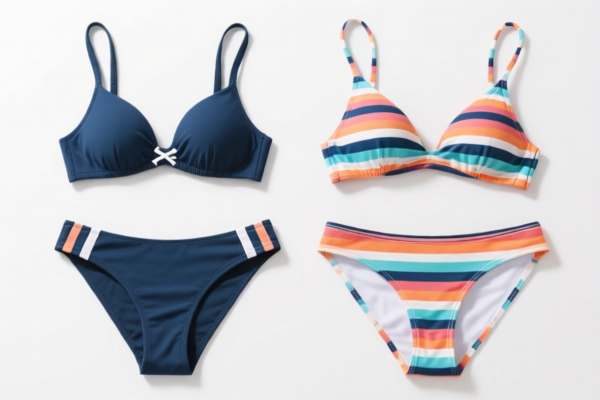
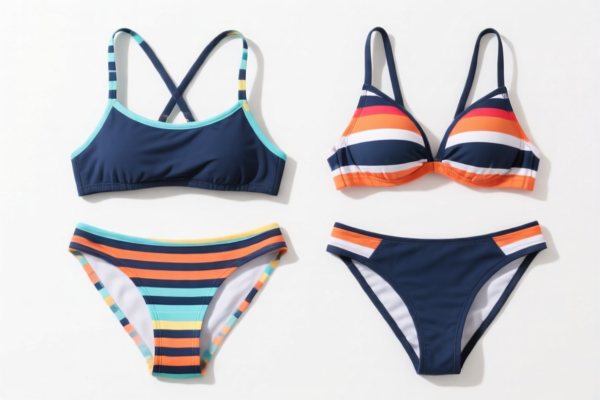
AI Analysis
🧵 Bodysuits (Knitted Undergarments & Outerwear)
🌐 HS Code Reference & Customs Clearance Guide | 2026 Tariff Breakdown | Strategic Entry Strategy
📌 I. Product Definition & Classification: Are You Sure You Know "Bodysuit"?
A Bodysuit is a close-fitting one-piece garment that covers the torso and fastens at the crotch. In international trade, its classification depends heavily on knitting method, material composition, and intended use (Sport/Leisure vs. Undergarment).
Key Classification Categories:
- Sport/Leisure Bodysuits: Designed for active wear, swimming, or casual fashion.
- Material Variations: Knitted from Cotton (natural), Synthetic Fibers (polyester, nylon, etc.), or Mixed/Other fibers.
⚠️ Critical Distinction:
- Knitted vs. Woven: All items below are Knitted (Chapter 61). Woven bodysuits fall under Chapter 62 (not covered in this dataset).
- Material Dictates Duty: The specific fiber content (Cotton vs. Synthetic) drastically changes the Base Tariff rate.
- Use Case: If the bodysuit is explicitly for "sports," it may attract different scrutiny than general fashion wear.
📦 II. HS Code Classification Details (2026 Tariff Matrix)
Based on the provided dataset, here is the precise breakdown for Knitted Bodysuits:
| HS Code | Product Description | Inferred Material | Intended Use | Base Tariff |
|---|---|---|---|---|
| 6111.20.60.10 | Knitted Bodysuit (Cotton) | Cotton | General / Casual | 8.1% |
| 6111.30.50.10 | Knitted Bodysuit (Synthetic/Natural Mix) | Synthetic or Natural | General / Casual | 16.0% |
| 6112.19.80.10 | Knitted Bodysuit (Sport/Leisure) | Other/Not specified | Sports/Leisure | 21.6% |
| 6114.20.00.20 | Knitted Bodysuit (Cotton) | Cotton | General / Leisure | 10.8% |
| 6114.30.20.60 | Knitted Bodysuit (Synthetic) | Synthetic Fibers | General / Fashion | 32.0% |
🔍 Key Insight:
- Cotton bodysuits generally have the lowest base tariffs (8.1% - 10.8%).
- Synthetic bodysuits face a significantly higher base tariff (up to 32.0%).
- Sports/Leisure specific classifications carry a mid-range base tariff (21.6%) but are strictly defined by their functional use.
💰 III. 2026 Tariff Rate Breakdown (US Import Context)
✅ Applicable Market: USA (United States)
✅ Origin: China (CN)
✅ Effective Date: Current/Projected 2026 Rates
🔥 Total Tax Structure: All items include Base Tariff + Section 301 (Add-on) + Section 122 (Retaliatory).
🎯 1. Cotton Dominant Items (6111.20.60.10 & 6114.20.00.20)
| Item | Content |
|---|---|
| HS Code | 6111.20.60.10 (Cotton) / 6114.20.00.20 (Cotton) |
| Base Tariff | 8.1% ~ 10.8% |
| Section 301 Add-on | +7.5% (Standard Section 301 Duty) |
| Section 122 Duty | +10.0% (China Retaliatory Tariff) |
| Total Effective Rate | 25.6% (for Cotton 6111...) 28.3% (for Cotton 6114...) |
| Calculation | CIF Value × Total Rate |
| De Minimis Exemption | ❌ NO (Section 301/122 duties apply regardless of value) |
📌 Explanation:
- Section 301 (+7.5%): Applied to Chinese goods under the "Trade Act of 1974" to counter unfair trade practices.
- Section 122 (+10%): Retaliatory tariff imposed in response to Chinese trade actions.
- Net Impact: Even the lowest base tariff (8.1%) jumps to 25.6% once all duties are applied.
🎯 2. Synthetic & Sport Items (6111.30.50.10, 6112.19.80.10, 6114.30.20.60)
| Item | Content |
|---|---|
| HS Code | 6111.30.50.10, 6112.19.80.10, 6114.30.20.60 |
| Base Tariff | 16.0% ~ 32.0% (Highest for Synthetics) |
| Section 301 Add-on | +7.5% |
| Section 122 Duty | +10.0% |
| Total Effective Rate | 33.5% (Synthetic Mix) 39.1% (Sport/Leisure) 49.5% (Pure Synthetic) |
| Calculation | CIF Value × Total Rate |
| De Minimis Exemption | ❌ NO |
📌 Critical Warning:
- Pure Synthetic Fibers (6114.30.20.60) carry the highest total tax at 49.5%. This is a massive cost increase that can eliminate profit margins for fashion brands.
- Sports Bodysuits (6112.19.80.10) are taxed at 39.1%, significantly higher than standard cotton wear.
- Material Misclassification Risk: Declaring a synthetic bodysuit as "cotton" to lower the base tariff is fraud and leads to severe penalties.
🛠️ IV. Customs Clearance Practical Advice (Avoiding Pitfalls)
✅ 1. Essential Documentation Checklist
| Document | Requirement | Why It Matters |
|---|---|---|
| Composition Certificate | ✔️ Must | Determines if it's Cotton (Low Tax) or Synthetic (High Tax). |
| Knitting Specification | ✔️ Must | Confirms "Knitted" (Chapter 61) vs. "Woven" (Chapter 62). |
| Product Photos | ✔️ Must | Visual proof of "Bodysuit" structure (one-piece, crotch fastener). |
| Intended Use Statement | ✔️ Must | Defines if it is "Sport/Leisure" (6112) or "General" (6111/6114). |
| Commercial Invoice | ✔️ Must | Must explicitly state HS Code and Value. |
✅ 2. Decleration Strategy (Golden Rules)
🔥 Rule: "Material First, Use Second, Type Last!"
| Scenario | Correct Declaration | Wrong Action | Consequence |
|---|---|---|---|
| 100% Cotton | 6114.20.00.20 |
Declaring as Synthetic | Overpaying (32% vs 10.8% base) |
| 100% Polyester | 6114.30.20.60 |
Declaring as Cotton | Seizure + Penalty (Fraud) |
| Sport Swimsuit | 6112.19.80.10 |
Declaring as Casual | Underpayment (21.6% vs 10.8% base) → Audit |
| Mixed Fiber | 6111.30.50.10 |
Guessing category | Delay for lab testing |
✅ 3. Special Scenarios
| Situation | Action |
|---|---|
| High Synthetic Content | Anticipate 49.5% tax. Consider re-engineering the design to use more cotton if margins are thin. |
| Multi-Packaging | If a bodysuit is packed with undergarments, do not split. Declare the primary product (Bodysuit) and include others as accessories if possible. |
| Section 321 De Minimis | Beware: While Section 321 (800) allows $800 duty-free entry for small packages, Section 301 and 122 duties are EXCLUDED. You still pay the full 25.6%–49.5% on de minimis shipments. |
🌍 V. Global Market Comparison (US vs. Others)
| Region | HS Code | Base Rate | Additional Duties | Total Est. Rate | Notes |
|---|---|---|---|---|---|
| 🇺🇸 USA | 6114.30.20.60 |
32.0% | +17.5% (301+122) | 49.5% | Highest Cost Market |
| 🇨🇳 China | 6114.30.20.60 |
~5-10% | None | ~10% | Low tax for imports into China |
| 🇪🇺 EU | 6114.30.20.60 |
12% | None | 12% | No Section 301/122 |
| 🇬🇧 UK | 6114.30.20.60 |
8% | None | 8% | Post-Brexit trade deals |
| 🇦🇺 AUS | 6114.30.20.60 |
5% | None | 5% | Low tariff regime |
📌 Conclusion:
The US market is exceptionally expensive for synthetic bodysuits due to the combination of Base Tariff + Section 301 + Section 122.
- Strategy: If targeting the US, prioritize Cotton blends to keep total tax near 28%. Avoid pure synthetic if possible.
📌 VI. Common Mistakes & Solutions (Blood Lesson)
❌ Mistake 1: Declaring a polyester bodysuit as "Cotton" to save tax.
👉 Result: CBP lab test reveals truth → Back-due duties + 100% penalty.
❌ Mistake 2: Treating de minimis shipments ($800) as "duty-free."
👉 Result: Section 301/122 still apply → Unexpected $500 tax on a $1000 shipment.
❌ Mistake 3: Confusing "Bodysuit" with "Underwear" (6108) or "Sleepwear" (6107).
👉 Result: Incorrect HS Code leads to audits and clearance delays. Ensure the crotch closure and torso coverage match 611x codes.
✅ Pro Tip:
"Know your fiber mix. If >50% synthetic, expect ~50% tax. If >50% cotton, expect ~28% tax. No middle ground!"
🎯 VII. Final Verdict: Strategic Entry for Bodysuits
🎯 Action Plan: 1. Verify Fiber Content: Run a lab test before shipping. 2. Calculate Landed Cost: Use 49.5% as the worst-case scenario for synthetics. 3. Avoid De Minimis: Do not rely on small package exemptions for these high-duty items. 4. Target Cotton: If margin allows, shift production to Cotton bodysuits to reduce the Base Tariff by half.
📌 Bottom Line:
For Knitted Bodysuits imported to the US from China, Material is Destiny.
- Synthetic = 49.5% Total Tax (Brutal)
- Cotton = 25.6% - 28.3% Total Tax (Manageable)
Plan accordingly!
✨ Professional Customs Clearance Starts with Precision Classification!
💼 Your Profit Margin Depends on Getting the HS Code Right!
Customer Reviews
About HS Code Classification
The Harmonized System (HS) is an internationally standardized nomenclature developed by the World Customs Organization (WCO) to classify traded products. Over 200 countries use the HS system as the basis for customs tariffs, trade statistics, and import/export regulations.
Each HS code follows a hierarchical structure:
- Chapter (2 digits) — Broad category of goods (e.g., Chapter 84: Machinery and Mechanical Appliances)
- Heading (4 digits) — More specific grouping within the chapter
- Subheading (6 digits) — Internationally standardized breakdown, used by all WCO member countries
- National subdivisions (8-10 digits) — Country-specific extensions for further classification, such as US HTSUS 10-digit codes
Correct HS code classification is essential for smooth customs clearance, accurate duty payment, and compliance with trade regulations. Misclassification can lead to customs delays, overpayment of duties, or penalties.
When importing from CN to US, the applicable tariff rates may include:
- Most-Favored-Nation (MFN) rate — The standard duty rate applied to WTO members
- General rate — Applied to countries without trade agreements
- Trade remedy duties — Additional tariffs such as Section 301 (anti-dumping), Section 232 (national security), or countervailing duties
The information provided on this page is for reference purposes only. For official classification, please consult with your local customs authority or a licensed customs broker.