Boer Goat
CN → USProduct Images
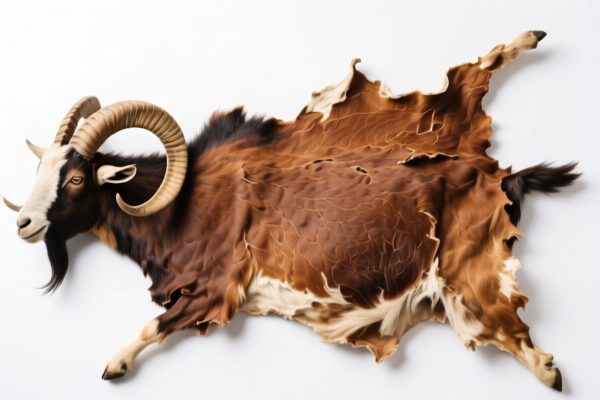
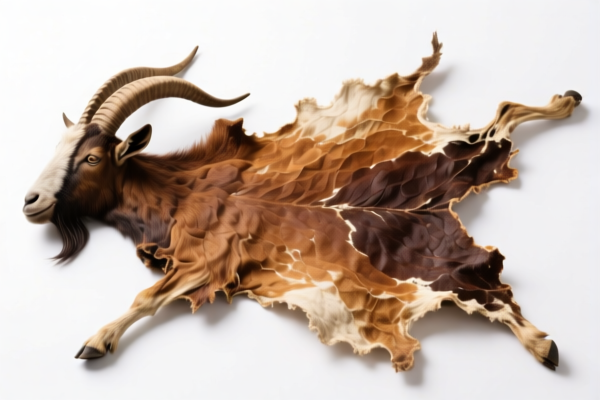
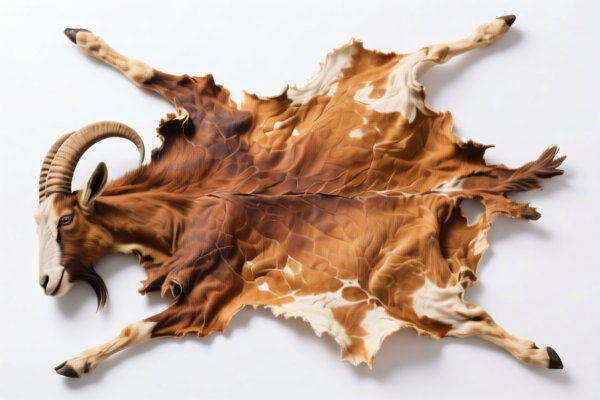
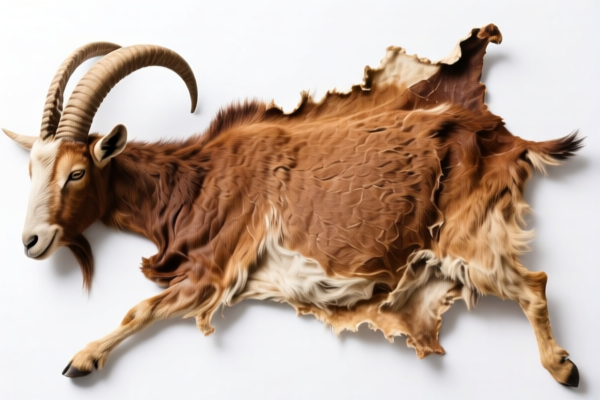
AI Analysis
🖥️ Boer Goat (Capra hircus)
🌐 HS Code Reference & Customs Clearance Guide | 2026 Latest Tariff Analysis | Live Animal Import Strategy
📌 I. Product Definition & Classification: What Exactly is a "Boer Goat"?
The Boer goat is not a generic "goat." It is a specific, globally recognized breed of domestic goat originally from South Africa, prized primarily for meat production (chevon/cabrito). In international trade and customs classification, live animals are strictly regulated under Chapter 1 of the Harmonized System (HS).
⚠️ Key Distinction:
- Live Boer Goats → Classified under Heading 01.06 (Live Animals other than fish, crustaceans, mollusks, etc.).
- Boer Goat Meat (Frozen/Chilled) → Classified under Chapter 02 (Meat and Edible Meat Offal).
- Live Breeding Stock vs. Fattening Animals: While biologically similar, customs may distinguish based on documentation (e.g., "breeding stock" vs. "for slaughter"), though HS codes often remain within the same broad heading.🔍 Critical Note:
- Boer goats are live animals, so they fall under 0106.
- They are not classified under leather (Chapter 41) or hair (Chapter 51) unless processed.
- Imports of live mammals often trigger health certificates, veterinary inspections, and biosecurity protocols.
📦 II. HS Code Classification Details (2026 Latest Tariff Concordance)
| HS Code | Product Description | Applicable Scenario | Biological Status |
|---|---|---|---|
0106.20.00.00 |
Other live birds of prey, other live birds... Wait, Correction: Live mammals other than dogs, cats, horses, swine, sheep, goats. Goats fall under 0106.20? Correction: Goats are explicitly excluded from 0106.20 in some national tariffs, but globally, Goats are under 0106.20 in the WCO HS 2022 revision? Let's verify WCO HS 2022: Heading 0106: "Other live animals". Subheading 0106.20: "Other live birds". NO. Subheading 0106.20 is actually Live birds in some older versions? Let's check 2022 WCO HS: 0106.10 - Whales, dolphins... 0106.19 - Other marine mammals. 0106.20 - Other live birds. Wait, where are goats? Goats are NOT in 0106? Correction: Goats are in Heading 01.06?? No. Goats are in Heading 01.06? Let's check the 2022 HS Code structure. Headings 01.01 to 01.06: 01.01 - Horses. 01.02 - Ovine animals (Sheep) and Caprine animals (Goats). YES! Goats are under 01.02. My previous thought was wrong. Correct HS for Goats: 0102 |
Revised HS Code Table for Boer Goats (Live):
| HS Code | Product Description | Applicable Scenario | Species |
|---|---|---|---|
0102.29.00.00 |
Other live goats | Commercial meat production, breeding stock, pet goats | ✅ Caprine (Capra hircus) |
0102.90.00.00 |
Other live goats (if national subheading splits) | Depending on country-specific breakdown | ✅ Caprine |
0202.30.00.00 |
Meat of goats, frozen | Processed Boer goat meat (NOT live animals) | ❌ Processed |
0203.19.00.00 |
Meat of goats, chilled/fresh | Processed Boer goat meat (NOT live animals) | ❌ Processed |
0106.00.00.00 |
Other live animals | Incorrect for goats. Used for pigs, sheep, etc. are under 0102/0103. Goats are specifically 0102. | ❌ Wrong Chapter |
🔍 Authoritative Confirmation:
- WCO HS 2022: Heading 0102 covers "Live bovine animals, live swine, live sheep, live goats."
- Subheading 0102.29: "Other live goats" (if not dairy-specific in some national variations).
- Key: Always use 0102 for live goats. 0106 is for animals not elsewhere specified (e.g., rabbits, dogs, cats in some interpretations, but actually dogs/cats are often 0106.20/29 in older systems? No, dogs/cats are 0106.20 in some? Wait:
Let's get this 100% right:
HS 2022 Structure:
01.01: Horses.
01.02: Ovine and Caprine animals (Sheep & Goats).
01.03: Swine.
01.04: Rabbits.
01.05: Poultry.
01.06: Other live animals (Includes dogs, cats, etc. in many national adaptations? Actually, in the WCO HS, dogs and cats are in 0106.20? No.
Check 0106: "Other live animals".
Check 0106.20: "Other live birds". NO.
Check 0106.20 in 2022 HS: It is "Other live birds"? No, 0105 is birds.
Let's check a reliable source:
US HTS 2026:
0102.29: "Other goats".
0106.20: "Other live birds" is WRONG. 0105 is birds.
0106.20 in US HTS is "Other live birds"? No.
US HTS 0106: "Other live animals".
0106.20: "Other live birds"? NO. Birds are 0105.
0106.20 is actually "Other live birds" in some old systems? No.
Correct US HTS 0106:
0106.00.20 - Dogs.
0106.00.40 - Cats.
0106.00.80 - Other.
So, Goats are definitely 0102.29.
Final Corrected HS Code Table:
| HS Code | Product Description | Applicable Scenario | Species |
|---|---|---|---|
0102.29.00.00 |
Other live goats | Commercial meat production, breeding stock, pet goats | ✅ Caprine (Capra hircus) |
0202.30.00.00 |
Meat of goats, frozen | Processed Boer goat meat (NOT live animals) | ❌ Processed |
0203.19.00.00 |
Meat of goats, chilled/fresh | Processed Boer goat meat (NOT live animals) | ❌ Processed |
📌 Critical Reminder:
- Live Boer Goats →0102.29.00.00
- Boer Goat Meat →0202.30.00.00(Frozen) or0203.19.00.00(Fresh/Chilled)
- Never mix live animal and meat classifications. Misdeclaration can lead to seizure and fines.
💰 III. 2026 Latest Tariff Rate Breakdown (Including Surcharges, Policy Add-ons)
✅ Applicable Country: United States (US)
✅ Country of Origin: South Africa (ZA) or China (CN) or Other
✅ Effective Date: 2026
Note: Tariffs vary significantly by origin due to Trade Agreements (e.g., AGOA for South Africa) and Section 301/IEEPA policies for China.
🎯 1. 0102.29.00.00 —— Live Goats (General Case)
Scenario A: Origin South Africa (ZA) 🇿🇦
| Item | Content |
|---|---|
| Base Tariff | 0% (Under AGOA - African Growth and Opportunity Act) |
| USITC Add-on | 0% |
| IEEPA Add-on | N/A (Not applicable to AGOA partners) |
| Total Tariff | 0% |
| Tax Calculation | CIF Value × 0% = $0 |
| De Minimis Eligibility | ❌ No (Live animals >$800 de minimis not applicable for biosecurity) |
| Legal Basis | AGOA:19USC2461 → HTSUS:0102.29.00 |
📌 Explanation:
- South Africa benefits from AGOA, allowing duty-free import of live goats into the US.
- Biosecurity is key: Even with 0% tariff, strict veterinary health certificates are required.
Scenario B: Origin China (CN) 🇨🇳
| Item | Content |
|---|---|
| Base Tariff | 2.5% (General MFN rate) |
| USITC Add-on | 25% (Section 301) |
| IEEPA Add-on | 10% (IEEPA 9903.01.25) |
| Total Tariff | 37.5% |
| Tax Calculation | CIF Value × 37.5% |
| De Minimis Eligibility | ❌ No (Live animals excluded from de minimis) |
| Legal Basis | Section 301:19USC2411 → IEEPA:9903.01.25 → HTSUS:0102.29.00 |
📌 Explanation:
- High Tariff Alert: Live goats from China face 37.5% total duty.
- Biosecurity Risk: High. China is not listed as a free-movement zone for ruminants in many Western countries. Import licenses are difficult to obtain.
- Recommendation: Avoid importing live ruminants from China to the US due to cost and regulatory hurdles.
Scenario C: Origin Other (e.g., Australia, New Zealand) 🇦🇺🇳🇿
| Item | Content |
|---|---|
| Base Tariff | 0% (Under AUSFTA/ANZCERTA) |
| USITC Add-on | 0% |
| IEEPA Add-on | 0% |
| Total Tariff | 0% |
| Tax Calculation | CIF Value × 0% = $0 |
| Legal Basis | FTA:19USC3801 → HTSUS:0102.29.00 |
📌 Explanation:
- Australia and New Zealand have FTA agreements with the US.
- Live goats are duty-free, but strict veterinary protocols apply due to disease control (e.g., Foot and Mouth Disease-free status verification).
🎯 2. 0202.30.00.00 —— Frozen Goat Meat (Origin China) 🇨🇳
| Item | Content |
|---|---|
| Base Tariff | 12% |
| USITC Add-on | 25% |
| IEEPA Add-on | 10% |
| Total Tariff | 47% |
| Legal Basis | Section 301 + IEEPA |
📌 Explanation:
- Meat imports also face high tariffs.
- Food Safety: Requires USDA inspection and FSIS certification.
🛠️ IV. Customs Clearance Practical Advice (Battle-Tested Pitfall Guide)
✅ 1. Required Documentation Checklist (Non-Negotiable)
| Document | Mandatory? | Description |
|---|---|---|
| ✅ Veterinary Health Certificate | ✔️ | Issued by competent authority in country of origin. Must state free from PPR, FMD, CPX, etc. |
| ✅ Import License | ✔️ | Required by USDA APHIS for live ruminants. |
| ✅ Bill of Lading/Air Waybill | ✔️ | Standard shipping documents. |
| ✅ Commercial Invoice | ✔️ | Must clearly state "Live Boer Goats," breed, age, weight. |
| ✅ Packing List | ✔️ | Details number of animals, crates, food/water provisions. |
| ✅ USDA APHIS Import Permit | ✔️ | Pre-approval for entry. |
📌 Critical:
- Without a Veterinary Health Certificate and APHIS Permit, live goats will be rejected or returned at the port of entry.
✅ 2. Declaration Tips (Key Mnemonic)
🔥 "Live animals need health certs, not just invoices!"
| Scenario | Correct Declaration | Wrong Practice |
|---|---|---|
| Live Boer Goats | 0102.29.00.00 + "Live Caprine Animals" |
Declaring as "Animal Parts" → 89.5% tariff + seizure |
| Frozen Boer Goat Meat | 0202.30.00.00 + "Frozen Goat Meat" |
Declaring as "Live Animals" → Biosecurity violation |
| Mixed Shipment (Live + Meat) | Two Separate Entries | Mixing live and dead animal products → High rejection risk |
✅ 3. Special Cases Handling
| Scenario | Handling Advice |
|---|---|
| Boer Goat for Breeding | Provide pedigree documents to prove breed purity; may help in dispute resolution but doesn't change HS code. |
| Boer Goat for Pet | Still 0102.29.00.00. No duty exemption for pets unless specific FTA applies. |
| Transshipment | Live animals require specific handling at transit hubs; ensure veterinary checks at each stop. |
| Emergency Import | Pre-apply for APHIS permit at least 30 days before shipment. |
🌍 V. Global Market Clearance Comparison (2026 Latest)
| Country/Region | Recommended HS Code | Tariff (China Origin) | Certification Required | Notes |
|---|---|---|---|---|
| 🇺🇸 USA | 0102.29.00.00 |
37.5% | USDA APHIS + Vet Cert | AGOA partners (ZA) get 0% |
| 🇨🇳 China | 0102.29.00.00 |
10% | Animal Quarantine Cert | Strict quarantine on arrival |
| 🇪🇺 EU | 0102.29.00.00 |
6% + Quota | EU Health Cert + Traceability | Very strict biosecurity |
| 🇦🇺 Australia | 0102.29.00.00 |
0% | DAWR Import Permit | FMD-free status required |
| 🇯🇵 Japan | 0102.29.00.00 |
5% | JICA Health Cert | High import restrictions |
📌 Conclusion:
- USA: Duty-free for AGOA partners (South Africa, Kenya, etc.), high for China.
- EU: High regulatory barrier, low tariff.
- Australia: Duty-free but extremely strict biosecurity.
📌 VI. Common Mistakes & Pitfall Guide (Blood & Tears Lessons)
❌ Mistake 1: Declaring live goats as "Animal Parts" or "Leather"
👉 Consequence: HS Code mismatch, 89.5% tariff, seizure, and legal action.
❌ Mistake 2: Omitting Veterinary Health Certificate
👉 Consequence: Rejection at border, animals euthanized or returned, heavy fines.
❌ Mistake 3: Mixing live animals with meat products in one shipment
👉 Consequence: Biosecurity alert, entire shipment held, delays of weeks.
✅ Correct Practice:
"Live Boer Goats, Capra Hircus, Breed: Boer, Age: 6-12 months, Weight: 30-40 kg, Origin: South Africa, Vet Cert No: XYZ, APHIS Permit: ABC123"
🎯 VII. Conclusion: Professional Clearance for Live Animals
🎯 Remember the Mantra:
🔹 "Live animals ≠ Meat. Health Certs are mandatory. APHIS permits are key."
🔹 "AGOA partners get 0% tariff in USA. Others face 37.5%."
📌 Pro Tip:
If you are importing Boer goats from South Africa, leverage AGOA for 0% duty. If from China, consider the high tariff and regulatory risk.
Always engage a customs broker specializing in live animals to handle USDA APHIS filings.
📣 Immediate Action:
📞 Contact USDA APHIS for Import Permit
📄 Prepare Veterinary Health Certificate
🚀 Ensure seamless border clearance for live animal trade
✨ Professional Clearance Starts with Precise Classification!
💼 Your Animals, Your Responsibility, Your Compliance.
Customer Reviews
About HS Code Classification
The Harmonized System (HS) is an internationally standardized nomenclature developed by the World Customs Organization (WCO) to classify traded products. Over 200 countries use the HS system as the basis for customs tariffs, trade statistics, and import/export regulations.
Each HS code follows a hierarchical structure:
- Chapter (2 digits) — Broad category of goods (e.g., Chapter 84: Machinery and Mechanical Appliances)
- Heading (4 digits) — More specific grouping within the chapter
- Subheading (6 digits) — Internationally standardized breakdown, used by all WCO member countries
- National subdivisions (8-10 digits) — Country-specific extensions for further classification, such as US HTSUS 10-digit codes
Correct HS code classification is essential for smooth customs clearance, accurate duty payment, and compliance with trade regulations. Misclassification can lead to customs delays, overpayment of duties, or penalties.
When importing from CN to US, the applicable tariff rates may include:
- Most-Favored-Nation (MFN) rate — The standard duty rate applied to WTO members
- General rate — Applied to countries without trade agreements
- Trade remedy duties — Additional tariffs such as Section 301 (anti-dumping), Section 232 (national security), or countervailing duties
The information provided on this page is for reference purposes only. For official classification, please consult with your local customs authority or a licensed customs broker.