Bolt Kit
CN → US| HS Code | Tariff Rate | Origin | Destination | Doc |
|---|---|---|---|---|
| 7318152061 | 85.0% | CN | US | Official Doc |
| 7318152010 | 85.0% | CN | US | Official Doc |
| 7318152065 | 85.0% | CN | US | Official Doc |
| 7616107030 | 40.5% | CN | US | Official Doc |
| 7616109030 | 41.0% | CN | US | Official Doc |
Product Images
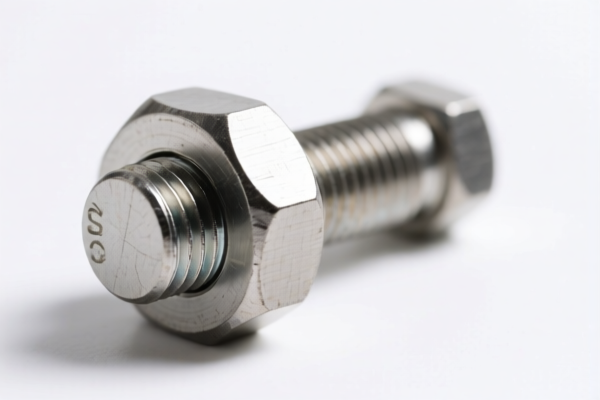
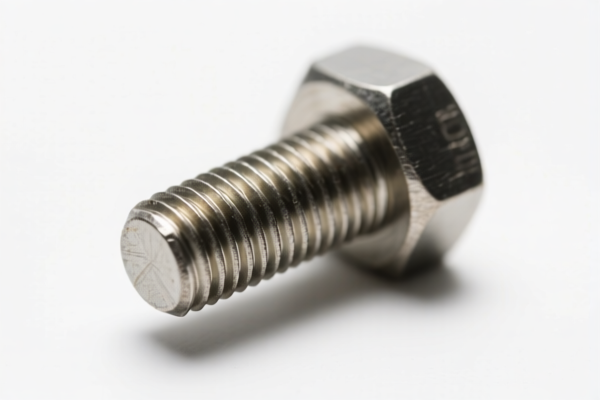
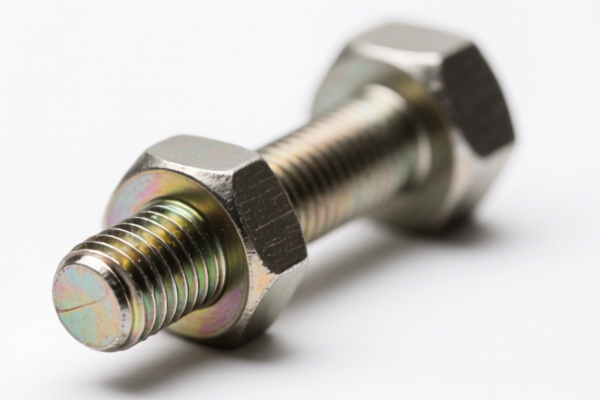
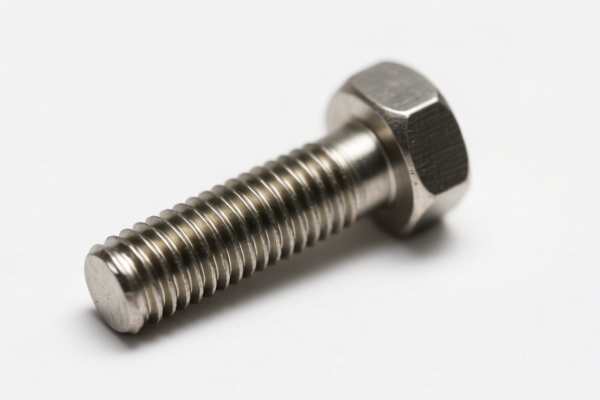
AI Analysis
🔩 Bolt Kit (Nut & Bolt Sets / Screw Kits)
🌐 HS Code Reference & Customs Clearance Guide | 2026 Latest Tariff Analysis | Professional Strategy for Metal Fasteners
📌 1. Product Definition: What Exactly is a "Bolt Kit"?
In international trade, "Bolt Kits," "Screw Sets," or "Nut & Bolt Assemblies" are classified under Threaded Products. The critical determinant for classification is MATERIAL, which drastically affects the total tax burden.
Two Main Categories: * Iron/Steel Fasteners: The most common industrial hardware. Hard, magnetic, high strength. * Aluminum/Metal Fasteners: Lightweight, corrosion-resistant, often used in aerospace, marine, or high-end electronics.
⚠️ Key Distinction Point:
- If the kit contains Iron or Steel bolts/nuts → It falls under Chapter 73 (Articles of Iron or Steel).
- If the kit contains Aluminum bolts/nuts → It falls under Chapter 76 (Articles of Aluminum).
- Do not confuse "Bolt Kits" with general hardware accessories. They are specifically classified by their material composition.
📦 2. HS Code Classification Details (2026 Authoritative Comparison)
Based on the provided data, there are 5 specific HS Codes for Bolt Kits, split into two material groups.
| HS Code | Product Description | Material Inference | Total Tax Rate | Key Characteristics |
|---|---|---|---|---|
| 7318.15.20.61 | Nut & Bolt Sets | Iron / Steel | 85.0% | Standard metal threaded products; steel-based. |
| 7318.15.20.10 | Nut & Bolt Sets | Iron / Steel | 85.0% | General category for steel bolts/nuts; high volume industrial use. |
| 7318.15.20.65 | Screw Set | Iron / Steel | 85.0% | Screw sets specifically inferred as iron/steel; similar to bolts. |
| 7616.10.70.30 | Screw Set | Aluminum / Metal | 40.5% | Threaded fasteners inferred as aluminum; lighter weight. |
| 7616.10.90.30 | Screw Set | Aluminum / Metal | 41.0% | General aluminum fasteners; forms/structures of aluminum. |
🔍 Critical Reminder:
- Steel/Iron Kits (73xx): Suffer from the highest tariff penalties (85%) due to Section 301, Section 122, and Steel/Aluminum tariffs.
- Aluminum Kits (76xx): Also face significant tariffs (40.5%–41%), but are significantly lower than steel kits.
- Misclassification Risk: Declaring an Aluminum kit as Steel to avoid "Aluminum-specific" checks is illegal and risky. Declare accurately based on material.
💰 3. 2026 Latest Tariff Rate Breakdown (Including Surtaxes & Policy Add-ons)
✅ Applicable Country: United States (US)
✅ Origin: China (CN)
✅ Effective Time: Current rates (2025–2026) apply
🎯 1. STEEL / IRON GROUP (7318.15.20.61, 7318.15.20.10, 7318.15.20.65)
| Item | Details |
|---|---|
| Base Tariff | 0.0% (Standard MFN rate for many steel fasteners) |
| Section 301 Surtax | +25.0% |
| Section 122 Tariff | +10.0% (Specific to steel/aluminum/copper products under Section 122) |
| Steel/Aluminum Surtax | +50.0% (Specific "122 Clause" for Steel/Aluminum/Copper) |
| Total Effective Rate | 85.0% |
| Calculation | CIF Value × 85% |
| De Minimis Exemption? | ❌ NO (deny_de_minimis). These items are strictly monitored. |
| Legal Basis Path | USITC:7318.15.20.xx → 301 Footnote → 122 Clause → Steel/Al Surtax |
📌 Explanation:
- 85% is EXTREMELY HIGH. This is not a normal tariff. It is a combination of multiple punitive measures.
- Section 301 (25%): Broad US-China trade war tariffs.
- Section 122 (10%) + Steel Surtax (50%): Specific laws targeting steel and aluminum imports from China.
- Result: Your cost basis increases by 85%. This makes importing steel bolt kits from China economically challenging unless passed to consumers.
🎯 2. ALUMINUM GROUP (7616.10.70.30, 7616.10.90.30)
| Item | Details |
|---|---|
| Base Tariff | 5.5% (for .70.30) / 6.0% (for .90.30) |
| Section 301 Surtax | +25.0% |
| Section 122 Tariff | +10.0% |
| Steel/Aluminum Surtax | ❌ Not Applicable (These codes do not trigger the 50% steel-specific surtax in the same way, or are grouped differently) |
| Total Effective Rate | 40.5% (for .70.30) / 41.0% (for .90.30) |
| Calculation | CIF Value × 40.5% / 41% |
| De Minimis Exemption? | ❌ NO (deny_de_minimis). |
| Legal Basis Path | USITC:7616.10.xx → 301 Footnote → 122 Clause |
📌 Explanation:
- ~40-41% is STILL HIGH, but significantly better than the 85% for steel.
- Why lower? Aluminum fasteners do not always attract the additional 50% "Steel/Aluminum Surtax" mentioned in the steel description, or the base rate is structured differently.
- Note: The tax detail for Aluminum codes does not explicitly list the "+50% Steel/Aluminum surtax" in the provided data, resulting in a lower total (40.5% vs 85%). Always verify with a customs broker.
🛠️ 4. Customs Clearance Practical Advice (Risk Avoidance Guide)
✅ 1. Required Documentation Checklist (Non-Negotiable)
| Document | Mandatory? | Purpose |
|---|---|---|
| ✅ Product Specification Sheet | ✔️ | Must clearly state MATERIAL (e.g., "Stainless Steel 304", "Aluminum 6061"). Vague terms like "Metal" will cause delays. |
| ✅ Commercial Invoice | ✔️ | Must specify "Bolt Kit" or "Nut & Bolt Set" and list quantities by size/material. |
| ✅ Packing List | ✔️ | Show individual counts. Ensure no mixed materials in one box unless declared correctly. |
| ✅ Material Test Report | ✔️ | Crucial for Steel Kits. Proves it is steel (or aluminum) to validate HS Code. Prevents misclassification penalties. |
| ✅ OEM/Brand Authorization | ✔️ | If branded (e.g., DeWalt, Snap-on), provide authorization to avoid IP infringement issues. |
✅ 2. Declaration Strategy (Critical Tips)
🔥 "Declare Material, Declare Type, Avoid 'Mixed' Traps!"
| Scenario | Correct Declaration | Common Mistake | Consequence |
|---|---|---|---|
| Steel Bolt Kit | 7318.15.20.61 (or .10/.65)Material: Steel |
Declaring as "Hardware Accessories" or "Tools" | 85% Tariff + Penalty for Misclassification |
| Aluminum Bolt Kit | 7616.10.70.30Material: Aluminum |
Declaring as Steel to "guess" lower tax | Risk of Audit: If found to be Al, you saved nothing; if found to be Steel, you face 85%. Always declare actual material. |
| Mixed Kit (Steel + Al) | Split Declaration. One entry for Steel, one for Al. |
Declaring as one single line item | Customs Rejection: Cannot mix Chapter 73 and Chapter 76 in one HS Code line. |
| Tiny Hardware (e.g., 1pc) | 7318.15.20.xx |
Claiming "De Minimis" (800 USD) | Denied! Fasteners are explicitly excluded from de minimis exemption. |
✅ 3. Special Handling for "Bolt Kits"
| Situation | Recommendation |
|---|---|
| OEM Custom Kits | Provide a diagram showing each component's material. If 90% is steel, classify as steel. |
| Stainless Steel | Still falls under Chapter 73 (Iron/Steel). Same 85% tariff applies. Do not think "Stainless" means "Free Tariff." |
| Kit Packaging | If bolts are packed in a toolbox, the toolbox might be classified separately (Ch 82 or 83), but the bolts remain Ch 73. Do not bundle them into one HS code to avoid tax. |
| Prevention of Smuggling | Customs scans for high-volume fastener imports. Ensure commercial invoice matches packing list exactly. |
🌍 5. Global Market Comparison (2026 Context)
| Country/Region | Recommended HS Code | Est. Total Tax (China Origin) | Certification | Note |
|---|---|---|---|---|
| 🇺🇸 USA | 7318.15.20.xx (Steel)7616.10.xx (Al) |
Steel: 85% Al: ~40.5% |
None specific for bolts, but FCC/UL for packaging if electronic | Highest Tariff Burden. |
| 🇨🇳 China | 7318.15.xx |
~5-10% (Import Duty) | GB Standard | Low import tax, but high domestic competition. |
| 🇪🇺 EU | 7318.15.xx |
0-6% (No Section 301) | CE (if structural) | No 25% Surtax. Much cheaper than US. |
| 🇬🇧 UK | 7318.15.xx |
0-6% | UKCA | Post-Brexit standards. |
📌 Conclusion for US Importers:
- Steel Bolt Kits from China are heavily penalized (85%).
- Aluminum Bolt Kits are also penalized (~40%), but less so.
- Strategy: Consider sourcing from Vietnam, Mexico, or Thailand to avoid Section 301/122 tariffs, or redesign product to use non-steel materials if possible.
📌 6. Common Mistakes & Pitfalls (Learn from Others' Pain)
❌ Mistake 1: Declaring "Bolt Kit" as "General Hardware" to get a lower base rate.
👉 Result: Customs classifies it under 7318.15 anyway, but adds penalty for misdeclaration. Tax stays 85% + fines.
❌ Mistake 2: Thinking "Stainless Steel" avoids tariffs.
👉 Result: Stainless steel is still Iron/Steel. It falls under 7318. Tax remains 85%.
❌ Mistake 3: Using De Minimis (800 USD) for small kits.
👉 Result: Fasteners are explicitly excluded. Your package will be seized or taxed retroactively.
❌ Mistake 4: Mixing Steel and Aluminum in one box without splitting declaration.
👉 Result: Customs will separate them, charge you the higher rate (85%) for the whole box if ambiguous, or delay for inspection.
✅ Correct Approach:
"Clear Material Declaration, Accurate HS Code, Separate Steel and Aluminum, No De Minimis Claims."
🎯 7. Conclusion: Smart Sourcing, Lower Costs
🎯 Key Takeaway:
🔹 Steel Kits = 85% Tax (Heavy Penalty)
🔹 Aluminum Kits = ~40.5% Tax (Moderate Penalty)
🔹 No Exemptions! (De Minimis denied)
📌 Recommendation:
1. Verify Material: Get a mill certificate for your bolts.
2. Choose Wisely: If aluminum is feasible, it saves ~45% in tax compared to steel.
3. Consider Alternatives: Look into sourcing from non-China origins (e.g., Vietnam) to bypass Section 301/122 tariffs.
4. Consult a Broker: Before shipping, get an Advance Ruling from US Customs if the volume is large.
📣 Immediate Action:
📞 Contact a Customs Broker + Provide Material Certificates + Prepare Detailed Packing List
🚀 Avoid the 85% Tax Trap by Declaring Correctly!
✨ Precision in Classification Saves Money in Customs!
💼 Your Supply Chain Needs Accuracy, Not Guesswork!
Customer Reviews
About HS Code Classification
The Harmonized System (HS) is an internationally standardized nomenclature developed by the World Customs Organization (WCO) to classify traded products. Over 200 countries use the HS system as the basis for customs tariffs, trade statistics, and import/export regulations.
Each HS code follows a hierarchical structure:
- Chapter (2 digits) — Broad category of goods (e.g., Chapter 84: Machinery and Mechanical Appliances)
- Heading (4 digits) — More specific grouping within the chapter
- Subheading (6 digits) — Internationally standardized breakdown, used by all WCO member countries
- National subdivisions (8-10 digits) — Country-specific extensions for further classification, such as US HTSUS 10-digit codes
Correct HS code classification is essential for smooth customs clearance, accurate duty payment, and compliance with trade regulations. Misclassification can lead to customs delays, overpayment of duties, or penalties.
When importing from CN to US, the applicable tariff rates may include:
- Most-Favored-Nation (MFN) rate — The standard duty rate applied to WTO members
- General rate — Applied to countries without trade agreements
- Trade remedy duties — Additional tariffs such as Section 301 (anti-dumping), Section 232 (national security), or countervailing duties
The information provided on this page is for reference purposes only. For official classification, please consult with your local customs authority or a licensed customs broker.