Book Cover (Paper Reinforced)
CN → US| HS Code | Tariff Rate | Origin | Destination | Doc |
|---|---|---|---|---|
| 4823908680 | 35.0% | CN | US | Official Doc |
| 4823906700 | 35.0% | CN | US | Official Doc |
| 4821904000 | 35.0% | CN | US | Official Doc |
| 3926909989 | 22.8% | CN | US | Official Doc |
| 4821902000 | 35.0% | CN | US | Official Doc |
Product Images
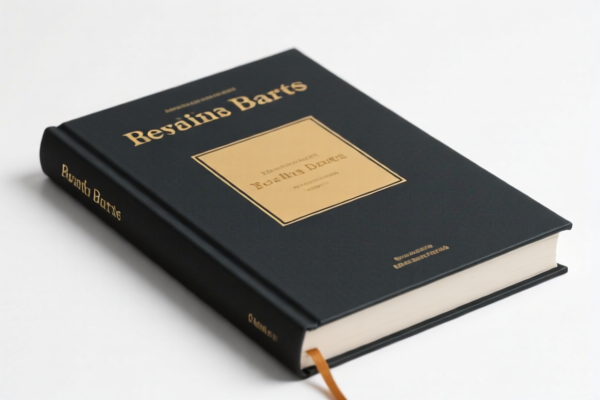
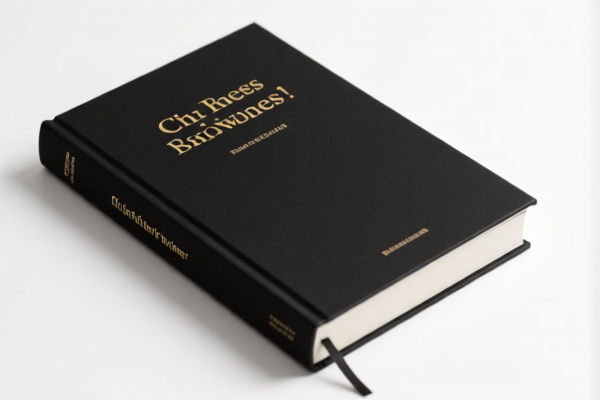


AI Analysis
📚 Book Covers (Paper Reinforced)
🌐 HS Code Reference & Customs Clearance Guide | 2026 Latest Tariff Analysis | Professional Clearance Strategy
📌 Part 1: Product Definition & Classification: Do You Really Know "Paper-Reinforced Book Covers"?
A Book Cover, especially when specified as "Paper Reinforced", is a protective outer layer for books, notebooks, or documents. In international trade, its classification depends heavily on its material composition and specific form. While the name suggests paper, variations in coating, lamination, or composite materials can lead to different HS Codes and significantly different tax liabilities.
In the context of US Customs (CBP) and current trade policies, paper-based products face specific tariff structures, including Base Tariffs, Section 301 tariffs ("Plus Tax"), and Section 122 tariffs.
⚠️ Key Distinction Point:
- If the item is pure paper/board (even if reinforced with paper fibers or simple adhesives) → It generally falls under Chapter 48 (Paper/Paperboard).
- If the item contains plastic lamination or is made of composite materials (paper + plastic film) that give it essential plastic characteristics → It may fall under Chapter 39 (Plastics).
- Specific Subheadings:4821(Paper labels/tags),4823(Cut shapes/other paper articles),3926(Other plastic articles).
📦 Part 2: HS Code Classification Details (2026 Latest Tariff Authority对照)
Based on the provided data, here are the possible classifications for "Book Cover (Paper Reinforced)":
| HS Code | Product Description & Logic | Material Form | Key Determinant |
|---|---|---|---|
4823.90.86.80 |
Other paper articles; The item is made of paper, in the form of paper products. | Paper制品 | Pure paper material definition. |
4823.90.67.00 |
Coated paper/board products; Material inferred as paper/cardboard, fitting coated paper categories. | Coated Paper/Board | If the cover has a coating (glossy/matte finish). |
4821.90.40.00 |
Paper labels/tags; "Paper" confirms material, "Book Cover" acts as a label/cardboard form. | Paper Label/Cardboard | If treated as a labeling product or thin cardboard sleeve. |
3926.90.99.89 |
Other plastic articles; Material inferred as plastic or composite, not specifically listed elsewhere. | Plastic/Composite | If laminated with plastic film or made of synthetic materials. |
4821.90.20.00 |
Paper-reinforced book covers; Explicitly described as paper-reinforced, fitting labels/paper articles. | Paper-Reinforced | Specific mention of "Paper Reinforced" aligns with paper articles. |
🔍 Critical Note:
- "Paper Reinforced" (纸质加固) typically implies the core material is still paper, possibly with added strength layers, but it does not automatically make it a plastic product unless there is significant plastic lamination.
- However, if the "reinforcement" involves plastic wrapping or heavy lamination, Customs may reclassify it under3926.
- Misclassification Risk: Declaring a plastic-laminated cover as4821/4823can lead to duty evasion penalties. Conversely, declaring pure paper as3926may result in overpayment.
💰 Part 3: 2026 Latest Tariff Rates Detailed Breakdown (Including Surtaxes)
✅ Applicable Country: United States (US)
✅ Origin: China (CN) (Note: The source data implies Chinese origin due to the specific tax combination of Base + 25% + 122%)
✅ Effective Time: Current Trade Policy (Section 301 & Section 122)
🎯 1. HS Code 4823.90.86.80 – Other Paper Articles
| Item | Content |
|---|---|
| Base Tariff | 0.0% |
| Section 301 Surtax ("Plus Tax") | +25.0% |
| Section 122 Tariff | +10.0% |
| Total Tax Rate | 35.0% |
| Tax Calculation | CIF Value × 35% |
| De Minimis Eligibility | ❌ No (Subject to high duties) |
| Legal Basis Path | Section 301: 25% → Section 122: 10% → HS: 4823.90.86.80 |
📌 Explanation:
- Paper products from China are subject to 25% Section 301 tariffs due to trade tensions.
- Additionally, a 10% Section 122 tariff applies (often related to specific national security or emergency provisions).
- Total: 35%. This is a high duty rate.
🎯 2. HS Code 4823.90.67.00 – Coated Paper Products
| Item | Content |
|---|---|
| Base Tariff | 0.0% |
| Section 301 Surtax ("Plus Tax") | +25.0% |
| Section 122 Tariff | +10.0% |
| Total Tax Rate | 35.0% |
| Tax Calculation | CIF Value × 35% |
| De Minimis Eligibility | ❌ No |
| Legal Basis Path | Section 301: 25% → Section 122: 10% → HS: 4823.90.67.00 |
📌 Note:
- Same tax structure as4823.90.86.80.
- Coating (e.g., UV, gloss, matte) does not change the tariff rate for paper products from China under current rules.
🎯 3. HS Code 4821.90.40.00 – Paper Labels/Tags
| Item | Content |
|---|---|
| Base Tariff | 0.0% |
| Section 301 Surtax ("Plus Tax") | +25.0% |
| Section 122 Tariff | +10.0% |
| Total Tax Rate | 35.0% |
| Tax Calculation | CIF Value × 35% |
| De Minimis Eligibility | ❌ No |
| Legal Basis Path | Section 301: 25% → Section 122: 10% → HS: 4821.90.40.00 |
📌 Note:
- Even if classified as a "label" or "tag," the origin (China) triggers the same surtaxes.
🎯 4. HS Code 3926.90.99.89 – Other Plastic Articles
| Item | Content |
|---|---|
| Base Tariff | 5.3% |
| Section 301 Surtax ("Plus Tax") | +7.5% |
| Section 122 Tariff | +10.0% |
| Total Tax Rate | 22.8% |
| Tax Calculation | CIF Value × 22.8% |
| De Minimis Eligibility | ❌ No |
| Legal Basis Path | Base: 5.3% → Section 301: 7.5% → Section 122: 10% → HS: 3926.90.99.89 |
📌 Crucial Comparison:
- If reclassified as Plastic (3926): The total rate drops to 22.8%.
- Why? The Section 301 surtax for some plastic articles might be lower (7.5% vs 25%), and the base rate is higher (5.3%).
- ⚠️ Warning: Do NOT misclassify paper as plastic to save 12.2% (35% - 22.8%). Customs may audit the material composition. If it’s 90% paper, it must be48xx. If it’s plastic-laminated,39xxmay be appropriate, but documentation must prove it.
🎯 5. HS Code 4821.90.20.00 – Paper-Reinforced Book Covers
| Item | Content |
|---|---|
| Base Tariff | 0.0% |
| Section 301 Surtax ("Plus Tax") | +25.0% |
| Section 122 Tariff | +10.0% |
| Total Tax Rate | 35.0% |
| Tax Calculation | CIF Value × 35% |
| De Minimis Eligibility | ❌ No |
| Legal Basis Path | Section 301: 25% → Section 122: 10% → HS: 4821.90.20.00 |
📌 Note:
- This code explicitly matches the description "Paper Reinforced Book Cover."
- It carries the same 35% effective rate.
🛠️ Part 4: Customs Clearance Practical Advice (Battle-Tested Tips)
✅ 1. Documentation Checklist (Non-Negotiable)
| Document | Required? | Explanation |
|---|---|---|
| ✅ Product Specification Sheet | ✔️ | Detail the layers: e.g., "Inner: 200gsm Cardboard, Outer: 150gsm Paper, Lamination: None or PP Film?" |
| ✅ Material Composition Breakdown | ✔️ | Critical! Must specify % of Paper vs. Plastic. If Plastic >50% or gives essential character, consider 3926. |
| ✅ High-Resolution Photos | ✔️ | Show cross-section if possible. Show texture, finish, and any labels. |
| ✅ Commercial Invoice | ✔️ | Clear description: "Paper-Reinforced Book Cover, Model XYZ, Material: 100% Paper, Coated." |
| ✅ Packing List | ✔️ | Standard format, no hidden accessories. |
✅ 2. Declaration Strategy (Key Mnemonic)
🔥 "Material Dictates Code, Plastic vs. Paper, 35% vs. 22.8%, Don't Lie to CBP!"
| Scenario | Correct Declaration | Risk of Wrong Declaration |
|---|---|---|
| Pure Paper Cover | 4821.90.20.00 or 4823.90.86.80 |
If declared as 3926, you might underpay duties? No, 3926 is 22.8% (lower). But if audited and found to be paper, you overpaid? No, wait. If you declare 3926 but it's paper, Customs will reclassify to 48xx and charge 35% + penalties. |
| Plastic-Laminated Cover | 3926.90.99.89 |
If declared as 48xx, you underpay duties (22.8% vs 35%). Customs will charge back-taxes + fines. |
| Coated Paper Cover | 4823.90.67.00 |
Safe if coating is minor. If coating is thick plastic film, reconsider 3926. |
✅ 3. Special Handling for "Paper Reinforced"
| Situation | Advice |
|---|---|
| "Reinforced" means paper fiber reinforcement | Declare as Paper (48xx). Use HS 4821.90.20.00. |
| "Reinforced" means plastic lamination | Assess if plastic gives "essential character." If yes, consider 3926. Check with broker. |
| Mixed Materials | If unsure, provide Material Safety Data Sheet (MSDS) or Supplier Declaration confirming composition. |
🌍 Part 5: Global Market Comparison (2026)
| Country/Region | Recommended HS Code (Paper) | Tariff (China Origin) | Tariff (Plastic) | Notes |
|---|---|---|---|---|
| 🇺🇸 USA | 4821/4823 |
35% (Base 0 + 25% + 10%) | 22.8% (Base 5.3 + 7.5% + 10%) | High Surtax on Paper. Plastic may be cheaper but risky if misclassified. |
| 🇪🇺 EU | 4823 |
~5-6% | ~4-6% | No Section 301/122 equivalents. Standard MFN rates apply. |
| 🇨🇳 China | 4823 |
~5-7% | ~6-10% | Lower base tariffs. |
| 🇬🇧 UK | 4823 |
~5-6% | ~4-6% | Post-Brexit, standard rates apply. |
📌 Conclusion:
- The US market is the most challenging due to the 35% effective rate for paper products from China.
- Cost Optimization: If your product is plastic-laminated,3926offers a 12.2% saving (35% - 22.8%). However, you must ensure the classification is defensible.
- Risk Management: Never misclassify. The penalty for duty evasion is far greater than the 12.2% difference.
📌 Part 6: Common Mistakes & Pitfalls (Lessons Learned)
❌ Mistake 1: Declaring a plastic-laminated book cover as 4821 (Paper) to avoid higher base rates?
👉 Result: You might pay 35% (Paper) vs 22.8% (Plastic)? Wait, no. Paper is 35%, Plastic is 22.8%. So declaring Plastic as Paper increases your tax!
👉 Correction: If it's plastic, declare 3926 to save money, but ensure it's actually plastic.
❌ Mistake 2: Declaring a pure paper book cover as 3926 (Plastic) to get the lower 22.8% rate.
👉 Result: Underpayment of Duty. Customs will audit, find 100% paper, reclassify to 4821, and charge 35% + Penalties + Interest.
👉 Correction: Be honest. If it's paper, pay the 35%.
❌ Mistake 3: Ignoring the Section 122 10% Tariff.
👉 Result: Many traders forget the 10% and only account for 25%. This leads to budget shortfalls.
👉 Correction: Always add 10% for Section 122 in the total cost calculation for China-origin goods to the US.
✅ Correct Approach:
"Book Cover, Paper-Reinforced, 100% Paper Material, Coated Surface, No Plastic Lamination. HS Code: 4821.90.20.00. Total Duty: 35%."
🎯 Part 7: Conclusion: Professional Declaration, Save Time, Reduce Cost!
🎯 Remember the Mantra:
🔹 "Paper is 35%, Plastic is 22.8%, But Lying is 100% Penalty!"
🔹 "Check the Layers, Define the Core, Avoid the Audit War!"
📌 Pro Tip:
- If your book covers are exported from Vietnam, Mexico, or Malaysia (not China), they may be exempt from Section 301 and 122 tariffs, resulting in 0-5% duty.
- Consider Supply Chain Diversification if the 35% duty on Chinese paper products makes your product uncompetitive.
- Apply for an Advance Ruling (CBP Ruling) before shipping to confirm whether your specific "Reinforced" product is Paper (48xx) or Plastic (39xx).
📣 Immediate Action:
📞 Consult a Customs Broker + Provide Material Samples + Request HS Code Pre-Ruling
🚀 Let your Book Covers pass smoothly, clear customs efficiently, and protect your profit margins!
✨ Professional Clearance Starts with Accurate Classification!
💼 Your Every Penny Should Be Calculated Precisely!
Customer Reviews
About HS Code Classification
The Harmonized System (HS) is an internationally standardized nomenclature developed by the World Customs Organization (WCO) to classify traded products. Over 200 countries use the HS system as the basis for customs tariffs, trade statistics, and import/export regulations.
Each HS code follows a hierarchical structure:
- Chapter (2 digits) — Broad category of goods (e.g., Chapter 84: Machinery and Mechanical Appliances)
- Heading (4 digits) — More specific grouping within the chapter
- Subheading (6 digits) — Internationally standardized breakdown, used by all WCO member countries
- National subdivisions (8-10 digits) — Country-specific extensions for further classification, such as US HTSUS 10-digit codes
Correct HS code classification is essential for smooth customs clearance, accurate duty payment, and compliance with trade regulations. Misclassification can lead to customs delays, overpayment of duties, or penalties.
When importing from CN to US, the applicable tariff rates may include:
- Most-Favored-Nation (MFN) rate — The standard duty rate applied to WTO members
- General rate — Applied to countries without trade agreements
- Trade remedy duties — Additional tariffs such as Section 301 (anti-dumping), Section 232 (national security), or countervailing duties
The information provided on this page is for reference purposes only. For official classification, please consult with your local customs authority or a licensed customs broker.