Bouncing Toy
CN → US| HS Code | Tariff Rate | Origin | Destination | Doc |
|---|---|---|---|---|
| 9503000013 | 10.0% | CN | US | Official Doc |
| 9503000011 | 10.0% | CN | US | Official Doc |
Product Images
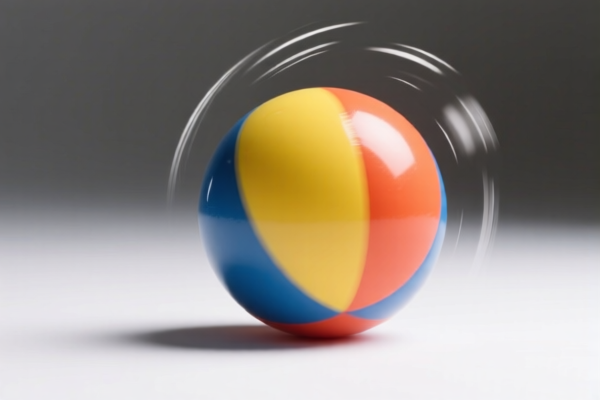
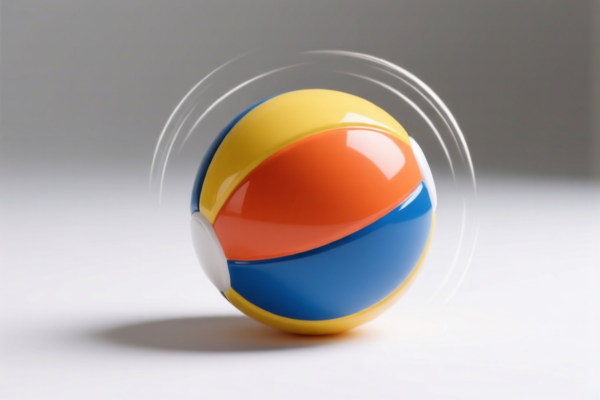
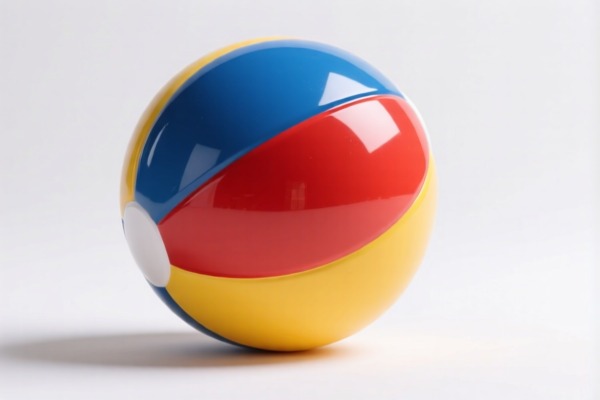
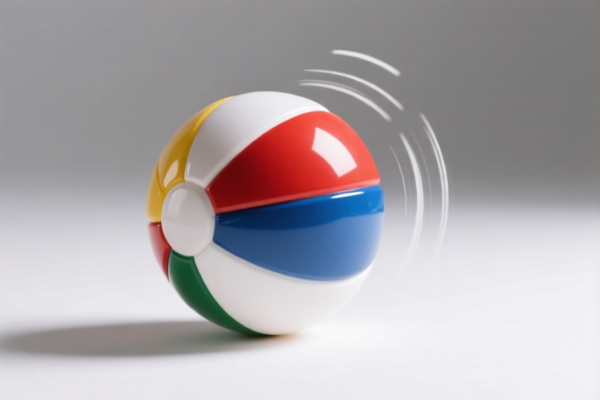
AI Analysis
🎈 Bouncing Toys (Inflatable Rubber Balls, Balloons, and Punchballs)
🌐 HS Code Reference & Customs Clearance Guide | 2026 Updated Tariff Schedule | Professional Clearance Strategy
📌 I. Product Definition & Classification: What Exactly is a "Bouncing Toy"?
In the context of international trade and US Customs (CBP), "Bouncing Toys" generally refer to inflatable toys made of rubber. This category is strictly defined under Chapter 95 of the Harmonized Tariff Schedule (HTSUS). It is crucial to distinguish these from plastic inflatable balls or non-rubber materials, as the material composition dictates the classification.
The term specifically covers: * Inflatable Toy Balls: Rubber balls designed for bouncing, playing, or punching. * Balloons: Inflatable rubber balloons (often for party use, but classified as toys if intended for play). * Punchballs: Soft, inflatable rubber targets for boxing or physical play.
⚠️ Critical Distinction:
- If the product is made of Plastic or Vinyl (PVC), it falls under different headings (e.g., 9503.00.00.15 or 9503.00.00.19).
- If it is made of Rubber and is Inflatable, it falls strictly under 9503.00.00.11 or 9503.00.00.13.
📦 II. HS Code Classification Details (2026 Latest Tariff Authority)
Based on the provided data, "Bouncing Toys" (specifically Inflatable toy balls, balloons and punchballs, of rubber) are classified based on the age group they are labeled or determined to be intended for. This is a key compliance factor under the Consumer Product Safety Act (15 U.S.C. § 2052).
| HS Code | Product Description | Age Group / Target | Key Identifier |
|---|---|---|---|
9503.00.00.11 |
Inflatable toy balls, balloons, and punchballs, of rubber | Under 3 Years of Age | Labeled/determined for toddlers/babies |
9503.00.00.13 |
Inflatable toy balls, balloons, and punchballs, of rubber | 3 to 12 Years of Age | Labeled/determined for children/older kids |
🔍 Key Compliance Note:
- "Children’s Product" Definition: Both codes fall under the definition of "Children’s Products" as defined in 15 U.S.C. § 2052. This triggers strict CPSIA (Consumer Product Safety Improvement Act) testing and labeling requirements.
- Labeling is King: The HS Code is not just about the physical object but also about the importer's determination of the target age. If a rubber ball is labeled "Ages 2-5," it must be classified under9503.00.00.13(3-12 years), not11, even if a 2-year-old could technically use it. Mislabeling age groups leads to customs delays and penalties.
💰 III. 2026 Latest Tariff Rate Breakdown (Detailed Tax Clauses)
✅ Applicable Country: United States (US)
✅ Origin: China (CN) (Assumed based on typical trade context; verify if other origins apply)
✅ Effective Time: Current Rates
🎯 1. 9503.00.00.11 —— Inflatable Rubber Toys for Children Under 3 Years
| Item | Content |
|---|---|
| Base Tariff Rate | 0.0% (ad valorem) |
| Section 301 / Additional Tariff | 0.0% |
| Total Effective Tax Rate | 0.0% |
| Tax Calculation | CIF Value × 0.0% = $0 |
| Legal Basis | HTSUS 9503.00.00.11 |
📌 Explanation:
- Currently, these specific rubber inflatables for under-3s have no base duty and no additional Section 301 tariffs applied in this specific data snippet.
- However, "Children’s Products" require CPSIA Compliance (third-party testing, tracking labels, CPC certificate). Failure to provide these documents can lead to detention, even if the tax is 0%.
🎯 2. 9503.00.00.13 —— Inflatable Rubber Toys for Children 3 to 12 Years
| Item | Content |
|---|---|
| Base Tariff Rate | 0.0% (ad valorem) |
| Section 301 / Additional Tariff | 0.0% |
| Total Effective Tax Rate | 0.0% |
| Tax Calculation | CIF Value × 0.0% = $0 |
| Legal Basis | HTSUS 9503.00.00.13 |
📌 Explanation:
- Similar to the under-3 category, these items also show a 0.0% total tax rate in the provided data.
- Crucial Warning: While the tax is zero, the regulatory burden is high. These items are still "Children’s Products." Importers must ensure:
1. ASTM F963 Compliance (Toy Safety Standard).
2. Lead Content & Phthalates testing.
3. Tracking Labels on the product and packaging.
🛠️ IV. Customs Clearance Practical Advice (Pitfall Avoidance Guide)
✅ 1. Documentation Checklist (Non-Negotiable)
| Document | Required? | Notes |
|---|---|---|
| ✅ Children’s Product Certificate (CPC) | YES | Mandatory for all items classified as "Children’s Products" under 15 U.S.C. § 2052. |
| ✅ Third-Party Lab Test Report | YES | Must be from a CPSC-accepted lab. Tests for lead, phthalates, and physical/mechanical properties (ASTM F963). |
| ✅ Product Photos | YES | Clear images of the product, label, and any inflation valves. |
| ✅ Invoice & Packing List | YES | Must clearly state "Inflatable Rubber Ball/Balloon/Punchball" and specify age range (e.g., "Ages 3-5"). |
| ✅ Import Statement of Age Determination | YES | A written statement from the importer confirming the product is intended for [Under 3] or [3-12] years. |
⚠️ Critical Alert:
- Misclassification Risk: If you declare9503.00.00.13(3-12 years) for a toy clearly marketed to toddlers, CBP may reject it or demand reclassification.
- Material Verification: Ensure the product is Rubber. If it is PVC/Vinyl, the HS Code changes, and tax rates may differ. Always check the material composition!
✅ 2. Declaration Tips (Key Phraseology)
🔥 "Be Specific: Material + Age + Type"
| Scenario | Correct Declaration | Incorrect Declaration |
|---|---|---|
| Rubber Ball for Kids 4 | Inflatable toy ball, rubber, labeled for ages 3-12 |
Rubber ball (Too vague) |
| Rubber Balloon for Party/Play | Inflatable balloon, rubber, labeled for ages under 3 |
Party balloon (May be miscategorized) |
| Punchball (Boxing Toy) | Punchball, rubber, inflatable, labeled for ages 3-12 |
Exercise equipment (Wrong chapter) |
✅ 3. Special Considerations
| Situation | Advice |
|---|---|
| Mixed Age Packaging | If a product could be used by both under 3 and 3-12, declare based on the primary target market and labeling. If ambiguous, CBP may apply the stricter "Under 3" classification or require additional safety tests. |
| Non-Rubber Materials | If the "bouncing toy" is made of Plastic (e.g., plastic bouncy balls), it does NOT fall under 9503.00.00.11/13. It may fall under 9503.00.00.15 or 9503.00.00.19. Check material! |
| Sample Shipments | Even for samples, if declared as "Children’s Products," CPSIA documentation is still required. Use a "No Commercial Value" label if applicable, but ensure safety compliance. |
🌍 V. Global Market Comparison (2026)
| Country/Region | Recommended HS Code | Tariff Rate | Certification Requirements | Notes |
|---|---|---|---|---|
| 🇺🇸 USA | 9503.00.00.11 / .13 |
0.0% | CPSIA, ASTM F963, CPC, Tracking Label | Strict age-based classification |
| 🇪🇺 EU | 9503.00.41 (Rubber toys) | Varies (0-6.5%) | CE Mark, EN71, REACH | Age warnings mandatory |
| 🇬🇧 UK | 9503.00.41 | Varies (0-6.5%) | UKCA Mark, BS EN71 | Post-Brexit rules apply |
| 🇨🇳 China | 9503.00.91 | 5-10% | CCC (if applicable) | Import duty may apply |
📌 Conclusion:
- USA offers 0% tariff for these specific rubber inflatables, but the non-tariff barriers (CPSIA, CPC, Tracking Labels) are the main hurdle.
- EU/UK have different HS codes and require CE/UKCA marking. Do not assume US clearance strategies apply globally.
📌 VI. Common Errors & Pitfalls (Lessons Learned)
❌ Error 1: Declaring a rubber ball as "Plastic Toy"
👉 Consequence: Misclassification → CBP audit, potential penalty, reclassification to wrong HTS with different duties.
❌ Error 2: Forgetting the CPC (Children’s Product Certificate)
👉 Consequence: Detention at Port. CBP will not release "Children’s Products" without a valid CPC. Goods may be abandoned or returned.
❌ Error 3: Ignoring the "Age Label" Requirement
👉 Consequence: Products without proper tracking labels or age warnings are banned from sale in the US. CBP can seize them.
❌ Error 4: Assuming All Bouncing Toys are Rubber
👉 Consequence: If it’s PVC or Plastic, the HS Code 9503.00.00.11/13 is incorrect. Check material!
✅ Correct Approach:
"Inflatable Rubber Bouncing Ball, Labeled for Ages 3-5, CPC Certified, ASTM F963 Compliant, HS Code 9503.00.00.13"
🎯 VII. Conclusion: Precision in Classification, Safety in Compliance
🎯 Remember the Golden Rules:
🔹 "Rubber Inflatables = 9503.00.00.11/13"
🔹 "Under 3 = .11 | Ages 3-12 = .13"
🔹 "Tax is 0%, but Safety Docs are Mandatory!"
🔹 "No CPC, No Clearance!"
📌 Pro Tip:
- Always verify the material composition (Rubber vs. Plastic).
- Ensure the Age Label on the product matches the HS Code declaration.
- Maintain CPC and Test Reports for 5 years after import.
📣 Immediate Action:
📞 Contact a CPSC-accepted Lab for testing.
📄 Generate your CPC before shipping.
🏷️ Apply Tracking Labels to every unit.
✨ Professional Clearance Starts with Accurate Classification!
💼 Your Profit Margin Depends on Compliance, Not Just Tariffs!
Customer Reviews
About HS Code Classification
The Harmonized System (HS) is an internationally standardized nomenclature developed by the World Customs Organization (WCO) to classify traded products. Over 200 countries use the HS system as the basis for customs tariffs, trade statistics, and import/export regulations.
Each HS code follows a hierarchical structure:
- Chapter (2 digits) — Broad category of goods (e.g., Chapter 84: Machinery and Mechanical Appliances)
- Heading (4 digits) — More specific grouping within the chapter
- Subheading (6 digits) — Internationally standardized breakdown, used by all WCO member countries
- National subdivisions (8-10 digits) — Country-specific extensions for further classification, such as US HTSUS 10-digit codes
Correct HS code classification is essential for smooth customs clearance, accurate duty payment, and compliance with trade regulations. Misclassification can lead to customs delays, overpayment of duties, or penalties.
When importing from CN to US, the applicable tariff rates may include:
- Most-Favored-Nation (MFN) rate — The standard duty rate applied to WTO members
- General rate — Applied to countries without trade agreements
- Trade remedy duties — Additional tariffs such as Section 301 (anti-dumping), Section 232 (national security), or countervailing duties
The information provided on this page is for reference purposes only. For official classification, please consult with your local customs authority or a licensed customs broker.