Bovine Leather Scraps Shoe Material
CN → US| HS Code | Tariff Rate | Origin | Destination | Doc |
|---|---|---|---|---|
| 4104111020 | 35.0% | CN | US | Official Doc |
| 4107111020 | 35.0% | CN | US | Official Doc |
| 4107121020 | 35.0% | CN | US | Official Doc |
| 4104114010 | 15.0% | CN | US | Official Doc |
| 4115200000 | 17.5% | CN | US | Official Doc |
Product Images
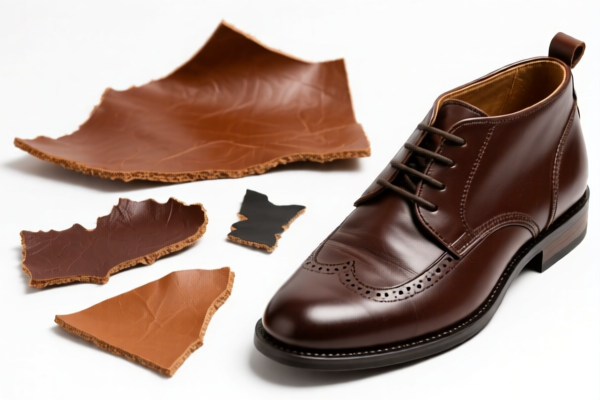
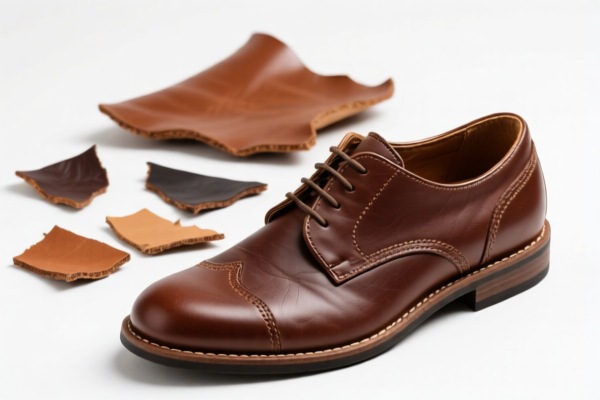
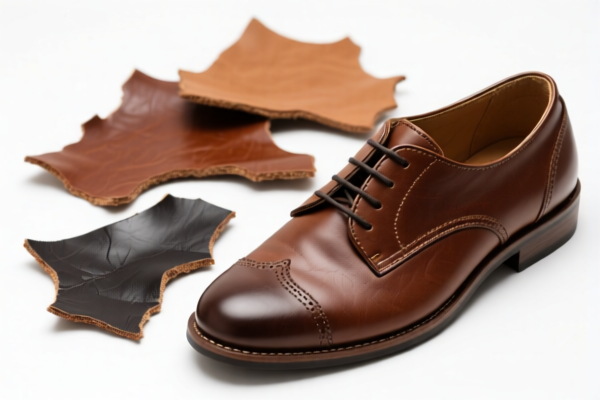
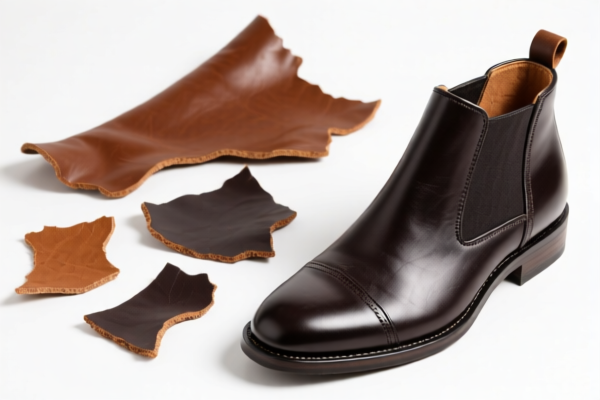
AI Analysis
👞 Bovine Leather Scraps & Shoe Materials: HS Code Classification & Customs Clearance Guide (2026)
🌐 HS Code Reference & Customs Guide | 2026 Latest Tariff Analysis | Professional Clearance Strategy
📌 I. Product Definition & Classification: Do You Really Understand "Bovine Leather for Shoes"?
Bovine leather is the cornerstone of the footwear industry. In international trade, it is strictly categorized not just by "leather," but by its state (form), treatment process, and specific end-use.
1. Finished Leather for Upper Parts (Shoe Uppers):
- High-quality, treated leather sheets used for making the visible part of shoes.
- Includes split leather, full-grain, and corrected grain leathers.
- Key Distinction: If it is a flat sheet prepared for cutting into shoe uppers, it generally falls under Chapter 41, Heading 41.04 or 41.07.
2. Leather Scraps/Offcuts for Cushioning:
- Fragmented or shredded bovine leather used as filler material.
- Key Distinction: Must be explicitly for non-structural purposes (e.g., stuffing seats, cushions).
⚠️ Critical Differentiation:
- If the product is flat, finished leather intended for shoe uppers →归入 4104.xx.xx.x0 or 4107.xx.xx.x0.
- If the product is shredded/scrap leather intended for cushion filling → 归入 4115.20.00.00.
- Misclassification Risk: Declaring leather scraps as "shoe leather" to avoid higher duties on specific forms is a major red flag for customs.
📦 II. HS Code Classification Details (2026 Latest Tariff Authority Comparison)
| HS Code | Product Description | Application Scenario | State/Form | Duty Rate (China→US) |
|---|---|---|---|---|
4104.11.10.20 |
Bovine leather for shoes, material is bovine leather, form is leather material, use is for shoes. | Finished bovine leather sheets/pieces specifically for shoe uppers. | Leather Material (皮料) | 35.0% |
4107.11.10.20 |
Bovine leather for shoes, material is bovine leather, form is leather, use is for shoes. | Treated/finished bovine leather sheets for shoe uppers. | Leather (皮革) | 35.0% |
4107.12.10.20 |
Bovine leather for shoes, material is bovine leather, use is for shoe leather material. | General bovine leather intended for shoe manufacturing. | Leather Material (皮料) | 35.0% |
4104.11.40.10 |
Bovine leather for shoes, material is bovine, use is for shoe upper leather. | Specific bovine leather designated as "shoe upper leather" (鞋面革). | Leather Material | 15.0% |
4115.20.00.00 |
Bovine leather scraps for seat cushions, material is bovine leather, form is scraps, use is for filling seat cushions. | Shredded/fragmented bovine leather used as filler for automotive or furniture seats. | Scraps/Fillers (碎料) | 17.5% |
🔍 Key Reminder:
- Forms Matter:4104vs.4107often distinguishes between different types of tanning or processing states. Ensure your technical datasheet matches the description.
- End-Use is King: If you declare4115.20.00.00(scraps for seats) but the physical goods are shoe uppers, customs will reclassify you, leading to penalties.
-4104.11.40.10offers a significantly lower base tax (5% base + 10% Section 301 = 15%), but the description "鞋面革" (Shoe Upper Leather) must be strictly accurate.
💰 III. 2026 Latest Tariff Rate Breakdown (Including Additional Taxes & Policy Surcharges)
✅ Applicable Country: United States (US)
✅ Country of Origin: China (CN)
✅ Effective Date: From November 10, 2025 (including subsequent imports)
🎯 1. 4104.11.10.20 & 4107.11.10.20 & 4107.12.10.20 —— Standard Bovine Leather for Shoes
| Item | Content |
|---|---|
| Base Tariff | 0% (ad valorem) |
| Section 301 Additional Duty | +25% (Under USITC Footnote 9903.88.01) |
| Section 122 Duty (IEEPA) | +10% (Targeting China/HK products, effective Nov 10, 2025) |
| Total Tariff | 35.0% |
| Tax Calculation | CIF Value × 35% |
| De Minimis Eligibility | ❌ No (deny_de_minimis) |
| Legal Basis Path | IEEPA:9903.01.25 → IEEPA:9903.01.24 → USITC:4104/4107 codes → FOOTNOTE:9903.88.01 |
📌 Explanation:
- "Section 301 Additional Duty 25%": Arises from the U.S. Trade Act Section 301 investigations.
- "Section 122 Duty 10%": Refers to specific emergency tariffs or retaliatory measures targeting Chinese imports.
- Total 35%: This is a high cost item. Margin protection is critical.
🎯 2. 4104.11.40.10 —— Bovine Leather for Shoe Uppers (鞋面革)
| Item | Content |
|---|---|
| Base Tariff | 5% |
| Section 301 Additional Duty | 0% |
| Section 122 Duty (IEEPA) | +10% |
| Total Tariff | 15.0% |
| Tax Calculation | CIF Value × 15% |
| De Minimis Eligibility | ❌ No |
| Legal Basis Path | IEEPA:9903.01.24 → USITC:4104.11.40.10 |
📌 Note:
- This code has a much lower total rate (15%) compared to the 35% codes above.
- Crucial Condition: The product MUST be classified specifically as "鞋面革" (Shoe Upper Leather). It cannot be generic "shoe leather material" or "raw hide." The description in the commercial invoice must precisely match this technical designation.
🎯 3. 4115.20.00.00 —— Bovine Leather Scraps for Seat Cushions
| Item | Content |
|---|---|
| Base Tariff | 0% |
| Section 301 Additional Duty | +7.5% |
| Section 122 Duty (IEEPA) | +10% |
| Total Tariff | 17.5% |
| Tax Calculation | CIF Value × 17.5% |
| De Minimis Eligibility | ❌ No |
| Legal Basis Path | IEEPA:9903.01.24 → USITC:4115.20.00.00 → FOOTNOTE:9903.75.00 |
📌 Note:
- This category applies ONLY to scraps/fillers (碎料) used for cushions/seats.
- If you import leather offcuts meant for recycling into other leather goods, they may still be classified as leather waste (4115.10) or misclassified, leading to disputes. Ensure the end-use is clearly filling material.
🛠️ IV. Customs Clearance Practical Advice (Real-World Pitfall Avoidance Guide)
✅ 1. Documentation Checklist (None Can Be Missing)
| Document | Required | Description |
|---|---|---|
| ✅ Product Specification Sheet | ✔️ | Must detail: Material (100% Bovine), Treatment (Tanned/Finished), Form (Sheet/Scrap), End-Use (Shoe Upper/Cushion Fill). |
| ✅ Technical Data Sheet (TDS) | ✔️ | Differentiates "Shoe Upper Leather" (4104.11.40.10) from generic leather. |
| ✅ Product Photos (Clear & Labeled) | ✔️ | Show texture, thickness, and any markings indicating use. For scraps, show the fragmented nature. |
| ✅ Commercial Invoice | ✔️ | Must use precise English descriptions matching the HS Code. ❌ Avoid vague terms like "Leather Goods." ✅ Use: "Bovine Leather Material for Shoe Uppers" or "Bovine Leather Scraps for Seat Cushion Filling." |
| ✅ Packing List | ✔️ | Detail weight and volume. For scraps, ensure packaging prevents contamination. |
| ✅ Certificate of Origin (CO) | ✔️ | Essential for proving Chinese origin to apply/add the correct surcharges. |
✅ 2. Declaration Tips (Critical Mnemonics)
🔥 “Form Defines Code, Use Defines Tax!”
| Scenario | Correct Declaration | Error to Avoid |
|---|---|---|
| Finished Leather Sheets for Shoes | 4104.11.10.20 or 4107.11.10.20 (35%) |
Misclassifying as 4104.11.40.10 to save tax → Audit Risk! |
| Specific Shoe Upper Leather (Shoe Upper Grade) | 4104.11.40.10 (15%) |
Declaring as general "leather" → 35% (Overpaying) OR Misuse → Penalties |
| Shredded Leather for Cushions | 4115.20.00.00 (17.5%) |
Declaring scraps as "shoe leather" → Wrong End-Use, Rejection/Fine |
| Raw/Unprocessed Hides | Different Code (Not in List) | Do not use finished leather codes for raw hides. |
✅ 3. Special Case Handling
| Situation | Handling Advice |
|---|---|
| Mixed Shipments | If a container contains both shoe leather and seat cushion scraps, declare separately. Do not mix into one line item. |
| OEM Custom Leather | Provide the customer’s design specs showing the leather is destined for shoe uppers. This supports the 4104.11.40.10 classification if applicable. |
| "Scraps" Definition | Ensure "scraps" (4115.20.00.00) are truly unusable for shoe uppers. If they are large offcuts suitable for small shoes, customs may reclassify them as 4107.xxxx (35%). |
| Section 122 Compliance | Since 122 duties are new/higher, ensure your supplier’s declaration aligns with the latest 2025/2026 tariff schedules. |
🌍 V. Global Customs Clearance Comparison (2026 Latest)
| Country/Region | Recommended HS Code | Tariff (China Origin) | Certification | Remarks |
|---|---|---|---|---|
| 🇺🇸 USA | 4104.11.10.20 / 4104.11.40.10 |
35% (Standard) 15% (Shoe Upper) |
No specific FDA/CE, but strict HS accuracy | High scrutiny on "Section 122" eligibility. |
| 🇨🇳 China | 4104.11.10.20 |
5-10% (Import Duty) | N/A | Lower base duties; focus on domestic VAT. |
| 🇪🇺 EU | 4107 series |
4% - 6% | REACH (Chemical Compliance) | No Section 301/122 equivalents. |
| 🇬🇧 UK | 4107 series |
4% - 6% | UK REACH | Post-Brexit rules align closely with EU but require UK-specific certs. |
📌 Conclusion:
- The US is the highest-cost market due to Section 301 + Section 122 duties.
- Optimization Strategy: If your leather qualifies as "鞋面革" (Shoe Upper Leather), strive to classify under4104.11.40.10to reduce tariff from 35% to 15%. This requires robust technical documentation.
- For Scraps: Ensure the end-use is genuinely for cushions/fillers to utilize the 17.5% rate. Do not use this code for shoe materials.
📌 VI. Common Errors & Pitfalls Guide (Lessons from Blood & Tears)
❌ Mistake 1: Declaring high-quality shoe leather as "Leather Scraps" to get the 17.5% rate.
👉 Consequence: Customs inspects, finds it’s usable for shoes, reclassifies to 4104/4107 → Back taxes + 25% penalty.
❌ Mistake 2: Using vague descriptions like "Leather Material" on the invoice.
👉 Consequence: Customs cannot determine the specific sub-heading → Delays, storage fees, or reclassification to highest duty rate.
❌ Mistake 3: Ignoring the "Section 122" 10% surcharge in cost calculations.
👉 Consequence: Profit margins evaporate overnight because the 10% was not factored into the FOB/CIF price.
❌ Mistake 4: Mixing "Shoe Upper Leather" (4104.11.40.10) with general leather in one HS code declaration.
👉 Consequence: If the bulk doesn’t match the "Shoe Upper" specification, the whole shipment may be flagged.
✅ Correct Practice:
"BoVine Leather Sheet, Tanned, Dye Penetrated, For Shoe Upper (Classified as Shoe Upper Leather), Model X, CN Origin"
🎯 VII. Conclusion: Precise Classification Saves Money!
🎯 Remember the Mantra:
🔹 "Form & Use Determine Code"
🔹 "Shoe Upper = 15% (If Qualifying); General Leather = 35%"
🔹 "Scraps for Cushions = 17.5%; Never Mix Uses"
🔹 "Invoice Must Match HS Code Exactly"
📌 Pro Tip:
If you are unsure whether your leather qualifies as "Shoe Upper Leather" (鞋面革) under 4104.11.40.10, request a Pre-Ruling (Advance Ruling) from CBP. The potential savings from 35% to 15% are massive.
For scraps, ensure the supplier provides a Material Test Report proving they are unsuitable for structural shoe parts.
📣 Immediate Action:
📞 Engage a licensed Customs Broker + Provide Technical Datasheets + Apply for Pre-Ruling if using
4104.11.40.10.
🚀 Ensure your Commercial Invoice uses the exact English descriptions mapped above to avoid delays.
✨ Professional Customs Clearance Starts with Accurate Classification!
💼 Every percentage point of duty matters to your bottom line!
Customer Reviews
About HS Code Classification
The Harmonized System (HS) is an internationally standardized nomenclature developed by the World Customs Organization (WCO) to classify traded products. Over 200 countries use the HS system as the basis for customs tariffs, trade statistics, and import/export regulations.
Each HS code follows a hierarchical structure:
- Chapter (2 digits) — Broad category of goods (e.g., Chapter 84: Machinery and Mechanical Appliances)
- Heading (4 digits) — More specific grouping within the chapter
- Subheading (6 digits) — Internationally standardized breakdown, used by all WCO member countries
- National subdivisions (8-10 digits) — Country-specific extensions for further classification, such as US HTSUS 10-digit codes
Correct HS code classification is essential for smooth customs clearance, accurate duty payment, and compliance with trade regulations. Misclassification can lead to customs delays, overpayment of duties, or penalties.
When importing from CN to US, the applicable tariff rates may include:
- Most-Favored-Nation (MFN) rate — The standard duty rate applied to WTO members
- General rate — Applied to countries without trade agreements
- Trade remedy duties — Additional tariffs such as Section 301 (anti-dumping), Section 232 (national security), or countervailing duties
The information provided on this page is for reference purposes only. For official classification, please consult with your local customs authority or a licensed customs broker.