Bovine Leather Scraps for Automotive Interiors
CN → US| HS Code | Tariff Rate | Origin | Destination | Doc |
|---|---|---|---|---|
| 4104415000 | 13.3% | CN | US | Official Doc |
| 4107125000 | 12.8% | CN | US | Official Doc |
| 4107925000 | 12.8% | CN | US | Official Doc |
| 4104115070 | 13.3% | CN | US | Official Doc |
| 4104415000 | 13.3% | CN | US | Official Doc |
Product Images
AI Analysis
🚗 Automotive Leather Scraps (Bovine Leather for Interiors)
HS Code Reference & Clearance Guide | 2026 Latest Tariff Analysis | Professional Customs Strategy
📌 I. Product Definition & Classification: What Are "Bovine Leather Scraps"?
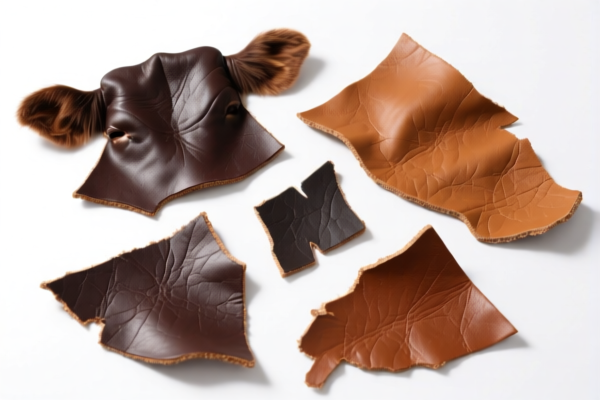
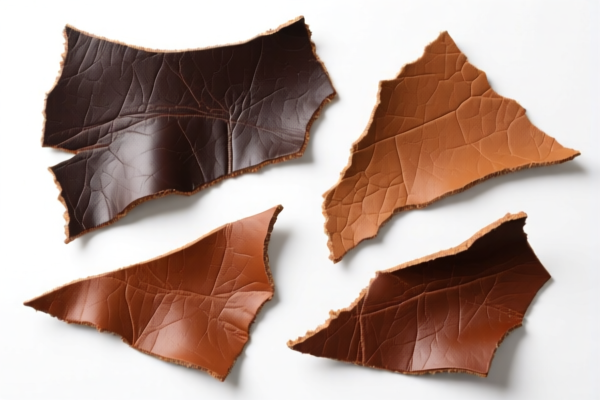
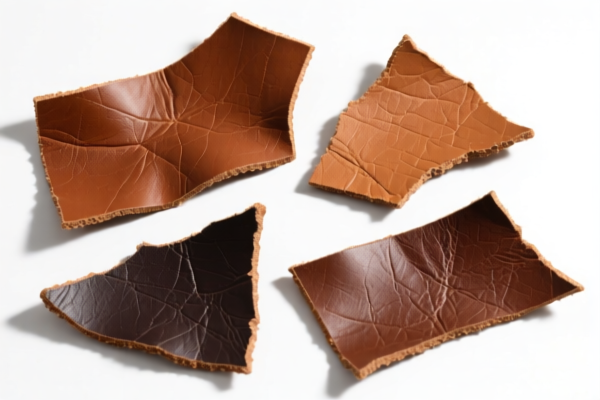
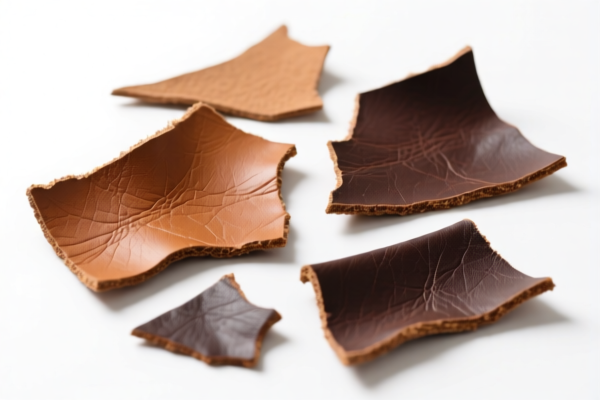
Bovine Leather Scraps refer to the by-products of bovine leather processing, specifically the splits (劈层) or layered skins (分层皮) obtained when full-grain leather is split to achieve specific thicknesses. In the automotive industry, these are critical raw materials for: * Seat Upholstery: Lower layers for comfort layers or backing. * Door Panels & Dashboard Accents: Decorative trim pieces. * Interior Accessories: Armrests, steering wheel covers, and gear shift boots.
⚠️ Key Distinction:
- "Scraps" vs. "Finished Leather": These are not finished, dyed, or tanned leather goods ready for immediate sewing. They are semi-processed materials (splits/layers).
- "Bovine" Specificity: Must be clearly identified as cow/horse skin, not synthetic or other animal skins.
- Usage: The classification heavily depends on the physical form (split vs. layered) and the intended use (auto parts vs. general decoration).
📦 II. HS Code Classification Details (2026 Latest Tariff Authority Match)
Based on the provided data, the correct HS Codes depend on the specific technical characteristics of the leather scraps. Note that two entries share the same code but differ in summary description; we will list them as distinct entries for clarity.
| HS Code | Product Description (From Data) | Key Characteristics | Intended Use |
|---|---|---|---|
4104.41.50.00 |
Bovine leather splits for automotive interiors | Material: Bovine; Form: Split/Layered | Automotive interior accessories |
4107.12.50.00 |
Bovine leather splits for automotive interiors (Decorative) | Material: Bovine; Form: Split/Layered | Decorative applications |
4107.92.50.00 |
Bovine leather splits (De-split) | Material: Bovine; Form: De-split/Pierced Layer | Decorative use |
4104.11.50.70 |
Bovine leather splits for auto parts | Material: Bovine; Form: De-split | Auto parts |
4104.41.50.00 |
Bovine leather splits for auto parts | Material: Bovine; Form: Split/Layered | Auto parts |
🔍 Critical Insight:
- The prefix4104vs.4107often distinguishes between Chrome-tanned vs. Vegetable-tanned or specific processing states.
-4104.41.50.00appears twice in the data with different summaries. Ensure your physical sample matches the "Automotive Interior Accessories" or "Auto Parts" description precisely.
- "Split" (分层皮) and "De-split" (劈层) are technically similar but may be categorized differently based on the thickness and commercial specification.
💰 III. 2026 Latest Tariff Rate Breakdown (Detailed Tax Clauses)
✅ Applicable Country: United States (US)
✅ Country of Origin: China (CN) (Assumed based on "122 Clause" and typical trade context)
✅ Effective Date: Current rates apply as per 2026 trade policy
🎯 1. HS Code 4104.41.50.00 – Bovine Leather Splits (Auto Interiors/Parts)
This is the most common classification for automotive leather splits.
| Item | Details |
|---|---|
| Base Tariff Rate | 3.3% (Ad Valorem) |
| Additional Tariff (Section 301) | 0.0% (No specific 301 tariff listed for this subheading in the data) |
| Section 122 Tariff | 10% (Specific clause for certain leather products) |
| Total Effective Tariff | 13.3% |
| Tax Calculation | CIF Value × 13.3% |
| Legal Basis | Base Rate (3.3%) + Section 122 (10%) |
📌 Explanation:
- The 10% "122 Clause" is a specific additional duty often applied to certain Chinese imports under specific trade enforcement sections (Section 122 of the Tariff Act).
- Total 13.3% is significantly lower than the 45% rate for electronic displays, making this a moderately taxed category.
🎯 2. HS Code 4107.12.50.00 – Bovine Leather Splits (Decorative)
| Item | Details |
|---|---|
| Base Tariff Rate | 2.8% (Ad Valorem) |
| Additional Tariff (Section 301) | 0.0% |
| Section 122 Tariff | 10% |
| Total Effective Tariff | 12.8% |
| Tax Calculation | CIF Value × 12.8% |
| Legal Basis | Base Rate (2.8%) + Section 122 (10%) |
📌 Note:
- Slightly lower base rate (2.8%) compared to4104.41.50.00(3.3%).
- Applicable if the leather is classified under Chapter 41.07 (Other leather) and used for decorative purposes.
🎯 3. HS Code 4107.92.50.00 – Bovine Leather De-split
| Item | Details |
|---|---|
| Base Tariff Rate | 2.8% (Ad Valorem) |
| Additional Tariff (Section 301) | 0.0% |
| Section 122 Tariff | 10% |
| Total Effective Tariff | 12.8% |
| Tax Calculation | CIF Value × 12.8% |
📌 Note:
- Same tax structure as4107.12.50.00.
- "De-split" (劈层) implies a specific mechanical separation process. Ensure your technical data sheet specifies this process.
🎯 4. HS Code 4104.11.50.70 – Bovine Leather Splits (Auto Parts)
| Item | Details |
|---|---|
| Base Tariff Rate | 3.3% (Ad Valorem) |
| Additional Tariff (Section 301) | 0.0% |
| Section 122 Tariff | 10% |
| Total Effective Tariff | 13.3% |
| Tax Calculation | CIF Value × 13.3% |
📌 Note:
- Same tax rate as4104.41.50.00.
- The difference lies in the subheading detail (.11.50.70vs.41.50.00), which may reflect different processing methods (e.g., crust leather vs. tanned splits).
🛠️ IV. Customs Clearance Practical Advice (Avoid Pitfalls)
✅ 1. Required Documentation Checklist
| Document | Mandatory? | Purpose |
|---|---|---|
| ✅ Commercial Invoice | ✔️ | Must clearly state: "Bovine Leather Splits," "For Automotive Interiors," and material origin. |
| ✅ Packing List | ✔️ | Detail weight, volume, and number of hides/sheets. |
| ✅ Certificate of Origin | ✔️ | To prove Chinese origin (and thus apply Section 122 correctly). |
| ✅ Product Specification Sheet | ✔️ | Crucial: Must describe: 1. Animal source (Bovine) 2. Processing state (Split/Layered/De-split) 3. Tanning method (Chrome/Veg) 4. Thickness 5. Intended use (Auto Interior) |
| ✅ Test Report | ⚠️ Recommended | For chemical compliance (e.g., Chrome VI, PAHs) if required by auto OEMs or US regulations. |
✅ 2. Declaration Tips (Golden Rules)
🔥 "Be Specific, Don't Be Generic!"
| Scenario | Correct Declaration | Wrong Declaration |
|---|---|---|
| General Leather Scrap | "Bovine Leather Splits, Split Type, for Auto Interiors" | "Leather Scrap" → May be misclassified as waste (high risk) |
| Thickness Ambiguity | Specify thickness in mm (e.g., 0.8mm split) | "Thin Leather" → Customs may reclassify |
| Usage | Explicitly state "Automotive Interior" | "General Purpose" → May trigger different HS code |
| Origin | Clearly mark "Made in China" | Omitting origin → Delays + Potential penalties |
✅ 3. Special Considerations
| Situation | Advice |
|---|---|
| OEM Custom Splits | Provide OEM purchase orders showing the leather is tailored for auto parts (thickness, grain, dye lot). |
| Mixed Shipments | If shipping with finished leather goods, declare separately. Mixed declarations lead to delays and potential audits. |
| Section 122 Impact | The 10% Section 122 tariff is non-negotiable for Chinese-origin goods. Factor this into your pricing strategy. |
| Chrome VI Compliance | US and EU have strict limits on Chrome VI in leather. Ensure your supplier provides a compliance certificate to avoid detention. |
🌍 V. Global Market Comparison (2026)
| Country/Region | Recommended HS Code | Tariff Rate | Key Requirements | Notes |
|---|---|---|---|---|
| 🇺🇸 USA | 4104.41.50.00 / 4107.12.50.00 |
12.8% - 13.3% | Section 122 Apply | High compliance need; specify auto-use. |
| 🇨🇳 China | 4104.41.50.00 |
Varies | Import License | Check latest Chinese tariff schedule for import duties. |
| 🇪🇺 EU | 4104.41 |
~2.7% | REACH Compliance | No Section 122. Focus on chemical safety. |
| 🇲🇽 Mexico | 4104.41.50.00 |
0-5% | USMCA Rules | If processed in NAFTA region, may qualify for zero tariff. |
📌 Conclusion:
- USA is the most complex due to Section 122.
- EU is simpler on tariffs but strict on environmental/chemical standards.
- Accuracy in description is the #1 factor to avoid classification disputes.
📌 VI. Common Mistakes & Pitfalls (Lessons Learned)
❌ Mistake 1: Declaring as "Leather Scraps" or "Waste"
👉 Consequence: Misclassification risk; potential duty evasion penalties; shipment rejection.
✅ Fix: Use precise terms like "Bovine Leather Splits" or "Layered Bovine Leather."
❌ Mistake 2: Ignoring the "Split" vs. "Whole" distinction
👉 Consequence: Wrong HS Code → Incorrect tax rate → Customs audit.
✅ Fix: Provide technical sheets showing the leather has been mechanically split.
❌ Mistake 3: Omitting "Automotive Interior" purpose
👉 Consequence: Customs may classify as general decorative leather, leading to different HS codes.
✅ Fix: Explicitly state end-use in invoice and commercial documents.
❌ Mistake 4: Assuming Section 122 doesn't apply
👉 Consequence: Underpayment of duties → Post-entry audit + back taxes + interest.
✅ Fix: Always check if Section 122 applies to Chinese-origin leather products.
🎯 VII. Conclusion: Precision is Profit
🎯 Remember:
🔹 "Leather is not just leather." It's about animal source, processing state (split/layer), and end-use (auto/decor).
🔹 "Section 122 is real." 10% extra duty for Chinese goods cannot be ignored.
🔹 "Documentation is king." A clear spec sheet prevents 90% of customs delays.
📌 Pro Tip:
If you are exporting to the US, ensure your supplier provides a Chrome VI test report and a detailed material specification. For Mexico or Canada, leverage USMCA rules if the leather is processed within North America to achieve 0% tariffs.
📣 Immediate Action:
📞 Verify your HS Code with a licensed customs broker before shipment.
📄 Prepare a detailed Product Data Sheet (Material, Process, Use, Origin).
💰 Calculate Total Landed Cost including the 13.3% tariff (or 12.8%).
✨ Expert Customs Clearance Starts with Accurate Classification!
💼 Don't let hidden duties eat your profit margins!
Customer Reviews
About HS Code Classification
The Harmonized System (HS) is an internationally standardized nomenclature developed by the World Customs Organization (WCO) to classify traded products. Over 200 countries use the HS system as the basis for customs tariffs, trade statistics, and import/export regulations.
Each HS code follows a hierarchical structure:
- Chapter (2 digits) — Broad category of goods (e.g., Chapter 84: Machinery and Mechanical Appliances)
- Heading (4 digits) — More specific grouping within the chapter
- Subheading (6 digits) — Internationally standardized breakdown, used by all WCO member countries
- National subdivisions (8-10 digits) — Country-specific extensions for further classification, such as US HTSUS 10-digit codes
Correct HS code classification is essential for smooth customs clearance, accurate duty payment, and compliance with trade regulations. Misclassification can lead to customs delays, overpayment of duties, or penalties.
When importing from CN to US, the applicable tariff rates may include:
- Most-Favored-Nation (MFN) rate — The standard duty rate applied to WTO members
- General rate — Applied to countries without trade agreements
- Trade remedy duties — Additional tariffs such as Section 301 (anti-dumping), Section 232 (national security), or countervailing duties
The information provided on this page is for reference purposes only. For official classification, please consult with your local customs authority or a licensed customs broker.