Bovine Leather Travel Bags
CN → US| HS Code | Tariff Rate | Origin | Destination | Doc |
|---|---|---|---|---|
| 4202110030 | 43.0% | CN | US | Official Doc |
| 4202110090 | 43.0% | CN | US | Official Doc |
| 4107117050 | 15.0% | CN | US | Official Doc |
| 4107127050 | 15.0% | CN | US | Official Doc |
Product Images
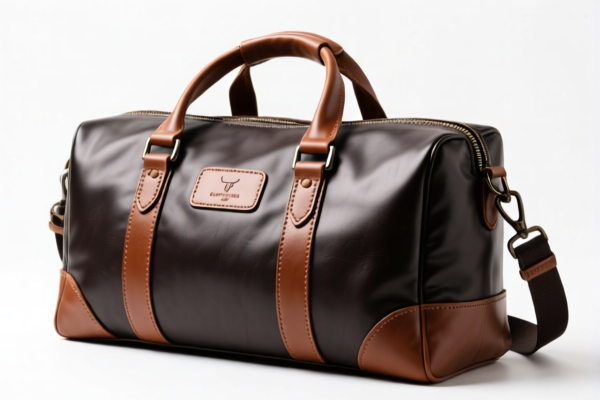
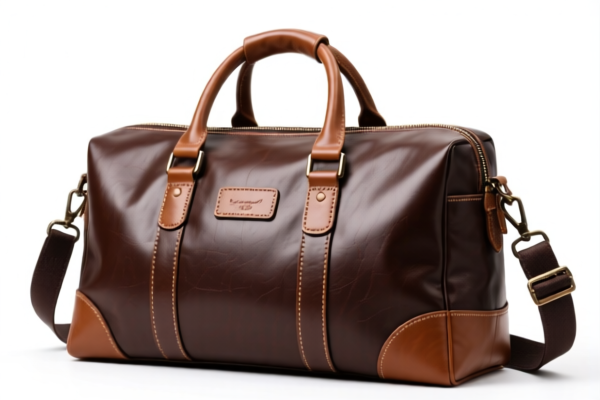
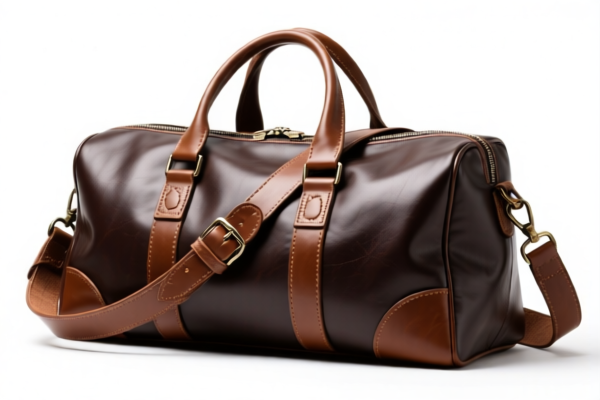
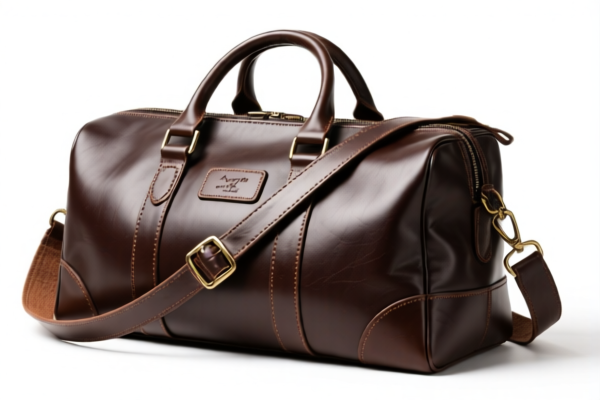
AI Analysis
🧳 Bovine Leather Travel Bags (Cowhide Luggage & Cases)
🌐 HS Code Reference & Customs Clearance Guide | 2026 Latest Tariff Analysis | Professional Entry Strategy
📌 I. Product Definition & Classification: What Exactly Are "Bovine Leather Bags"?
Bovine leather travel bags are high-end luggage and containers made primarily from cowhide (full-grain or split leather). In international trade, the classification is not just about the material, but how the product is presented and its primary function.
The data provided splits these goods into two distinct logical paths: 1. Finished Articles (Heading 4202): Items ready for direct use by consumers as handbags, briefcases, or suitcases. 2. Raw/Processed Leather Parts (Heading 4107): Items classified as "parts" or "raw materials" for making bags, often involving specific processing methods (e.g., full-grain crusts) or intended for further manufacture.
⚠️ Critical Distinction Point:
- If the item is a finished bag (handles attached, lining present, ready to carry) → Likely Chapter 42 (4202).
- If the item is classified under 4107, it typically refers to leather parts or specifically processed hides intended for the bag industry, rather than the finished consumer bag itself. Note: In many standard interpretations, finished bags are 4202. However, if customs or specific trade rules classify certain "bag components" or specific "leather articles" under 4107 based on construction details (e.g., unlined, specific binding methods), they fall there. The provided data explicitly lists "Bag/Case/Strap/Collar" under 4107, suggesting a specific sub-category of leather goods or parts.
📦 II. HS Code Classification Details (Based on Provided Data)
| HS Code | Product Description | Application / Usage | Material/Processing Status |
|---|---|---|---|
4202.11.00.30 |
Bovine Leather Bags (Finished Goods) | Handbags, Briefcases, Suitcases | Finished leather articles |
4202.11.00.90 |
Bovine Leather Bags (Finished Goods) | General Container Category | Finished leather articles |
4107.11.70.50 |
Bovine Leather Bags (Parts/Specific Goods) | Bags, Cases, Straps, Collars | Full-grain cowhide |
4107.12.70.50 |
Bovine Leather Bags (Parts/Specific Goods) | Bags | Cowhide |
🔍 Key Insight:
- 4202 codes represent the standard finished consumer luggage. These are the most common classifications for travel bags. - 4107 codes here are unusual for "finished bags" in general practice but are explicitly included in your data. They may refer to specific leather components or goods classified under Chapter 41 due to specific trade definitions or "parts" classifications. Do not mix these up. If you are shipping a finished suitcase, use 4202. If you are shipping leather panels/parts for bag manufacturing, use 4107.
💰 III. 2026 Latest Tariff Rate Breakdown (Including Additional Duties)
✅ Applicable Country: USA (US)
✅ Origin: China (CN)
✅ Effective Date: Post-2025 Policy Implementation
🎯 1. Group A: Finished Bags (4202.11.00.30 & 4202.11.00.90)
These are high-tariff finished consumer goods due to trade tensions.
| Item | Detail |
|---|---|
| Base Tariff | 8.0% (Standard MFN Rate) |
| Section 301 Tariff | 25.0% (USITC Additional Duty) |
| Section 122 Tariff | 10.0% (Specific Trade Provision) |
| Total Effective Rate | 43.0% |
| Calculation Basis | CIF Value × 43% |
| De Minimis Eligibility | ❌ No (High value goods excluded from $800 exemption) |
| Legal Path | USITC:4202.11.00.30/90 → FOOTNOTE:Section301 → Section122 |
📌 Explanation:
- Base 8%: Standard duty for leather articles. - 301 Tariff 25%: Major barrier for Chinese-made leather goods. - Section 122 Tariff 10%: Additional duty under specific trade act provisions. - Total 43%: This is a very high cost. Profit margins must account for this significant tax burden.
🎯 2. Group B: Leather Parts/Specific Goods (4107.11.70.50 & 4107.12.70.50)
These codes carry significantly lower tariffs, suggesting they might be treated as "parts" or raw materials rather than finished consumer bags, or benefit from different trade exemptions.
| Item | Detail |
|---|---|
| Base Tariff | 5.0% |
| Section 301 Tariff | 0.0% (Exempted or Not Applicable) |
| Section 122 Tariff | 10.0% |
| Total Effective Rate | 15.0% |
| Calculation Basis | CIF Value × 15% |
| De Minimis Eligibility | ❌ No (Generally, duty-free thresholds do not apply if total duty > $0, but verify specific value limits) |
| Legal Path | USITC:4107.11.70.50/50 → Section122 |
📌 Explanation:
- Base 5%: Lower rate for processed leather/leather parts. - 301 Tariff 0%: Crucial Advantage. These specific HS codes appear to be exempt from the 25% Section 301 duty. - Section 122 Tariff 10%: Still applies. - Total 15%: This is a massive cost saving compared to 43%. Is your product eligible for this classification?
🛠️ IV. Customs Clearance Practical Advice (Operational Pitfalls)
✅ 1. Documentation Checklist (Essential for Leather Goods)
| Document | Mandatory? | Purpose |
|---|---|---|
| ✅ Commercial Invoice | ✔️ | Must clearly state "Bovine Leather," "Finished Bag" vs. "Leather Part" |
| ✅ Packing List | ✔️ | Details net/gross weight, dimensions |
| ✅ Product Photos | ✔️ | Critical: Must show lining, handles, zippers, and labels. Proves it's a "bag" not a "hide." |
| ✅ Material Composition Sheet | ✔️ | Confirm 100% Bovine Leather or blend. Mislabeling triggers audits. |
| ✅ Brand Authorization | ✔️ | If luxury brand, prove authenticity to avoid IP seizure. |
| ✅ Origin Certificate | ✔️ | Required for US Customs to apply correct trade provisions (122/301). |
✅ 2. Declaration Strategy (Key Mnemonics)
🔥 "Check the Finish: Bag = 42 (High Tax), Part = 41 (Low Tax)? Think Twice!"
| Scenario | Correct HS Code | Risk if Wrong |
|---|---|---|
| Finished Suitcase/Briefcase | 4202.11.00.30 or .90 |
If declared as 4107 → Penalty + Back Taxes + Seizure |
| Unlined Leather Panels/Straps | 4107.11.70.50 |
If declared as 4202 → Overpayment (You lose money) |
| Bag with Accessories | 4202.11.00.30 |
Do NOT split shipment to lower duty. One shipment, one code. |
⚠️ Warning:
Customs officers will inspect physical samples. If you declare4107(15% tax) but the item has handles, lining, zippers, and interior pockets, it will be reclassified to4202(43% tax) + penalties.
Only use 4107 if the item is legally defined as a "part" or "raw leather article" under USHTS Note 2 to Chapter 41.
✅ 3. Special Situation Handling
| Situation | Recommendation |
|---|---|
| OEM/White Label | Provide supplier invoices to prove value. Avoid "brand" claims if not authorized. |
| Mixed Materials | If bag is >50% leather by weight, it’s still leather. If mixed with fabric, check binding material. |
| Gift Samples | If value < $800, De Minimis might apply if the duty calculation allows it (often denied for high-tariff categories). Verify with broker. |
| Counterfeit Goods | Strictly Prohibited. CBP seizes fake luxury bags immediately. |
🌍 V. Global Market Clearance Comparison (2026)
| Market | Recommended HS Code | Est. Tariff | Certification | Notes |
|---|---|---|---|---|
| 🇺🇸 USA | 4202.11.00.30 |
43% | None (General) | Highest duty. Use 4107 only if legally valid. |
| 🇨🇳 China | 4202.11.00.30 |
8-20% | CCC (if applicable) | Export duties may apply. |
| 🇪🇺 EU | 4202.11.00 |
12% | CE (if electronic) | No Section 301. |
| 🇬🇧 UK | 4202.11.00 |
12% | UKCA | Post-Brexit rules apply. |
| 🇯🇵 Japan | 4202.11.00 |
8% | None | No major additional tariffs. |
📌 Conclusion for USA:
The 28% gap between 15% and 43% is critical.
- If you are a manufacturer selling parts to bag factories: Use 4107 (15%).
- If you are a brand selling finished bags to consumers: Use 4202 (43%).
Do not misdeclare finished bags as parts to save tax. CBP audits leather goods frequently.
📌 VI. Common Errors & Pitfalls (Lessons Learned)
❌ Error 1: Declaring a finished briefcase as "Leather Parts" (4107) to save 28%.
👉 Consequence: Customs exam opens package → Sees handles/lining → Reclassify to 4202 + 200% Penalty.
❌ Error 2: Ignoring Section 122 Tariff.
👉 Consequence: Even 4107 has 10%. If you assume 5% total, you underpay.
❌ Error 3: Wrong Material Description.
👉 Consequence: If invoice says "Synthetic" but item is "Bovine," duty rate changes. Must match physical product.
✅ Correct Declaration Example:
"Bovine Leather Business Briefcase, Finished, with Zipper and Handle, Model XYZ, Origin China" → 4202.11.00.30
"Full-Grain Bovine Leather Hide, Crust, for Bag Manufacturing" → 4107.11.70.50
🎯 VII. Conclusion: Professional Declaration, Cost Optimization
🎯 Key Takeaway:
🔹 Finished Bag = 43% Tax (4202)
🔹 Leather Part/Hide = 15% Tax (4107)
🔹 Misclassification = Audit + Fines📌 Action Plan:
1. Audit Your Product: Is it a finished good or a part?
2. Consult Your Broker: Confirm if your specific bag design qualifies for 4107 (unlikely for finished goods).
3. Plan for 43%: If selling finished bags in the US, factor 43% into your landed cost.
4. Consider Supply Chain Shift: If margins are tight, consider assembly in Vietnam/Mexico to avoid Section 301 (if applicable rules allow).
📣 Immediate Action:
📞 Contact a US Customs Broker with your product samples and detailed specs.
🚀 Verify the HS Code before shipping to avoid surprise 43% duties + penalties.
💼 Accurate Classification = Profit Protection.
✨ Customs Success Starts with Precision!
💼 Every Percent Counts in Global Trade.
Customer Reviews
About HS Code Classification
The Harmonized System (HS) is an internationally standardized nomenclature developed by the World Customs Organization (WCO) to classify traded products. Over 200 countries use the HS system as the basis for customs tariffs, trade statistics, and import/export regulations.
Each HS code follows a hierarchical structure:
- Chapter (2 digits) — Broad category of goods (e.g., Chapter 84: Machinery and Mechanical Appliances)
- Heading (4 digits) — More specific grouping within the chapter
- Subheading (6 digits) — Internationally standardized breakdown, used by all WCO member countries
- National subdivisions (8-10 digits) — Country-specific extensions for further classification, such as US HTSUS 10-digit codes
Correct HS code classification is essential for smooth customs clearance, accurate duty payment, and compliance with trade regulations. Misclassification can lead to customs delays, overpayment of duties, or penalties.
When importing from CN to US, the applicable tariff rates may include:
- Most-Favored-Nation (MFN) rate — The standard duty rate applied to WTO members
- General rate — Applied to countries without trade agreements
- Trade remedy duties — Additional tariffs such as Section 301 (anti-dumping), Section 232 (national security), or countervailing duties
The information provided on this page is for reference purposes only. For official classification, please consult with your local customs authority or a licensed customs broker.