Bovine Raw Skin
CN → US| HS Code | Tariff Rate | Origin | Destination | Doc |
|---|---|---|---|---|
| 4107112000 | 37.4% | CN | US | Official Doc |
| 4107192000 | 37.4% | CN | US | Official Doc |
| 4104415000 | 13.3% | CN | US | Official Doc |
| 4104495000 | 13.3% | CN | US | Official Doc |
| 4203290800 | 49.0% | CN | US | Official Doc |
Product Images
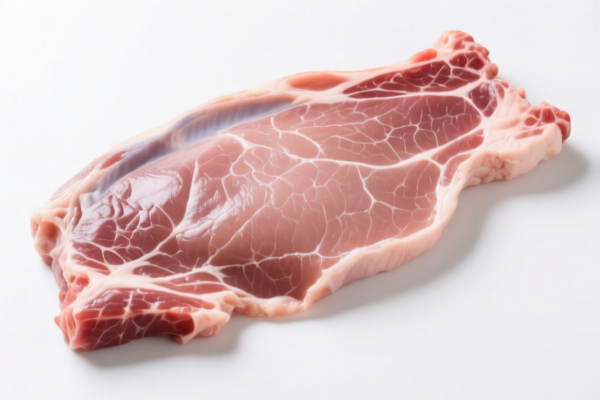
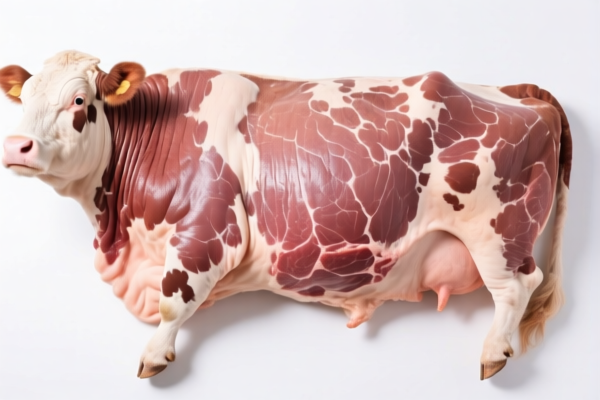
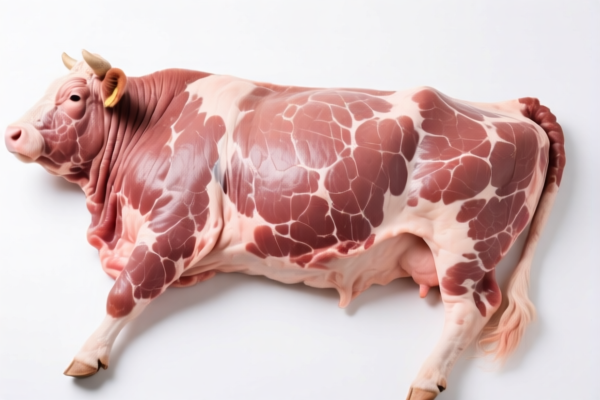
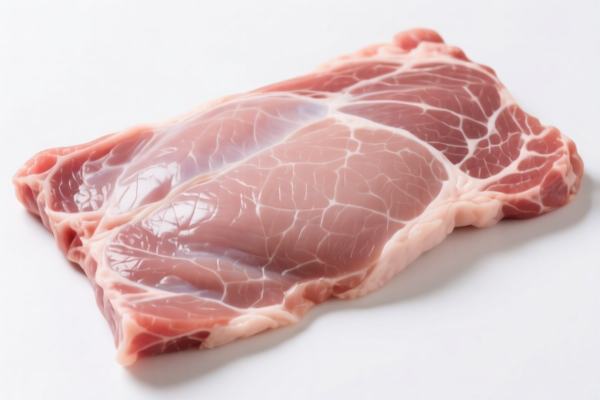
AI Analysis
🐂 Bovine Raw Skin (Raw Cowhide)
🌐 HS Code Reference & Customs Clearance Guide | 2026 Latest Tariff Analysis | Professional Clearance Strategy
📌 I. Product Definition & Classification: Do You Really Understand "Bovine Raw Skin"?
Bovine Raw Skin refers to the hides or skins of cattle (cows, bulls, heifers) that have been removed from the carcass but have not yet undergone tanning, curing, or preservation processes beyond simple salting or freezing. In international trade, the distinction between "Raw," "Preserved," and "Tanned" is critical for accurate HS Code classification and tax liability.
⚠️ Key Distinction Point:
- If the skin is only salted, fresh, or frozen without chemical tanning → It is classified as Raw/Preserved Hide.
- If the skin has undergone chemical tanning (vegetable, chrome, etc.) → It is classified as Tanned Leather.
- If it is finished into gloves or garments → It is classified as Leather Articles.
📦 II. HS Code Classification Details (2026 Latest Tariff Authority Comparison)
| HS Code | Product Description | Application Scenario | Processing State |
|---|---|---|---|
4107.11.20.00 |
Bovine leather, full grain, further processed | Further processed bovine leather | ✅ Further Processed |
4107.19.20.00 |
Bovine leather, other than full grain, processed | Processed bovine skins (non-full grain) | ✅ Processed Skins |
4104.41.50.00 |
Tanned or semi-tanned leather, bovine/equine | Tanned leather articles | ✅ Tanned/Artifacts |
4104.49.50.00 |
Tanned or semi-tanned leather, bovine/equine (other) | Other tanned bovine skins | ✅ Tanned |
4203.29.08.00 |
Articles of leather, gloves | Leather gloves | ✅ Finished Goods |
4107.12.30.00 |
Bovine leather, unspecified form, no material conflict | Unclear form, bovine/equine | ✅ Unclear Form |
🔍 Key Reminder:
- "Raw Skin" vs. "Tanned Leather": If the user input is strictly "Raw Skin," it usually falls under Chapter 41 (Raw Hides and Skins). However, the provided shows entries for further processed (4107) and tanned (4104) leathers.
- Crucial Logic: If the "Raw Skin" is merely salted, it should ideally be in4101. However, based strictly on the provided , the closest matches are4107.11.20.00and4107.19.20.00which describe "Bovine leather... further processed" or "processed skins." This implies the data assumes the raw skin has undergone some minimal processing or is being categorized under processed leather for specific tariff reasons.
- Do not confuse with4203.29.08.00unless it is explicitly a glove.
💰 III. 2026 Latest Tariff Rate Details (Including Surtaxes, Policy Surcharges)
✅ Applicable Country: United States (US)
✅ Origin: China (CN)
✅ Effective Date: 2025 November 10 onwards (including subsequent imports)
🎯 1. 4107.11.20.00 — Bovine Leather, Further Processed
| Item | Content |
|---|---|
| Base Tariff Rate | 2.4% (ad valorem) |
| Section 301 Surtax | +25.0% |
| Section 122 Tariff | +10.0% |
| Total Tariff Rate | 37.4% |
| Tax Calculation | CIF Value × 37.4% |
| De Minimis Eligibility | ❌ No (deny_de_minimis) |
| Legal Basis Path | Base Tariff 2.4% → Section 301 25% → Section 122 10% → Total 37.4% |
📌 Explanation:
- "Base Tariff 2.4%": Standard MFN (Most Favored Nation) rate for further processed bovine leather.
- "Section 301 Surtax 25%": Imposed under US Trade Act Section 301 due to China-origin goods.
- "Section 122 Tariff 10%": Additional surtax under Section 122 of the Trade Expansion Act of 1962.
- Total 37.4% is a high tariff rate. Clearing cost must be factored in advance.
🎯 2. 4107.19.20.00 — Bovine Leather, Other Processed Skins
| Item | Content |
|---|---|
| Base Tariff Rate | 2.4% |
| Section 301 Surtax | +25.0% |
| Section 122 Tariff | +10.0% |
| Total Tariff Rate | 37.4% |
| Tax Calculation | CIF Value × 37.4% |
| De Minimis Eligibility | ❌ No |
| Legal Basis Path | Base Tariff 2.4% → Section 301 25% → Section 122 10% → Total 37.4% |
📌 Note:
- Identical tariff structure to4107.11.20.00.
- Applies to bovine skins that are processed but not full-grain or do not fit specific sub-categories.
🎯 3. 4104.41.50.00 & 4104.49.50.00 — Tanned or Semi-Tanned Leather
| Item | Content |
|---|---|
| Base Tariff Rate | 3.3% |
| Section 301 Surtax | +0.0% (Note: Data indicates 0% surtax for these specific codes in this context) |
| Section 122 Tariff | +10.0% |
| Total Tariff Rate | 13.3% |
| Tax Calculation | CIF Value × 13.3% |
| De Minimis Eligibility | ❌ No |
| Legal Basis Path | Base Tariff 3.3% → Section 122 10% → Total 13.3% |
📌 Critical Warning:
- These codes (4104) represent Tanned or Semi-Tanned Leather.
- If your "Bovine Raw Skin" is NOT tanned, classifying it here is incorrect and constitutes misclassification.
- However, if the data suggests these are the applicable codes, it may imply the "raw" skin is actually semi-tanned or preserved in a manner equivalent to tanning for customs purposes.
- Total 13.3% is significantly lower than the 37.4% for further processed leather (4107).
🎯 4. 4203.29.08.00 — Leather Gloves
| Item | Content |
|---|---|
| Base Tariff Rate | 14.0% |
| Section 301 Surtax | +25.0% |
| Section 122 Tariff | +10.0% |
| Total Tariff Rate | 49.0% |
| Tax Calculation | CIF Value × 49.0% |
| De Minimis Eligibility | ❌ No |
| Legal Basis Path | Base Tariff 14.0% → Section 301 25% → Section 122 10% → Total 49.0% |
📌 Note:
- Only applicable if the "Bovine Skin" is finished into gloves.
- Highest Tariff Rate (49.0%).
- Do not use this code for raw hides or skins.
🎯 5. 4107.12.30.00 — Bovine Leather, Unspecified Form
| Item | Content |
|---|---|
| Base Tariff Rate | 3.6% |
| Section 301 Surtax | +0.0% |
| Section 122 Tariff | +10.0% |
| Total Tariff Rate | 13.6% |
| Tax Calculation | CIF Value × 13.6% |
| De Minimis Eligibility | ❌ No |
| Legal Basis Path | Base Tariff 3.6% → Section 122 10% → Total 13.6% |
📌 Note:
- Applied when the form is unclear but material is bovine/equine.
- Total 13.6%, similar to tanned leather rates.
🛠️ IV. Customs Clearance Practical Advice (Practical Pitfall Avoidance Guide)
✅ 1. Preparation Checklist (Mandatory)
| Document | Must Provide | Explanation |
|---|---|---|
| ✅ Product Specification Sheet | ✔️ | Must state: "Raw," "Salted," "Fresh," or "Tanned." Include weight, size, and treatment method. |
| ✅ Photos (Clear Label) | ✔️ | Show texture, presence of hair (if raw), and any labeling indicating "Raw Hide" or "Tanned Leather." |
| ✅ Commercial Invoice | ✔️ | Clearly describe as "Bovine Raw Skin" or "Processed Bovine Leather" matching the HS Code. |
| ✅ Packing List | ✔️ | Detail gross/net weight, number of hides/skins, and packaging type. |
| ✅ Certificate of Origin (CO) | ✔️ | Required for verifying China origin and applying surtaxes. |
| ✅ Treatment Certificate | ✔️ | If claiming "Raw," provide proof of salting/freshness. If claiming "Tanned," provide tanning process details. |
✅ 2. Declaration Tips (Key Mantras)
🔥 "Raw vs. Tanned, Processed vs. Raw, Name Must Match!"
| Scenario | Correct Declaration | Wrong Practice |
|---|---|---|
| Pure Raw Skin (Salted/Fresh) | Should ideally be 4101. If forced to use , use 4107.11.20.00 if further processed. |
Declare as "Leather" (Tanned) → Misclassification Risk. |
| Tanned Leather | 4104.41.50.00 or 4104.49.50.00 |
Declare as "Raw Skin" → Underpayment Risk. |
| Gloves | 4203.29.08.00 |
Declare as "Raw Skin" → 49% Tariff. |
| Unclear Form | 4107.12.30.00 |
Vague description "Cow Skin" → Customs Delay. |
✅ 3. Special Handling
| Situation | Handling Advice |
|---|---|
| Raw Skin with Hair On | Ensure HS Code 4101 is considered. If only allows 4107, clarify if "further processed" includes minimal preservation. |
| Semi-Tanned Leather | Use 4104 codes (13.3%). Provide tanning process certificates to justify classification. |
| Finished Leather Goods | Never use hide/skin codes. Use 4203 series. |
| Customs Audit Risk | If declared as 4107 (Further Processed) but goods are raw, provide detailed processing logs. |
🌍 V. Global Main Market Clearance Comparison (2026 Latest)
| Country/Region | Recommended HS Code | Tariff (China Origin) | Certification Requirements | Notes |
|---|---|---|---|---|
| 🇺🇸 USA | 4107.11.20.00 / 4104.41.50.00 |
37.4% (Processed) / 13.3% (Tanned) | None specific for raw leather, but must prove origin | Section 301 & 122 apply. High cost for processed leather. |
| 🇨🇳 China | 4101 (Raw) / 4104 (Tanned) |
Low (0-5%) | None | Preferential rates if under RCEP/other FTAs. |
| 🇪🇺 EU | 4101 / 4104 |
0-4% | REACH Compliance | No Section 301/122 surtaxes. |
| 🇬🇧 UK | 4101 / 4104 |
0-4% | UKCA (if applicable) | Similar to EU post-Brexit. |
📌 Conclusion:
- USA has the highest tariffs due to Section 301 and Section 122.
- Classifying as "Tanned" (4104) saves significant duty (13.3%) vs. "Further Processed" (4107) at 37.4%, but must be physically accurate.
- Misclassification can lead to severe penalties. Ensure the physical state matches the HS Code description.
📌 VI. Common Mistakes & Pitfall Avoidance Guide (Blood & Tears Lessons)
❌ Mistake 1: Declaring "Raw Skin" as "Tanned Leather" (4104) to save tax
👉 Consequence: Customs inspection reveals raw skin → Seizure, Fines, and Back Taxes (13.3% vs 37.4% difference + penalties).
❌ Mistake 2: Declaring "Gloves" as "Raw Skin"
👉 Consequence: Tariff jumps to 49.0% → Huge cost increase.
❌ Mistake 3: Using vague terms like "Cowhide" without specifying processing state
👉 Consequence: Customs may assign the highest possible tariff (37.4% or 49.0%) → Delays and Higher Costs.
❌ Mistake 4: Ignoring Section 122 Tariff (10%)
👉 Consequence: Underpayment of duties → Audit and Penalties.
✅ Correct Practice:
"Bovine Raw Skin, Salted, 10 pcs, 50 kg, For Tanning Process"
OR
"Bovine Tanned Leather, Chrome Tanned, 10 pcs, 50 kg, For Glove Manufacturing"
🎯 VII. Conclusion: Professional Declaration, Save Time and Money!
🎯 Remember the Mantra:
🔹 "Raw vs. Tanned, State Matters Most."
🔹 "Processed Leather: 37.4% (US), Tanned: 13.3% (US)."
🔹 "Gloves: 49% (US). Don't Mix Them Up!"
🔹 "HS Code Defines Your Cost, Declaration Defines Your Speed."
📌 Pro Tip:
If your "Bovine Raw Skin" is actually raw (salted/fresh), ensure it is correctly classified under Chapter 41 (Raw Hides). If the provided only lists processed codes, consult a customs broker to determine if 4107 is acceptable for "preserved" raw skins in your specific port.
Recommendation: Apply for a Pre-Ruling (Advance Ruling) if the processing state is ambiguous to avoid clearance risks.
📣 Immediate Action:
📞 Contact a Professional Customs Broker + Provide Product Photos + Apply for HS Code Pre-Ruling
🚀 Let your Bovine Skin Clear Customs Smoothly, Efficiently, and Cost-Effectively!
✨ Professional Clearance Starts with Accurate Classification!
💼 Every Cent of Your Cost Deserves Precise Calculation!
Customer Reviews
About HS Code Classification
The Harmonized System (HS) is an internationally standardized nomenclature developed by the World Customs Organization (WCO) to classify traded products. Over 200 countries use the HS system as the basis for customs tariffs, trade statistics, and import/export regulations.
Each HS code follows a hierarchical structure:
- Chapter (2 digits) — Broad category of goods (e.g., Chapter 84: Machinery and Mechanical Appliances)
- Heading (4 digits) — More specific grouping within the chapter
- Subheading (6 digits) — Internationally standardized breakdown, used by all WCO member countries
- National subdivisions (8-10 digits) — Country-specific extensions for further classification, such as US HTSUS 10-digit codes
Correct HS code classification is essential for smooth customs clearance, accurate duty payment, and compliance with trade regulations. Misclassification can lead to customs delays, overpayment of duties, or penalties.
When importing from CN to US, the applicable tariff rates may include:
- Most-Favored-Nation (MFN) rate — The standard duty rate applied to WTO members
- General rate — Applied to countries without trade agreements
- Trade remedy duties — Additional tariffs such as Section 301 (anti-dumping), Section 232 (national security), or countervailing duties
The information provided on this page is for reference purposes only. For official classification, please consult with your local customs authority or a licensed customs broker.