Bovine Sole Leather
CN → US| HS Code | Tariff Rate | Origin | Destination | Doc |
|---|---|---|---|---|
| 4104493060 | 12.4% | CN | US | Official Doc |
| 4107196050 | 15.0% | CN | US | Official Doc |
| 4104114060 | 15.0% | CN | US | Official Doc |
| 4107994000 | 12.5% | CN | US | Official Doc |
| 4101903500 | 19.9% | CN | US | Official Doc |
Product Images
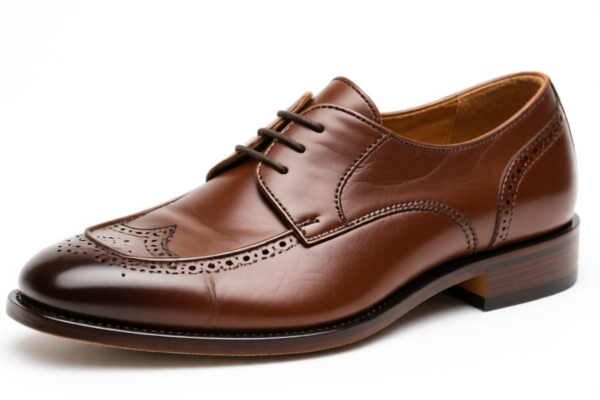
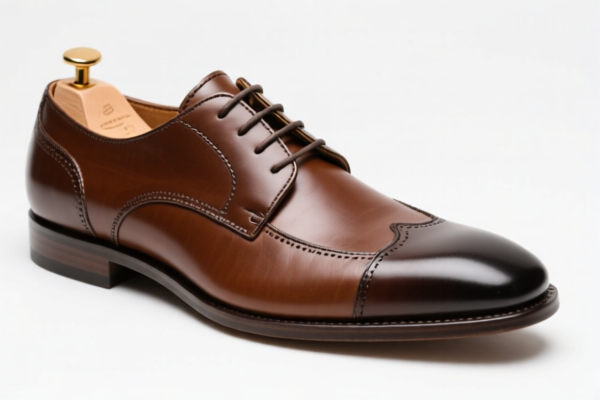
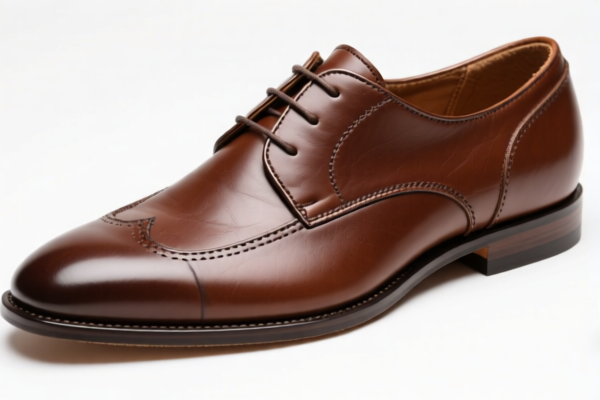
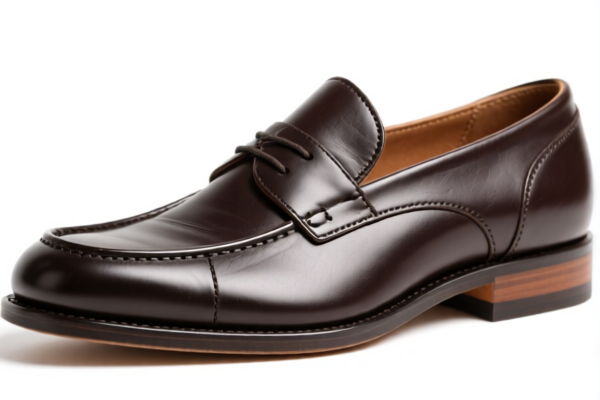
AI Analysis
🥾 Bovine Sole Leather: The Backbone of Footwear Manufacturing
🌐 HS Code Reference & Customs Clearance Guide | 2026 Latest Tariff Analysis | Professional Compliance Strategy
📌 One, Product Definition & Classification: What is "Bovine Sole Leather"?
Bovine Sole Leather refers to leather specifically processed and tanned for use as the sole material in footwear. It is distinct from upper leather due to its density, thickness, durability, and water resistance. In international trade, it is categorized under Chapter 41 (Leather; Leather Goods), specifically within heading 4104 (Awl leather) or 4107 (Finished Leather).
Key Distinction Points: - Raw/Unfinished vs. Finished: Is it fully tanned, dyed, and finished for immediate shoe production? Or is it raw hide/split? - Shape: Is it cut into specific sole shapes, or is it in sheet/form state? - Usage: Is it explicitly identified as "sole leather" by trade custom and physical properties?
⚠️ Critical Note:
- If the leather is finished, dyed, and ready for sole manufacturing, it typically falls under 4104 or 4107.
- If it is raw, unprocessed, or merely split without further finishing for sole use, it may fall under 4101 or other broad categories, but this is rare for commercial "sole leather" imports.
📦 Two, HS Code Classification Details (2026 Latest Tariff Authority Mapping)
Based on the provided data, the following HS Codes apply to Natural Buffalo/Cattle Sole Leather:
| HS Code | Product Description | Application Scenario | Tax Rate (Total) |
|---|---|---|---|
4104.49.30.60 |
Natural Buffalo Cattle Sole Leather, material: water buffalo hide, classified under "Other/Other" category of sole leather. | General commercial sole leather, uncut sheets. | 12.4% |
4107.19.60.50 |
Natural Buffalo Cattle Sole Leather, form and usage fully comply with the definition of sole leather. | Finished leather, ready for footwear production. | 15.0% |
4104.11.40.60 |
Natural Buffalo Cattle Sole Leather, material: water buffalo hide, classified as unprocessed sole leather. | Semi-processed or lightly finished sole leather. | 15.0% |
4107.99.40.00 |
Natural Buffalo Cattle Sole Leather, classified as leather goods processing items and compliant with sole use. | Specialized or processed sole leather variants. | 12.5% |
4101.90.35.00 |
Natural Buffalo Cattle Sole Leather, material: water buffalo hide, classified under "Other" category of buffalo hide. | Raw or minimally processed hide, not fully finished as sole leather. | 19.9% |
🔍 Important Reminder:
-4104vs.4107:4104generally covers awl leather and some sole leathers that may be less finished.4107covers finished leather.
-4101: This is for raw hides. If you import "Sole Leather," do NOT use4101unless it is truly raw hide. Misclassification here leads to high penalties.
💰 Three, 2026 Latest Tariff Rate Breakdown (Including Surtaxes, Policy Surcharges)
✅ Applicable Country: United States (US)
✅ Origin: China (CN)
✅ Effective Date: 2025/2026 (Current Trade Framework)
🎯 1. 4104.49.30.60 —— General Sole Leather (Natural Buffalo)
| Item | Content |
|---|---|
| Base Tariff | 2.4% (Standard MFN Rate) |
| Section 301 Surcharge | 0.0% (No additional 301 tariff applied to this specific subheading in this data) |
| Section 122 Tariff | 10.0% (Specific trade remedy tariff) |
| Total Tariff | 12.4% |
| Tax Calculation | CIF Value × 12.4% |
| De Minimis Exemption? | ❌ No (Sole leather is not eligible for de minimis exemption under current rules) |
| Legal Basis Path | USITC:4104.49.30.60 → FOOTNOTE:122 |
📌 Explanation:
- The 10% Section 122 tariff is a specific trade remedy. Ensure your commercial invoice clearly states "Sole Leather" and not general "Leather Goods."
- Base rate is low (2.4%), but the 122 tariff is significant.
🎯 2. 4107.19.60.50 —— Finished Sole Leather (High Compliance Required)
| Item | Content |
|---|---|
| Base Tariff | 5.0% |
| Section 301 Surcharge | 0.0% |
| Section 122 Tariff | 10.0% |
| Total Tariff | 15.0% |
| Tax Calculation | CIF Value × 15.0% |
| De Minimis Exemption? | ❌ No |
| Legal Basis Path | USITC:4107.19.60.50 → FOOTNOTE:122 |
📌 Note:
- Higher base rate (5%) because it is classified as "Finished Leather."
- Still subject to the 10% Section 122 tariff.
🎯 3. 4104.11.40.60 —— Unprocessed/Semi-Processed Sole Leather
| Item | Content |
|---|---|
| Base Tariff | 5.0% |
| Section 301 Surcharge | 0.0% |
| Section 122 Tariff | 10.0% |
| Total Tariff | 15.0% |
| Tax Calculation | CIF Value × 15.0% |
| De Minimis Exemption? | ❌ No |
| Legal Basis Path | USITC:4104.11.40.60 → FOOTNOTE:122 |
📌 Warning:
- Even if "unprocessed," if it is classified under this specific sole leather code, it incurs the same 15% total.
🎯 4. 4107.99.40.00 —— Specialized Processed Sole Leather
| Item | Content |
|---|---|
| Base Tariff | 2.5% |
| Section 301 Surcharge | 0.0% |
| Section 122 Tariff | 10.0% |
| Total Tariff | 12.5% |
| Tax Calculation | CIF Value × 12.5% |
| De Minimis Exemption? | ❌ No |
| Legal Basis Path | USITC:4107.99.40.00 → FOOTNOTE:122 |
📌 Insight:
- Slightly lower total rate (12.5%) due to lower base tariff (2.5%).
- May require additional documentation to prove "specialized processing" to justify this code.
🎯 5. 4101.90.35.00 —— Raw Buffalo Hide (MISCLASSIFICATION RISK)
| Item | Content |
|---|---|
| Base Tariff | 2.4% |
| Section 301 Surcharge | 7.5% |
| Section 122 Tariff | 10.0% |
| Total Tariff | 19.9% |
| Tax Calculation | CIF Value × 19.9% |
| De Minimis Exemption? | ❌ No |
| Legal Basis Path | USITC:4101.90.35.00 → IEEPA:9903.01.24 → FOOTNOTE:122 |
🚨 Critical Warning:
- This is the highest tariff (19.9%).
- DO NOT use this code unless you are importing raw hides. If you import finished sole leather under this code, you will face customs audits, back taxes, and penalties for misdeclaration.
- The 7.5% Section 301 surcharge applies here, unlike the other sole leather codes.
🛠️ Four, Customs Clearance Practical Advice (Real-World Pitfall Guide)
✅ 1. Documentation Checklist (Mandatory)
| Document | Required | Description |
|---|---|---|
| ✅ Commercial Invoice | ✔️ | Must explicitly state "Bovine Sole Leather," material composition, and HS Code. |
| ✅ Product Specification Sheet | ✔️ | Detail tanning process, thickness, water resistance, and intended use (footwear soles). |
| ✅ Photos of Goods | ✔️ | Show texture, finish, and any markings indicating "Sole Leather." |
| ✅ Bill of Lading/Air Waybill | ✔️ | Ensure description matches invoice. |
| ✅ Certificate of Origin | ✔️ | If claiming any preferential rates (though unlikely for US-China currently). |
✅ 2. Declaration Tips (Key Mantra)
🔥 "Finish Matters, Code Matters, 122 Tariff is Inevitable!"
| Situation | Correct Declaration | Wrong Practice |
|---|---|---|
| Finished Sole Leather | 4107.19.60.50 or 4104.49.30.60 |
Declare as "Leather Jacket Material" → Audit Risk |
| Raw Hide | 4101.90.35.00 |
Declare as "Sole Leather" → Rejection/Return |
| Sheet vs. Cut | Specify "Uncut Sheets" or "Pre-Cut Shapes" | Vague description "Leather Pieces" → Delays |
| Material | Specify "Natural Buffalo Cattle" | Generic "Cowhide" → Potential Misclassification |
✅ 3. Special Cases
| Situation | Handling Advice |
|---|---|
| Mixed Shipments | If shipment contains both upper leather and sole leather, separate HS Codes. Do not lump under one. |
| Partial Processing | If leather is dyed but not fully finished for soles, consult customs broker. May fall under 4104 or 4107. |
| High-Value Imports | Consider applying for Advance Rulings to confirm HS Code and avoid retrospective tax changes. |
🌍 Five, Global Market Clearance Comparison (2026 Latest)
| Country/Region | Recommended HS Code | Tariff | Certification | Notes |
|---|---|---|---|---|
| 🇺🇸 USA | 4104.49.30.60 / 4107.19.60.50 |
12.4% - 15.0% | None Specific | Section 122 Tariff Applies |
| 🇨🇳 China | 4104 / 4107 |
5% - 10% | None | Import duties apply, no 122 |
| 🇪🇺 EU | 4104 / 4107 |
4.0% - 6.7% | REACH | No US-style surcharges |
| 🇬🇧 UK | 4104 / 4107 |
4.0% - 6.7% | UKCA | Post-Brexit rules apply |
| 🇯🇵 Japan | 4104 / 4107 |
0% - 6.2% | None | Preferential rates may apply |
📌 Conclusion:
- USA has the most complex tariff structure due to Section 122 and potential Section 301.
- EU and Japan are more stable with lower and predictable rates.
- Always verify the "Section 122" applicability with a licensed US customs broker.
📌 Six, Common Mistakes & Pitfall Guide (Lessons Learned)
❌ Mistake 1: Using 4101 for finished sole leather
👉 Consequence: Overpayment of tariffs (19.9% vs 12.4%) + Audit Risk.
❌ Mistake 2: Ignoring Section 122 Tariff
👉 Consequence: Budgeting errors. The 10% is significant and non-negotiable for these codes.
❌ Mistake 3: Vague Description "Leather"
👉 Consequence: Customs may downgrade or upgrade the code based on their assessment, leading to delays.
❌ Mistake 4: Misidentifying "Buffalo" as "Cowhide"
👉 Consequence: If the HS code differs by material type, this leads to misdeclaration.
✅ Correct Practice:
"Natural Buffalo Cattle Sole Leather, Finished, Uncut Sheets, for Footwear Manufacturing, HS Code: 4104.49.30.60"
🎯 Seven, Conclusion: Professional Declaration, Cost Efficiency
🎯 Remember the Mantra:
🔹 "Sole Leather ≠ Upper Leather"
🔹 "Check Section 122: 10% is Inevitable"
🔹 "Finish Level Dictates Code: 4104 vs 4107"
🔹 "Raw Hide is 19.9%, So Don't Misclassify!"
📌 Tip:
If you are importing large volumes, consider negotiating Section 122 exclusions if applicable (check USTR website for current exclusions).
Always pre-clear with a customs broker using product photos and specifications.
📣 Immediate Action:
📞 Contact a US Customs Broker + Provide Product Specs + Confirm HS Code
🚀 Ensure smooth clearance, avoid penalties, and protect your margins!
✨ Professional clearance starts with precise classification!
💼 Your cost is worth every detail!
Customer Reviews
About HS Code Classification
The Harmonized System (HS) is an internationally standardized nomenclature developed by the World Customs Organization (WCO) to classify traded products. Over 200 countries use the HS system as the basis for customs tariffs, trade statistics, and import/export regulations.
Each HS code follows a hierarchical structure:
- Chapter (2 digits) — Broad category of goods (e.g., Chapter 84: Machinery and Mechanical Appliances)
- Heading (4 digits) — More specific grouping within the chapter
- Subheading (6 digits) — Internationally standardized breakdown, used by all WCO member countries
- National subdivisions (8-10 digits) — Country-specific extensions for further classification, such as US HTSUS 10-digit codes
Correct HS code classification is essential for smooth customs clearance, accurate duty payment, and compliance with trade regulations. Misclassification can lead to customs delays, overpayment of duties, or penalties.
When importing from CN to US, the applicable tariff rates may include:
- Most-Favored-Nation (MFN) rate — The standard duty rate applied to WTO members
- General rate — Applied to countries without trade agreements
- Trade remedy duties — Additional tariffs such as Section 301 (anti-dumping), Section 232 (national security), or countervailing duties
The information provided on this page is for reference purposes only. For official classification, please consult with your local customs authority or a licensed customs broker.