Bovine leather corner scraps (for belts)
CN → US| HS Code | Tariff Rate | Origin | Destination | Doc |
|---|---|---|---|---|
| 4107117040 | 15.0% | CN | US | Official Doc |
| 4107917040 | 15.0% | CN | US | Official Doc |
| 4115200000 | 17.5% | CN | US | Official Doc |
Product Images
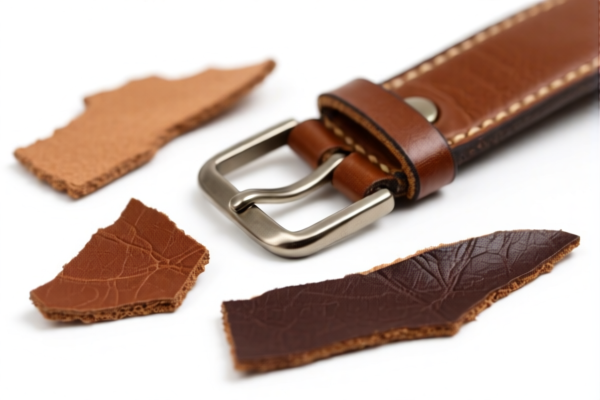
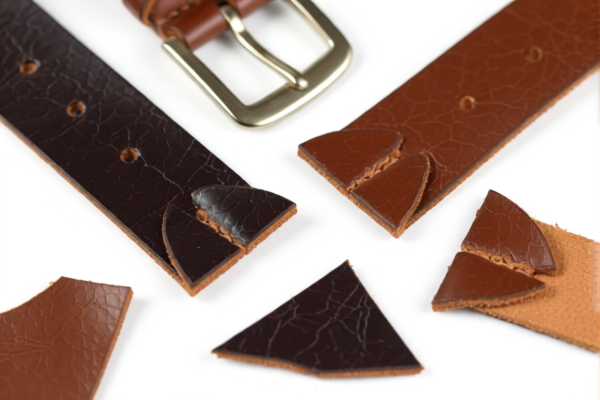
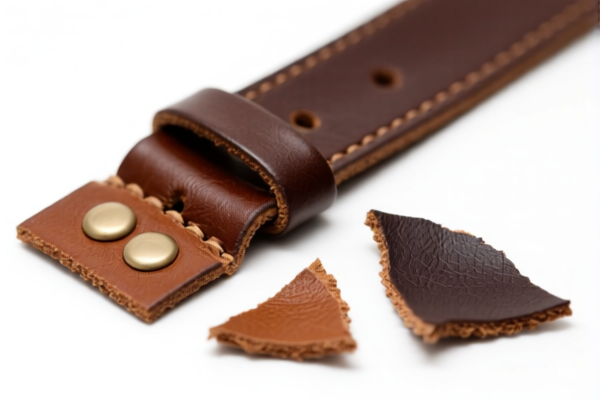
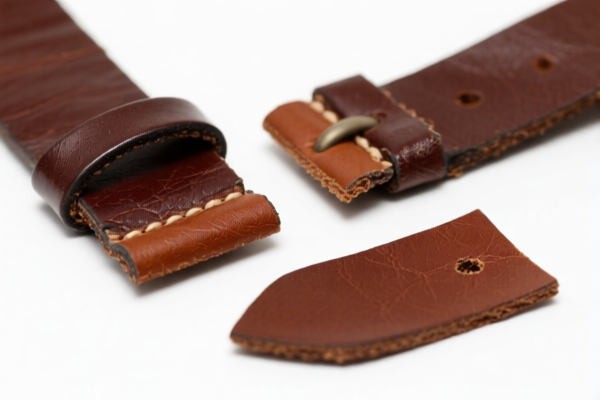
AI Analysis
🐮 Bovine Leather Corner Scraps (For Belts)
🌐 HS Code Reference & Customs Clearance Guide | 2026 Latest Tariff Analysis | Professional Clearance Strategy
📌 I. Product Definition and Classification: What Exactly Are "Leather Corner Scraps"?
Bovine leather corner scraps are the residual off-cuts obtained during the cutting process of hides for garments, accessories, or other leather goods. In international trade, their classification depends heavily on their physical form and intended end-use.
For belts and similar accessories, the scraps are typically small pieces of tanned bovine leather. However, customs authorities strictly distinguish between: 1. Cutting Off-Scaps (For Garments/Accessories): Pieces specifically shaped or intended for use in manufacturing items like belts, gloves, or garments. These fall under specific headings for "other tanned leather." 2. Leather Waste/Scrap: Pieces that are shredded, granulated, or strictly defined as waste/recyclable material. These fall under "leather waste."
⚠️ Key Distinction:
- If the pieces are usable off-cuts intended for direct use in manufacturing belts/garments → Classified under 4107 (Other Tanned Leather).
- If the pieces are waste, shreds, or granules not suitable for direct garment use without further processing → Classified under 4115 (Leather Waste).
📦 II. HS Code Classification Details (2026 Latest Tariff Authority Comparison)
| HS Code | Product Description | Application Scenario | Classification Logic |
|---|---|---|---|
4107.11.70.40 |
Bovine leather off-scaps, for garments | Material: Bovine; Use: Garments/Gloves | ✅ Usable Off-cuts specifically for clothing/glove manufacturing |
4107.91.70.40 |
Bovine leather off-scaps, for garments | Material: Bovine; Form: Off-cuts; Use: Gloves/Garments | ✅ Usable Off-cuts (General heading for other uses but specified for garments here) |
4115.20.00.00 |
Bovine leather off-scaps (Waste) | Form: Off-cuts/Waste; Meets definition of leather waste | ❌ Waste/Scrap Defined as "Leather Waste" per tariff notes |
🔍 Critical Reminder:
- Belts are often classified under 4203 (Articles of apparel and clothing accessories) or 4107 (Leather) depending on whether the material (leather) or the finished good (belt) is being imported.
- However, if you are importing raw leather scraps (not finished belts), you must classify based on the leather's status.
-4107applies if the leather is still in a usable, tanned sheet/semi-sheet form (off-cuts).
-4115applies if the material is considered "waste" (e.g., heavily damaged, mixed, or intended for recycling/shredding).
- Misclassification Risk: Declaring usable off-cuts as "waste" (4115) to avoid higher tariffs on4107may lead to customs penalties if the pieces are clearly usable for garment production.
💰 III. 2026 Latest Tariff Rate Details (Including Additional Taxes & Policy Surcharges)
✅ Applicable Country: United States (US)
✅ Origin: China (CN)
✅ Effective Date: November 10, 2025 onwards (for subsequent imports)
🎯 1. 4107.11.70.40 & 4107.91.70.40 —— Bovine Leather Off-Scaps (For Garments)
These two codes both fall under the "Other Tanned Leather" category, intended for use in garments/gloves.
| Item | Content |
|---|---|
| Base Tariff Rate | 5.0% (ad valorem) |
| Section 301 Additional Duty | 0.0% (Standard tariff treatment for this subheading) |
| Section 122 Duty | 10.0% (Specific provision for certain leather articles) |
| Total Tariff Rate | 15.0% |
| Tax Calculation | CIF Value × 15% |
| De Minimis Exemption | ❌ Not Eligible (Section 122 and specific leather rules often exclude low-value shipments) |
| Legal Basis Path | HTSUS:4107 → Section 122 Statute |
📌 Explanation:
- The 5% base rate is the standard Most Favored Nation (MFN) rate for other tanned bovine leather.
- The 10% Section 122 duty is a specific U.S. law provision affecting certain leather imports, designed to protect domestic leather tanning industries.
- Total 15% is significantly lower than high-tech goods but still substantial for low-value scraps.
- Note: While Section 301 tariffs (25%) often apply to many Chinese goods, leather off-scaps in these specific subheadings (4107.11and4107.91) may be exempt from the 25% Section 301 rate, hence the 0.0% additional duty. Always verify the latest USITC exclusions list.
🎯 2. 4115.20.00.00 —— Bovine Leather Off-Scaps (Waste)
This code classifies the material as Leather Waste, regardless of whether it came from belt or garment production.
| Item | Content |
|---|---|
| Base Tariff Rate | 0.0% (ad valorem) |
| Section 301 Additional Duty | 7.5% (Specific rate for leather waste under certain provisions) |
| Section 122 Duty | 10.0% |
| Total Tariff Rate | 17.5% |
| Tax Calculation | CIF Value × 17.5% |
| De Minimis Exemption | ❌ Not Eligible |
| Legal Basis Path | HTSUS:4115 → Section 122 Statute |
📌 Explanation:
- Although the base rate is 0%, the 7.5% Section 301 duty and 10% Section 122 duty push the total rate to 17.5%.
- Key Insight: Importing as "Waste" (4115) is NOT cheaper than importing as "Usable Off-cuts" (4107). In fact, it is 2.5% more expensive due to the specific Section 301 assessment on waste leather.
- Customs Warning: Do not misclassify usable scraps as "waste" to evade rules. If the material is usable, it must be4107. If you declare it as4115but customs finds it usable, you may face penalties for misdeclaration.
🛠️ IV. Customs Clearance Practical Advice (Real-World Pitfall Avoidance)
✅ 1. Required Documentation Checklist (Non-Negotiable)
| Document | Must Provide | Description |
|---|---|---|
| ✅ Commercial Invoice | ✔️ | Clearly state "Bovine Leather Off-Scaps" and intended use (e.g., "for garment manufacturing"). |
| ✅ Packing List | ✔️ | Detail weight, quantity, and packaging type. |
| ✅ Material Composition Certificate | ✔️ | Confirm 100% Bovine Leather content. |
| ✅ End-Use Statement | ✔️ | Declare intended use (e.g., "Used in belt/garment production"). This supports classification under 4107. |
| ✅ Photos of Goods | ✔️ | Show the scraps clearly. If they look like waste (shredded, mixed with dirt), it will be classified as 4115. If they look like usable cuts, 4107 is more appropriate. |
| ✅ Certificate of Origin | ✔️ | Required for origin verification and duty assessment. |
✅ 2. Declaration Tips (Key Mantras)
🔥 "State Use, Declare Form, Avoid Waste Label!"
| Scenario | Correct Declaration | Incorrect Practice |
|---|---|---|
| Usable cuts for belts/garments | 4107.11.70.40 or 4107.91.70.40 |
Declare as "Leather Waste" → Risk of Penalty |
| Shredded/Granulated Leather | 4115.20.00.00 |
Declare as "Garment Leather" → Mismatch |
| Mixed/Dirty Off-cuts | 4115.20.00.00 |
Declare as "Clean Garment Leather" → Audit Flag |
| Belt Raw Material (Tanned Leather) | 4107.xx.xx |
Declare as "Finished Belts" → Wrong Heading |
📌 Note:
- If you are importing scraps specifically for belt production, ensure the invoice states "For Belt Manufacturing" to support the4107classification if the pieces are usable.
- Do not use vague terms like "Leather Scraps" without specifying form or use.
✅ 3. Special Handling
| Situation | Recommendation |
|---|---|
| Small Sample Shipments | Even if low value, Section 122 duties apply. No de minimis exemption. |
| Mixed Hides (Cow + Other) | Must declare as "Bovine" only if 100% bovine. If mixed, classification changes. |
| Tanning Process | Ensure leather is fully tanned. Untanned hides fall under Chapter 41 but different headings. |
| Recycling Intent | If shipping to a recycling plant, 4115 is appropriate. Declare as "Leather Waste for Recycling." |
🌍 V. Global Market Comparison (2026 Latest)
| Country/Region | Recommended HS Code | Tariff (China Origin) | Notes |
|---|---|---|---|
| 🇺🇸 USA | 4107.11.70.40 / 4107.91.70.40 |
15.0% (15% Base + Sec 122) | High Section 122 duty. Verify Section 301 exemption. |
| 🇺🇸 USA (Waste) | 4115.20.00.00 |
17.5% (0% Base + 7.5% Sec 301 + 10% Sec 122) | More expensive than usable off-cuts. |
| 🇪🇺 EU | 4107.11 / 4115.20 |
Varies (0-15%) | EU has different waste definitions. |
| 🇨🇳 China | 4107 / 4115 |
Import Duty | Depends on free trade agreements. |
📌 Conclusion:
- USA is the most complex market for leather scraps due to Section 122 and Section 301 interactions.
- Usable Off-Scaps (4107) are cheaper (15%) than Leather Waste (4115) (17.5%) in the US.
- Always aim for4107if the material is usable, as it is legally cleaner and tariff-efficient.
📌 VI. Common Mistakes & Pitfalls (Blood Lessons)
❌ Mistake 1: Declaring usable leather scraps as "Waste" (4115) to save money.
👉 Result: 17.5% Tax vs 15% Tax → You pay more AND risk customs audit for misclassification.
❌ Mistake 2: Failing to declare Section 122 Duty.
👉 Result: Customs assessment + Penalties. Section 122 applies to all leather under Chapter 41 imports.
❌ Mistake 3: Using vague description "Leather Scraps."
👉 Result: Customs may default to the highest tariff or require manual examination, causing delays.
❌ Mistake 4: Assuming de minimis ($800) exemption applies.
👉 Result: Incorrect. Section 122 and certain Chapter 41 entries are excluded from de minimis.
✅ Correct Practice:
"Bovine Leather Off-Scaps, Tanned, Cut for Belt Manufacturing, Not Waste, 100% Bovine"
🎯 VII. Conclusion: Professional Declaration, Cost Efficiency, Risk Reduction
🎯 Remember the Mantra:
🔹 "Usable Off-Scaps: 15% (Cheaper). Waste: 17.5% (Expensive). No De Minimis. Section 122 Always Applies!"
🔹 "Don't Call It Waste If It's Not Waste! Misclassification Costs More Than Duty!"
📌 Pro Tip:
- If your scraps are clean, uniform, and clearly usable for belts or garments, always declare under 4107.
- If you are unsure, consult a customs broker to review photos of the goods.
- Apply for a Binding Tariff Ruling (BTR) if you import regularly, to lock in the correct classification and avoid future disputes.
📣 Immediate Action:
📞 Engage a licensed customs broker + Provide clear photos + Accurate End-Use Declaration
🚀 Ensure smooth clearance, avoid penalties, and optimize your landed cost!
✨ Professional Clearance Starts with Accurate Classification!
💼 Every cent counts in leather trade!
Customer Reviews
About HS Code Classification
The Harmonized System (HS) is an internationally standardized nomenclature developed by the World Customs Organization (WCO) to classify traded products. Over 200 countries use the HS system as the basis for customs tariffs, trade statistics, and import/export regulations.
Each HS code follows a hierarchical structure:
- Chapter (2 digits) — Broad category of goods (e.g., Chapter 84: Machinery and Mechanical Appliances)
- Heading (4 digits) — More specific grouping within the chapter
- Subheading (6 digits) — Internationally standardized breakdown, used by all WCO member countries
- National subdivisions (8-10 digits) — Country-specific extensions for further classification, such as US HTSUS 10-digit codes
Correct HS code classification is essential for smooth customs clearance, accurate duty payment, and compliance with trade regulations. Misclassification can lead to customs delays, overpayment of duties, or penalties.
When importing from CN to US, the applicable tariff rates may include:
- Most-Favored-Nation (MFN) rate — The standard duty rate applied to WTO members
- General rate — Applied to countries without trade agreements
- Trade remedy duties — Additional tariffs such as Section 301 (anti-dumping), Section 232 (national security), or countervailing duties
The information provided on this page is for reference purposes only. For official classification, please consult with your local customs authority or a licensed customs broker.