Bovine leather pieces
CN → US| HS Code | Tariff Rate | Origin | Destination | Doc |
|---|---|---|---|---|
| 4107111020 | 35.0% | CN | US | Official Doc |
| 4107113000 | 13.6% | CN | US | Official Doc |
| 4107117030 | 15.0% | CN | US | Official Doc |
| 4107127030 | 15.0% | CN | US | Official Doc |
| 4205008000 | 35.0% | CN | US | Official Doc |
| 4205004000 | 36.8% | CN | US | Official Doc |
Product Images
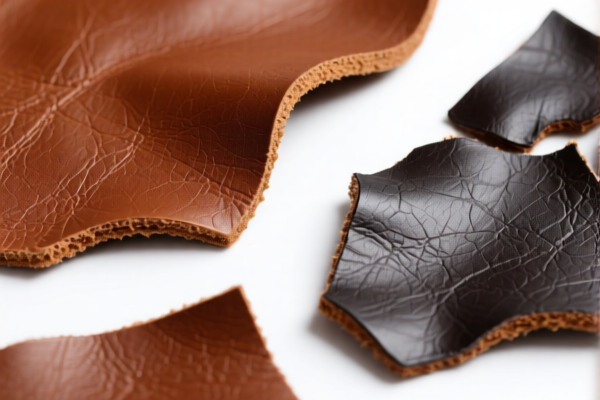
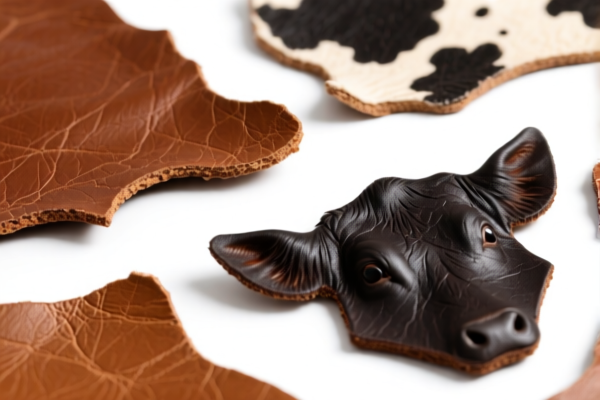
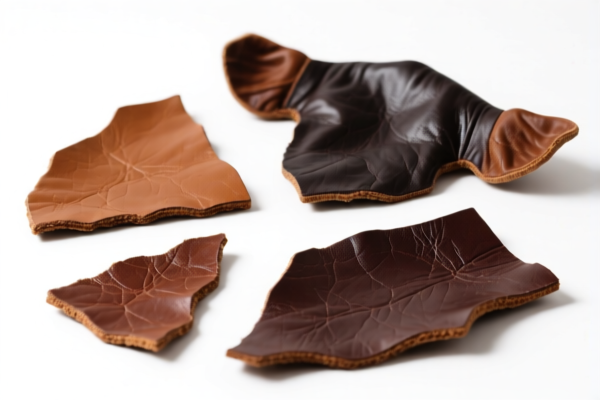
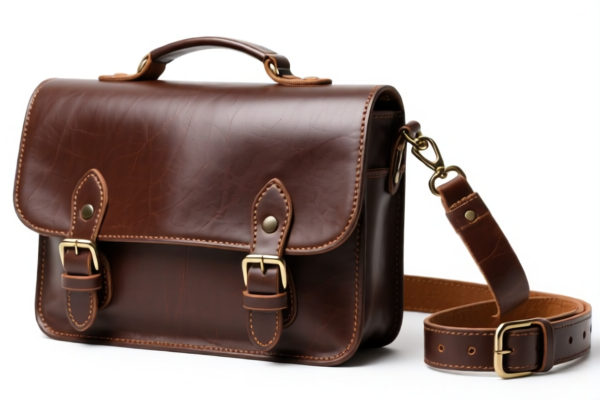
AI Analysis
🐂 Bovine Leather Pieces (Hides & Skins of Bovine Animals)
🌐 HS Code Reference & Customs Clearance Guide | 2026 Latest Tariff Analysis | Professional Entry Strategy
📌 I. Product Definition & Classification: Do You Really Understand "Bovine Leather Pieces"?
Bovine leather pieces refer to processed hides or skins from cattle, cut into sheets, slices, or semi-finished forms. In international trade, they are primarily classified under Chapter 41 (Hides, Skins and Leather) or Chapter 42 (Articles of Leather), depending on their processing level, physical state, and intended use.
The critical distinction lies in: * Raw/Partially Processed Leather (Chapter 41): Hides/skins that have been tanned, bleached, or split but are not yet finished into specific articles (e.g., bags, belts). * Finished/Ready-to-Use Materials (Chapter 42): Leather pieces cut and treated specifically for immediate use in manufacturing articles (e.g., pre-cut strap blanks, craft leather sheets).
⚠️ Key Classification Point:
- If the leather is unsplit, full-grain, or top-grain and in sheet form → Typically 4107.
- If the leather is split (layered) or used for belts/straps → Typically 4107 or 4205.
- If the leather is finished as a specific craft material not just raw skin → Potentially 4205.
📦 II. HS Code Classification Details (2026 Latest Tariff Authority Comparison)
Based on the provided data, here are the specific HS Codes and their descriptions for Bovine Leather Pieces:
| HS Code | Product Description | Key Characteristics | Processing State |
|---|---|---|---|
4107.11.10.20 |
Premium Cowhide Sheets | Material: Cowhide; Form: Sheets; Matches whole hide or layered processing form. | Unsplit/Top Layer |
4107.11.30.00 |
Premium Cowhide Sheets | Material: Cowhide; Form: Sheets; Full leather & grain surface features, NOT split. | Full Grain/Unsplit |
4107.11.70.30 |
Dry Cowhide Sheets | Material: Cowhide; Form: Flakes/Sheets; Full-grain whole hide processing form. | Dry Full Grain |
4107.12.70.30 |
Dry Cowhide Sheets | Material: Cowhide; Form: Split leather; Flakes or primary form. | Split Leather |
4205.00.80.00 |
Cowhide Craft Material Sheets | Material: Cowhide; Form: Sheets; Classified as other leather articles. | Craft/Finished Material |
4205.00.40.00 |
Cowhide Craft Material Sheets | Material: Cowhide; Form: Sheets; Pre-form of belts or strap-like objects. | Pre-Belt/Strap |
🔍 Critical Note:
- Chapter 41 (4107...) covers tanned/hide materials that are still essentially "skins" cut into pieces.
- Chapter 42 (4205...) covers leather that has been further processed into specific articles or preparations for articles (like craft sheets or belt blanks).
- Misclassifying a "craft sheet" as "raw hide" or vice versa can lead to significant duty differences due to additional tariffs.
💰 III. 2026 Latest Tariff Rate Detailed Breakdown (Including Surtaxes & Policy Add-ons)
✅ Applicable Country: United States (US)
✅ Origin: China (CN)
✅ Effective Time: Includes imports after 2025-11-10 (subject to current IEEPA/USITC rules)
🎯 1. 4107.11.10.20 — Premium Cowhide Sheets (Unsplit/Whole Hide Form)
| Item | Content |
|---|---|
| Base Duty Rate | 0.0% (ad valorem) |
| Additional Duty (USITC 301) | +25.0% |
| 122 Provision Duty (IEEPA) | +10.0% |
| Total Tax Rate | 35.0% |
| Tax Calculation | CIF Value × 35.0% |
| De Minimis Exemption | ❌ Not Applicable |
| Legal Basis Path | Base: 4107.11.10.20 → USITC: +25% → 122 Provision: +10% |
📌 Explanation:
- 0% Base Rate: Standard MFN rate for certain tanned hides.
- 25% USITC Duty: Result of Section 301 tariffs on Chinese goods.
- 10% "122 Provision" Duty: Additional surcharge under IEEPA for specific Chinese imports.
- Total 35% is high. This code is for unsplit, premium leather pieces.
🎯 2. 4107.11.30.00 — Premium Cowhide Sheets (Full Grain, Not Split)
| Item | Content |
|---|---|
| Base Duty Rate | 3.6% |
| Additional Duty (USITC 301) | 0.0% |
| 122 Provision Duty (IEEPA) | +10.0% |
| Total Tax Rate | 13.6% |
| Tax Calculation | CIF Value × 13.6% |
| De Minimis Exemption | ❌ Not Applicable |
| Legal Basis Path | Base: 3.6% → USITC: 0% → 122 Provision: +10% |
📌 Explanation:
- 3.6% Base Rate: Slightly higher base than the previous code.
- 0% USITC Duty: No Section 301 additional duty applies here (likely due to specific subheading exclusion or policy nuance).
- 10% "122 Provision" Duty: Still applies.
- Total 13.6% is significantly lower than4107.11.10.20. This is a cost-saving classification if the product fits the "full grain, not split" description.
🎯 3. 4107.11.70.30 — Dry Cowhide Sheets (Full-Grain Whole Hide)
| Item | Content |
|---|---|
| Base Duty Rate | 5.0% |
| Additional Duty (USITC 301) | 0.0% |
| 122 Provision Duty (IEEPA) | +10.0% |
| Total Tax Rate | 15.0% |
| Tax Calculation | CIF Value × 15.0% |
| De Minimis Exemption | ❌ Not Applicable |
| Legal Basis Path | Base: 5.0% → USITC: 0% → 122 Provision: +10% |
📌 Explanation:
- 5.0% Base Rate: For dry, full-grain pieces.
- 0% USITC Duty: No Section 301 duty.
- 10% "122 Provision" Duty: Applies.
- Total 15.0% is competitive. Suitable for dry, whole-hide pieces.
🎯 4. 4107.12.70.30 — Dry Cowhide Sheets (Split Leather)
| Item | Content |
|---|---|
| Base Duty Rate | 5.0% |
| Additional Duty (USITC 301) | 0.0% |
| 122 Provision Duty (IEEPA) | +10.0% |
| Total Tax Rate | 15.0% |
| Tax Calculation | CIF Value × 15.0% |
| De Minimis Exemption | ❌ Not Applicable |
| Legal Basis Path | Base: 5.0% → USITC: 0% → 122 Provision: +10% |
📌 Explanation:
- 5.0% Base Rate: For split leather (second layer or lower quality).
- 0% USITC Duty: No Section 301 duty.
- 10% "122 Provision" Duty: Applies.
- Total 15.0%. Ideal for split leather pieces or primary form leather.
🎯 5. 4205.00.80.00 — Cowhide Craft Material Sheets (Other Leather Articles)
| Item | Content |
|---|---|
| Base Duty Rate | 0.0% |
| Additional Duty (USITC 301) | +25.0% |
| 122 Provision Duty (IEEPA) | +10.0% |
| Total Tax Rate | 35.0% |
| Tax Calculation | CIF Value × 35.0% |
| De Minimis Exemption | ❌ Not Applicable |
| Legal Basis Path | Base: 0.0% → USITC: +25% → 122 Provision: +10% |
📌 Explanation:
- 0% Base Rate: For "other" leather articles.
- 25% USITC Duty: High surcharge due to Section 301.
- 10% "122 Provision" Duty: Applies.
- Total 35.0%. This code is for finished craft materials that are not just raw hide. The 301 duty makes this expensive.
🎯 6. 4205.00.40.00 — Cowhide Craft Material Sheets (Pre-Belt/Strap Form)
| Item | Content |
|---|---|
| Base Duty Rate | 1.8% |
| Additional Duty (USITC 301) | +25.0% |
| 122 Provision Duty (IEEPA) | +10.0% |
| Total Tax Rate | 36.8% |
| Tax Calculation | CIF Value × 36.8% |
| De Minimis Exemption | ❌ Not Applicable |
| Legal Basis Path | Base: 1.8% → USITC: +25% → 122 Provision: +10% |
📌 Explanation:
- 1.8% Base Rate: For pre-forms of belts/straps.
- 25% USITC Duty: High surcharge.
- 10% "122 Provision" Duty: Applies.
- Total 36.8%. The highest tax rate in the list. Avoid this code unless absolutely necessary for customs classification reasons.
🛠️ IV. Customs Clearance Practical Advice (Real-World Pitfall Avoidance)
✅ 1. Documentation Checklist (Must-Haves)
| Document | Required | Notes |
|---|---|---|
| ✅ Product Specification | ✔️ | Detail: Full-grain vs. Split? Dry vs. Wet? Thickness? |
| ✅ Photos | ✔️ | Clear shots of grain surface, split layer, and edges. |
| ✅ Commercial Invoice | ✔️ | Use precise description: "Dry Cowhide Sheets, Full Grain, Unsplit" or "Split Cowhide Leather Pieces". |
| ✅ Packing List | ✔️ | Weight per piece, total pieces, material type. |
| ✅ Certificate of Origin | ✔️ | Essential for proving Chinese origin (and applicable tariffs). |
| ✅ Processing Description | ✔️ | Brief note on tanning, dyeing, and cutting process. |
✅ 2. Declaration Tips (Key Strategy)
🔥 “Specify Grain, Split or Not, Base Rate Matters!”
| Scenario | Correct HS Code | Reason |
|---|---|---|
| Unsplit, Full-Grain, Dry | 4107.11.70.30 |
Best balance: 15% total tax. |
| Unsplit, Full-Grain, Wet/Treated | 4107.11.30.00 |
Best rate: 13.6% total tax. |
| Split Leather | 4107.12.70.30 |
Standard for split pieces: 15% total tax. |
| Pre-cut Belt Blanks | 4205.00.40.00 |
Avoid if possible: 36.8% total tax (High 301 duty). |
| Generic Craft Sheets | 4205.00.80.00 |
Avoid if possible: 35.0% total tax (High 301 duty). |
| Premium Unsplit (Specific Type) | 4107.11.10.20 |
Only if specs match exactly: 35.0% total tax. |
📌 Critical Strategy:
- Prioritize Chapter 41 (4107...) over Chapter 42 (4205...) if the product can be classified as "tanned hides/skins" rather than "articles of leather."
- Why? Chapter 41 codes (4107.11.30.00,4107.11.70.30,4107.12.70.30) often have 0% USITC (301) duty, reducing the total tax to 13.6%-15.0%.
- Avoid Chapter 42 (4205...) if possible, as it triggers the 25% USITC duty, pushing total tax to 35%-36.8%.
✅ 3. Special Cases & Handling
| Scenario | Handling Advice |
|---|---|
| Mixed Lots (Split & Unsplit) | Separate shipments or declare each type separately to optimize tax. Do not mix under one code. |
| "Craft Leather" vs. "Raw Hide" | If the leather is cut to specific sizes for crafts, US Customs may still classify it under 4107 if it's essentially a "hide." Provide proof it's not a finished article. |
| Dry vs. Wet | Ensure the invoice clearly states "Dry" or "Wet." Dry leather often falls under 4107.11.70.30 or 4107.12.70.30. |
| Thickness | Very thin "splits" might be classified differently. Check with a broker. |
🌍 V. Global Market Comparison (2026 Latest)
| Country/Region | Recommended HS Code | Total Tax (China Origin) | Notes |
|---|---|---|---|
| 🇺🇸 USA | 4107.11.30.00 |
13.6% | Lowest effective rate (10% IEEPA only). |
| 🇨🇳 China | 4107.11.30.00 |
5-7% | Low import duty, no additional US-style surcharges. |
| 🇪🇺 EU | 4107.11.30.00 |
~3.7% | Standard EU duty, no IEEPA/301 equivalent. |
| 🇬🇧 UK | 4107.11.30.00 |
~3.7% | Post-Brexit tariff similar to EU. |
| 🇯🇵 Japan | 4107.11.30.00 |
~3-4% | Low duty, no US-style tariffs. |
📌 Conclusion:
- USA is the most complex market due to IEEPA (10%) and USITC (25%) duties.
- Strategy: Aim for4107.11.30.00or4107.11.70.30to avoid the 25% USITC duty.
- Other Markets: Simpler, lower tariffs, but ensure proper classification to avoid VAT/duty disputes.
📌 VI. Common Mistakes & Pitfall Guide (Lessons Learned)
❌ Mistake 1: Classifying Split Leather as Full-Grain
👉 Consequence: Customs inspection reveals split layers → Downgrade to 4107.12.70.30 (15%) or penalty if fraud suspected.
❌ Mistake 2: Using Chapter 42 (4205...) for Raw Hides
👉 Consequence: Trigger 25% USITC duty → Tax jumps from 13.6% to 36.8%. Cost increase of 23%+!
❌ Mistake 3: Vague Description: "Leather Pieces"
👉 Consequence: Customs assigns default high tariff or requests extensive documentation → Delay & Storage Fees.
❌ Mistake 4: Ignoring "122 Provision" Duty
👉 Consequence: Underestimating total cost. Always add 10% for IEEPA duties on Chinese leather.
✅ Correct Approach:
"Dry Cowhide Leather Sheets, Full Grain, Unsplit, Tanned & Dyed, 1.2mm Thickness, for Upholstery"
🎯 VII. Conclusion: Professional Classification, Maximize Profit!
🎯 Remember the Mantra:
🔹 "Split or Full? Chapter 41 is King! Avoid Chapter 42, Save 25%!"
🔹 "13.6% is the Target (4107.11.30.00), 36.8% is the Trap (4205.00.40.00)."
🔹 "Always declare 'Full Grain' or 'Split' clearly to avoid audits."
📌 Pro Tip:
If your leather is pre-cut into specific shapes (like watch straps, belt blanks), be cautious. US Customs may argue it's a "preparation for an article" and classify it under 4205. If you can justify it as "tanned hides in sheet form," stick with 4107.
📣 Immediate Action:
📞 Consult a licensed customs broker with photos and specs of your leather.
🚀 Optimize for4107.11.30.00(13.6%) to save thousands on large shipments.
✨ Precision in Classification, Power in Profit!
💼 Your leather, your margin, your rule!
Customer Reviews
About HS Code Classification
The Harmonized System (HS) is an internationally standardized nomenclature developed by the World Customs Organization (WCO) to classify traded products. Over 200 countries use the HS system as the basis for customs tariffs, trade statistics, and import/export regulations.
Each HS code follows a hierarchical structure:
- Chapter (2 digits) — Broad category of goods (e.g., Chapter 84: Machinery and Mechanical Appliances)
- Heading (4 digits) — More specific grouping within the chapter
- Subheading (6 digits) — Internationally standardized breakdown, used by all WCO member countries
- National subdivisions (8-10 digits) — Country-specific extensions for further classification, such as US HTSUS 10-digit codes
Correct HS code classification is essential for smooth customs clearance, accurate duty payment, and compliance with trade regulations. Misclassification can lead to customs delays, overpayment of duties, or penalties.
When importing from CN to US, the applicable tariff rates may include:
- Most-Favored-Nation (MFN) rate — The standard duty rate applied to WTO members
- General rate — Applied to countries without trade agreements
- Trade remedy duties — Additional tariffs such as Section 301 (anti-dumping), Section 232 (national security), or countervailing duties
The information provided on this page is for reference purposes only. For official classification, please consult with your local customs authority or a licensed customs broker.