Bovine leather splits for toys
CN → US| HS Code | Tariff Rate | Origin | Destination | Doc |
|---|---|---|---|---|
| 411490 | 0.0% | CN | US | Official Doc |
| 411410 | 0.0% | CN | US | Official Doc |
| 9503000073 | 10.0% | CN | US | Official Doc |
| 9503000071 | 10.0% | CN | US | Official Doc |
Product Images
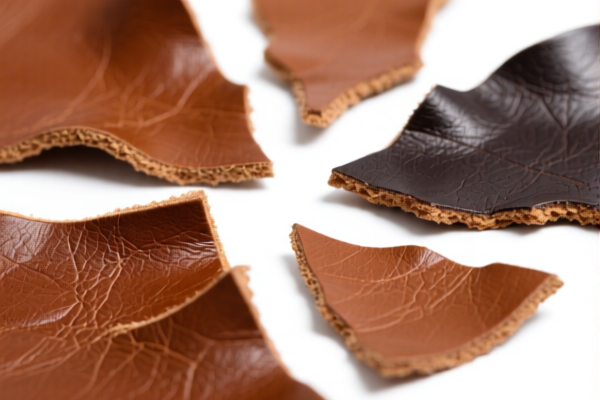
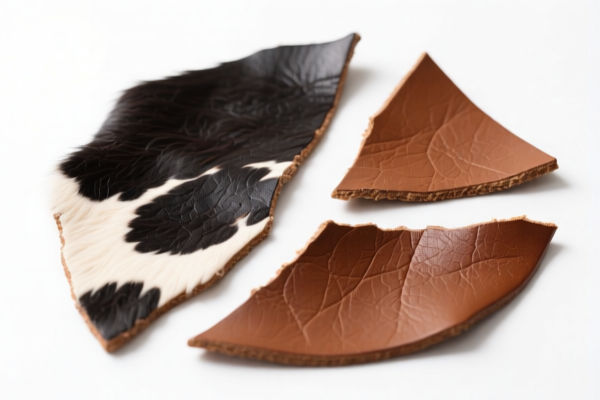
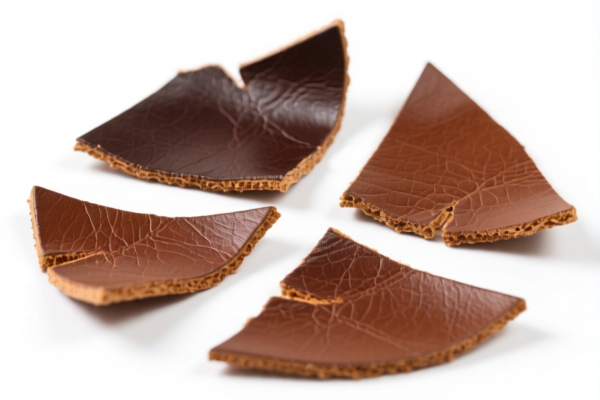
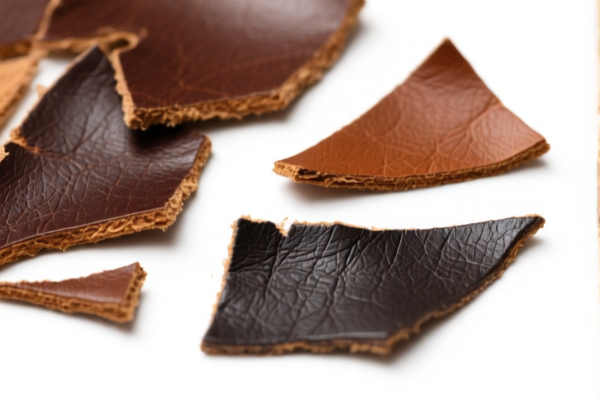
AI Analysis
🧸 Bovine Leather Splits for Toys (儿童玩具用牛皮剖层革)
🌐 HS Code Reference & Customs Clearance Guide | 2026 Updated Tariff Analysis | Professional Compliance Strategy
📌 I. Product Definition & Classification: What Exactly Are "Bovine Leather Splits"?
Bovine leather splits are the lower layers of cowhide that have been split off from the top-grain layer. They are rougher and less durable than full-grain leather but are significantly more cost-effective.
In the context of Toys, these materials are specifically used for manufacturing: * Soft Toys/Stuffed Animals: Used for ears, paws, or decorative patches. * Dolls' Accessories: Clothing, shoes, or accessories for dolls. * Stuffed Educational Toys: Textured components for sensory toys.
⚠️ Critical Distinction:
- If the leather is raw/cleaned only (limed/cleaned) and intended exclusively for toy manufacturing → It falls under Chapter 41 (Leather).
- If it is already cut, sewn, or finished into a specific toy part → It may fall under Chapter 95 (Toys).
- Key Rule: The description explicitly states "for use in toys" or "used in the manufacture of toys" and is in a raw/prepared state, not a finished good.
📦 II. HS Code Classification Details (2026 Latest Tariff)
Based on the provided data, here are the specific HS Codes for unprepared/cleaned bovine splits intended for toys.
| HS Code | Product Description | Status | Tax Details |
|---|---|---|---|
| 4114.10 | Bovine leather splits, not further prepared than cleaned or limed, used in the manufacture of toys | ⚠️ Error Retrieval | Failed to retrieve tax information Total Tax: Error |
| 4114.90 | Other bovine leather splits, not further prepared than cleaned or limed, for use in toys | ⚠️ Error Retrieval | Failed to retrieve tax information Total Tax: Error |
🔍 Note on Classification:
Both codes fall under HS Chapter 41 (Prepared Leather).
- 4114.10: Specifically targets splits used in toy manufacturing.
- 4114.90: A broader category for "Other" splits for use in toys.
The provided data indicates a technical error in retrieving tax rates for these specific toy-specific leather lines. This is common for niche industrial inputs.
💰 III. Tax Rate Analysis & Clearance Advice
🚨 Critical Warning: Missing Tax Data
The dataset provided returns "Error" for tax retrieval. This implies:
1. Data Gap: The tax database may not have up-to-date rates for these specific sub-headings.
2. Variable Rates: Leather tariffs often depend on:
* Origin Country: (e.g., US-China tariffs, EU-Mercosur agreements).
* Treatment Type: Chrome-tanned vs. Vegetable-tanned.
* Weight/Thickness: Some duties are ad valorem, others are specific (per kg).
📊 Estimated Tax Implications (General Knowledge)
Since specific rates are unavailable, consult the following general principles: * Base Duty: Typically ranges from 2.5% to 8% for raw leather splits depending on origin. * US Section 301 Tariffs: If importing Chinese-origin bovine leather into the US, additional 25% tariffs may apply under Section 301, regardless of toy intent. * No "Toy" Exemption: Unlike finished toys (HS 9503), raw leather inputs generally do not qualify for the low-duty rates associated with finished children's products.
🛠️ IV. Customs Clearance Practical Advice
✅ 1. Documentation Requirements (Strict)
| Document | Requirement | Purpose |
|---|---|---|
| Commercial Invoice | Must explicitly state: "Bovine Leather Splits, Unprepared/Cleaned, For Use in Toy Manufacturing" | Prevents misclassification as finished leather goods or accessories. |
| Material Safety Data Sheet (MSDS) | Required if chemical treatments (liming) are mentioned | Ensures compliance with chemical regulations (REACH/CPSC). |
| Proof of Intended Use | Letter of guarantee or manufacturing contract | Proves goods are raw materials, not finished toys (avoids Chapter 95 scrutiny). |
| Origin Certificate | Essential for determining base duty rate | Critical for avoiding unexpected Section 301 tariffs if from China. |
✅ 2. Classification Strategy (Avoiding Pitfalls)
🔥 "Raw Material vs. Finished Good" Rule
| Scenario | Correct HS Code | Risk if Misclassified |
|---|---|---|
| Raw Splits (Cleaned/Limed) arriving at factory | 4114.10 / 4114.90 | High Duty + Inspection Delay |
| Cut/Patched Pieces already shaped for toys | 9503.00 (Parts/Accessories) | May attract Toy Safety Regulations (ASTM/EN71) |
| Finished Stuffed Animals containing this leather | 9503.00.00 (Children's Products) | Requires CPC (Children's Product Certificate) + ASTM F963 |
⚠️ Big Mistake to Avoid:
Do NOT declare raw leather splits as "Toy Parts" (HS 9503) to try to lower duties.
- Customs will reject this because 4114 is the specific heading for "prepared leather."
- Misclassification leads to reclassification, fines, and seizure.
✅ 3. Special Clearance Tips
- Labeling: Clearly label all bales/boxes as "RAW LEATHER SPLITS - NOT FOR RETAIL SALE". This distinguishes it from consumer goods.
- Chemical Compliance: Even raw leather may require REACH (EU) or Prop 65 (California) compliance declarations if chromium or azo dyes were used in the liming process.
- Anti-Dumping/Safeguards: Check if your country has anti-dumping duties on leather goods from specific origins. While raw splits might be exempt, finished leather products are often targeted.
🌍 V. Global Market Comparison (General Leather Duties)
| Region | Typical Base Duty (HS 4114) | Special Notes |
|---|---|---|
| 🇺🇸 USA | 2.5% - 8% + Potential 25% (Sec 301 if CN origin) | High scrutiny on chemical content. |
| 🇪🇺 EU | 4% - 12% | Strict REACH compliance required. |
| 🇨🇳 China | 6% - 15% | Depends on leather treatment type. |
| 🇮🇳 India | 10% - 15% | Additional Customs Protection Duty (CPD) may apply. |
📌 Conclusion:
Since tax data isError, you MUST verify the current duty rate with a licensed customs broker in the destination country, especially considering Section 301 tariffs if the leather originates from China.
📌 VI. Common Errors & Pitfalls
❌ Error 1: Declaring raw leather as "Fashion Accessories"
👉 Result: Wrong HS Code (4205 instead of 4114), potential duty increase, and clearance delay.
❌ Error 2: Ignoring Chemical Compliance
👉 Result: Shipment held at border for chemical testing (Chromium VI, Azo Dyes). Returns/costly testing fees.
❌ Error 3: Assuming "Toy Use" = Low Duty
👉 Result: Raw materials do not get toy tariffs. You pay leather tariffs + potential anti-dumping fees.
✅ Correct Approach:
"Bovine Leather Splits, Unprepared, For Industrial Toy Manufacturing. Chemical Report Attached. Origin: [Country]."
🎯 VII. Final Recommendations
- Get a Pre-Ruling: Apply for an Advance Ruling from Customs if possible, since tax data is unavailable in the system.
- Verify Section 301: If from China, budget for an additional 25% tariff on top of the base rate.
- Chemical Testing: Conduct pre-shipment chemical tests to ensure compliance with target market regulations (especially for toys).
- Contact Broker: Provide the exact liming/tanning process details to your customs broker to pinpoint the correct 4114 sub-code and duty rate.
📣 Immediate Action:
📞 Contact your customs broker TODAY to verify the duty rate for HS 4114.10/4114.90.
📄 Request a Certificate of Analysis (CoA) for the leather to prove it meets toy safety standards.
🚀 Clear documentation prevents costly delays!
✨ Precision in Classification Saves Money!
💼 Raw materials are the foundation of cost-effective toy manufacturing.
Customer Reviews
About HS Code Classification
The Harmonized System (HS) is an internationally standardized nomenclature developed by the World Customs Organization (WCO) to classify traded products. Over 200 countries use the HS system as the basis for customs tariffs, trade statistics, and import/export regulations.
Each HS code follows a hierarchical structure:
- Chapter (2 digits) — Broad category of goods (e.g., Chapter 84: Machinery and Mechanical Appliances)
- Heading (4 digits) — More specific grouping within the chapter
- Subheading (6 digits) — Internationally standardized breakdown, used by all WCO member countries
- National subdivisions (8-10 digits) — Country-specific extensions for further classification, such as US HTSUS 10-digit codes
Correct HS code classification is essential for smooth customs clearance, accurate duty payment, and compliance with trade regulations. Misclassification can lead to customs delays, overpayment of duties, or penalties.
When importing from CN to US, the applicable tariff rates may include:
- Most-Favored-Nation (MFN) rate — The standard duty rate applied to WTO members
- General rate — Applied to countries without trade agreements
- Trade remedy duties — Additional tariffs such as Section 301 (anti-dumping), Section 232 (national security), or countervailing duties
The information provided on this page is for reference purposes only. For official classification, please consult with your local customs authority or a licensed customs broker.