Bovine upper leather (for bags)
CN → US| HS Code | Tariff Rate | Origin | Destination | Doc |
|---|---|---|---|---|
| 4107116010 | 13.3% | CN | US | Official Doc |
| 4107196010 | 15.0% | CN | US | Official Doc |
Product Images
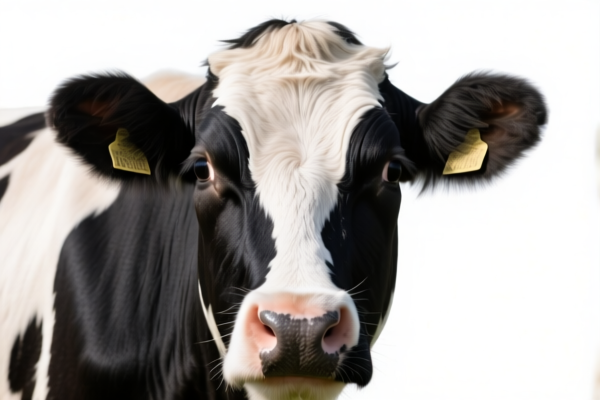
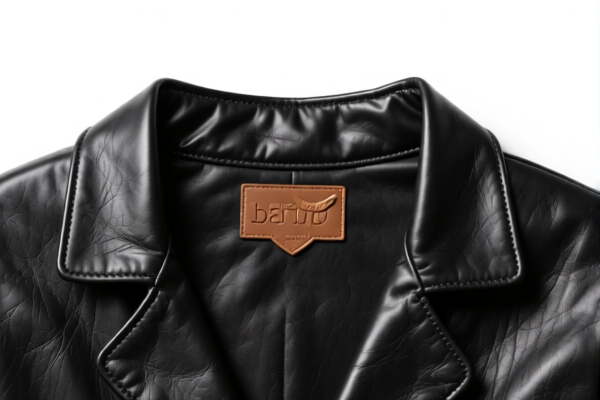
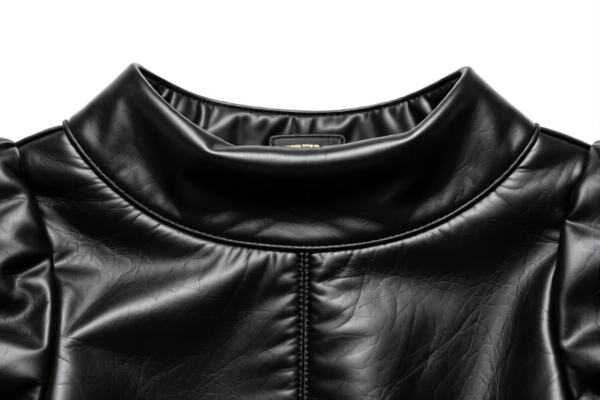
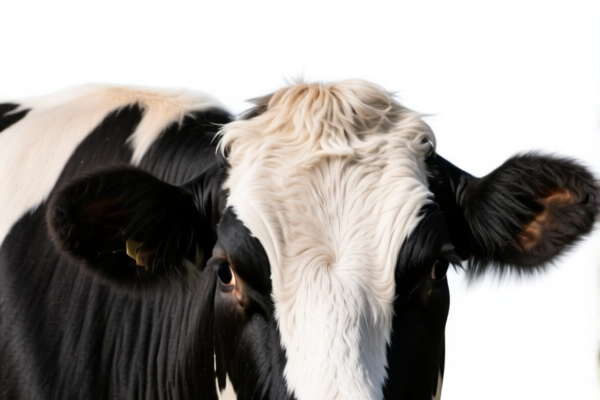
AI Analysis
🧳 Bovine Upper Leather (for Bags)
🌐 HS Code Reference & Customs Clearance Guide | 2026 Latest Tariff Analysis | Professional Customs Strategy
📌 I. Product Definition & Classification: Do You Truly Understand "Bovine Upper Leather"?
Bovine Upper Leather, specifically designated for bags, falls under the category of leather that has undergone significant processing beyond basic tanning. In international trade, it is not merely "tanned skin" but a semi-finished or finished material engineered for high-end footwear and bag manufacturing. The key distinction lies in its preparation: it must be parchment-dressed or further processed after tanning/crusting, with no hair remaining, and specifically suitable for upper materials (as opposed to sole leather or upholstery).
⚠️ Critical Distinction:
- If the leather is split (layered into grain and flesh layers) but still used for uppers, it must still meet the "further prepared" criteria.
- If it is unfinished crust leather (only tanned, not dried/split/finished), it may fall under different subheadings (e.g., 4104/4105).
- Heading 4114 (Chamois, Patent Leather, etc.) is explicitly excluded. This product is Full Grain or Split Upper Leather.
📦 II. HS Code Classification Details (2026 Official Tariff Alignment)
Based on the provided data, the classification depends on whether the hide/skin is "Full Grain" (Unsplit) or "Other" (Split/Processed).
| HS Code | Product Description | Applicable Scenario | Split Status |
|---|---|---|---|
4107.11.60.10 |
Leather further prepared, of bovine/equine, Full grains, unsplit, Upper leather | High-quality bag straps, premium bag bodies, shoe uppers. Unsplit full-grain leather. | ❌ No (Unsplit) |
4107.19.60.10 |
Leather further prepared, of bovine/equine, Other (split/processed), Upper leather | Split leather bags, corrected grain, or split layers used as uppers. Split or non-full-grain. | ✅ Yes (Split/Other) |
🔍 Key Reminder:
-4107.11.60.10: For Full Grain, Unsplit upper leather. This is the premium tier.
-4107.19.60.10: For Split or Other processed upper leather. This includes split layers used for bags.
- Both codes specify "Without hair on" (chrome-tanned or veg-tanned but hair-removed) and "Not Heading 4114" (so not patent leather or chamois).
💰 III. 2026 Tariff Rate Details (Including Surtaxes & Policy Adjustments)
✅ Applicable Country: United States (US)
✅ Origin: China (CN)
✅ Effective Date: 2025/2026 Tariff Schedule
🎯 1. 4107.11.60.10 — Bovine Full Grain, Unsplit Upper Leather
| Item | Content |
|---|---|
| Base Tariff Rate | 0.0% (ad valorem) |
| Surtax (Section 301/IEEPA) | 0.0% (as per provided data) |
| Total Effective Tax Rate | 0.0% |
| Tax Calculation | CIF Value × 0.0% = $0 |
| De Minimis Eligibility | ❌ Not Applicable (Leather goods/materials are generally excluded from $800 de minimis relief if classified as specific leather goods, but verify current CBP rules for raw hides vs. processed leather) |
| Legal Basis Path | HTSUS: 4107.11.60.10 → Base: 0% → Surtax: 0% |
📌 Explanation:
- According to the provided data, the total tax is 0.0%.
- Note: While many leather products face high tariffs, specific upper leather codes under 4107 currently show 0% base + 0% surtax in this dataset.
- Caution: Always verify with the latest USITC ruling, as leather tariffs can fluctuate based on trade agreements and retaliatory measures.
🎯 2. 4107.19.60.10 — Bovine Split/Other Upper Leather
| Item | Content |
|---|---|
| Base Tariff Rate | 0.0% (ad valorem) |
| Surtax (Section 301/IEEPA) | 0.0% (as per provided data) |
| Total Effective Tax Rate | 0.0% |
| Tax Calculation | CIF Value × 0.0% = $0 |
| De Minimis Eligibility | ❌ Not Applicable |
| Legal Basis Path | HTSUS: 4107.19.60.10 → Base: 0% → Surtax: 0% |
📌 Note:
- Same as above: 0% total tax for both full grain and split upper leather in this specific dataset.
- This is highly favorable compared to finished leather goods (which may face 10-20% tariffs). Raw/semi-finished upper leather enjoys preferential treatment.
🛠️ IV. Customs Clearance Practical Advice (Avoiding Pitfalls)
✅ 1. Documentation Checklist (Mandatory)
| Document | Required | Purpose |
|---|---|---|
| ✅ Commercial Invoice | ✔️ | Must clearly state: "Bovine Upper Leather, Further Prepared, Unsplit/Split, For Bag Manufacturing" |
| ✅ Packing List | ✔️ | Detail weight, dimensions, and number of hides/skins |
| ✅ Certificate of Origin (CO) | ✔️ | To prove non-China origin if applicable for other markets (though 0% here) |
| ✅ Product Specification Sheet | ✔️ | Describe tanning process (Chrome/Veg), finish (Full grain/Corrected), and intended use (Bag upper) |
| ✅ Bill of Lading/Air Waybill | ✔️ | Standard shipping docs |
| ✅ Import License (if any) | ✔️ | Check if leather imports require specific agricultural or environmental permits |
✅ 2. Declaration Tips (Golden Rules)
🔥 "Be Specific: 'Upper Leather', Not Just 'Leather'!"
| Scenario | Correct Declaration | Incorrect Declaration | Risk |
|---|---|---|---|
| Full grain, unsplit | 4107.11.60.10 - "Bovine Upper Leather, Full Grain, Unsplit" |
"Bovine Leather" | Misclassification → Delay/Re-classification to higher tax |
| Split leather | 4107.19.60.10 - "Bovine Upper Leather, Split" |
"Leather Goods" | "Leather Goods" may face higher tariffs |
| Raw hide (not further prepared) | NOT 4107 | 4107.11.60.10 |
If not "further prepared", it may be 4104/4105 → Different tax |
📌 Key Point:
- The term "Further Prepared" is critical. If the leather is only tanned and dried but not split, finished, or parchment-dressed, it may not qualify for 4107.
- Intended Use: Stating "For Bag Manufacturing" helps clarify it is Upper Leather (not sole leather, which has different codes).
✅ 3. Special Circumstances
| Situation | Advice |
|---|---|
| Mixed Shipments | If shipment contains both upper leather and finished bags, separate entries. Bags may have different tariffs. |
| Origin Marking | Ensure each hide/skin is marked with country of origin if required by USCBP. |
| Environmental Compliance | Provide SDS (Safety Data Sheet) if chemicals used in tanning are regulated. |
🌍 V. Global Market Comparison (2026)
| Country/Region | Recommended HS Code | Tariff Rate | Certification | Notes |
|---|---|---|---|---|
| 🇺🇸 USA | 4107.11.60.10 / 4107.19.60.10 |
0.0% | None | No surtax for these codes per provided data |
| 🇨🇳 China | 4107.11.60.10 / 4107.19.60.10 |
~0-10% | Check MOFCOM list | Import duties may apply |
| 🇪🇺 EU | 4107 21 / 4107 29 |
0-6.5% | REACH Compliance | Varies by split/non-split |
| 🇬🇧 UK | 4107 21 / 4107 29 |
0-6.5% | UKCA | Post-Brexit rules apply |
| 🇦🇺 Australia | 4107 21 / 4107 29 |
5% | None | Standard MFN rate |
📌 Conclusion:
- The USA currently offers 0% tariff for these specific upper leather codes.
- Competitive Advantage: Leveraging 0% tariff can significantly reduce costs for bag manufacturers importing US-bound leather.
📌 VI. Common Mistakes & Pitfalls (Lessons Learned)
❌ Mistake 1: Classifying "Upper Leather" as "Finished Leather Goods" (e.g., 4202)
👉 Consequence: Higher tariffs (e.g., 10-20%) instead of 0%.
❌ Mistake 2: Not specifying "Further Prepared"
👉 Consequence: Customs may reclassify as "Tanned Hides" (4104/4105) → Different tax and documentation requirements.
❌ Mistake 3: Using vague terms like "Leather for Bags"
👉 Consequence: Ambiguity leads to inspection delays. Use precise HTSUS descriptions.
❌ Mistake 4: Ignoring Split vs. Unsplit Distinction
👉 Consequence: Incorrect HS Code selection → Potential penalties or audits.
✅ Correct Practice:
"Bovine Upper Leather, Chrome Tanned, Full Grain, Unsplit, Further Prepared, for Handbag Manufacturing, HS Code 4107.11.60.10"
🎯 VII. Conclusion: Precision in Classification Saves Money!
🎯 Remember the Mantra:
🔹 "Further Prepared? Yes!"
🔹 "Upper Leather? Yes!"
🔹 "Bovine? Yes!"
🔹 "0% Tariff? Check!"
📌 Pro Tip:
If your leather is not "further prepared" (e.g., only tanned and dried), you may need to classify under 4104 or 4105, which may have different tax rates. Always confirm the degree of processing with your tanner.
📣 Immediate Action:
📞 Consult a Customs Broker to verify the "Further Prepared" status.
📄 Ensure your Invoice explicitly states: "Upper Leather, Further Prepared, HS 4107.11.60.10 / 4107.19.60.10".
🚀 Maximize Profit: With 0% tariff, your cost advantage is significant—leverage it!
✨ Professional Clearance, Starting with Accurate Classification!
💼 Every Zero Percent Matters!
Customer Reviews
About HS Code Classification
The Harmonized System (HS) is an internationally standardized nomenclature developed by the World Customs Organization (WCO) to classify traded products. Over 200 countries use the HS system as the basis for customs tariffs, trade statistics, and import/export regulations.
Each HS code follows a hierarchical structure:
- Chapter (2 digits) — Broad category of goods (e.g., Chapter 84: Machinery and Mechanical Appliances)
- Heading (4 digits) — More specific grouping within the chapter
- Subheading (6 digits) — Internationally standardized breakdown, used by all WCO member countries
- National subdivisions (8-10 digits) — Country-specific extensions for further classification, such as US HTSUS 10-digit codes
Correct HS code classification is essential for smooth customs clearance, accurate duty payment, and compliance with trade regulations. Misclassification can lead to customs delays, overpayment of duties, or penalties.
When importing from CN to US, the applicable tariff rates may include:
- Most-Favored-Nation (MFN) rate — The standard duty rate applied to WTO members
- General rate — Applied to countries without trade agreements
- Trade remedy duties — Additional tariffs such as Section 301 (anti-dumping), Section 232 (national security), or countervailing duties
The information provided on this page is for reference purposes only. For official classification, please consult with your local customs authority or a licensed customs broker.