Box
CN → US| HS Code | Tariff Rate | Origin | Destination | Doc |
|---|---|---|---|---|
| 4819100040 | 35.0% | CN | US | Official Doc |
| 3923109000 | 38.0% | CN | US | Official Doc |
| 3923102000 | 35.0% | CN | US | Official Doc |
| 4202929315 | 52.6% | CN | US | Official Doc |
| 4202926010 | 41.3% | CN | US | Official Doc |
Product Images
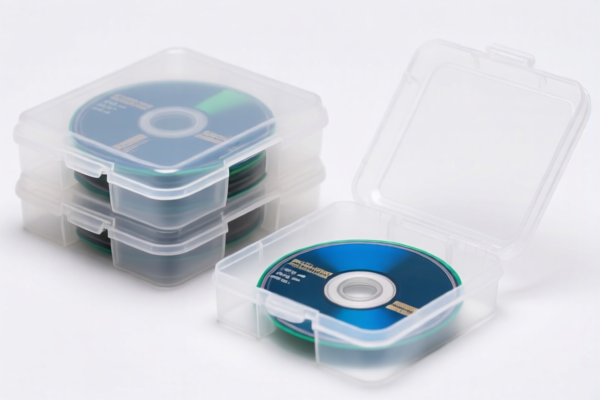
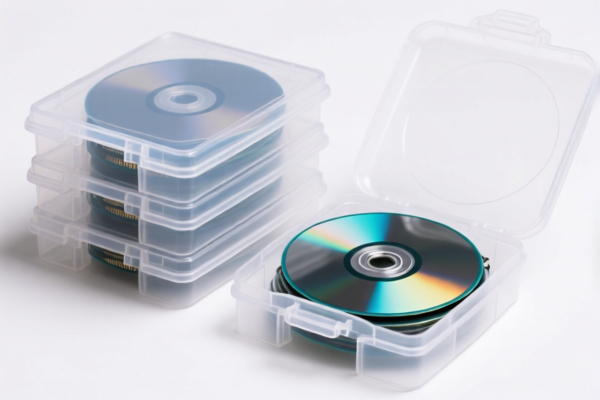
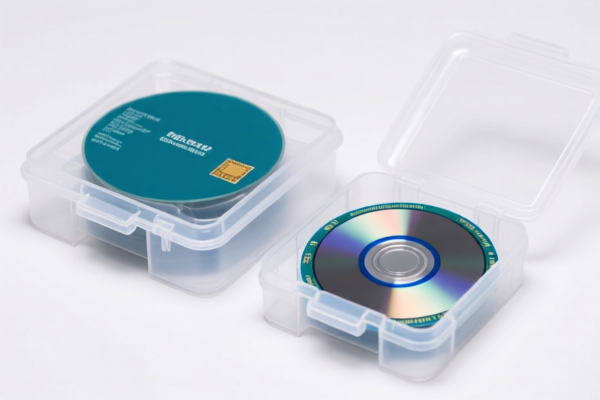
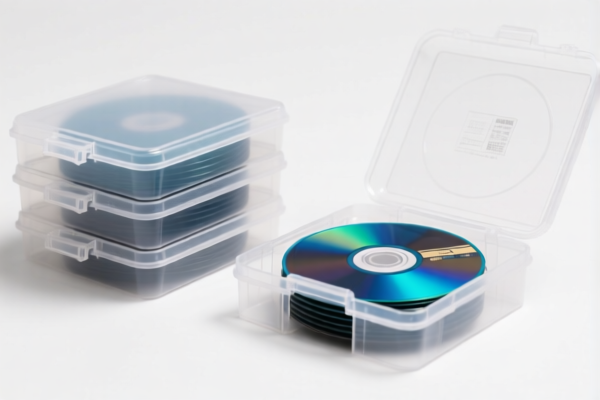
AI Analysis
📦 Box (Packaging & Storage Containers)
🌐 HS Code Reference & Customs Clearance Guide | 2026 Latest Tariff Analysis | Professional Strategy for Boxes
📌 Part 1: Product Definition & Classification: Do You Really Know What a "Box" Is?
In international trade, the term "Box" is notoriously ambiguous. It does not refer to a single commodity but rather a vast array of packaging and storage solutions. The correct HS Code depends entirely on the material composition and the intended function of the container.
Generally, boxes are classified into three main categories: 1. Paper/Cardboard Boxes: Commonly used for retail, shipping, and consumer goods. 2. Plastic Boxes: Used for transportation, storage, and industrial packaging. 3. Other Material Boxes: Including leather, textile, or specialty containers (e.g., jewelry boxes, musical instrument cases).
⚠️ Key Distinction Point:
- If it is paper/cardboard → Look at Chapter 48.
- If it is plastic → Look at Chapter 39.
- If it is leather/fabric or for jewelry → Look at Chapter 42.
📊 Part 2: HS Code Classification Details (2026 Latest Tariff Authority Comparison)
Based on the provided data, here are the specific HS Codes for different types of "Boxes":
| HS Code | Product Description | Material | Primary Use Case |
|---|---|---|---|
4819.10.00.40 |
Paper or Fibreboard Boxes | Paper/Cardboard | General retail packaging, shipping cartons, consumer product boxes. |
3923.10.90.00 |
Plastic Boxes | Plastic | General purpose plastic storage, food containers, industrial plastic crates. |
3923.10.20.00 |
Plastic Transport/Packaging Articles | Plastic | Specific plastic items for transport or packaging logistics (e.g., pallets, bins). |
4202.92.93.15 |
Other Containers | Leather/Textile/etc. | Non-standard materials (e.g., hard-shell cases, travel bags, miscellaneous containers). |
4202.92.60.10 |
Jewelry Boxes & Similar Containers | Leather/Fabric/Other | Jewelry, watches, precious items, luxury gift boxes. |
🔍 Critical Reminder:
- Material is King: A box made of plastic with a cardboard insert is still classified as Plastic (3923) if the outer structural integrity is plastic.
- Specificity Matters:4202.92.60.10is reserved specifically for jewelry boxes. If you declare a wooden jewelry box, it might fall under a different chapter (wood), but if it's fabric/leather-lined, it falls here.
- Function vs. Material:3923.10.20.00is for "transport/packaging articles," while3923.10.90.00is a "basket" for other plastic boxes. Be precise in your description.
💰 Part 3: 2026 Latest Tariff Rate Breakdown (Including Surtaxes & Policy Add-ons)
✅ Applicable Country: United States (US)
✅ Origin: China (CN)
✅ Effective Time: Current rates apply (Subject to IEEPA and Section 301)
🎯 1. 4819.10.00.40 – Paper or Fibreboard Boxes
| Item | Detail |
|---|---|
| Base Tariff | 0.0% |
| Section 301 Surtax | +25.0% |
| IEEPA (Section 122) Surtax | +10.0% |
| Total Tariff Rate | 35.0% |
| Tax Calculation | CIF Value × 35% |
| De Minimis Exemption | ❌ Not Eligible (Denied) |
| Legal Pathway | USITC:4819.10.00.40 → Section 301: 25% → IEEPA: 10% |
📌 Explanation:
- Although paper boxes have a 0% base rate, they are heavily impacted by trade wars.
- 25% is the standard Section 301 tariff for Chinese goods.
- 10% is the additional IEEPA tariff (often referred to as the "122 clause" tariff) targeting specific Chinese imports.
- Total 35% is significant for low-margin packaging goods.
🎯 2. 3923.10.90.00 – Plastic Boxes (General)
| Item | Detail |
|---|---|
| Base Tariff | 3.0% |
| Section 301 Surtax | +25.0% |
| IEEPA (Section 122) Surtax | +10.0% |
| Total Tariff Rate | 38.0% |
| Tax Calculation | CIF Value × 38% |
| De Minimis Exemption | ❌ Not Eligible (Denied) |
| Legal Pathway | USITC:3923.10.90.00 → Section 301: 25% → IEEPA: 10% |
📌 Explanation:
- Plastic boxes start with a 3% base tariff.
- Add 25% (301) + 10% (IEEPA) = 38% Total.
- This is slightly higher than paper boxes due to the base rate.
🎯 3. 3923.10.20.00 – Plastic Transport/Packaging Articles
| Item | Detail |
|---|---|
| Base Tariff | 0.0% |
| Section 301 Surtax | +25.0% |
| IEEPA (Section 122) Surtax | +10.0% |
| Total Tariff Rate | 35.0% |
| Tax Calculation | CIF Value × 35% |
| De Minimis Exemption | ❌ Not Eligible (Denied) |
| Legal Pathway | USITC:3923.10.20.00 → Section 301: 25% → IEEPA: 10% |
📌 Explanation:
- Similar to paper boxes, this has a 0% base rate.
- Total rate is 35%.
- Distinction: Ensure the item is truly for "transport or packaging" (e.g., reusable plastic crates, pallets) to qualify for this code rather than3923.10.90.00.
🎯 4. 4202.92.93.15 – Other Containers (Non-Jewelry/Non-Paper/Non-Plastic)
| Item | Detail |
|---|---|
| Base Tariff | 17.6% |
| Section 301 Surtax | +25.0% |
| IEEPA (Section 122) Surtax | +10.0% |
| Total Tariff Rate | 52.6% |
| Tax Calculation | CIF Value × 52.6% |
| De Minimis Exemption | ❌ Not Eligible (Denied) |
| Legal Pathway | USITC:4202.92.93.15 → Section 301: 25% → IEEPA: 10% |
📌 Explanation:
- This is the most expensive category.
- 17.6% base rate reflects the higher value/nature of items like leather cases or luxury travel goods.
- Total 52.6% will severely impact profit margins.
- Caution: Avoid this code unless necessary. If it’s a simple box, ensure it’s not misclassified as a "luxury container."
🎯 5. 4202.92.60.10 – Jewelry Boxes & Similar Containers
| Item | Detail |
|---|---|
| Base Tariff | 6.3% |
| Section 301 Surtax | +25.0% |
| IEEPA (Section 122) Surtax | +10.0% |
| Total Tariff Rate | 41.3% |
| Tax Calculation | CIF Value × 41.3% |
| De Minimis Exemption | ❌ Not Eligible (Denied) |
| Legal Pathway | USITC:4202.92.60.10 → Section 301: 25% → IEEPA: 10% |
📌 Explanation:
- Specifically for jewelry boxes.
- 6.3% base rate is moderate.
- Total 41.3% is high.
- Note: If the box is made of wood, plastic, or paper, it must not be declared as a jewelry box under this code if it doesn't fit the material definition. Misclassification leads to penalties.
🛠️ Part 4: Customs Clearance Practical Advice (Pitfall Avoidance Guide)
✅ 1. Preparation Checklist (Essential Documents)
| Document | Required? | Purpose |
|---|---|---|
| ✅ Product Photos | ✔️ | Must clearly show material (e.g., cardboard texture, plastic transparency, leather grain). |
| ✅ Bill of Lading/Invoice | ✔️ | Describe item as "Cardboard Box," "Plastic Storage Bin," or "Jewelry Box," NOT just "Box." |
| ✅ Material Declaration | ✔️ | Explicitly state: "100% Kraft Paper," "HDPE Plastic," or "Synthetic Leather." |
| ✅ Product Specifications | ✔️ | Dimensions, weight, and whether it is disposable or reusable. |
✅ 2. Declaration Tips (Key Mantra)
🔥 “Material First, Function Second, Avoid Ambiguity!”
| Situation | Correct Declaration | Wrong Approach |
|---|---|---|
| Cardboard Shipping Box | "Paper Box, Corrugated" | "Packaging Material" → Risk of reclassification |
| Plastic Toy Box | "Plastic Box for Storage" | "Toy" → Wrong chapter |
| Leather Jewelry Box | "Jewelry Box, Leather/Fabric" | "Container" → Could be caught as 4202.92.93.15 (52.6%) |
| Plastic Crate for Pallet | "Plastic Transport Article" | "Plastic Box" → Could be 3923.10.90.00 (38%) vs 3923.10.20.00 (35%) |
✅ 3. Special Case Handling
| Situation | Advice |
|---|---|
| OEM Packaging | If the box has a brand logo, ensure it’s declared as "Packaging," not "Merchandise." |
| Mixed Materials | If a box has a cardboard exterior and plastic interior, declare based on the outermost structural material (usually Paper → 35%). |
| Luxury Appearance | If a cardboard box looks like leather, Customs may inspect. Provide photos proving it’s printed cardboard. |
🌍 Part 5: Global Market Comparison (2026 Latest)
| Country/Region | Recommended HS Code | Tariff (China Origin) | Notes |
|---|---|---|---|
| 🇺🇸 USA | 4819.10.00.40 (Paper) |
35.0% | High surtaxes (25% + 10%). |
| 🇪🇺 EU | 4819.10 (Paper) |
0% - 3% | Generally lower duties, no IEEPA. |
| 🇨🇳 China | 4819.10 (Paper) |
10% - 20% | Import duty + VAT. |
| 🇬🇧 UK | 4819.10 (Paper) |
0% - 5% | Post-Brexit tariffs vary. |
📌 Conclusion:
- USA is the most expensive market for boxes due to the 35%-52.6% total tariffs.
- Paper and Plastic Boxes have similar rates (35-38%), but Leather/Jewelry boxes are significantly more expensive (41.3%-52.6%).
- Strategy: Optimize design to use cheaper materials (Paper/Plastic) if possible, and avoid "luxury" material classifications unless justified.
📌 Part 6: Common Errors & Pitfalls (Lessons Learned)
❌ Error 1: Declaring "Jewelry Box" for a cardboard box
👉 Consequence: If misclassified as 4202.92.60.10, you pay 41.3% instead of 35%. Worse, if it’s actually plastic, you could be fined for fraud.
❌ Error 2: Using "Box" as the only description
👉 Consequence: Customs lacks info to determine material → Delay, Inspection, or Rejection.
❌ Error 3: Confusing 3923.10.20.00 and 3923.10.90.00
👉 Consequence: Minor rate difference (35% vs 38%). While small, consistent errors trigger audits. Use 20.00 for transport/packaging logistics items.
❌ Error 4: Ignoring the 10% IEEPA Surtax
👉 Consequence: Underestimating landed cost. Total tax is NOT just 25%. It is 25% + 10% + Base.
✅ Correct Practice:
"Corrugated Paper Box, for shipping electronics, Model XYZ, 100% Recycled Paper"
🎯 Part 7: Conclusion: Professional Classification, Save Money!
🎯 Remember the Mantra:
🔹 "Paper is 35%, Plastic is 38%, Leather is High (52.6%), Jewelry is 41.3%."
🔹 "Specify Material! Ambiguity Costs You!"
🔹 "Base Rate + 25% (301) + 10% (IEEPA) = Total Tax."
📌 Pro Tip:
If your boxes are originating from Vietnam, Mexico, or Thailand, you may apply for IEEPA Exemptions or lower tariffs under USMCA/FTAA.
Suggest Advance Rulings for large-volume shipments to lock in classification.
📣 Immediate Action:
📞 Contact your customs broker + Provide Material Samples + Request HS Code Advance Ruling
🚀 Ensure your boxes clear customs smoothly, maximize profit margins!
✨ Professional Customs Clearance Starts with Precise Classification!
💼 Every Cent of Tax Saved is Pure Profit!
Customer Reviews
About HS Code Classification
The Harmonized System (HS) is an internationally standardized nomenclature developed by the World Customs Organization (WCO) to classify traded products. Over 200 countries use the HS system as the basis for customs tariffs, trade statistics, and import/export regulations.
Each HS code follows a hierarchical structure:
- Chapter (2 digits) — Broad category of goods (e.g., Chapter 84: Machinery and Mechanical Appliances)
- Heading (4 digits) — More specific grouping within the chapter
- Subheading (6 digits) — Internationally standardized breakdown, used by all WCO member countries
- National subdivisions (8-10 digits) — Country-specific extensions for further classification, such as US HTSUS 10-digit codes
Correct HS code classification is essential for smooth customs clearance, accurate duty payment, and compliance with trade regulations. Misclassification can lead to customs delays, overpayment of duties, or penalties.
When importing from CN to US, the applicable tariff rates may include:
- Most-Favored-Nation (MFN) rate — The standard duty rate applied to WTO members
- General rate — Applied to countries without trade agreements
- Trade remedy duties — Additional tariffs such as Section 301 (anti-dumping), Section 232 (national security), or countervailing duties
The information provided on this page is for reference purposes only. For official classification, please consult with your local customs authority or a licensed customs broker.