Boxed Disposable Plastic Gloves
CN → US| HS Code | Tariff Rate | Origin | Destination | Doc |
|---|---|---|---|---|
| 3926201020 | 10.0% | CN | US | Official Doc |
| 3926204010 | 16.5% | CN | US | Official Doc |
| 3926201020 | 10.0% | CN | US | Official Doc |
| 3926204010 | 16.5% | CN | US | Official Doc |
| 3926204010 | 16.5% | CN | US | Official Doc |
Product Images
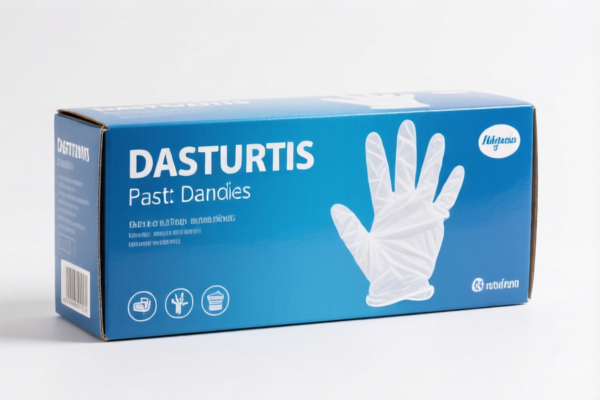

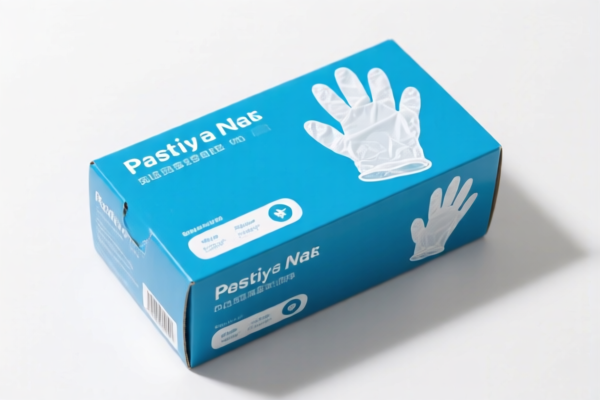
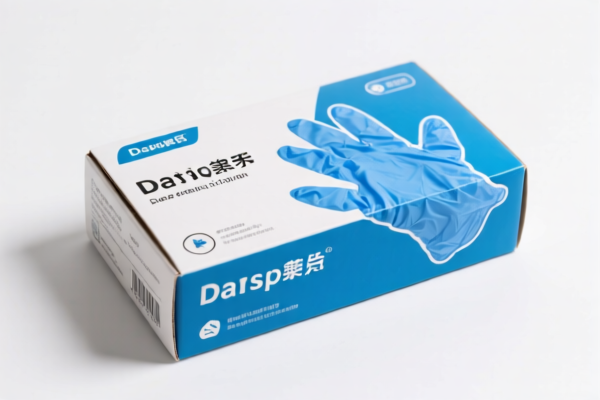
AI Analysis
🧤 Boxed Disposable Plastic Gloves: HS Code Classification & Customs Clearance Guide (2026)
🌐 HS Code Reference & Customs Strategy | 2026 Latest Tariff Analysis | Professional Clearance Protocol
📌 I. Product Definition & Classification: Understanding "Disposable Plastic Gloves"
Disposable plastic gloves are ubiquitous personal protective equipment (PPE) and household items. In international trade, they are classified under Chapter 39 (Plastics and Articles Thereof), specifically within Heading 3926 (Other articles of plastics).
The classification hinges on two key factors: 1. Material: Plastic (typically Polyethylene/PE, Vinyl, or Nitrile). 2. Form/Usage: Disposable gloves, often packaged in boxes.
However, the specific HS Code depends on detailed product features such as powdering (powdered vs. non-powdered) and specific manufacturing nuances, which trigger different sub-headings under USHTS (United States Harmonized Tariff Schedule).
⚠️ Critical Distinction:
- "Boxed Disposable Plastic Gloves" (General/Non-Powdered): Often classified under 3926.20.10.20. - "Powdered" or Specific "Disposable Gloves" Variants: Often classified under 3926.20.40.10. - Key Differentiator: The presence of powder or specific disposable designations can shift the code from.10to.40, drastically changing the tax liability.
📦 II. HS Code Classification Details (2026 Latest Tariff Authority)
Based on the provided data for "Boxed Disposable Plastic Gloves", here are the two primary classification paths:
| HS Code | Product Description | Key Features | Total Tax Rate |
|---|---|---|---|
3926.20.10.20 |
Boxed Disposable Plastic Gloves | Material: Plastic; Form: Gloves; Use: Disposable. General classification for boxed plastic gloves. | 10.0% |
3926.20.40.10 |
Boxed Disposable Plastic Gloves (Powdered/Specific) | Material: Plastic; Form: Gloves; Use: Disposable; Includes "Powdered" or specific disposable characteristics. | 16.5% |
🔍 Detailed Breakdown: -
3926.20.10.20: Fits the summary: "Boxed disposable plastic gloves, material is plastic, use is disposable, form is gloves, conforms to plastic product classification." -3926.20.40.10: Fits the summary: "Boxed disposable plastic gloves, commodity form is gloves, use is disposable, material is plastic, completely conforms to classification characteristics." Also applies to "One-time powder plastic gloves."
💰 III. 2026 Latest Tariff Rate Breakdown (Including Surtaxes & Policy Add-ons)
✅ Applicable Country: United States (US)
✅ Origin: China (CN)
✅ Effective Time: Includes imports from Nov 10, 2025 onwards
🎯 1. 3926.20.10.20 —— Boxed Disposable Plastic Gloves (General)
| Item | Content |
|---|---|
| Base Tariff | 0.0% (ad valorem) |
| Section 301 Surcharge | 0.0% |
| Section 122 Tariff | +10.0% |
| Total Effective Rate | 10.0% |
| Tax Calculation | CIF Value × 10% |
| De Minimis Exemption | ❌ Not Applicable (Section 122 rules apply) |
| Legal Basis | HTSUS:3926.20.10.20 + Section 122 Directive |
📌 Explanation:
- This code benefits from a 0% base tariff and 0% Section 301 tariff. - However, it is subject to a 10% Section 122 tariff (often related to specific trade policy measures on plastic goods). - Total Cost: 10% of the CIF value.
🎯 2. 3926.20.40.10 —— Boxed/Powdered Disposable Plastic Gloves
| Item | Content |
|---|---|
| Base Tariff | 6.5% (ad valorem) |
| Section 301 Surcharge | 0.0% |
| Section 122 Tariff | +10.0% |
| Total Effective Rate | 16.5% |
| Tax Calculation | CIF Value × 16.5% |
| De Minimis Exemption | ❌ Not Applicable |
| Legal Basis | HTSUS:3926.20.40.10 + Section 122 Directive |
📌 Explanation:
- This code has a higher base tariff of 6.5%. - It also incurs the 10% Section 122 tariff. - Total Cost: 16.5% of the CIF value. - Why the difference? This code is often used for powdered gloves or specific variants that fall under a different sub-heading within 3926.20.40.
🛠️ IV. Customs Clearance Practical Advice (Avoid Pitfalls)
✅ 1. Documentation Checklist (Essential)
| Document | Required? | Notes |
|---|---|---|
| ✅ Product Specification Sheet | ✔️ | Must clearly state: Material (PE/PVC/Nitrile), Powdered/Non-Powdered, Boxed/Loose. |
| ✅ Commercial Invoice | ✔️ | Must specify "Disposable Plastic Gloves" and mention "Boxed". |
| ✅ Packing List | ✔️ | Detail the number of boxes, pairs per box, and total weight. |
| ✅ Origin Certificate | ✔️ | Confirm Chinese origin to apply correct tariffs. |
| ✅ FDA Registration (if medical) | ✔️ | If marketed as medical gloves, FDA compliance is mandatory. If household/industrial, still good practice. |
| ✅ Product Photos | ✔️ | Clear images showing the box, glove texture, and any labeling (e.g., "Powdered"). |
✅ 2. Declaration Strategy (Key Rules)
🔥 "Know Your Powder, Know Your Price!"
| Scenario | Correct HS Code | Risk if Misdeclared |
|---|---|---|
| Non-Powdered, Standard Boxed Gloves | 3926.20.10.20 (10%) |
If declared as .40, you overpay 6.5%. If declared as other, risk audit. |
| Powdered Gloves | 3926.20.40.10 (16.5%) |
If declared as .10, you underpay 6.5% + risk penalties for misclassification. |
| Medical Grade Gloves | May fall under 4015 (Rubber) | If misclassified as plastic, severe penalties for bypassing medical device regulations. |
| Bulk vs. Boxed | Both can be .10 or .40 |
Ensure "Boxed" is stated if required by the specific sub-heading description. |
📌 Critical Reminder:
- Do NOT split shipments to avoid Section 122 tariffs. The 10% applies regardless of volume. - Material Matters: If gloves are made of rubber (e.g., natural latex), they fall under Chapter 40 (4015.11/4015.19), NOT Chapter 39. Misclassification here leads to significant discrepancies.
✅ 3. Special Case Handling
| Situation | Advice |
|---|---|
| OEM/Private Label | Ensure the invoice matches the product exactly. Brand name doesn’t change HS, but material/powder does. |
| Mixed Shipment (Powdered & Non-Powdered) | Do not mix on one line item. Declare separately. Mixed declaration will likely be audited and taxed at the higher rate (16.5%) for the whole lot. |
| Non-Medical vs. Medical | If labeled "Surgical" or "Medical," check if they are rubber (Latex/Nitrile). If plastic (PE), they are still 3926, but ensure no false medical claims. |
🌍 V. Global Market Comparison (2026)
| Country/Region | Recommended HS Code | Base Tariff | Additional Tax | Total Est. | Notes |
|---|---|---|---|---|---|
| 🇺🇸 USA | 3926.20.10.20 |
0% | 10% (Sec 122) | 10.0% | Best rate for non-powdered. |
| 🇺🇸 USA | 3926.20.40.10 |
6.5% | 10% (Sec 122) | 16.5% | For powdered/specific variants. |
| 🇨🇳 China | 3926.20.10.20 |
~5-6% | None | ~5-6% | Import tax for China. |
| 🇪🇺 EU | 3926.20.90 |
~4% | None | ~4% | Standard EU duty for plastic gloves. |
| 🇬🇧 UK | 3926.20.90 |
~4% | None | ~4% | Post-Brexit tariff. |
📌 Conclusion:
- The US market has the highest complexity due to Section 122 tariffs. - Non-powdered gloves (.10.20) are significantly cheaper to import into the US (10%) compared to powdered variants (16.5%). - Consider switching to non-powdered production if feasible to save 6.5% in duties.
📌 VI. Common Errors & Pitfalls (Lessons Learned)
❌ Error 1: Declaring Powdered gloves as Non-Powdered (3926.20.10.20)
👉 Consequence: Underpayment of 6.5% base tariff. CBP will issue a Liquidated Damages claim for the difference + interest.
❌ Error 2: Using "Rubber Gloves" description for Plastic (PE/PVC) gloves
👉 Consequence: Wrong chapter (Chapter 40 vs. 39). CBP may reclassify, leading to higher duties if the rubber code has higher base rates, or delays for FDA/OTC documentation.
❌ Error 3: Ignoring Section 122
👉 Consequence: Assuming 0% or 301% rates. Section 122 is mandatory for these plastic goods from China, adding a flat 10% on top.
❌ Error 4: Mixing Medical and Non-Medical gloves in one box
👉 Consequence: Confusion in valuation and classification. Separate shipments for clarity.
✅ Correct Practice:
"Disposable Plastic Gloves, Non-Powdered, PE Material, 100 Pairs/Box, Model XYZ"
Use3926.20.10.20→ 10% Total Tax.
🎯 VII. Conclusion: Professional Declaration, Cost Savings!
🎯 Remember the Rule of Thumb:
🔹 "Plastic? Boxed? 3926.20."
🔹 "Powdered? Pay 16.5%. Non-Powdered? Pay 10%."
🔹 "Section 122 is always 10%. Never forget!"
📌 Pro Tip:
If you are exporting to the US, optimize your product line:
- Prefer Non-Powdered variants to lock in the 10% effective rate.
- Ensure clear labeling to avoid CBP confusion between Plastic (3926) and Rubber (4015).
📣 Immediate Action:
📞 Contact your customs broker with the exact product specs (Powdered/Non-Powdered, Material).
📄 Request an Advance Ruling from CBP if the volume is high.
🚀 Save 6.5% by choosing the right product specification!
✨ Professional Customs Clearance Starts with Accurate Classification!
💼 Every Cent Saved is Pure Profit!
Customer Reviews
About HS Code Classification
The Harmonized System (HS) is an internationally standardized nomenclature developed by the World Customs Organization (WCO) to classify traded products. Over 200 countries use the HS system as the basis for customs tariffs, trade statistics, and import/export regulations.
Each HS code follows a hierarchical structure:
- Chapter (2 digits) — Broad category of goods (e.g., Chapter 84: Machinery and Mechanical Appliances)
- Heading (4 digits) — More specific grouping within the chapter
- Subheading (6 digits) — Internationally standardized breakdown, used by all WCO member countries
- National subdivisions (8-10 digits) — Country-specific extensions for further classification, such as US HTSUS 10-digit codes
Correct HS code classification is essential for smooth customs clearance, accurate duty payment, and compliance with trade regulations. Misclassification can lead to customs delays, overpayment of duties, or penalties.
When importing from CN to US, the applicable tariff rates may include:
- Most-Favored-Nation (MFN) rate — The standard duty rate applied to WTO members
- General rate — Applied to countries without trade agreements
- Trade remedy duties — Additional tariffs such as Section 301 (anti-dumping), Section 232 (national security), or countervailing duties
The information provided on this page is for reference purposes only. For official classification, please consult with your local customs authority or a licensed customs broker.