Boxing Suit
CN → US| HS Code | Tariff Rate | Origin | Destination | Doc |
|---|---|---|---|---|
| 9506996080 | 21.5% | CN | US | Official Doc |
| 6112120030 | 45.7% | CN | US | Official Doc |
| 6211431050 | 33.5% | CN | US | Official Doc |
| 6112120050 | 45.7% | CN | US | Official Doc |
| 9506910030 | 22.1% | CN | US | Official Doc |
Product Images
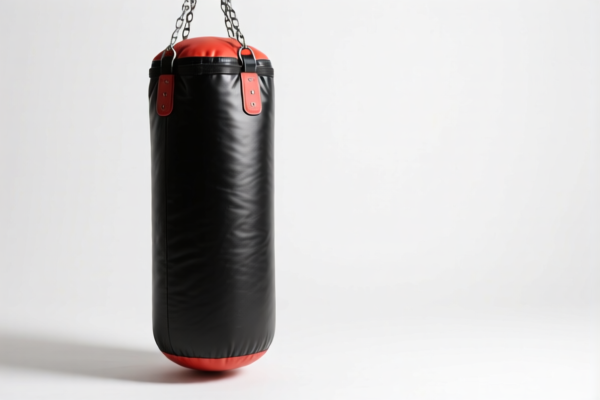
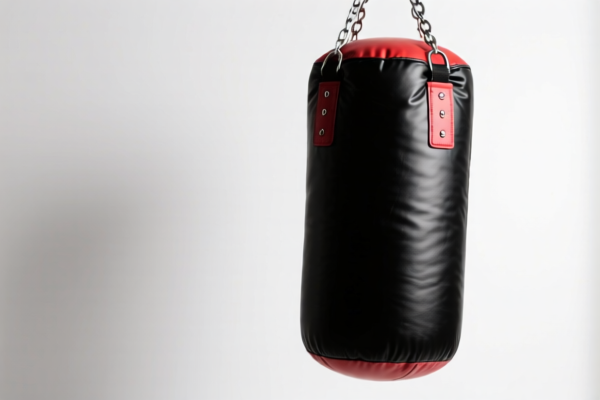
AI Analysis
🥊 Boxing Suit (Athletic Apparel & Gear)
🌐 HS Code Reference & Customs Clearance Guide | 2026 Latest Tariff Analysis | Professional Clearance Strategy
📌 I. Product Definition & Classification: What Exactly is a "Boxing Suit"?
A "Boxing Suit" in international trade is ambiguous. It generally refers to either: 1. Athletic Apparel: Tracksuits, sweatpants, and jackets worn by boxers for warm-ups, training, or competition (e.g., official competition tracksuits). 2. Training Gear/Accessories: While less common as a single "suit," some sets might include protective gear, but primarily, customs looks at the primary material and function.
⚠️ Key Distinction:
- If it is textile-based (knit or woven fabric) intended for wearing → Classified under Chapter 61 (Knitted) or Chapter 62 (Woven).
- If it contains significant metal/rubber components (e.g., rigid armor plates) or is purely a fitness apparatus set → Classified under Chapter 95 (Sports Equipment).
📦 II. HS Code Classification Details (2026 Latest Tariff Authority Comparison)
| HS Code | Product Description | Application Scenario | Primary Material |
|---|---|---|---|
9506.99.60.80 |
Articles and equipment for general physical exercise (e.g., fitness sets with metal/plastic/rubber components) | Fitness training sets, rigid protective gear sets, non-textile fitness apparatus | Metal, Plastic, Rubber |
6112.12.00.30 |
Knitted or crocheted tracksuits, of synthetic fibers | Boxing warm-up tracksuits, synthetic knit training sets | Synthetic Fibers (Knitted) |
6211.43.10.50 |
Other clothing, of man-made fibers (Woven) | Boxing tracksuits, woven sweatpants/jackets for athletes | Man-Made Fibers (Woven) |
6112.12.00.50 |
Knitted or crocheted tracksuits, of cotton | Boxing warm-up suits made of cotton blend | Cotton (Knitted) |
9506.91.00.30 |
Articles and equipment for general physical exercise (e.g., generic fitness gear) | Generic fitness sets, boxing-related accessories that are not clothing | Mixed/General Fitness |
🔍 Critical Reminder:
- Textile Rules Apply: If the item is primarily clothing (tracksuit, sweatpants), it MUST be classified under Chapters 61 or 62, NOT Chapter 95. Chapter 95 is for equipment used during exercise, not worn. - Knit vs. Woven: Distinguish between knit (6112) and woven (6211). This affects the base tariff. - Material Matters: Synthetic (...00.30) vs. Cotton (...00.50) vs. Man-made fiber woven (6211.43.10.50).
💰 III. 2026 Latest Tariff Rate Breakdown (Including Add-on Taxes & Policy Surcharges)
✅ Applicable Country: USA (US)
✅ Origin: China (CN)
✅ Effective Date: Post-2025.11.10 (Including subsequent imports)
🎯 1. 9506.99.60.80 —— Fitness Sets (Non-Textile/Generic Equipment)
| Item | Content |
|---|---|
| Base Tariff | 4.0% (ad valorem) |
| Section 301 Add-on | +7.5% |
| Section 122 Tariff | +10% |
| Section 232 Tariff (Steel/Aluminum/Copper) | +50% |
| Total Rate | 71.5% |
| Tax Calculation | CIF Value × 71.5% |
| De Minimis Eligibility | ❌ No (deny_de_minimis) |
| Legal Path | Section 232: 9903.01.02 → Section 122: 9903.01.03 → Section 301: 9903.01.24 → USITC: 9506.99.60.80 |
📌 Explanation:
- If the "suit" is misclassified as equipment with metal/plastic components, it triggers the Section 232 steel/aluminum tariff (+50%), which is massive. - Total 71.5% is extremely high. Misclassification is risky.
🎯 2. 6112.12.00.30 —— Knitted Tracksuits (Synthetic Fibers)
| Item | Content |
|---|---|
| Base Tariff | 28.2% |
| Section 301 Add-on | +7.5% |
| Section 122 Tariff | +10% |
| Total Rate | 45.7% |
| Tax Calculation | CIF Value × 45.7% |
| De Minimis Eligibility | ❌ No (deny_de_minimis) |
| Legal Path | Section 122: 9903.01.03 → Section 301: 9903.01.24 → USITC: 6112.12.00.30 |
📌 Explanation:
- This is the most common classification for synthetic boxing tracksuits. - Base rate is high (28.2%) due to textile category, but avoids the 50% Section 232 penalty.
🎯 3. 6211.43.10.50 —— Other Clothing (Woven, Man-Made Fibers)
| Item | Content |
|---|---|
| Base Tariff | 16.0% |
| Section 301 Add-on | +7.5% |
| Section 122 Tariff | +10% |
| Total Rate | 33.5% |
| Tax Calculation | CIF Value × 33.5% |
| De Minimis Eligibility | ❌ No (deny_de_minimis) |
| Legal Path | Section 122: 9903.01.03 → Section 301: 9903.01.24 → USITC: 6211.43.10.50 |
📌 Explanation:
- For woven boxing suits (e.g., lightweight windbreakers, track pants). - Lowest total tax (33.5%) among textiles, but requires proof of woven fabric.
🎯 4. 6112.12.00.50 —— Knitted Tracksuits (Cotton)
| Item | Content |
|---|---|
| Base Tariff | 28.2% |
| Section 301 Add-on | +7.5% |
| Section 122 Tariff | +10% |
| Total Rate | 45.7% |
| Tax Calculation | CIF Value × 45.7% |
| De Minimis Eligibility | ❌ No (deny_de_minimis) |
| Legal Path | Section 122: 9903.01.03 → Section 301: 9903.01.24 → USITC: 6112.12.00.50 |
📌 Explanation:
- Same rate as synthetic knitted suits. Depends entirely on fiber content (Cotton vs. Synthetic).
🎯 5. 9506.91.00.30 —— General Fitness Articles
| Item | Content |
|---|---|
| Base Tariff | 4.6% |
| Section 301 Add-on | +7.5% |
| Section 122 Tariff | +10% |
| Section 232 Tariff (Steel/Aluminum/Copper) | +50% |
| Total Rate | 72.1% |
| Tax Calculation | CIF Value × 72.1% |
| De Minimis Eligibility | ❌ No (deny_de_minimis) |
| Legal Path | Section 232: 9903.01.02 → Section 122: 9903.01.03 → Section 301: 9903.01.24 → USITC: 9506.91.00.30 |
📌 Explanation:
- High risk. If the "suit" is interpreted as a "fitness set" with rigid parts, it triggers Section 232. Avoid unless it’s truly non-clothing equipment.
🛠️ IV. Customs Clearance Practical Advice (Battle-Tested Pitfall Guide)
✅ 1. Preparation Checklist (Non-negotiable)
| Document | Must Provide | Explanation |
|---|---|---|
| ✅ Product Specification Sheet | ✔️ | Detailed description: "Boxing Tracksuit," material composition %, knit/woven type. |
| ✅ Fabric Swatch or Micrograph | ✔️ | Proof of knit vs. woven, and fiber content (Cotton vs. Synthetic). |
| ✅ Product Photos (Front/Back/Label) | ✔️ | Show it is clearly apparel (collar, cuffs, legs), not rigid gear. |
| ✅ Commercial Invoice | ✔️ | Use precise description: "Knitted Cotton Boxing Tracksuit," NOT "Fitness Set." |
| ✅ Bill of Lading / Packing List | ✔️ | Ensure no mixed shipments of clothing and metal equipment. |
✅ 2. Declaration Strategy (Key Mantra)
🔥 “Clothing is Cloth, Not Equipment! Specify Knit/Woven and Fiber!”
| Scenario | Correct Declaration | Incorrect Action |
|---|---|---|
| Textile Boxing Suit (Tracksuit) | 6112.12.00.30 (Synthetic Knit) or 6211.43.10.50 (Woven) |
Misclassify as 9506 → 72% Tax + Penalty |
| Mixed Set (Suit + Gloves) | Split Declaration: Suit → Chapter 61/62; Gloves → Chapter 95 | Declare as one HS Code → Confusion & Audit Risk |
| Rigid Protective "Suit" | 9506.99.60.80 |
Only if it contains metal/plastic armor |
| Generic "Fitness Gear" | 9506.91.00.30 |
Avoid if it’s wearable clothing |
📌 Why it matters:
- Chapter 95 (9506) is for equipment. Chapter 61/62 is for clothing.
- Customs officers will reject9506for a tracksuit because it violates GRI 1 (General Rules of Interpretation) – essential character is textile.
✅ 3. Special Cases
| Case | Handling Advice |
|---|---|
| OEM Boxing Suits | Provide brand authorization and design specs to prove it’s apparel. |
| Cotton vs. Synthetic | Ensure the % content matches the HS code. 50%+ cotton → 6112.12.00.50. |
| Sets with Gloves | Declare separately. Gloves are 9506.99, Suit is 6112/6211. |
| Children’s Boxing Suits | Still Chapter 61/62, but different subheadings (not in this dataset). |
🌍 V. Global Market Customs Comparison (2026 Latest)
| Country/Region | Recommended HS Code | Tariff (China Origin) | Certification | Notes |
|---|---|---|---|---|
| 🇺🇸 USA | 6112.12.00.30 / 6211.43.10.50 |
33.5% - 45.7% | None specific for apparel | High Section 301/122 taxes. No Section 232 if textile. |
| 🇨🇳 China | 6112.12.00.30 |
10.5% - 16.0% | CCC (if marked) | Lower base tariff, no Section 301. |
| 🇪🇺 EU | 6112.12.00.30 |
12% - 16% | REACH | No US-style add-on tariffs. |
| 🇯🇵 Japan | 6112.12.00.30 |
14% - 18% | FSC | Moderate tariffs. |
| 🇬🇧 UK | 6112.12.00.30 |
12% - 16% | UKCA | Post-Brexit alignment with EU. |
📌 Conclusion:
- USA is the most expensive due to Section 301, 122, and potential 232 tariffs. - Textile classification (Ch 61/62) is crucial to avoid the 50% Section 232 tariff applied to metal/plastic fitness equipment.
📌 VI. Common Errors & Pitfalls (Lessons from the Trenches)
❌ Error 1: Declaring a Knitted Tracksuit as 9506.99.60.80 (Fitness Equipment)
👉 Consequence: Tax jumps from 45.7% to 71.5% due to Section 232 Steel/Aluminum penalty. Loss of profit!
❌ Error 2: Mixing Cotton and Synthetic without specifying composition
👉 Consequence: Customs may default to the highest duty or detain shipment for reclassification.
❌ Error 3: Using vague description "Boxing Set" without specifying "Tracksuit"
👉 Consequence: Customs suspects equipment → Audit delay → Storage fees & demurrage.
❌ Error 4: Ignoring Section 122 (10% tariff) on textiles
👉 Consequence: Underpayment of tax → Penalties and interest upon audit.
✅ Correct Declaration Example:
"Boxing Tracksuit, Knitted, 100% Polyester, Men's, Size L, Color Black, Model BX-2026"
HS Code:6112.12.00.30
🎯 VII. Conclusion: Precision in Classification Saves Money!
🎯 Remember the Mantra:
🔹 "Apparel is Cloth, Equipment is Gear! Check Knit/Woven, Check Fiber!"
🔹 "Chapter 95 is for Dumbbells, Chapter 61/62 is for Suits!"
🔹 "33.5% vs 72.5% – The Difference is Fabric Type!"
📌 Pro Tip:
- If your boxing suit contains metal zippers, buttons, or plastic buckles, it is STILL classified as textile (Chapter 61/62) because these are minor accessories. Do NOT let them trigger Chapter 95 or Section 232.
- Consider Advance Rulings if the product is hybrid (e.g., suit with LED lights or embedded sensors).
📣 Immediate Action:
📞 Consult a licensed customs broker
📄 Provide fabric composition reports
🚀 Optimize for6211.43.10.50(33.5%) if woven, or6112.12.00.30(45.7%) if knitted.
Avoid Chapter 95 for clothing!
✨ Professional Clearance Starts with Accurate Classification!
💼 Every Percent of Tariff Saved is Pure Profit!
Customer Reviews
About HS Code Classification
The Harmonized System (HS) is an internationally standardized nomenclature developed by the World Customs Organization (WCO) to classify traded products. Over 200 countries use the HS system as the basis for customs tariffs, trade statistics, and import/export regulations.
Each HS code follows a hierarchical structure:
- Chapter (2 digits) — Broad category of goods (e.g., Chapter 84: Machinery and Mechanical Appliances)
- Heading (4 digits) — More specific grouping within the chapter
- Subheading (6 digits) — Internationally standardized breakdown, used by all WCO member countries
- National subdivisions (8-10 digits) — Country-specific extensions for further classification, such as US HTSUS 10-digit codes
Correct HS code classification is essential for smooth customs clearance, accurate duty payment, and compliance with trade regulations. Misclassification can lead to customs delays, overpayment of duties, or penalties.
When importing from CN to US, the applicable tariff rates may include:
- Most-Favored-Nation (MFN) rate — The standard duty rate applied to WTO members
- General rate — Applied to countries without trade agreements
- Trade remedy duties — Additional tariffs such as Section 301 (anti-dumping), Section 232 (national security), or countervailing duties
The information provided on this page is for reference purposes only. For official classification, please consult with your local customs authority or a licensed customs broker.