Boy Acrylic Suit
CN → US| HS Code | Tariff Rate | Origin | Destination | Doc |
|---|---|---|---|---|
| 6114303044 | 32.4% | CN | US | Official Doc |
| 6114303060 | 32.4% | CN | US | Official Doc |
| 3926909989 | 22.8% | CN | US | Official Doc |
| 3926909905 | 22.8% | CN | US | Official Doc |
| 6211339017 | 33.5% | CN | US | Official Doc |
| 6211339015 | 33.5% | CN | US | Official Doc |
Product Images
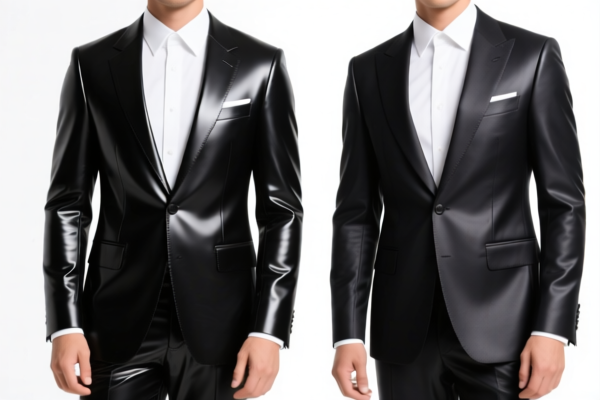
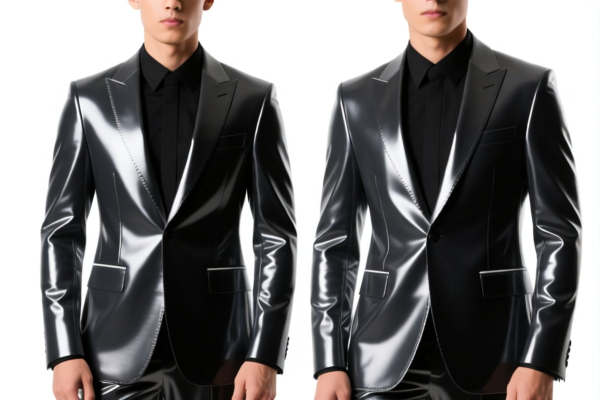

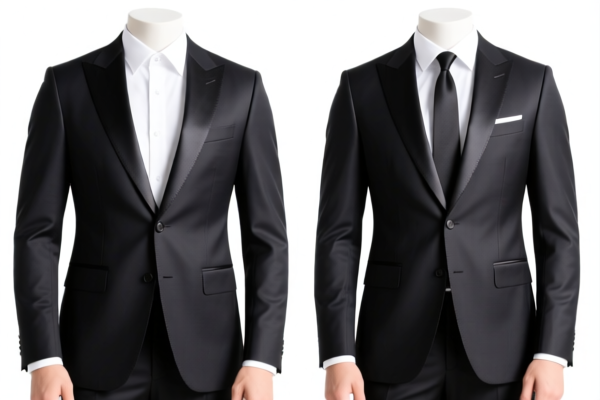
AI Analysis
👦 Boy's Acrylic Suit (Knitted or Crocheted)
🌐 HS Code Reference & Customs Clearance Guide | 2026 Latest Tariff Analysis | Professional Clearance Strategy
📌 1. Product Definition & Classification: What is an "Acrylic Suit"?
A "Boy's Acrylic Suit" refers to garments made primarily of man-made fibers (specifically acrylic) designed for boys. In international trade, the classification depends heavily on the structure of the garment:
Coveralls/Jumpsuits (One-piece):
Garments that consist of a top and bottom connected together, intended to be worn as a single piece (e.g., work coveralls, fancy dress costumes, or integrated overalls).
Separate Sets (Two-piece or more):
Sets consisting of separate tops (jackets, shirts) and bottoms (trousers, shorts) sold together but classified based on the dominant item or specific set rules. Note: Under HS 6114/6211, "Suits" are often broadly interpreted, but specific subheadings like "Coveralls" take precedence for one-piece items.
⚠️ Key Distinction:
- If the garment is a one-piece item (top and bottom joined) → Classified under Coveralls/Jumpsuits (HS 6114.30.30.44 or 6211.33.90.15/17).
- If it is a knitted one-piece → HS 6114.
- If it is woven one-piece → HS 6211.
- Note: Pure "Suits" (jacket + trousers) for boys are often classified under general outerwear or knitwear sets, but the provided DATA focuses on "Coveralls" and "Other Garments".
📦 2. HS Code Classification Details (Based on Provided DATA)
The provided data specifically lists Knitted Man-Made Fiber Coveralls and Woven Man-Made Fiber Coveralls/Swimwear. Since "Acrylic" is a man-made fiber, we look at the construction.
| HS Code | Product Description | Type | Gender | Tax Rate (China to US)* |
|---|---|---|---|---|
6114.30.30.44 |
Knitted Coveralls, Jumpsuits & Similar Apparel: Of Man-Made Fibers: Men's or Boys': Other | One-Piece (Knitted) | Boys'/Men's | 0.0% |
6211.33.90.15 |
Woven Coveralls, Jumpsuits & Similar Apparel: Of Man-Made Fibers: Boys': Sizes 2-7 | One-Piece (Woven) | Boys' | 0.0% |
6211.33.90.17 |
Woven Coveralls, Jumpsuits & Similar Apparel: Of Man-Made Fibers: Boys': Other | One-Piece (Woven) | Boys' | 0.0% |
🔍 Important Note on "Acrylic":
- Acrylic is a synthetic polymer fiber (Polyacrylonitrile), classified as Man-Made Fiber.
- If the suit is knitted (e.g., acrylic fleece suit), it falls under Chapter 61 (6114).
- If the suit is woven (e.g., acrylic gabardine coverall), it falls under Chapter 62 (6211).
- The data provided does not include a specific code for "Separate Acrylic Suits" (jacket+pants) other than general "Other Garments" (6114.30.30.60), which implies it might be treated as a general knitwear item if not a coverall. However, for boys' suits, Coveralls are the specific fit.
💰 3. 2026 Latest Tariff Rate Breakdown
✅ Applicable Country: United States (US)
✅ Origin: China (CN)
✅ Effective Time: Current rates based on provided data (0% Total Tax)
🎯 1. Knitted Acrylic Coveralls (HS: 6114.30.30.44)
| Item | Content |
|---|---|
| Basic Tariff | 0.0% |
| Additional Tariff (Section 301) | 0.0% |
| Total Tax | 0.0% |
| Calculation | CIF Value × 0% = $0 |
| De Minimis Eligibility | ❓ Note: While 0%, verify if "Garments" are excluded from de minimis in specific contexts, though 0% tax implies low risk. |
| Legal Basis | HS 6114.30.30.44 |
📌 Interpretation:
- Knitted boys' coveralls made of man-made fibers (like acrylic) currently enjoy zero tariff entry under the provided dataset.
- This is highly favorable compared to many other textile categories.
🎯 2. Woven Acrylic Coveralls (HS: 6211.33.90.15 / 6211.33.90.17)
| Item | Content |
|---|---|
| Basic Tariff | 0.0% |
| Additional Tariff (Section 301) | 0.0% |
| Total Tax | 0.0% |
| Calculation | CIF Value × 0% = $0 |
| Size Restriction | 6211.33.90.15 is for Sizes 2-7. 6211.33.90.17 is for Other Sizes. |
| Legal Basis | HS 6211.33.90.15 / 6211.33.90.17 |
📌 Interpretation:
- Woven boys' coveralls also enjoy zero tariff.
- Crucial Detail: You must correctly specify the size range in customs documents.
- Sizes 2-7 → Use6211.33.90.15
- All other sizes → Use6211.33.90.17
🎯 3. General Knitted Man-Made Fiber Garments (HS: 6114.30.30.60)
| Item | Content |
|---|---|
| Basic Tariff | 0.0% |
| Additional Tariff | 0.0% |
| Total Tax | 0.0% |
| Description | Other Knitted Garments, Men's or Boys' |
| Legal Basis | HS 6114.30.30.60 |
📌 Interpretation:
- If the "Suit" is a separate set (jacket + pants) that doesn't qualify as a "coverall," it may fall under this "Other" category.
- Tax remains 0.0%.
🛠️ 4. Customs Clearance Practical Advice
✅ 1. Preparation Checklist
| Document | Required? | Notes |
|---|---|---|
| ✅ Product Description | ✔️ | Must specify: "Boys' Acrylic Knitted/Woven Coverall" |
| ✅ Fabric Composition | ✔️ | e.g., "100% Acrylic" or "85% Acrylic/15% Spandex" |
| ✅ Construction Method | ✔️ | Knitted (Code 6114) vs. Woven (Code 6211) |
| ✅ Size Specification | ✔️ | Critical for Woven codes (6211.33.90.15 vs .17) |
| ✅ Commercial Invoice | ✔️ | Clearly state "Boys' Garment" and "Acrylic Fiber" |
| ✅ Packing List | ✔️ | Detail items per carton |
✅ 2. Classification Tips (Crucial!)
| Scenario | Correct HS Code | Wrong Code | Consequence |
|---|---|---|---|
| Knitted One-Piece (Coverall) | 6114.30.30.44 |
6114.30.30.60 |
Minor error, but 44 is more specific |
| Woven Coverall, Size 2-7 | 6211.33.90.15 |
6211.33.90.17 |
Misclassification risk; .15 is size-specific |
| Woven Coverall, Size 8+ | 6211.33.90.17 |
6211.33.90.15 |
Error: .15 is strictly for sizes 2-7 |
| Separate Jacket & Pants Set | 6114.30.30.60 (Knit) |
6114.30.30.44 |
Major Error: .44 is for one-piece coveralls only |
🔥 Golden Rule:
"One-Piece = Coverall; Separate Pieces = Other Garment. Knit = Ch 61; Woven = Ch 62."
✅ 3. Special Considerations
- Acrylic Definition: Ensure the fabric is declared as Acrylic (Man-Made Fiber). If it contains significant natural fibers (e.g., Cotton), the HS code may change to Chapter 61/62 headings for Cotton.
- De Minimis (Section 321):
- Since the tax rate is 0%, these goods are generally safe for de minimis entry (under $800) if they meet the de minimis requirements for garments (which often require specific labeling or may be excluded in some strict interpretations, but financially, 0% tax means no duty loss).
- Recommendation: Even with 0% tax, proper HS coding prevents delays.
🌍 5. Global Market Comparison (2026)
| Country | HS Code | Tariff | Notes |
|---|---|---|---|
| 🇺🇸 USA | 6114.30.30.44 / 6211.33.90.15 |
0.0% | Zero tariff under provided data |
| 🇨🇳 China | 6114.30 / 6211.33 |
~5-10% | Import duty applies |
| 🇪🇺 EU | 6114.30 / 6211.33 |
12% | Standard third-country duty |
| 🇬🇧 UK | 6114.30 / 6211.33 |
12% | Standard third-country duty |
📌 Conclusion:
- The US market offers a significant advantage with 0% tariff for these specific acrylic boys' coveralls/garments.
- This makes it highly competitive compared to EU/UK markets.
📌 6. Common Mistakes & Pitfalls
❌ Mistake 1: Classifying a Woven suit as Knitted
👉 Consequence: Wrong HS Code (6114 vs 6211). Even if both are 0% here, it violates customs data integrity and may trigger audits.
❌ Mistake 2: Ignoring Size Restrictions in Woven Codes
👉 Consequence: Using 6211.33.90.15 for Size 8. This is a misdeclaration. While tax is 0%, it leads to paperwork rejection.
❌ Mistake 3: Calling a Separate Set a "Coverall"
👉 Consequence: Using 6114.30.30.44 for a jacket+pants set. This is factually incorrect. Should use 6114.30.30.60.
✅ Correct Declaration Example:
"Boys' Acrylic Knitted Coverall, One-Piece, Sizes 4-6, 100% Acrylic"
HS Code:6114.30.30.44
🎯 7. Final Recommendation
🎯 Remember the Key:
🔹 "Knit = 6114; Woven = 6211.
🔹 One-Piece = Coverall; Separate = Other.
🔹 Size Matters for Woven Boys' (2-7 vs Other).
🔹 Tax is 0% – Optimize Clearance!"
📌 Pro Tip:
If you are exporting to the US, ensure your Commercial Invoice clearly states "Boys' and "Acrylic" to match the HS Code description. This speeds up customs release significantly.
📣 Action Item:
📞 Verify fabric construction (Knit vs Woven).
📏 Check size range (especially for woven items).
📝 Declare accurately as "Coverall" if one-piece, or "Other Garment" if separate.
🚀 Enjoy 0% Tariff efficiency!
✨ Professional Customs Clearance Starts with Precise Classification!
💼 Your Profit Margin: Protected by Accurate HS Codes!
Customer Reviews
About HS Code Classification
The Harmonized System (HS) is an internationally standardized nomenclature developed by the World Customs Organization (WCO) to classify traded products. Over 200 countries use the HS system as the basis for customs tariffs, trade statistics, and import/export regulations.
Each HS code follows a hierarchical structure:
- Chapter (2 digits) — Broad category of goods (e.g., Chapter 84: Machinery and Mechanical Appliances)
- Heading (4 digits) — More specific grouping within the chapter
- Subheading (6 digits) — Internationally standardized breakdown, used by all WCO member countries
- National subdivisions (8-10 digits) — Country-specific extensions for further classification, such as US HTSUS 10-digit codes
Correct HS code classification is essential for smooth customs clearance, accurate duty payment, and compliance with trade regulations. Misclassification can lead to customs delays, overpayment of duties, or penalties.
When importing from CN to US, the applicable tariff rates may include:
- Most-Favored-Nation (MFN) rate — The standard duty rate applied to WTO members
- General rate — Applied to countries without trade agreements
- Trade remedy duties — Additional tariffs such as Section 301 (anti-dumping), Section 232 (national security), or countervailing duties
The information provided on this page is for reference purposes only. For official classification, please consult with your local customs authority or a licensed customs broker.