Boys Chemical Protective Suit
CN → US| HS Code | Tariff Rate | Origin | Destination | Doc |
|---|---|---|---|---|
| 6210109010 | 26.0% | CN | US | Official Doc |
| 6210105090 | 17.5% | CN | US | Official Doc |
| 4015900050 | 39.0% | CN | US | Official Doc |
| 4015900010 | 39.0% | CN | US | Official Doc |
| 3926909989 | 22.8% | CN | US | Official Doc |
Product Images
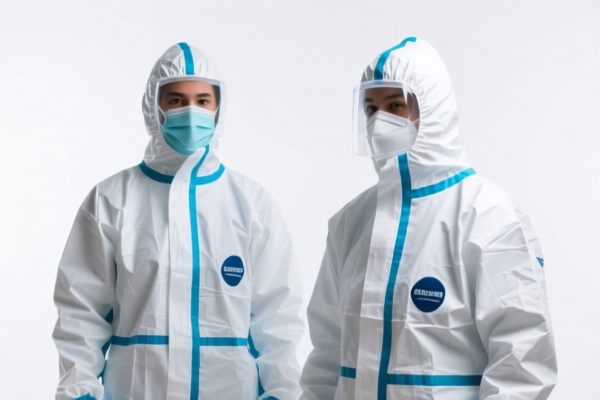
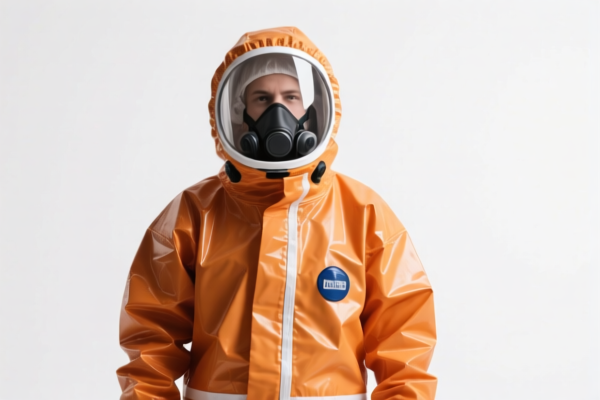
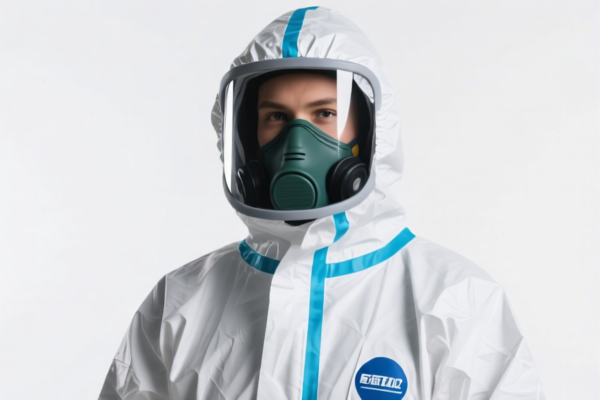
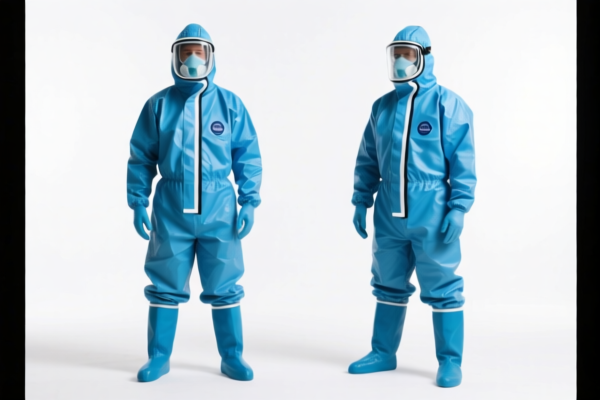
AI Analysis
🛡️ Boys Chemical Protective Suit (Chemical Protective Apparel)
🌐 HS Code Reference & Customs Clearance Guide | 2026 Latest Tariff Analysis | Professional Compliance Strategy
📌 1. Product Definition & Classification: Understanding "Chemical Protective Suits"
A Boys Chemical Protective Suit is specialized personal protective equipment (PPE) designed to shield the wearer from hazardous chemical agents, liquids, or particulates. In international trade, these items are highly sensitive to material composition and reusability, which directly dictate their HS Code classification and associated tax rates.
⚠️ Key Distinction Points:
- Disposable vs. Reusable: Single-use non-woven suits (often Polypropylene) fall under Chapter 62 (Articles of Apparel and Clothing Accessories, Not Knitted or Crocheted).
- Material Specificity: Suits made of vulcanized rubber or hard plastics fall under Chapter 40 (Rubber and Articles Thereof) or Chapter 39 (Plastics and Articles Thereof).
- Functionality: "Chemical Protection" is a functional descriptor, but customs authorities require material evidence to assign the correct code.
📦 2. HS Code Classification Details (Based on Provided Data)
The following table outlines the 5 potential HS Codes derived from the input data, sorted by logical material/functionality inference.
| HS Code | Product Description | Material Inference | Reusability | Tax Rate |
|---|---|---|---|---|
6210.10.90.10 |
Workwear / Coveralls | Chemical Fabric (Woven/Non-woven blend) | Reusable/Heavy-duty | 26.0% |
6210.10.50.90 |
Disposable Protective Clothing | Non-woven (e.g., Polypropylene) | Disposable | 17.5% |
3926.90.99.89 |
Other Plastic Articles | Plastic / Synthetic Chemical Material | Disposable/Reusable | 22.8% |
4015.90.00.50 |
Rubber Apparel / Accessories | Vulcanized Rubber | Reusable | 39.0% |
4015.90.00.10 |
Other Rubber Apparel | Vulcanized Rubber (Other) | Reusable | 39.0% |
🔍 Critical Note:
- Chapter 62 (6210.xxxx) is the most common for disposable non-woven suits (common in medical/lab settings).
- Chapter 40 (4015.xxxx) applies if the suit is specifically made of vulcanized rubber (often used for heavy industrial/acid resistance).
- Chapter 39 (3926.xxxx) is a fallback for plastic-based protective gear not specified elsewhere.
💰 3. 2026 Latest Tariff Rate Breakdown (Including Surtaxes & Policy Surcharges)
✅ Applicable Country: United States (US)
✅ Origin: China (CN) (Implied by "122 Section Tariff" which refers to US Section 301/IEEPA actions)
✅ Effective Time: Current as of 2025/2026 framework
🎯 1. 6210.10.90.10 —— Workwear / Chemical Coveralls
| Item | Content |
|---|---|
| Base Duty | 16.0% |
| Additional Duty (USITC/301) | 0.0% |
| Section 122 Tariff (IEEPA) | +10% |
| Total Rate | 26.0% |
| Tax Calculation | CIF Value × 26% |
| De Minimis Eligibility | ❌ No (High duty rate exceeds de minimis thresholds for relief) |
| Legal Basis Path | Chapter 62 → Note on Protective Clothing → IEEPA:10% |
📌 Explanation:
- This code assumes the item is a "Workwear" or "Coverall" style, inferred by its protective function.
- The 16% base is standard for woven/napped cotton/synthetic workwear.
- The 10% surcharge is applied under Section 122/IEEPA provisions for Chinese-origin goods.
🎯 2. 6210.10.50.90 —— Disposable Chemical Protective Clothing
| Item | Content |
|---|---|
| Base Duty | 0.0% |
| Additional Duty (USITC/301) | +7.5% |
| Section 122 Tariff (IEEPA) | +10% |
| Total Rate | 17.5% |
| Tax Calculation | CIF Value × 17.5% |
| De Minimis Eligibility | ❌ No |
| Legal Basis Path | Chapter 62 → Non-woven Disposable Garments → USITC:7.5% + IEEPA:10% |
📌 Note:
- This is likely the most cost-effective option if the suit is non-woven disposable (e.g., Tyvek-like material).
- The base duty is 0%, but the 7.5% surcharge plus 10% IEEPA brings the total to 17.5%.
- Suitable for medical, laboratory, or light industrial contamination zones.
🎯 3. 3926.90.99.89 —— Other Plastic Articles (Protective)
| Item | Content |
|---|---|
| Base Duty | 5.3% |
| Additional Duty (USITC/301) | +7.5% |
| Section 122 Tariff (IEEPA) | +10% |
| Total Rate | 22.8% |
| Tax Calculation | CIF Value × 22.8% |
| De Minimis Eligibility | ❌ No |
| Legal Basis Path | Chapter 39 → Plastic Articles Other → USITC:7.5% + IEEPA:10% |
📌 Explanation:
- Used if the suit is made of plastic films or synthetic sheets not classified as rubber or textile.
- Often applies to transparent plastic overalls or chemical-resistant aprons/suits.
🎯 4. 4015.90.00.50 & 4015.90.00.10 —— Rubber Apparel (Vulcanized)
| Item | Content |
|---|---|
| Base Duty | 4.0% |
| Additional Duty (USITC/301) | +25.0% |
| Section 122 Tariff (IEEPA) | +10% |
| Total Rate | 39.0% |
| Tax Calculation | CIF Value × 39.0% |
| De Minimis Eligibility | ❌ No |
| Legal Basis Path | Chapter 40 → Vulcanized Rubber Apparel → USITC:25% + IEEPA:10% |
📌 Critical Warning:
- Highest Tariff Bracket (39%).
- Applies ONLY if the suit is explicitly made of vulcanized rubber (e.g., neoprene, natural rubber suits for strong acid/alkali resistance).
- Do NOT use this code for non-woven or plastic suits, as misclassification can lead to penalties.
- The 25% USITC surcharge is significant for rubber products from China.
🛠️ 4. Customs Clearance Practical Advice (Avoiding Pitfalls)
✅ 1. Documentation Checklist (Non-Negotiable)
| Document | Required | Reason |
|---|---|---|
| Product Specification Sheet | ✔️ | Must specify material composition (e.g., "100% Polypropylene Non-woven" vs. "Vulcanized Rubber"). |
| Material Certificates | ✔️ | Proof of fabric/rubber type to justify HS Code (Chapter 62 vs. 40 vs. 39). |
| Usage Declaration | ✔️ | State clearly: "Chemical Protective Suit for Industrial/Laboratory Use." |
| Commercial Invoice | ✔️ | Must list "Boys Size" and "Chemical Protective" to avoid being classified as general workwear. |
| Safety Standards Compliance | ✔️ | e.g., NFPA 99, EN 943, or ASTM F739 (if applicable) to prove protective function. |
✅ 2. Declaration Strategy (Key Mnemonic)
🔥 "Material Determines Code, Function Determines Context, Origin Determines Tax!"
| Scenario | Correct HS Code | Wrong Code | Consequence |
|---|---|---|---|
| Disposable Non-woven Suit | 6210.10.50.90 (17.5%) |
6210.10.90.10 (26.0%) |
Overpaying 8.5% |
| Rubber Raincoat-style Suit | 4015.90.00.50 (39.0%) |
6210.10.50.90 (17.5%) |
Underpaying 21.5% → Penalty + Back Taxes |
| Plastic Film Overall | 3926.90.99.89 (22.8%) |
6210.10.50.90 (17.5%) |
Underpaying 5.3% → Risk of Audit |
| General Workcoverall (No Chem Protection) | 6210.10.90.10 |
6210.10.50.90 |
Misuse of "Disposable" code |
✅ 3. Special Handling Tips
| Situation | Recommendation |
|---|---|
| Mixed Materials | If the suit has a rubber coating on fabric, Chapter 40 may still apply. Provide coating weight percentage. |
| OEM Custom Suits | Provide design blueprints showing the material layers. Customs may inspect samples. |
| Sample Clearance | For first-time imports, declare a small quantity under 3926.90.99.89 (22.8%) as a "safe" middle ground, then adjust after material verification. |
| Section 301 Exclusions | Check if the specific HS Code has an exclusion list update for 2025/2026. If not, the 7.5%-25% surcharge is unavoidable. |
🌍 5. Global Market Comparison (2026 Outlook)
| Country | Recommended HS Code | Total Duty (China Origin) | Notes |
|---|---|---|---|
| 🇺🇸 USA | 6210.10.50.90 |
17.5% | Best for disposable; 4015 is 39% |
| 🇨🇳 China | 6210.10.50.90 |
~5-8% | No 301 surcharges; lower entry barrier |
| 🇪🇺 EU | 6210.10.50.90 |
~4-6% | CE marking required for PPE |
| 🇬🇧 UK | 6210.10.50.90 |
~4-6% | Post-Brexit rules apply |
| 🇨🇦 Canada | 6210.10.50.90 |
~6-8% | No Section 301, but high base duty |
📌 Conclusion:
- The USA is the most expensive market due to IEEPA (10%) and USITC (0-25%) surcharges.
- Disposable Non-woven (6210.10.50.90) is the most tax-efficient classification for standard chemical suits.
- Rubber Suits (4015) are prohibitively expensive for competitive importation to the US.
📌 6. Common Errors & Pitfalls (Lessons Learned)
❌ Mistake 1: Declaring a Rubber Suit as Disposable Clothing (6210.10.50.90)
👉 Result: Customs detects material mismatch → Confiscation + 100% Penalty.
❌ Mistake 2: Ignoring Section 122/IEEPA 10%
👉 Result: Underestimating landed cost by 10% → Profit Margin Erosion.
❌ Mistake 3: Using "Workwear" generic description
👉 Result: Customs may classify under 6210.10.90.10 (26%) instead of 6210.10.50.90 (17.5%) if "disposable" isn't specified.
✅ Correct Approach:
"Boys Chemical Protective Suit, Disposable, Non-Woven Polypropylene, Light Chemical Resistance, Model XYZ, US FDA/OSHA Compliant"
🎯 7. Conclusion: Precise Classification Saves Money!
🎯 Remember the Mantra:
🔹 "Non-woven = 17.5%, Rubber = 39%, Plastic = 22.8%!"
🔹 "Specify Material, Avoid the 39% Trap!"
🔹 "Don't Guess the Code, Check the Fabric!"
📌 Pro Tip:
If your product is 100% Non-woven Polypropylene, insist on 6210.10.50.90 for the lowest duty (17.5%).
For heavy-duty acid suits, prepare for 4015.90.00.50 at 39%.
📣 Immediate Action:
📞 Contact your customs broker with Material Safety Data Sheets (MSDS)
🚀 Verify HS Code Pre-ruling before shipment
💼 Optimize your supply chain to avoid the 39% Rubber Tax!
✨ Professional Clearance, Start with Accurate Classification!
💼 Every Percent in Duty is Profit Lost!
Customer Reviews
About HS Code Classification
The Harmonized System (HS) is an internationally standardized nomenclature developed by the World Customs Organization (WCO) to classify traded products. Over 200 countries use the HS system as the basis for customs tariffs, trade statistics, and import/export regulations.
Each HS code follows a hierarchical structure:
- Chapter (2 digits) — Broad category of goods (e.g., Chapter 84: Machinery and Mechanical Appliances)
- Heading (4 digits) — More specific grouping within the chapter
- Subheading (6 digits) — Internationally standardized breakdown, used by all WCO member countries
- National subdivisions (8-10 digits) — Country-specific extensions for further classification, such as US HTSUS 10-digit codes
Correct HS code classification is essential for smooth customs clearance, accurate duty payment, and compliance with trade regulations. Misclassification can lead to customs delays, overpayment of duties, or penalties.
When importing from CN to US, the applicable tariff rates may include:
- Most-Favored-Nation (MFN) rate — The standard duty rate applied to WTO members
- General rate — Applied to countries without trade agreements
- Trade remedy duties — Additional tariffs such as Section 301 (anti-dumping), Section 232 (national security), or countervailing duties
The information provided on this page is for reference purposes only. For official classification, please consult with your local customs authority or a licensed customs broker.