Boys Cotton Bathrobe
CN → US| HS Code | Tariff Rate | Origin | Destination | Doc |
|---|---|---|---|---|
| 6114909070 | 15.6% | CN | US | Official Doc |
| 6107999000 | 14.8% | CN | US | Official Doc |
| 6114303060 | 32.4% | CN | US | Official Doc |
| 6107991090 | 24.9% | CN | US | Official Doc |
| 6207997520 | 24.9% | CN | US | Official Doc |
Product Images
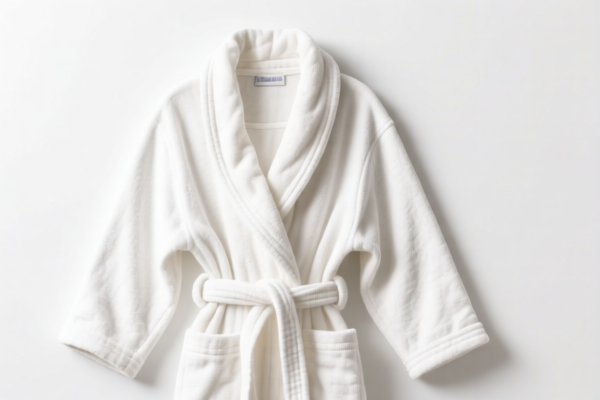
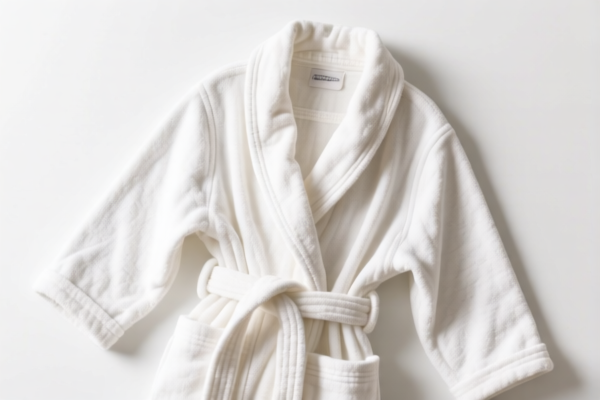
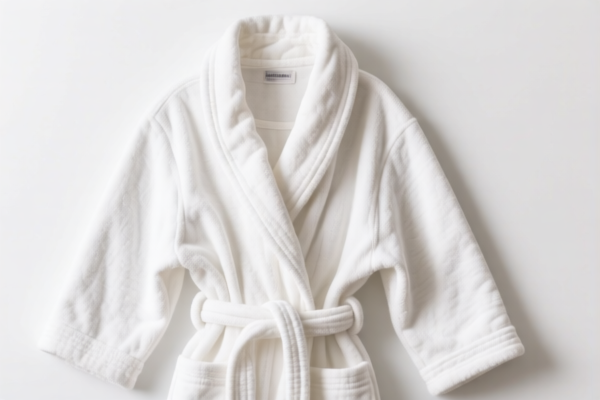
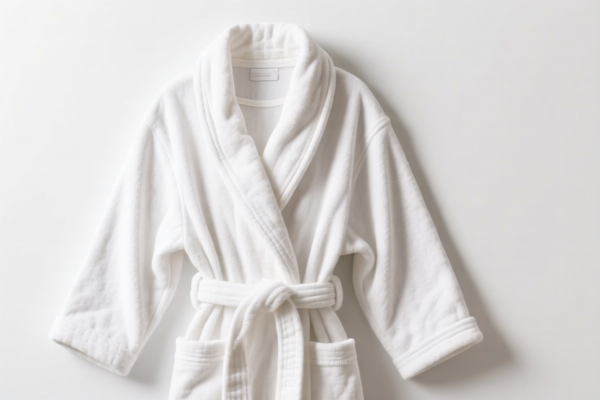
AI Analysis
👶 Boys' Cotton Bathrobe: HS Code Classification & Tax Strategy 2026
🌐 Global Trade Classification & Customs Clearance Guide | Precision Tariff Analysis | Professional Entry Strategy
📌 I. Product Definition & Material Nuances: Is it really "Just Cotton"?
A "Boys' Cotton Bathrobe" is often a misleading simple description. In international trade, the classification depends heavily on the exact fiber content and knitting structure. Even if labeled "Cotton," if it contains synthetic blends (e.g., Polyester-Cotton), the HS Code shifts dramatically, impacting duty rates by up to 16 percentage points.
⚠️ Critical Distinction:
- Pure Cotton Knitted: Often falls under specific cotton headings, but some interpretations classify blends differently based on the dominant fiber.
- Synthetic/Acrylic/Blends: Falls under "Other Textile Materials" or "Artificial Fibers," triggering different duty structures.
- Weave Type: Is it Knitted (looped) or Woven (interlaced)? Most bathrobes are Knitted, which dictates Chapter 61, not Chapter 62.
📦 II. HS Code Classification Matrix (Based on Provided Data)
The following HS Codes are derived specifically from the provided dataset for "Boys' Cotton Bathrobe". Note that the classification varies based on the specific textile composition interpretation by customs authorities.
| HS Code | Classification Summary | Key Characteristics |
|---|---|---|
6114.90.90.70 |
Other Knitted Garments | Classified as "Other" knitted apparel; likely low cotton or non-cotton dominant blend. |
6107.99.90.00 |
Other Textile Material Knitted Garments | Broad category for knitted items not specifically listed elsewhere; generic textile. |
6114.30.30.60 |
Other Knitted Garments | Specific sub-category for knitted goods; higher base duty indicates specific material restrictions. |
6107.99.10.90 |
Other Textile/Artificial Fiber Bathrobes | Explicitly identifies the item as a "Bathrobe" made of artificial/synthetic fibers. |
6207.99.75.20 |
Bathrobes made of Artificial Fibers | Woven or specific artificial fiber classification; distinguishes from knitted cotton. |
🔍 Key Insight:
- The term "Cotton" in the product name may not match the HS Code if the fabric is a blend.
-6114and6107typically refer to Knitted goods.
-6207typically refers to Woven or specific artificial fiber articles.
- Crucial: Misclassifying a synthetic blend as pure cotton can lead to severe penalties or underpayment of duties.
💰 III. Detailed Tariff Analysis (Total Tax Breakdown)
✅ Scope: Based on provided tax details.
✅ Components: Base Duty + Section 301/Addl. Duty + Section 122 Tariff (10%).
✅ Total Tax = Sum of all components.
🎯 1. 6114.90.90.70 – The Most Competitive Option
| Item | Detail |
|---|---|
| Classification | Other Knitted Garments |
| Base Duty | 5.6% |
| Additional Duty | 0.0% |
| Section 122 Tariff | 10.0% |
| Total Effective Tax | 15.6% |
| Status | ✅ Lowest Duty Rate |
📌 Explanation:
- This classification offers the lowest total tax burden at 15.6%.
- It avoids the high "Additional Duty" (7.5%) seen in other codes.
- Suitable for items where the "Other Knitted Garments" definition best fits the specific fabric blend.
🎯 2. 6107.99.90.00 – Competitive Alternative
| Item | Detail |
|---|---|
| Classification | Other Textile Material Knitted Garments |
| Base Duty | 4.8% |
| Additional Duty | 0.0% |
| Section 122 Tariff | 10.0% |
| Total Effective Tax | 14.8% |
| Status | ✅ Lowest Overall Tax |
📌 Explanation:
- 14.8% is the lowest total tax among all provided options.
- Base duty is only 4.8%, with a flat 10% Section 122 tariff.
- Recommendation: If the product fits the "Other Textile Material" definition, this is the optimal code for cost savings.
🎯 3. 6114.30.30.60 – High Duty Risk
| Item | Detail |
|---|---|
| Classification | Other Knitted Garments |
| Base Duty | 14.9% |
| Additional Duty | 7.5% |
| Section 122 Tariff | 10.0% |
| Total Effective Tax | 32.4% |
| Status | ⚠️ Highest Tax Rate |
📌 Explanation:
- 32.4% is nearly double the cost of the optimal code.
- Attributed to a high base duty (14.9%) plus a significant Additional Duty (7.5%).
- Avoid unless no other classification is legally defensible.
🎯 4. 6107.99.10.90 – Mid-Range Cost
| Item | Detail |
|---|---|
| Classification | Other Textile/Artificial Fiber Bathrobes |
| Base Duty | 14.9% |
| Additional Duty | 0.0% |
| Section 122 Tariff | 10.0% |
| Total Effective Tax | 24.9% |
| Status | ⚖️ Moderate Tax |
📌 Explanation:
- Total tax is 24.9%.
- Higher base duty (14.9%) compared to codes ending in.90, but no Additional Duty.
- Specific to "Artificial Fiber" bathrobes.
🎯 5. 6207.99.75.20 – Mid-Range Cost
| Item | Detail |
|---|---|
| Classification | Bathrobes made of Artificial Fibers |
| Base Duty | 14.9% |
| Additional Duty | 0.0% |
| Section 122 Tariff | 10.0% |
| Total Effective Tax | 24.9% |
| Status | ⚖️ Moderate Tax |
📌 Explanation:
- Identical tax structure to6107.99.10.90(24.9%).
- Differentiates based on "Artificial Fibers" vs. "Textile Material."
- Often used for woven or specific synthetic bathrobes.
🛠️ IV. Customs Clearance Recommendations (Strategic Optimization)
✅ 1. Strategic HS Code Selection
| Priority | HS Code | Total Tax | Action |
|---|---|---|---|
| 🥇 Best | 6107.99.90.00 |
14.8% | Preferred if product fits "Other Textile Material Knitted Garments." |
| 🥈 Good | 6114.90.90.70 |
15.6% | Alternative if "Other Knitted Garments" is more accurate. |
| 🥉 Acceptable | 6107.99.10.90 / 6207.99.75.20 |
24.9% | Use only if classification strictly requires "Artificial Fiber" specificity. |
| ❌ Avoid | 6114.30.30.60 |
32.4% | High Risk. Avoid unless legally mandated by specific fabric content. |
💡 Pro Tip:
- Always verify fabric content. If the bathrobe is 100% Cotton, ensure it doesn't fall into a higher-duty category due to misclassification.
- Knitted vs. Woven: Most bathrobes are knitted (61xx). If woven,62xxapplies. Misclassification leads to delays.
✅ 2. Documentation & Declaration Best Practices
| Document | Requirement | Reason |
|---|---|---|
| Commercial Invoice | Explicitly state "Boys' Bathrobe" and Exact Fabric Composition (e.g., "80% Cotton, 20% Polyester") | Prevents ambiguity in classification. |
| Fabric Swatch | Provide physical or digital sample of fabric weave | Customs may request to verify Knitted vs. Woven. |
| Size Chart & Age Range | Confirm "Boys'" classification | Ensures correct duty treatment for children's wear. |
| Country of Origin | Clearly mark | Determines applicability of Section 122 and Additional Duties. |
✅ 3. Common Pitfalls & Solutions
| Pitfall | Consequence | Solution |
|---|---|---|
| Mislabeling "Cotton" for Blends | High duty + Penalties | Accurately declare fiber content. Use 6107.99.90.00 for blends to save 10%+. |
| Ignoring Section 122 | Underpayment | Always add 10% for Section 122 tariffs in calculations. |
| Confusing Knitted vs. Woven | Delayed Clearance | Confirm weave type. Knitted = 61xx, Woven = 62xx. |
| Using Generic "Bathrobe" Description | Customs Query | Use detailed description: "Knitted Boys' Cotton Blend Bathrobe, Size 4-6." |
🌍 V. Global Market Context (2026)
| Market | Recommended HS Code | Est. Duty | Notes |
|---|---|---|---|
| USA | 6107.99.90.00 |
14.8% | Lowest cost; best for blended knitted robes. |
| EU | Check local nomenclature | Varies | EU may have different "Cotton" vs. "Synthetic" thresholds. |
| China | Check local nomenclature | Varies | Import duties for children's wear may vary. |
| UK | Check post-Brexit codes | Varies | Verify updated UK Global Tariff. |
📌 Conclusion:
- USA remains the primary market for this analysis due to the detailed duty breakdown.
- Optimize for6107.99.90.00to achieve the lowest 14.8% tax rate.
- Avoid6114.30.30.60to save 17.6% in taxes.
📌 VI. Final Checklist for Clearing Customs
- Verify Fabric Composition: Is it 100% Cotton or a Blend?
- Confirm Weave: Knitted (
61xx) or Woven (62xx)? - Select HS Code:
- Knitted + Blend/Other →
6107.99.90.00(14.8%) - Knitted + Other →
6114.90.90.70(15.6%) - Artificial Fiber →
6107.99.10.90or6207.99.75.20(24.9%)
- Knitted + Blend/Other →
- Calculate Total Duty: Include Base + Additional + Section 122 (10%).
- Prepare Documentation: Invoice, Packing List, Origin Certificate.
🎯 VII. Conclusion: Maximize Profit, Minimize Duty
🎯 Key Takeaway:
🔹 "Don't let 'Cotton' fool you. Blend content dictates duty."
🔹 "Choose6107.99.90.00for 14.8% tax savings."
🔹 "Avoid6114.30.30.60to prevent 32.4% tax shock."
📌 Pro Tip:
- Apply for a Binding Tariff Information (BTI) ruling if shipping large volumes.
- Keep fabric samples for customs inspection.
- Consult a customs broker to confirm the "Knitted" vs. "Woven" distinction.
📣 Action Plan:
📞 Review fabric specs → Select
6107.99.90.00→ Declare accurately → Save 10%+ in duties.
🚀 Ensure smooth clearance and maximize profit margins!
✨ Precision in Classification = Profit in Pocket.
💼 Your Supply Chain, Optimized.
Customer Reviews
About HS Code Classification
The Harmonized System (HS) is an internationally standardized nomenclature developed by the World Customs Organization (WCO) to classify traded products. Over 200 countries use the HS system as the basis for customs tariffs, trade statistics, and import/export regulations.
Each HS code follows a hierarchical structure:
- Chapter (2 digits) — Broad category of goods (e.g., Chapter 84: Machinery and Mechanical Appliances)
- Heading (4 digits) — More specific grouping within the chapter
- Subheading (6 digits) — Internationally standardized breakdown, used by all WCO member countries
- National subdivisions (8-10 digits) — Country-specific extensions for further classification, such as US HTSUS 10-digit codes
Correct HS code classification is essential for smooth customs clearance, accurate duty payment, and compliance with trade regulations. Misclassification can lead to customs delays, overpayment of duties, or penalties.
When importing from CN to US, the applicable tariff rates may include:
- Most-Favored-Nation (MFN) rate — The standard duty rate applied to WTO members
- General rate — Applied to countries without trade agreements
- Trade remedy duties — Additional tariffs such as Section 301 (anti-dumping), Section 232 (national security), or countervailing duties
The information provided on this page is for reference purposes only. For official classification, please consult with your local customs authority or a licensed customs broker.