Boys Knitwear
CN → US| HS Code | Tariff Rate | Origin | Destination | Doc |
|---|---|---|---|---|
| 6103106015 | 26.9% | CN | US | Official Doc |
| 6103421040 | 33.6% | CN | US | Official Doc |
| 6111205000 | 32.4% | CN | US | Official Doc |
| 6110190070 | 33.5% | CN | US | Official Doc |
| 6101302010 | 45.7% | CN | US | Official Doc |
Product Images
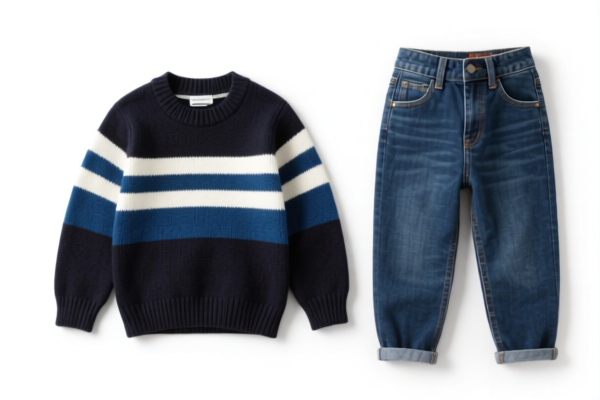
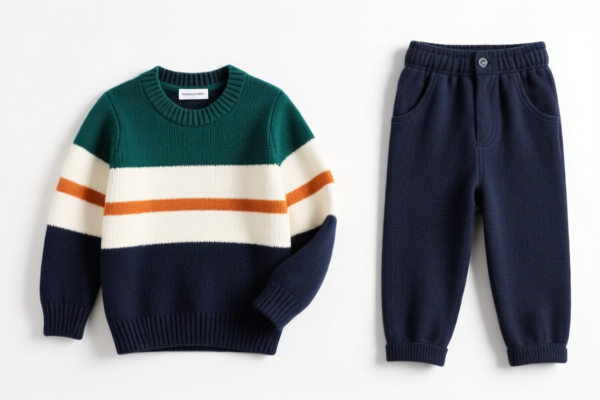
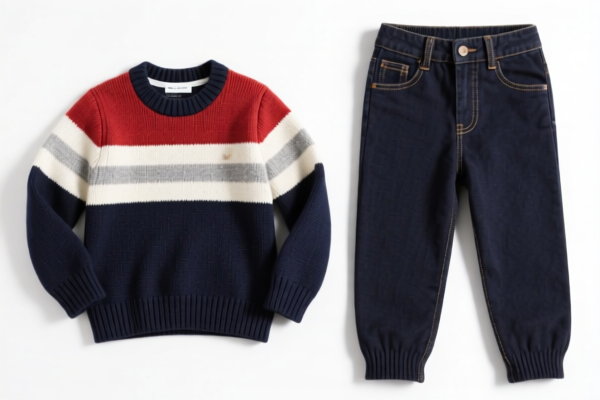
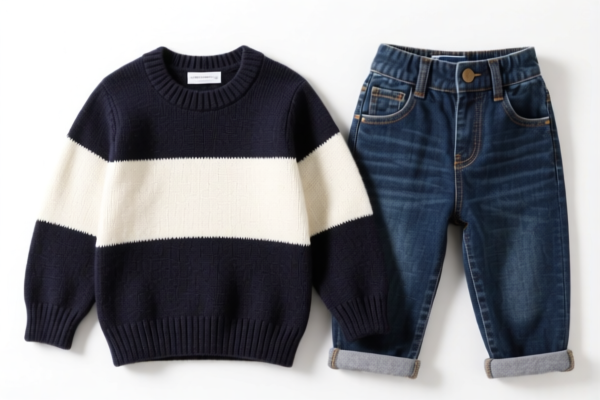
AI Analysis
👕 Boys Knitwear (Knitted Suits & Jackets)
🌐 HS Code Reference & Customs Clearance Guide | 2026 Latest Tariff Analysis | Professional Clearance Strategy
📌 1. Product Definition & Classification: Do You Really Know "Boys Knitwear"?
"Boys Knitwear" in international trade is not a single category. It spans from casual knitted pants to formal knitted suits and knitted jackets. The critical distinction lies in the product shape (trousers vs. jacket), material composition (cotton vs. synthetic vs. wool), and specific use. Misclassification can lead to significant tax discrepancies, as shown in the data below.
⚠️ Key Distinction Points:
- If it is a pair of trousers (even if styled as "suit pants"), it generally falls under Chapter 61 headings for trousers (e.g., 6103.10 or 6103.42), NOT jackets.
- If it is a jacket/coat, it falls under 6101 (Men's/Boys' Anoraks, etc.) or 6103/6110 depending on cut and material.
- "Knit" means knitted or crocheted, not woven. This is crucial for distinguishing from Chapter 62 (Woven).
📦 2. HS Code Classification Details (Based on Provided Data)
The following HS Codes are derived strictly from the provided data for "Boys Knitwear" items. Note that the data includes specific interpretations for "Boy's Knit Suit Pants" and "Men's/Boys' Knit Jackets."
| HS Code | Product Description (Summary from Data) | Application Scenario | Material/Shape Match |
|---|---|---|---|
6103.10.60.15 |
Boys' Knit Suit Pants | Matched form: Suit Pants; Material: Knitted; Use: Boys' | ✅ Knitted Trousers/Suit Pants |
6103.42.10.40 |
Boys' Knit Suit Pants | Matched use: Boys'; Form: Knit Suit Pants (Long Pants); Material: Cotton/Cotton Blend | ✅ Knitted Long Pants (Cotton) |
6111.20.50.00 |
Boys' Knit Suit Pants | Matched form: Trousers; Material: Knitted; Use: Boys' (Usually Cotton/Blend) | ✅ General Knitted Trousers |
6110.19.00.70 |
Men's Knit Jacket | Matched form: Knitted; Use: Men's (Note: Data specifies "Men's" but contextually grouped); Material: Wool/Fine Animal Hair | ✅ Knitted Jacket (Wool) |
6101.30.20.10 |
Men's Knit Jacket | Matched form: Knitted Jacket; Use: Men's; Material: Synthetic/Natural Fiber | ✅ Knitted Jacket (Synthetic/Natural) |
🔍 Critical Note:
- Items labeled as "Suit Pants" in the data are classified under 6103 (Men's/Boys' Suits, Ensembles, etc.) or 6111 (Babies' Garments, sometimes used broadly for young boys' knitted pants in certain interpretations).
- Items labeled as "Jackets" are classified under 6110 (Jerseys, Pullovers, etc.) or 6101 (Anoraks, Windcheaters, etc.).
- Do not mix jacket and trouser classifications. A "Suit" consists of separate items for customs purposes unless specifically defined as an ensemble (which is rare in these specific HS lines).
💰 3. 2026 Latest Tariff Rate Details (Including Additional Taxes)
✅ Applicable Country: United States (US)
✅ Origin: China (CN)
✅ Effective Time: Current rates apply (including Section 301 and 122 tariffs)
🎯 1. 6103.10.60.15 —— Boys' Knit Suit Pants
| Item | Content |
|---|---|
| Base Tariff | 9.4% |
| Additional Tariff (Section 301) | +7.5% |
| Section 122 Tariff | +10% |
| Total Tax Rate | 26.9% |
| Tax Calculation | CIF Value × 26.9% |
| De Minimis Exemption | ❌ Not Eligible (Due to high combined tariff rate, typically denied for de minimis if total exceeds threshold or specific rules apply) |
| Legal Basis | USITC 6103.10.60.15 + Section 301 Footnote + Section 122 Rule |
📌 Explanation:
- This rate applies specifically to knitted suit pants for boys where the material and cut match the specific subheading 6103.10.60.15.
- The 26.9% total includes base duty, Section 301 duties, and Section 122 duties.
- Caution: If the pants are made of cotton instead of the material specified in 6103.10, they may fall under 6103.42, leading to a higher rate.
🎯 2. 6103.42.10.40 —— Boys' Knit Suit Pants (Cotton/Cotton Blend)
| Item | Content |
|---|---|
| Base Tariff | 16.1% |
| Additional Tariff (Section 301) | +7.5% |
| Section 122 Tariff | +10% |
| Total Tax Rate | 33.6% |
| Tax Calculation | CIF Value × 33.6% |
| De Minimis Exemption | ❌ Not Eligible |
| Legal Basis | USITC 6103.42.10.40 + Section 301 Footnote + Section 122 Rule |
📌 Explanation:
- This code is for knitted suit pants made of cotton or cotton blends.
- The base tariff (16.1%) is significantly higher than wool/synthetic blends in 6103.10, reflecting US protectionist policies on textile products.
- Total 33.6% makes this a high-cost item for importers.
🎯 3. 6111.20.50.00 —— Boys' Knit Suit Pants (General/Trousers)
| Item | Content |
|---|---|
| Base Tariff | 14.9% |
| Additional Tariff (Section 301) | +7.5% |
| Section 122 Tariff | +10% |
| Total Tax Rate | 32.4% |
| Tax Calculation | CIF Value × 32.4% |
| De Minimis Exemption | ❌ Not Eligible |
| Legal Basis | USITC 6111.20.50.00 + Section 301 Footnote + Section 122 Rule |
📌 Explanation:
- This code covers knitted trousers for boys under Chapter 6111 (often interpreted for young children/boys' knitted garments not elsewhere specified).
- The rate is 32.4%, slightly lower than the cotton suit pants (33.6%) but higher than the wool/synthetic suit pants (26.9%).
🎯 4. 6110.19.00.70 —— Men's Knit Jacket (Wool/Fine Animal Hair)
| Item | Content |
|---|---|
| Base Tariff | 16.0% |
| Additional Tariff (Section 301) | +7.5% |
| Section 122 Tariff | +10% |
| Total Tax Rate | 33.5% |
| Tax Calculation | CIF Value × 33.5% |
| De Minimis Exemption | ❌ Not Eligible |
| Legal Basis | USITC 6110.19.00.70 + Section 301 Footnote + Section 122 Rule |
📌 Explanation:
- This code is for knitted jackets made of wool or fine animal hair.
- Note: The data specifies "Men's," but if "Boys'" jackets match this material and cut, they may fall under similar headings (e.g., 6110.19).
- High base tariff (16.0%) due to textile protectionism.
🎯 5. 6101.30.20.10 —— Men's Knit Jacket (Synthetic/Natural Fiber)
| Item | Content |
|---|---|
| Base Tariff | 28.2% |
| Additional Tariff (Section 301) | +7.5% |
| Section 122 Tariff | +10% |
| Total Tax Rate | 45.7% |
| Tax Calculation | CIF Value × 45.7% |
| De Minimis Exemption | ❌ Not Eligible |
| Legal Basis | USITC 6101.30.20.10 + Section 301 Footnote + Section 122 Rule |
📌 Explanation:
- This code is for knitted jackets made of synthetic fibers or other natural fibers (excluding wool/fine animal hair).
- Highest rate in the list (45.7%).
- This reflects the highest protectionist barrier for synthetic knitwear from China.
🛠️ 4. Customs Clearance Practical Advice (Real-World Pitfall Guide)
✅ 1. Preparation Checklist (Essential Documents)
| Document | Required | Explanation |
|---|---|---|
| ✅ Product Specification Sheet | ✔️ | Must detail: Knitted vs. Woven, Material (% Cotton, % Wool, etc.), Age Group (Boys/Men). |
| ✅ Material Composition Label | ✔️ | Crucial for determining HS Code (e.g., 6103.42 vs. 6103.10). |
| ✅ Product Photos (Clear) | ✔️ | Show full garment, label, and any "Suit" styling details. |
| ✅ Commercial Invoice | ✔️ | Must clearly state "Boys' Knit Suit Pants" or "Knit Jacket," not generic "Clothing." |
| ✅ Packing List | ✔️ | Itemize quantities and weights. |
| ✅ Test Reports | ✔️ | If applicable, provide material testing reports to prove fiber content. |
✅ 2. Declaration Tips (Key Mantras)
🔥 "Correct Shape, Correct Material, Correct Rate!"
| Situation | Correct Declaration | Wrong Practice |
|---|---|---|
| Knit Trousers (Suit Style) | Use 6103.10.60.15 or 6103.42.10.40 based on material. | Declare as "Jacket" → 45.7% Tax! |
| Knit Pants (General) | Use 6111.20.50.00 if applicable. | Declare as "Suit Pants" with wrong material → Penalty + Back Tax. |
| Knit Jacket (Wool) | Use 6110.19.00.70. | Declare as "Synthetic" → 45.7% Tax (Overpay!) |
| Knit Jacket (Synthetic) | Use 6101.30.20.10. | Declare as "Wool" → 33.5% Tax (Underpay, risk of audit) |
| Boys vs. Men | Specify "Boys'" if under 16, but HS may overlap. Check specific subheadings. | Generic "Clothing" → High Risk of Misclassification. |
✅ 3. Special Cases Handling
| Situation | Handling Advice |
|---|---|
| Mixed Materials | Use the primary material by weight. If >50% cotton, likely 6103.42 or 6111. |
| Suit Sets (Jacket + Pants) | Declare separately! Jacket goes to 6101/6110, Pants go to 6103. Do not combine into one HS Code. |
| "Knit Suit" Terminology | Ensure the garment is actually knitted (stretchy, looped structure). If woven, it falls under Chapter 62 (different rates). |
| De Minimis (Section 321) | NOT ELIGIBLE for these items due to high combined tariffs (Section 301 + 122). Must use formal entry (Type 86/87). |
🌍 5. Global Market Comparison (2026 Latest)
| Country/Region | Recommended HS Code | Tariff (China Origin) | Certification | Notes |
|---|---|---|---|---|
| 🇺🇸 USA | 6103.42.10.40 (Pants) |
33.6% | No specific cert | Highest Barrier: Section 301 + 122 |
| 🇺🇸 USA | 6101.30.20.10 (Jacket) |
45.7% | No specific cert | Highest Rate in this set |
| 🇨🇳 China | 6103.42.10.40 |
~10-15% (Import) | CCC (if applicable) | Lower taxes for domestic sales |
| 🇪🇺 EU | 6103.42.10.40 |
~12-16% | CE (if applicable) | No Section 301/122 equivalents |
| 🇦🇺 Australia | 6103.42.10.40 |
~5-10% | RCM | Lower tariffs than US |
📌 Conclusion:
- The US market imposes the highest barriers due to Section 301 (7.5%) and Section 122 (10%) tariffs.
- Synthetic Knit Jackets face the highest total tax (45.7%).
- Cotton Knit Pants are 33.6%, while Wool/Synthetic Suit Pants are 26.9%.
- Strategy: Optimize material composition (if possible) and ensure precise classification to avoid overpaying.
📌 6. Common Mistakes & Pitfalls (Lessons Learned)
❌ Mistake 1: Declaring "Knit Pants" as "Woven Pants"
👉 Consequence: Wrong HS Code → Wrong Tax + Fines. Woven pants have different rates.
❌ Mistake 2: Declaring "Knit Jacket" as "Shirt"
👉 Consequence: Lower base tariff but Section 301/122 still apply → Audit Risk.
❌ Mistake 3: Ignoring "Section 122" Tariff
👉 Consequence: Missing 10% tariff → Back Taxes + Penalties. This is a critical recent addition.
❌ Mistake 4: Combining Jacket and Pants into One Line Item
👉 Consequence: Customs may reject or split → Delay. Declare separately.
✅ Correct Practice:
"Boys' Knit Suit Pants, 100% Cotton, Size 6-12, Style XYZ, Made in China"
→ Use6103.42.10.40→ 33.6% Total Tax
🎯 7. Conclusion: Precise Classification, Cost Control!
🎯 Remember the Mantra:
🔹 "Pants vs. Jacket: Know the Shape!"
🔹 "Cotton vs. Wool: Know the Material!"
🔹 "Section 301 + 122: Always Add 17.5%!"📌 Pro Tip:
- For Boys' Knitwear, always verify if the item is knitted (Chapter 61) or woven (Chapter 62).
- Section 122 tariffs are mandatory for most textile/apparel from China to the US.
- Pre-ruling (Advance Ruling) is highly recommended for high-value shipments to avoid disputes.
📣 Immediate Action:
📞 Contact a licensed customs broker.
📄 Provide material composition and product images.
🚀 Accurate Classification = Lower Taxes + Faster Clearance!
✨ Professional Clearance Starts with Precise Classification!
💼 Every Dollar Saved is a Dollar Earned!
Customer Reviews
About HS Code Classification
The Harmonized System (HS) is an internationally standardized nomenclature developed by the World Customs Organization (WCO) to classify traded products. Over 200 countries use the HS system as the basis for customs tariffs, trade statistics, and import/export regulations.
Each HS code follows a hierarchical structure:
- Chapter (2 digits) — Broad category of goods (e.g., Chapter 84: Machinery and Mechanical Appliances)
- Heading (4 digits) — More specific grouping within the chapter
- Subheading (6 digits) — Internationally standardized breakdown, used by all WCO member countries
- National subdivisions (8-10 digits) — Country-specific extensions for further classification, such as US HTSUS 10-digit codes
Correct HS code classification is essential for smooth customs clearance, accurate duty payment, and compliance with trade regulations. Misclassification can lead to customs delays, overpayment of duties, or penalties.
When importing from CN to US, the applicable tariff rates may include:
- Most-Favored-Nation (MFN) rate — The standard duty rate applied to WTO members
- General rate — Applied to countries without trade agreements
- Trade remedy duties — Additional tariffs such as Section 301 (anti-dumping), Section 232 (national security), or countervailing duties
The information provided on this page is for reference purposes only. For official classification, please consult with your local customs authority or a licensed customs broker.