Boys Rubber/Plastic Coated Ski Jacket
CN → US| HS Code | Tariff Rate | Origin | Destination | Doc |
|---|---|---|---|---|
| 6113001005 | 21.3% | CN | US | Official Doc |
| 3926206000 | 35.0% | CN | US | Official Doc |
| 6210401500 | 21.3% | CN | US | Official Doc |
| 6210205020 | 24.6% | CN | US | Official Doc |
| 6201202921 | 0.0% | CN | US | Official Doc |
Product Images
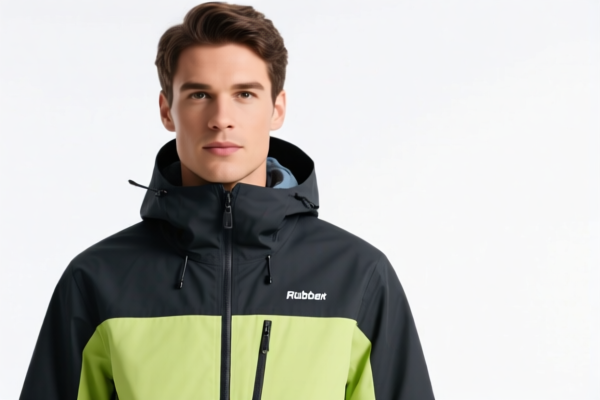
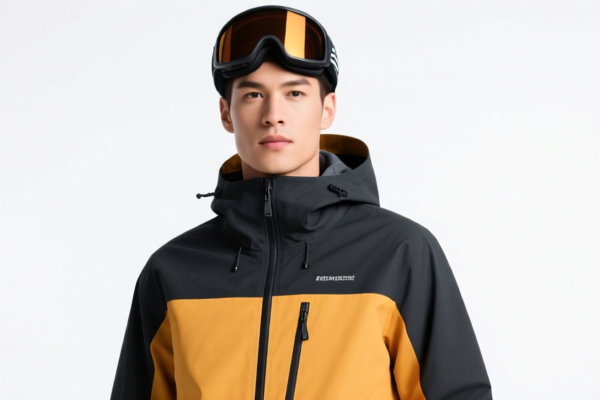
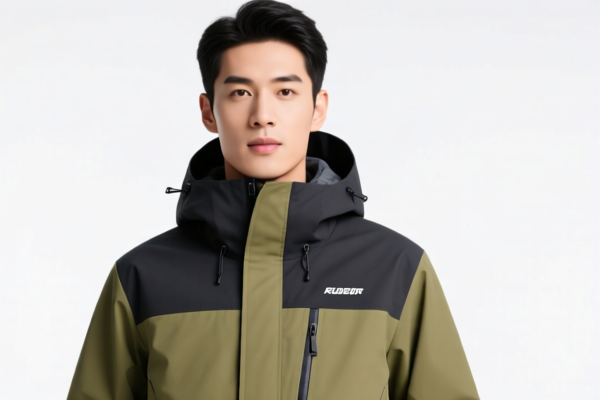
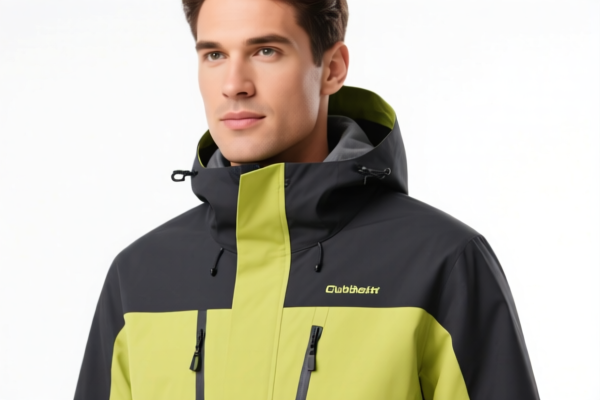
AI Analysis
🧥 Boys Rubber/Plastic Coated Ski Jacket
🌐 HS Code Reference & Customs Clearance Guide | 2026 Latest Tariff Analysis | Professional Entry Strategy
📌 I. Product Definition & Classification: What Exactly Is This Garment?
A "Boys Rubber/Plastic Coated Ski Jacket" is a specialized outerwear item designed for children. In international trade, its classification hinges on two critical factors: 1. Material Composition: The outer shell is coated with rubber or plastic (polymer). 2. Purpose/Structure: It is designed for skiing (sports/outdoor use) and intended for boys/children.
The US Harmonized Tariff Schedule (HTSUS) splits this product into two distinct categories based on whether the base fabric is textile (woven/knit) or plastic itself, and whether it is classified under "men's/boys' overcoats" or "rubber/plastic coated textiles."
⚠️ Key Distinction:
- If the base fabric is textile (e.g., nylon, polyester) with a rubber/plastic coating → Look at Chapter 61 or 62.
- If the product is made entirely of plastic material (e.g., PVC sheets formed into a jacket) → Look at Chapter 39.
📦 II. HS Code Classification Details (2026 Latest Tariff Mapping)
Based on the provided data, here are the four potential HS Codes with their specific criteria and tax implications.
| HS Code | Product Description | Key Classification Criteria | Applicable Scenario |
|---|---|---|---|
6113.00.10.05 |
Textile-Based, Rubber/Plastic Coated (Matches "Tongzi-style" [Children's], Rubber/Plastic Coated, Coat/Jacket) |
- Base material: Knitted/Crocheted Textile - Surface: Coated with rubber/plastic - Type: Children’s (Boys’) Coat/Jacket |
✅ Best for: Standard nylon/polyester ski jackets with a waterproof coating (e.g., Gore-Tex style or standard PU coating) intended for boys. |
3926.20.60.00 |
Plastic Material, Trench Coat Style (Matches: Plastic material, Trench coat jacket form, Clothing use) |
- Base material: Plastic (not textile) - Form: Trench coat/Jacket shape - Use: Clothing |
✅ Best for: PVC rain jackets or solid plastic sheeting formed into a jacket shape. Not typical for breathable ski jackets. |
6210.40.15.00 |
Men’s/Boys’ Outdoor Wear, Artificial Fiber Coated (Matches: Men’s/Boys’ outdoor apparel, Artificial fiber coated with rubber/plastic) |
- Base material: Artificial Fiber (Synthetic) - Treatment: Coated with rubber/plastic - Type: Outdoor/Ski wear |
✅ Best for: Woven synthetic (nylon/polyester) ski jackets. Very common for performance ski gear. |
6210.20.50.20 |
Windproof Jacket, Rubber/Plastic Coated (Matches: Windproof jacket form, Rubber/Plastic coated material) |
- Function: Windproof - Material: Rubber/Plastic coated - Type: Jacket |
✅ Best for: Jackets specifically marketed for wind protection with a heavy coating. Often overlaps with 6210.40.15.00 but emphasizes windproofing. |
6201.20.29.21 |
Boys’ Wool/Animal Hair Ski Jacket (Matches: Boys’, Ski Jacket form, Wool/Fine Animal Hair) |
- Base Material: Wool or Fine Animal Hair - Type: Ski Jacket - Gender: Boys |
⚠️ Rare: Only if the jacket is made of wool (not synthetic). Most modern ski jackets are synthetic. Check material tag! |
🔍 Critical Note:
- Most Common: For 90% of modern boys' ski jackets made of nylon or polyester with a waterproof coating,6210.40.15.00or6113.00.10.05are the most likely candidates.
- Wool Check: If the jacket contains >50% wool, use6201.20.29.21.
- Plastic Check: If it’s a cheap PVC raincoat shaped like a jacket, use3926.20.60.00.
💰 III. 2026 Latest Tariff Rate Breakdown (Including Surtaxes & Policy Levies)
✅ Applicable Country: United States (US)
✅ Country of Origin: China (CN)
✅ Effective Date: 2025/2026 (Post-2025 Policies)
🎯 1. 6113.00.10.05 — Children’s Rubber/Plastic Coated Coat (Textile Base)
| Item | Content |
|---|---|
| Base Duty | 3.8% (ad valorem) |
| Section 301 Surtax | +7.5% |
| 122 Clause Tariff | +10% |
| Total Tax Rate | 21.3% |
| Tax Calculation | CIF Value × 21.3% |
| De Minimis Eligibility | ❌ No (High tax rate disqualifies) |
| Legal Basis Path | HTSUS:6113.00.10.05 → Section 301: Footnote 9903.88.01 → 122 Clause |
📌 Explanation:
- This is a textile-based garment.
- Total tax burden is 21.3%.
- Suitable for lightweight or mid-weight synthetic ski jackets for children.
🎯 2. 3926.20.60.00 — Plastic Material Clothing (Non-Textile)
| Item | Content |
|---|---|
| Base Duty | 0.0% |
| Section 301 Surtax | +25.0% |
| 122 Clause Tariff | +10% |
| Total Tax Rate | 35.0% |
| Tax Calculation | CIF Value × 35.0% |
| De Minimis Eligibility | ❌ No |
| Legal Basis Path | HTSUS:3926.20.60.00 → Section 301: Footnote 9903.88.01 → 122 Clause |
📌 Explanation:
- This applies if the jacket is made of pure plastic (e.g., PVC, TPU sheets) without textile backing.
- High Surtax (25%) makes this category very expensive.
- Do NOT use this for standard nylon ski jackets!
🎯 3. 6210.40.15.00 — Men’s/Boys’ Outdoor Wear, Artificial Fiber Coated
| Item | Content |
|---|---|
| Base Duty | 3.8% (ad valorem) |
| Section 301 Surtax | +7.5% |
| 122 Clause Tariff | +10% |
| Total Tax Rate | 21.3% |
| Tax Calculation | CIF Value × 21.3% |
| De Minimis Eligibility | ❌ No |
| Legal Basis Path | HTSUS:6210.40.15.00 → Section 301: Footnote 9903.88.01 → 122 Clause |
📌 Explanation:
- This is the most common classification for boys’ synthetic (nylon/polyester) ski jackets.
- Identical tax rate to6113.00.10.05(21.3%).
- Preferred if the jacket is woven (not knitted) and made of artificial fibers.
🎯 4. 6210.20.50.20 — Windproof Jacket, Rubber/Plastic Coated
| Item | Content |
|---|---|
| Base Duty | 7.1% (ad valorem) |
| Section 301 Surtax | +7.5% |
| 122 Clause Tariff | +10% |
| Total Tax Rate | 24.6% |
| Tax Calculation | CIF Value × 24.6% |
| De Minimis Eligibility | ❌ No |
| Legal Basis Path | HTSUS:6210.20.50.20 → Section 301: Footnote 9903.88.01 → 122 Clause |
📌 Explanation:
- Slightly higher base duty (7.1%) than other textile coated options.
- Use if the jacket is specifically classified as windproof rather than general outdoor/ski wear.
🎯 5. 6201.20.29.21 — Boys’ Wool/Animal Hair Ski Jacket
| Item | Content |
|---|---|
| Base Duty | 49.7¢/kg + 19.7% |
| Section 301 Surtax | +7.5% |
| 122 Clause Tariff | +10% |
| Total Tax Rate | Complex: 49.7¢/kg + 37.2% (approx.) |
| Tax Calculation | (Weight × 49.7¢) + (CIF Value × 37.2%) |
| De Minimis Eligibility | ❌ No |
| Legal Basis Path | HTSUS:6201.20.29.21 → Section 301 → 122 Clause |
📌 Explanation:
- Only for WOOL jackets.
- If your jacket is synthetic (polyester/nylon), DO NOT USE THIS.
- High complexity due to specific duty (per kg) + ad valorem.
🛠️ IV. Customs Clearance Practical Advice (Real-World Pitfall Avoidance)
✅ 1. Documentation Checklist (Must-Have)
| Document | Required | Notes |
|---|---|---|
| ✅ Product Spec Sheet | ✔️ | Must specify: Outer material (e.g., "100% Nylon"), Coating type (e.g., "PU Coated"), Lining material. |
| ✅ Material Composition Tag | ✔️ | Photo of the care label inside the jacket. Critical for distinguishing Wool vs. Synthetic. |
| ✅ Product Photos | ✔️ | Front, back, close-up of coating texture, logo, and zipper details. |
| ✅ Commercial Invoice | ✔️ | Description must match HS Code: e.g., "Boys' Nylon Ski Jacket, Rubber Coated." |
| ✅ Certificate of Origin (CO) | ✔️ | Confirm CN origin for accurate Section 301 & 122 Clause application. |
| ✅ Packing List | ✔️ | Include weight and dimensions for potential specific duty calculations (if wool). |
✅ 2. Classification Strategy (Key Mnemonic)
🔥 “Wool First, Plastic Second, Fabric Third! Don’t Mix Materials!”
| Scenario | Correct HS Code | Risk if Wrong |
|---|---|---|
| Boys’ Nylon/Polyester Ski Jacket (Coated) | 6210.40.15.00 or 6113.00.10.05 |
Misclassifying as Plastic (3926...) → 35% Tax instead of 21.3%. |
| Boys’ PVC Raincoat (Pure Plastic) | 3926.20.60.00 |
Misclassifying as Textile → Customs seizure for false declaration. |
| Boys’ Wool Blend Ski Jacket | 6201.20.29.21 |
Misclassifying as Synthetic → Huge Underpayment → Penalties. |
| Windproof Parka (Coated) | 6210.20.50.20 |
Slightly higher tax (24.6% vs 21.3%) if misclassified as general outdoor. |
✅ 3. Special Handling Tips
| Situation | Recommendation |
|---|---|
| Mixed Materials | If the jacket has both textile and plastic parts, the outer shell material determines classification. |
| Knitted vs. Woven | 6113 is for knitted/crocheted; 6210 is for woven. Check fabric construction! |
| Children’s Size | Ensure size tags indicate "Boys" or "Children" to support 6201 (Wool) or 6113 classifications. |
| Origin Labeling | Mark "Made in China" clearly. This triggers Section 301 and 122 Clause tariffs. |
🌍 V. Global Market Comparison (2026 Latest)
| Country/Region | Recommended HS Code | Duty Rate (China Origin) | Notes |
|---|---|---|---|
| 🇺🇸 USA | 6210.40.15.00 / 6113.00.10.05 |
21.3% | Includes 301 + 122 Clause. |
| 🇨🇳 China | 6210.40.15.00 |
5-10% | No surtaxes. Domestic production cost lower. |
| 🇪🇺 EU | 6210.40.15.00 |
12% | No Section 301 equivalent. |
| 🇦🇺 Australia | 6210.40.15.00 |
5% | GSP benefits may apply for some origins. |
| 🇯🇵 Japan | 6210.40.15.00 |
10-15% | CEPA benefits if origin is Japan. |
📌 Conclusion:
- USA has the highest effective duty (21.3%) due to punitive tariffs.
- Wool jackets (6201) are even more complex and potentially more expensive due to specific duties.
- Plastic jackets (3926) are the most expensive (35%) due to high Section 301 surtax.
📌 VI. Common Mistakes & Pitfalls (Lessons Learned)
❌ Mistake 1: Calling a nylon jacket "Plastic Jacket" to simplify description.
👉 Result: Customs may classify under 3926 (35% tax) instead of 6210 (21.3%). Overpay by ~14%.
❌ Mistake 2: Ignoring the knitted vs. woven distinction.
👉 Result: Mixing 6113 (knitted) and 6210 (woven) leads to declaration errors and delays.
❌ Mistake 3: Assuming all ski jackets are the same.
👉 Result: Wool jackets have a specific duty (per kg). Misdeclaring as ad valorem only leads to underpayment and fines.
✅ Correct Declaration Example:
"Boys’ Synthetic Ski Jacket, Woven Nylon with PU Coating, Waterproof, Model XYZ, CN Origin"
→ HS Code:6210.40.15.00
🎯 VII. Conclusion: Precise Classification Saves Money!
🎯 Remember Mnemonic:
🔹 "Wool is Specific, Plastic is Expensive, Synthetic is Standard (21.3%)."
🔹 "Check the Fabric: Knit (61) vs. Woven (62)."
🔹 "Don’t call Nylon 'Plastic' – you’ll pay 35%!"
📌 Pro Tip:
If your jacket is 100% Synthetic (Nylon/Polyester), stick to 6210.40.15.00 or 6113.00.10.05 for the lowest possible tax (21.3%).
Apply for an Advance Ruling from US CBP if you are unsure about Knitted vs. Woven.
📣 Immediate Action:
📞 Confirm fabric construction (Knit/Woven) and Material (Wool/Synthetic/Plastic).
📄 Prepare care label photos and spec sheets.
🚀 Clear Customs Smoothly, Avoid 35% Surprises, Maximize Profit!
✨ Professional Customs Clearance Starts with Accurate Classification!
💼 Every Percentage Point Counts!
Customer Reviews
About HS Code Classification
The Harmonized System (HS) is an internationally standardized nomenclature developed by the World Customs Organization (WCO) to classify traded products. Over 200 countries use the HS system as the basis for customs tariffs, trade statistics, and import/export regulations.
Each HS code follows a hierarchical structure:
- Chapter (2 digits) — Broad category of goods (e.g., Chapter 84: Machinery and Mechanical Appliances)
- Heading (4 digits) — More specific grouping within the chapter
- Subheading (6 digits) — Internationally standardized breakdown, used by all WCO member countries
- National subdivisions (8-10 digits) — Country-specific extensions for further classification, such as US HTSUS 10-digit codes
Correct HS code classification is essential for smooth customs clearance, accurate duty payment, and compliance with trade regulations. Misclassification can lead to customs delays, overpayment of duties, or penalties.
When importing from CN to US, the applicable tariff rates may include:
- Most-Favored-Nation (MFN) rate — The standard duty rate applied to WTO members
- General rate — Applied to countries without trade agreements
- Trade remedy duties — Additional tariffs such as Section 301 (anti-dumping), Section 232 (national security), or countervailing duties
The information provided on this page is for reference purposes only. For official classification, please consult with your local customs authority or a licensed customs broker.