Boys Rubber/Plastic Coated Windbreaker Jacket
CN → US| HS Code | Tariff Rate | Origin | Destination | Doc |
|---|---|---|---|---|
| 6210205020 | 24.6% | CN | US | Official Doc |
| 6113001005 | 21.3% | CN | US | Official Doc |
| 3926206000 | 35.0% | CN | US | Official Doc |
| 6210401500 | 21.3% | CN | US | Official Doc |
Product Images
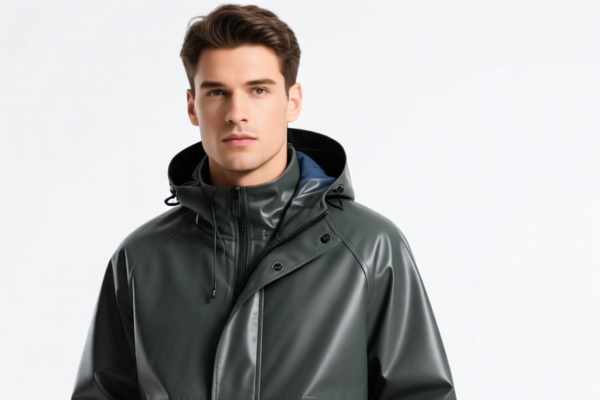
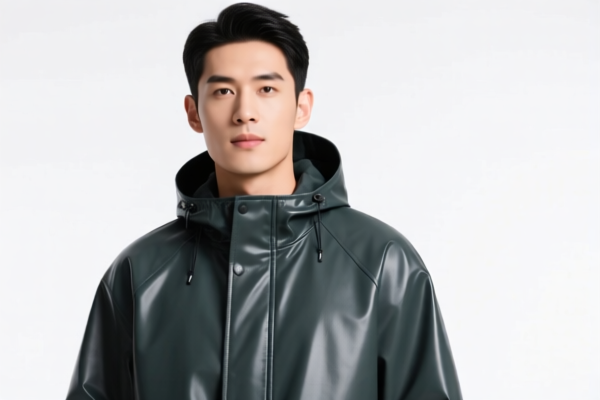
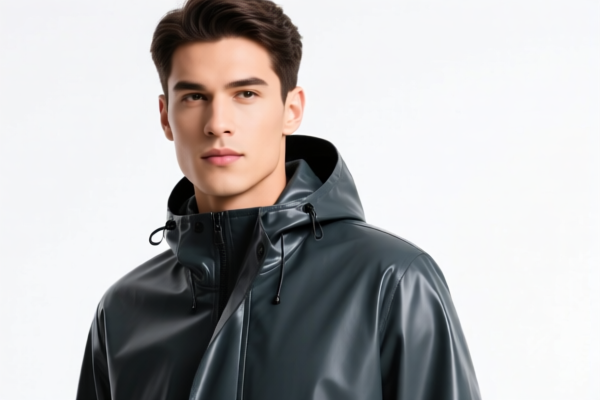

AI Analysis
👕 Boys' Rubber/Plastic Coated Windbreaker Jacket
🌐 HS Code Reference & Customs Clearance Guide | 2026 Latest Tariff Analysis | Professional Clearance Strategy
📌 I. Product Definition & Classification: Do You Really Understand "Waterproof Jackets"?
Boys' rubber/plastic coated windbreakers are a specific category of protective outerwear. In international trade, the classification hinges critically on material composition, coating type, and garment structure. The key distinction lies in whether the item is classified as a "woven apparel," "knitted apparel," or "plastic goods."
⚠️ Key Distinction Points:
- If the fabric is woven synthetic fiber with a rubber/plastic coating → It generally falls under Chapter 62 (Woven Apparel) or Chapter 61 (Knitted Apparel) depending on the base fabric.
- If the item is primarily considered plastic-coated fabric without traditional garment structure (e.g., simple ponchos or heavy-duty rain gear) → It may fall under Chapter 39 (Plastics).
- Crucial Note: For boys' jackets, the specific HS codes provided in the data indicate a complex interplay between base material (woven vs. knitted) and the coating nature.
📦 II. HS Code Classification Details (2026 Latest Tariff Authority Comparison)
Based on the provided data, here are the specific HS codes applicable to boys' rubber/plastic coated windbreakers, categorized by material structure and coating method:
| HS Code | Product Description | Applicable Scenario | Base Material Type | Total Tax Rate (China Origin) |
|---|---|---|---|---|
6210.20.50.20 |
Windbreaker Jacket, Rubber/Plastic Coated, Synthetic/Artificial Fiber | Woven synthetic fabric jacket with coating | Woven Synthetic Fiber | 24.6% |
6113.00.10.05 |
Boys' Coat, Impregnated/Coated with Rubber/Plastic | Knitted fabric impregnated/coated with plastic/rubber | Knitted Fabric | 21.3% |
3926.20.60.00 |
Plastic Raincoat Jacket, Rubber/Plastic Coated, Meets Plastic Material Requirements | Items strictly classified as plastic goods due to heavy coating/structure | Plastic (Primary Material) | 35.0% |
6210.40.15.00 |
Men's/Boys' Outdoor Apparel, Artificial Fiber Rubber/Plastic Coated | Woven artificial fiber outdoor gear | Woven Artificial Fiber | 21.3% |
🔍 Key Reminders:
-6210.20.50.20vs.6210.40.15.00: Both are woven, but6210.20is for general windbreakers, while6210.40is for specific outdoor apparel using artificial fibers. Tax rates differ slightly in detail but total tax is similar (24.6% vs 21.3%).
-6113.00.10.05: This is for knitted garments. If your jacket is made from knit fabric (like a sweatshirt material) but coated with plastic, this is the correct code. It has a lower base tariff (3.8%) but the same additional taxes.
-3926.20.60.00: This is the highest tax rate. Use this only if the product is classified as a "plastic article" rather than apparel (e.g., very thick, rigid, or purely plastic construction). Avoid this if possible for standard jackets.
💰 III. 2026 Latest Tariff Rate Breakdown (Including Surcharges & Policy Add-ons)
✅ Applicable Country: United States (US)
✅ Origin: China (CN)
✅ Effective Date: From November 10, 2025 (for subsequent imports)
🎯 1. 6210.20.50.20 – Windbreaker Jacket (Woven Synthetic)
| Item | Content |
|---|---|
| Base Tariff | 7.1% (ad valorem) |
| Section 301 Surcharge | +7.5% |
| Section 122 Surcharge | +10% |
| Total Tax Rate | 24.6% |
| Tax Calculation | CIF Value × 24.6% |
| De Minimis Exemption | ❌ Not Eligible (Deny De Minimis) |
| Legal Basis Path | Section 301: 9903.01.24 → Section 122: 9903.01.25 → USITC: 6210.20.50.20 |
📌 Explanation:
- Base 7.1%: Standard MFN rate for woven garments.
- 301 Clause 7.5%: Additional tariff under Trade Act Section 301 against China.
- Section 122 10%: Specific surcharge for certain apparel/textiles (often related to national security or supply chain resilience).
- Total 24.6%: A significant cost factor. Must be factored into pricing.
🎯 2. 6113.00.10.05 – Boys' Coat (Knitted, Plastic/Rubber Coated)
| Item | Content |
|---|---|
| Base Tariff | 3.8% |
| Section 301 Surcharge | +7.5% |
| Section 122 Surcharge | +10% |
| Total Tax Rate | 21.3% |
| Tax Calculation | CIF Value × 21.3% |
| De Minimis Exemption | ❌ Not Eligible |
| Legal Basis Path | Section 301: 9903.01.24 → Section 122: 9903.01.25 → USITC: 6113.00.10.05 |
📌 Note:
- Lower Base Tariff (3.8%): Knitted garments often have lower base tariffs than woven ones.
- Same Surcharges: The 7.5% and 10% add-ons are consistent across these apparel categories.
- Ideal for Knit Products: If your jacket is made from knit fabric, this is the most tax-efficient option among the codes.
🎯 3. 3926.20.60.00 – Plastic Raincoat Jacket
| Item | Content |
|---|---|
| Base Tariff | 0.0% |
| Section 301 Surcharge | +25.0% |
| Section 122 Surcharge | +10% |
| Total Tax Rate | 35.0% |
| Tax Calculation | CIF Value × 35.0% |
| De Minimis Exemption | ❌ Not Eligible |
| Legal Basis Path | Section 301: 9903.01.24 → Section 122: 9903.01.25 → USITC: 3926.20.60.00 |
📌 Warning:
- Highest Total Tax (35.0%): The 25% Section 301 rate for plastic articles is much higher than the 7.5% for apparel.
- Avoid If Possible: Only use this if the product is strictly classified as a plastic good (e.g., PVC rain poncho) and not as apparel. Misclassification here can lead to severe penalties.
🎯 4. 6210.40.15.00 – Men's/Boys' Outdoor Apparel (Woven Artificial Fiber)
| Item | Content |
|---|---|
| Base Tariff | 3.8% |
| Section 301 Surcharge | +7.5% |
| Section 122 Surcharge | +10% |
| Total Tax Rate | 21.3% |
| Tax Calculation | CIF Value × 21.3% |
| De Minimis Exemption | ❌ Not Eligible |
| Legal Basis Path | Section 301: 9903.01.24 → Section 122: 9903.01.25 → USITC: 6210.40.15.00 |
📌 Comparison:
- Same total tax as6113.00.10.05(21.3%).
- Suitable for woven artificial fiber outdoor jackets.
- Base Tariff Low (3.8%): Similar to knitted goods, lower than general woven goods.
🛠️ IV. Customs Clearance Practical Advice (Battle-Tested Pitfall Guide)
✅ 1. Preparation Checklist (Non-Negotiable)
| Document | Must Provide | Explanation |
|---|---|---|
| ✅ Product Specification Sheet | ✔️ | Must clearly state: "Boys' Jacket," "Rubber/Plastic Coated," "Woven/Knitted Base Fabric." |
| ✅ Material Composition Certificate | ✔️ | Essential to distinguish between Woven (6210) and Knitted (6113). |
| ✅ Product Photos (Including Labels) | ✔️ | Show inner lining, tags, and overall structure. |
| ✅ Third-Party Test Report | ✔️ | Certify coating durability, safety standards (e.g., CPSIA for children's wear in US). |
| ✅ Commercial Invoice | ✔️ | Must match HS Code description exactly. Use terms like "Coated Woven Jacket" or "Plastic-Coated Knitted Coat." |
| ✅ Packing List | ✔️ | Confirm no mixed shipments (e.g., plastic raincoats mixed with woven jackets). |
✅ 2. Declaration Tactics (Key Mnemonic)
🔥 "Woven vs. Knit, Base Tariff Defines; Section 301 & 122, Total Cost Drives!"
| Scenario | Correct Declaration | Wrong Practice |
|---|---|---|
| Woven Synthetic Jacket | 6210.20.50.20 or 6210.40.15.00 |
Misclassifying as 3926 → 35% Tax! |
| Knitted Coated Jacket | 6113.00.10.05 |
Misclassifying as 6210 → 24.6% Tax (unnecessary cost) |
| Pure Plastic Raincoat | 3926.20.60.00 |
Misclassifying as apparel → Penalty for wrong HS |
| Mixed Bag (Jackets + Pants) | Declare separately by HS Code | Combine into one HS Code → High risk of audit |
✅ 3. Special Case Handling
| Scenario | Handling Advice |
|---|---|
| Children's Safety Compliance | Ensure compliance with CPSIA (Consumer Product Safety Improvement Act). Lead content, phthalates, and small parts must be tested. |
| Coating Material Identification | Clearly specify if the coating is PVC, PU, or Rubber. Some coatings may trigger additional chemical regulations. |
| OEM Custom Orders | Provide OEM contract and design specs to prove the product is not a generic "plastic good." |
| High-Value Items | Consider Advance Ruling from CBP if the material structure is ambiguous (e.g., is it knitted or woven?). |
🌍 V. Global Market Clearance Comparison (2026 Latest)
| Country/Region | Recommended HS Code | Tariff (China Origin) | Certification Requirements | Notes |
|---|---|---|---|---|
| 🇺🇸 USA | 6210.20.50.20 / 6113.00.10.05 |
21.3% - 24.6% | CPSIA, Prop 65, FCC (if electronic) | High surcharges. Strict children's wear rules. |
| 🇨🇳 China | 6210.20 / 6113.00 |
~5-7% | CCC (if applicable), GB Standards | No additional surcharges. |
| 🇪🇺 EU | 6210.40 / 6113.00 |
0-4% | CE, REACH, CPSR (Chemical Safety) | Low tariffs. Strict chemical safety. |
| 🇬🇧 UK | 6210.40 / 6113.00 |
0-4% | UKCA, REACH | Post-Brexit rules apply. |
| 🇦🇺 Australia | 6210.40 / 6113.00 |
5-10% | APEC, ACCC | Moderate tariffs. |
📌 Conclusion:
- USA is the most expensive market due to Section 301 and Section 122 surcharges.
- EU and UK are more favorable on tariffs but have stricter chemical safety regulations (REACH).
- Children's wear requires extra documentation in all major markets.
📌 VI. Common Mistakes & Pitfall Guide (Lessons Learned)
❌ Mistake 1: Misclassifying Woven jackets as Plastic Goods (3926)
👉 Consequence: 35% Tax instead of 24.6% → Overpayment!
❌ Mistake 2: Misclassifying Knitted jackets as Woven (6210)
👉 Consequence: 24.6% Tax instead of 21.3% → Unnecessary Cost!
❌ Mistake 3: Failing to specify Children's Wear
👉 Consequence: Customs may detain goods for CPSIA compliance checks → Delays!
❌ Mistake 4: Vague Description: "Plastic Coat"
👉 Consequence: Customs may assign wrong HS Code or demand additional fees for inspection.
✅ Correct Approach:
"Boys' Windbreaker Jacket, Woven Synthetic Fabric, Polyurethane (PU) Coated, Size 4-6X, CPSIA Compliant, Model XYZ, FOB Shanghai"
🎯 VII. Conclusion: Precision Classification Saves Money!
🎯 Remember the Mnemonic:
🔹 "Woven: 24.6%, Knit: 21.3%, Plastic: 35%. Choose Wisely!"
🔹 "Base Tariff + 301 (7.5%) + 122 (10%) = Total Tax."
🔹 "Children's Wear: CPSIA is Mandatory."
📌 Pro Tip:
- If your jacket is knitted, always choose 6113.00.10.05 for the lowest tax (21.3%).
- If it is woven, compare 6210.20.50.20 (24.6%) and 6210.40.15.00 (21.3%). Use 6210.40.15.00 if it qualifies as "Outdoor Apparel."
- Always apply for an Advance Ruling if the product's structure is borderline.
📣 Immediate Action:
📞 Contact a professional customs broker + Provide material specs + Apply for HS Code Advance Ruling
🚀 Ensure Smooth Clearance, Reduce Costs, and Boost Profit Margins!
✨ Professional Clearance Starts with Accurate Classification!
💼 Every Percent of Tax Saved is Pure Profit!
Customer Reviews
About HS Code Classification
The Harmonized System (HS) is an internationally standardized nomenclature developed by the World Customs Organization (WCO) to classify traded products. Over 200 countries use the HS system as the basis for customs tariffs, trade statistics, and import/export regulations.
Each HS code follows a hierarchical structure:
- Chapter (2 digits) — Broad category of goods (e.g., Chapter 84: Machinery and Mechanical Appliances)
- Heading (4 digits) — More specific grouping within the chapter
- Subheading (6 digits) — Internationally standardized breakdown, used by all WCO member countries
- National subdivisions (8-10 digits) — Country-specific extensions for further classification, such as US HTSUS 10-digit codes
Correct HS code classification is essential for smooth customs clearance, accurate duty payment, and compliance with trade regulations. Misclassification can lead to customs delays, overpayment of duties, or penalties.
When importing from CN to US, the applicable tariff rates may include:
- Most-Favored-Nation (MFN) rate — The standard duty rate applied to WTO members
- General rate — Applied to countries without trade agreements
- Trade remedy duties — Additional tariffs such as Section 301 (anti-dumping), Section 232 (national security), or countervailing duties
The information provided on this page is for reference purposes only. For official classification, please consult with your local customs authority or a licensed customs broker.