Boys Ski Shell Jacket
CN → US| HS Code | Tariff Rate | Origin | Destination | Doc |
|---|---|---|---|---|
| 6113009025 | 24.6% | CN | US | Official Doc |
| 6211201515 | 24.6% | CN | US | Official Doc |
| 6113001005 | 21.3% | CN | US | Official Doc |
| 6201402500 | 21.9% | CN | US | Official Doc |
| 6112201080 | 45.7% | CN | US | Official Doc |
Product Images
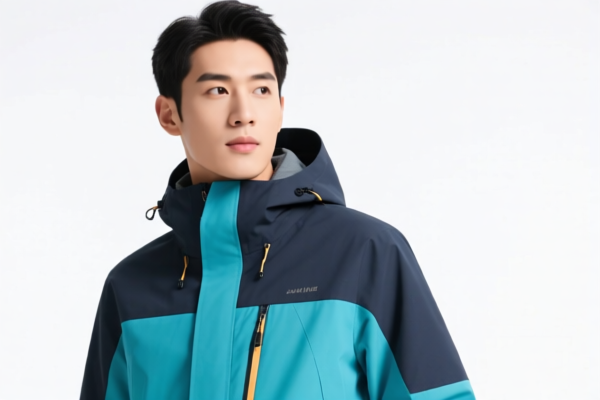
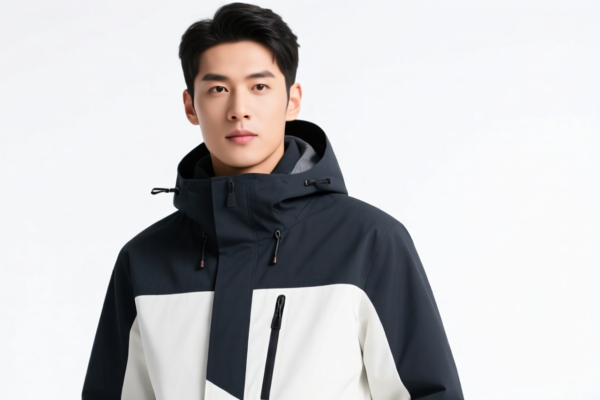

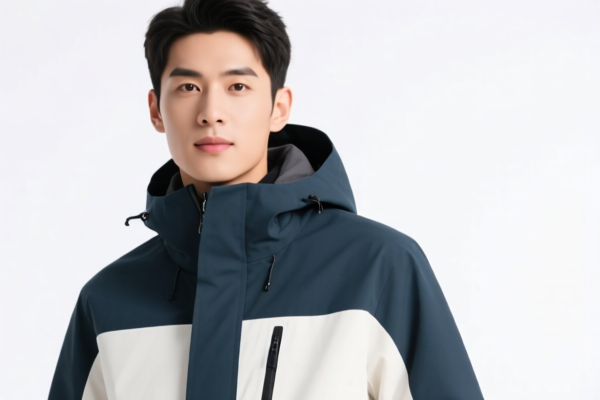
AI Analysis
🎿 Boys Ski Shell Jacket (Men's/Boys' Ski Outerwear)
🌐 HS Code Reference & Customs Clearance Guide | 2026 Latest Tariff Breakdown | Professional Entry Strategy
📌 I. Product Definition & Classification: What Exactly is a "Ski Shell Jacket"?
A Boys Ski Shell Jacket is a specialized outerwear garment designed for winter sports. It is distinct from insulated ski suits because it is typically unlined or minimally lined, serving as a protective "shell" against wind, rain, and snow. The key to correct classification lies in the material composition (knitted/crocheted vs. woven) and processing method (coated/impregnated vs. plain fabric).
In international trade, these jackets are generally categorized under Chapter 61 (Articles of Apparel and Clothing Accessories, Knitted or Crocheted) or Chapter 62 (Articles of Apparel and Clothing Accessories, Not Knitted or Crocheted).
⚠️ Critical Distinction:
- Knitted/Crocheted (Chapter 61): Flexible, stretchy fabric (e.g., knit nylon/polyester). Often falls under 6113 (Textile Materials Impregnated, Coated, Covered or Laminate).
- Woven (Chapter 62): Rigid, non-stretchy fabric (e.g., woven polyester/nylon). Often falls under 6211 (Ski Suits) or 6201 (Coats).
- Insulation Check: If the jacket contains significant padding/cotton for warmth, it may shift to 6112.20.10.80, which carries a much higher tax burden.
📦 II. HS Code Classification Matrix (Based on Provided Data)
| HS Code | Product Description | Material/Type | Key Classification Logic |
|---|---|---|---|
6113.00.90.25 |
Men's/Boys' Ski Jacket | Synthetic Fiber, Non-Cotton | Knitted/Non-Insulated: Usually made of synthetic fibers, not cotton, often treated for water resistance. |
6211.20.15.15 |
Men's/Boys' Ski Jacket | Windbreaker/Jacket Class | Woven/Specific Use: Classified specifically as a ski suit or windbreaker/jacket, non-cotton. |
6113.00.10.05 |
Men's/Boys' Ski Jacket | Coated/Impregnated | Special Processing: Fabric has been coated or impregnated with plastics/rubber for waterproofing. |
6201.40.25.00 |
Men's/Boys' Ski Jacket | Ent. Performance Outerwear | Woven/Non-Natural: Specifically for recreational performance, made from non-natural fibers. |
6112.20.10.80 |
Men's/Boys' Ski Suit | Fiber Material (Insulated) | Insulated/Thermal: Likely contains padding or thermal lining (Note: Highest Tax Rate). |
🔍 Strategic Note:
- Avoid6112.20.10.80if possible. While it describes a "ski suit," the 45.7% total tax rate is punitive.
- Prefer6113or6211codes if the jacket is a shell (thin, waterproof, non-insulated).
- Ensure the product description clearly states "Shell" or "Unlined" to justify lower-rated codes.
💰 III. 2026 Latest Tariff Rate Breakdown (Detailed Tax Analysis)
✅ Applicable Region: United States (US)
✅ Origin: China (CN)
✅ Effective Date: Rates include Base + Section 301 + Section 122 (2025/2026 Update)
🎯 1. 6113.00.90.25 — Synthetic Fiber Ski Jacket (Non-Cotton)
| Item | Detail |
|---|---|
| Base Duty | 7.1% |
| Section 301 Surcharge | 7.5% |
| Section 122 Surcharge | 10.0% |
| Total Tax Rate | 24.6% |
| Calculation Basis | CIF Value × 24.6% |
| Legal Basis | Harmonized Tariff Schedule (HTSUS) + Trade Acts |
📌 Analysis:
- This code applies to knitted synthetic shell jackets.
- Advantage: Moderate tax burden. Suitable for high-volume, lightweight shell jackets.
- Requirement: Must be clearly identified as non-cotton and synthetic.
🎯 2. 6211.20.15.15 — Woven Ski Jacket / Windbreaker
| Item | Detail |
|---|---|
| Base Duty | 7.1% |
| Section 301 Surcharge | 7.5% |
| Section 122 Surcharge | 10.0% |
| Total Tax Rate | 24.6% |
| Calculation Basis | CIF Value × 24.6% |
| Legal Basis | HTSUS Chapter 62 |
📌 Analysis:
- Applies to woven (non-knitted) ski jackets or windbreakers.
- Identical Tax to6113.00.90.25, but the fabric construction (woven vs. knitted) differs.
- Key Check: If the fabric has significant stretch (knit), do not use this code.
🎯 3. 6113.00.10.05 — Coated/Impregnated Ski Jacket
| Item | Detail |
|---|---|
| Base Duty | 3.8% |
| Section 301 Surcharge | 7.5% |
| Section 122 Surcharge | 10.0% |
| Total Tax Rate | 21.3% |
| Calculation Basis | CIF Value × 21.3% |
| Legal Basis | HTSUS 6113 (Textile Materials Impregnated) |
📌 Analysis:
- Lowest Tax Rate in the dataset.
- Applies to fabrics that are coated, impregnated, or laminated (e.g., PVC-coated nylon).
- Advantage: Savings of 3.3% compared to the other 24.6% codes.
- Risk: Customs may scrutinize "coated" claims. Ensure the jacket has a clear coating layer for waterproofing.
🎯 4. 6201.40.25.00 — Ent. Performance Outerwear (Woven)
| Item | Detail |
|---|---|
| Base Duty | 4.4% |
| Section 301 Surcharge | 7.5% |
| Section 122 Surcharge | 10.0% |
| Total Tax Rate | 21.9% |
| Calculation Basis | CIF Value × 21.9% |
| Legal Basis | HTSUS 6201 (Coats, Anoraks, etc.) |
📌 Analysis:
- Applies to woven outerwear for recreational performance.
- Tax Rate: Slightly higher than6113.00.10.05but lower than the 24.6% group.
- Key: Must be classified as "Outerwear" (Coats/Anoraks) rather than "Ski Suit" if it doesn't meet the specific "Ski Suit" definition in Ch 6211.
🎯 5. 6112.20.10.80 — Insulated Ski Suit (Fiber Material)
| Item | Detail |
|---|---|
| Base Duty | 28.2% |
| Section 301 Surcharge | 7.5% |
| Section 122 Surcharge | 10.0% |
| Total Tax Rate | 45.7% |
| Calculation Basis | CIF Value × 45.7% |
| Legal Basis | HTSUS 6112 (Tracksuits, Ski Suits) |
📌 Analysis:
- Highest Tax Rate in the dataset.
- Applies to insulated ski suits or those with significant padding/lining.
- Warning: If your product is a Shell (thin, no padding), DO NOT use this code. Misclassification here leads to severe underpayment penalties.
- Strategy: If the jacket is unlined, argue for6113or6211classification.
🛠️ IV. Customs Clearance Practical Advice (Pitfall Avoidance)
✅ 1. Documentation Checklist (Essential)
| Document | Required? | Purpose |
|---|---|---|
| ✅ Product Specification Sheet | ✔️ | Clearly state: "Unlined Shell," "Waterproof," "Windproof," "No Padding." |
| ✅ Fabric Composition Label | ✔️ | Must specify synthetic fibers (e.g., 100% Polyester). No Cotton. |
| ✅ Product Photos (Front/Back/Inside) | ✔️ | Proof that there is no insulation lining. |
| ✅ Commercial Invoice | ✔️ | Describe as "Boys' Ski Shell Jacket, Unlined, Synthetic." Avoid vague terms like "Sweatshirt." |
| ✅ Coating/Lamination Proof | ✔️ (If claiming 6113.00.10.05) |
Technical datasheet showing coating process for lower tax rate. |
✅ 2. Classification Strategy (Key Tactics)
| Scenario | Recommended HS Code | Reason |
|---|---|---|
| Thin, Unlined, Knitted Shell | 6113.00.90.25 |
Standard synthetic shell. |
| Thin, Unlined, Woven Shell | 6211.20.15.15 |
Woven fabric, ski-specific. |
| Waterproof Coated Fabric | 6113.00.10.05 |
Best Tax Rate (21.3%) if fabric is clearly coated. |
| Heavy, Padded Ski Suit | 6112.20.10.80 |
Only if insulated. Expect 45.7% tax. |
| Recreational Woven Coat | 6201.40.25.00 |
If not strictly a "Ski Suit" but outerwear. |
🔥 "Shell vs. Suit" Mantra:
- "Shell" = Unlined = Lower Tax (6113/6211)
- "Suit" = Insulated = Higher Tax (6112)
- Always emphasize "Unlined" and "Shell" in descriptions.
✅ 3. Special Handling
| Situation | Action |
|---|---|
| Mixed Materials | If lining is present, even thin, customs may push to 6112.20.10.80. Avoid linings in shells. |
| Section 122 Surcharge | The 10% surcharge applies to most textile imports from China. Plan for this in pricing. |
| Origin Marking | Ensure products are marked "Made in China" to avoid origin disputes. |
| Pre-Ruling | If unsure if your "shell" is "coated" enough for 6113.00.10.05, apply for a Binding Ruling from CBP. |
🌍 V. Global Comparison (2026 Outlook)
| Region | Likely HS Code | Est. Duty (China Origin) | Notes |
|---|---|---|---|
| 🇺🇸 USA | 6113.00.90.25 |
24.6% | Includes 301 & 122 tariffs. |
| 🇨🇳 China | 6113.00.90.25 |
~10-12% | Lower base duty, no 301/122. |
| 🇪🇺 EU | 6113.90 |
~12% | No Section 122/301 equivalent. |
| 🇬🇧 UK | 6113.00 |
~12% | Post-Brexit tariff regime. |
| 🇨🇦 Canada | 6113.00 |
~15% | CSTA/FTA may offer reductions. |
📌 Conclusion:
- The US market is the most expensive due to additive tariffs (301 + 122).
- Optimization: Use6113.00.10.05(21.3%) if feasible to save 3.3% vs. the standard 24.6%.
📌 VI. Common Mistakes & Pitfalls
❌ Mistake 1: Calling an insulated jacket a "Shell"
👉 Result: Customs inspection finds padding → Re-classify to 6112.20.10.80 → Pay 45.7% + Penalties.
❌ Mistake 2: Ignoring the "Coated" distinction
👉 Result: Missed opportunity for 6113.00.10.05 (21.3%) → Pay 24.6% unnecessarily.
❌ Mistake 3: Vague Description "Ski Jacket"
👉 Result: CBP may assign the highest duty rate due to ambiguity.
✅ Fix: Use "Boys' Unlined Ski Shell Jacket, Synthetic, Waterproof."
❌ Mistake 4: Confusing Knitted (61) vs. Woven (62)
👉 Result: Misclassification leads to duty discrepancies.
✅ Fix: Check fabric stretch. Knit = Stretchy = Ch 61. Woven = Rigid = Ch 62.
🎯 VII. Conclusion: Smart Classification, Higher Profits
🎯 Key Takeaways:
🔹 "Shell is Key": Unlined shells qualify for lower tax rates (21.3% - 24.6%).
🔹 "Avoid Insulation Code":6112.20.10.80(45.7%) is a profit killer for shell jackets.
🔹 "Coating Bonus": If your fabric is coated, fight for6113.00.10.05to save 3.3%.
🔹 "Be Specific": Describe products as "Unlined," "Shell," "Synthetic," and "Coated" (if applicable).
📌 Pro Tip:
If your supply chain allows, consider shifting production to a non-China origin (e.g., Vietnam) to avoid Section 301 & 122 tariffs entirely. However, this requires significant lead time and MOQ changes.
📣 Immediate Action:
- Verify Fabric: Knit or Woven? Coated or Plain?
- Check Lining: Is it truly unlined?
- Apply Code: Use
6113.00.10.05(if coated) or6113.00.90.25(if not).- Document: Update invoices and specs to reflect "Shell" and "Unlined."
✨ Professional Clearance Starts with Accurate Classification!
💼 Every Percentage Point Saved is Pure Profit!
Customer Reviews
About HS Code Classification
The Harmonized System (HS) is an internationally standardized nomenclature developed by the World Customs Organization (WCO) to classify traded products. Over 200 countries use the HS system as the basis for customs tariffs, trade statistics, and import/export regulations.
Each HS code follows a hierarchical structure:
- Chapter (2 digits) — Broad category of goods (e.g., Chapter 84: Machinery and Mechanical Appliances)
- Heading (4 digits) — More specific grouping within the chapter
- Subheading (6 digits) — Internationally standardized breakdown, used by all WCO member countries
- National subdivisions (8-10 digits) — Country-specific extensions for further classification, such as US HTSUS 10-digit codes
Correct HS code classification is essential for smooth customs clearance, accurate duty payment, and compliance with trade regulations. Misclassification can lead to customs delays, overpayment of duties, or penalties.
When importing from CN to US, the applicable tariff rates may include:
- Most-Favored-Nation (MFN) rate — The standard duty rate applied to WTO members
- General rate — Applied to countries without trade agreements
- Trade remedy duties — Additional tariffs such as Section 301 (anti-dumping), Section 232 (national security), or countervailing duties
The information provided on this page is for reference purposes only. For official classification, please consult with your local customs authority or a licensed customs broker.